Note: This article is an original, source-informed SEO blog draft written in standard American English. It does not include source links, citation artifacts, or unnecessary publishing clutter.
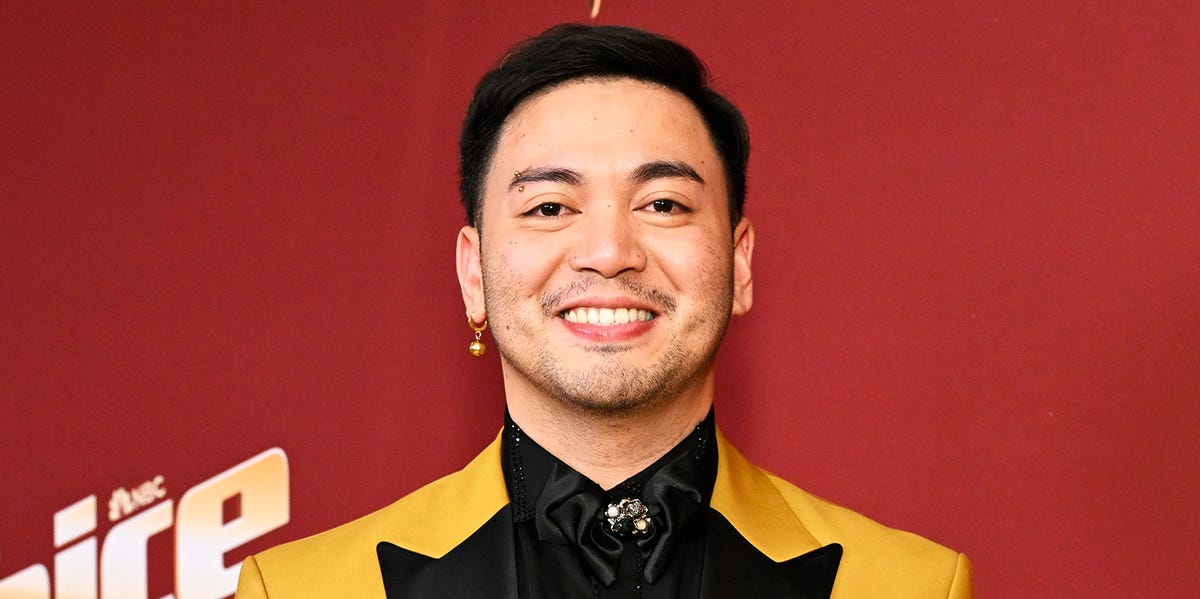
Sofronio Vasquez did not just win The Voice. He walked onto a massive American TV stage, carried a story that stretched from the Philippines to New York, turned four famous chairs, and somehow made Michael Bublé look like the proudest music teacher at the school recital. Now, the Season 26 champion is stepping into the next chapter: new music with the coach who helped him become a household name among The Voice fans.
The big headline is simple: Sofronio Vasquez and Michael Bublé are no longer just a coach-and-contestant success story. They are collaborators. After Vasquez’s historic win, the pair reunited for holiday music, studio sessions, and a new original song that points toward something bigger than a victory lap. For fans who watched Team Bublé rise from charming underdog energy to full confetti-cannon glory, this feels like the sequel everyone hoped for.
And honestly, it makes sense. Bublé’s brand has always been about smooth vocals, emotional delivery, and making a room feel like it has better lighting than it actually does. Vasquez brings a powerhouse voice, soul, humility, and the kind of dramatic high notes that make people pause mid-snack. Together, they have the ingredients for music that can feel both polished and personal.
Who Is Sofronio Vasquez?
Sofronio Vasquez is the Filipino singer who won Season 26 of NBC’s The Voice in December 2024. His victory was historic because he became the first Filipino winner of the U.S. version of the show. It also gave Michael Bublé his first win as a coach, which is not a bad debut season. Some coaches bring strategy. Bublé brought charm, tears, and apparently a winner on the first try.
Before becoming a The Voice champion, Vasquez had a very different path. He studied dentistry and worked in the dental field, but music kept calling louder than a patient who just saw the bill for a root canal. After personal loss and years of pursuing his craft, he moved to the United States and continued chasing the dream that had followed him since childhood.
His audition on The Voice immediately showed why he was not simply another good singer in a crowded competition. Performing Mary J. Blige’s “I’m Goin’ Down,” Vasquez earned a four-chair turn from Michael Bublé, Reba McEntire, Gwen Stefani, and Snoop Dogg. That is the vocal competition version of getting four job offers before you finish the interview.
How Michael Bublé Became More Than a Coach
During Season 26, Michael Bublé quickly positioned himself as more than a celebrity coach. He became a genuine mentor for Vasquez, helping him shape performances, understand the emotional center of songs, and connect with American audiences without losing the heart of who he was.
That last part matters. Many singers on competition shows can hit impressive notes. Fewer can make those notes feel lived in. Vasquez’s strength was not only power; it was sincerity. He sang like someone who understood the difference between showing off and telling the truth. Bublé seemed to recognize that early, and their coach-artist chemistry became one of the season’s biggest storylines.
After Vasquez won, Bublé did not disappear into the fog machine. Instead, he continued supporting him. That is why fans have paid close attention to every update about their work together. In the world of reality TV music competitions, where winners sometimes vanish faster than leftover cake in a break room, continued mentorship is a very big deal.
New Music With Michael Bublé: Why Fans Are Excited
The phrase “new music with Michael Bublé” carries weight because Bublé is not just a TV personality. He is a global recording artist known for warm vocals, big-band sophistication, Christmas dominance, and the ability to make a standard feel fresh without throwing glitter on it for no reason.
For Sofronio Vasquez, working with Bublé after The Voice is more than a celebrity co-sign. It is a bridge into the recording industry. A coach can help someone win a show; a mentor can help someone build a career after the applause fades. That is the part fans are watching now.
“Maybe This Christmas” Gave the Partnership a Heartfelt Start
One of the most talked-about collaborations between Sofronio Vasquez and Michael Bublé is “Maybe This Christmas,” a holiday duet released in November 2025. The song gave fans exactly what they expected from a Bublé Christmas project: warmth, melody, and enough seasonal glow to make even a grocery store parking lot feel cinematic.
But the duet also carried something personal for Vasquez. The inclusion of Tagalog lyrics added cultural meaning and gave Filipino fans a special reason to celebrate. For an artist whose win already represented a major milestone for Filipino visibility on American television, hearing that identity reflected in music with an international star was not just a nice detail. It was the emotional center of the moment.
That is why the collaboration resonated beyond the usual holiday playlist crowd. It was not simply “famous singer helps former contestant.” It was a mentor sharing the spotlight while allowing the newer artist’s background to remain visible. In other words, Bublé did not just hand Vasquez a microphone. He made room on the record.
“Superman” Shows a Bigger Artistic Direction
Vasquez also returned to The Voice stage to perform “Superman,” an original song connected to Bublé and a team of accomplished songwriters. The performance marked an important full-circle moment: the winner coming back not to compete, but to introduce himself as a recording artist.
That shift is crucial. Competition-show winners often face the same challenge: viewers know they can sing, but they still need songs that define who they are outside the show. “Superman” gives Vasquez a chance to step beyond covers and into original storytelling. It tells fans, “Yes, the high notes are still here, but now there is a catalog being built.”
For Bublé, the project also reinforces his role as a coach who invests after the cameras stop rolling. Helping a former contestant release music is the kind of follow-through fans love because it proves the mentor talk was not just finale-night confetti poetry.
Why This Collaboration Matters for The Voice
The Voice has produced many talented winners, but the show has long faced one tricky question: What happens after the trophy? Unlike some competition franchises that have created huge mainstream stars, The Voice has often been judged less by its winners’ vocal talent and more by how difficult it can be to turn TV momentum into long-term music-industry success.
That is why Sofronio Vasquez’s ongoing work with Michael Bublé feels important. It gives fans a visible example of a coach staying involved. It also shows how the show can function as a launchpad when the right support system continues beyond the finale.
In a crowded music landscape, visibility is valuable, but guidance is priceless. Vasquez has the voice. Bublé has the experience, industry relationships, and musical instincts. Together, they create a partnership that could help turn a reality TV victory into a real recording career.
Sofronio Vasquez’s Sound: Power, Soul, and Emotional Precision
Vasquez’s voice is the kind that can handle big ballads without sounding like he is simply chasing volume. His performances on The Voice showed range, control, and a strong sense of emotional pacing. He knows when to build, when to hold back, and when to deliver the kind of note that makes the audience react before their brains have time to form a full sentence.
That makes him a natural fit for songs that require drama but not chaos. Bublé’s influence may help refine that gift even further. The best version of Vasquez as a recording artist will likely balance vocal fireworks with storytelling. Nobody wants every song to sound like the final thirty seconds of a talent-show finale. Sometimes the magic is in the quiet phrase before the big note arrives.
Michael Bublé’s Role in Shaping the Next Chapter
Michael Bublé understands how to build a career around identity. His own success came from blending classic influences with modern charm, proving that old-school elegance could still feel current. That experience makes him a strong guide for Vasquez, who also has to merge different worlds: Filipino roots, American pop audiences, soulful ballad traditions, and the expectations that come with being a The Voice winner.
What makes the partnership promising is that Bublé seems to understand the value of authenticity. The Tagalog element in “Maybe This Christmas” is a good example. Rather than sanding down Vasquez’s background to make the song feel more generic, the collaboration leaned into what made him unique.
That is smart artistry and smart branding. In modern music, audiences want voices that feel specific. They want stories, not factory settings. Vasquez has a story that is rich, emotional, and easy to root for. Bublé’s job is not to reshape him into someone else; it is to help frame that story in songs that can travel.
Fan Reaction: Pride, Joy, and a Lot of Happy Screaming Online
The response from fans has been enthusiastic, especially among Filipino listeners who see Vasquez’s rise as a cultural win as well as a personal one. His success carries the emotional weight of representation. When he performs with Bublé or releases music connected to major industry figures, it feels like a door opening wider.
There is also a universal appeal in his journey. You do not have to be Filipino, a singer, or a reality TV superfan to understand the thrill of watching someone get a life-changing chance and then work hard enough to deserve the next one. That is the core of Vasquez’s appeal. He comes across as grateful without being passive, humble without being forgettable, and talented without needing to shout, “Please notice I am talented!” every three seconds.
What Could Come Next for Sofronio Vasquez?
The next step for Vasquez will be defining his lane. He can sing pop, soul, ballads, holiday music, and emotionally rich classics, but a long-term career needs more than versatility. It needs a recognizable artistic identity.
A debut EP or album shaped with Bublé’s guidance could help answer the biggest question: Who is Sofronio Vasquez when he is not singing for votes? The answer may include heartfelt ballads, cross-cultural touches, polished pop production, and songs that highlight his vocal strength without trapping him in competition-show mode.
If his team is smart, they will not rush him into generic material. His best advantage is his story combined with his voice. The music should reflect both. Give him songs with emotional stakes, melodies that allow room for interpretation, and arrangements that leave space for his tone to breathe. Basically, do not put a grand piano in the room and then cover it with fog machines and panic.
Why “New Music With Michael Bublé” Is More Than a Headline
At first glance, the story sounds like a feel-good entertainment update: The Voice winner works with famous coach. Nice, sweet, cue the applause. But underneath that is a deeper story about mentorship, cultural visibility, and the difficult road from TV champion to working artist.
Vasquez’s collaboration with Bublé matters because it gives his post-show career a meaningful foundation. It connects him with an artist who understands vocal music, live performance, holiday standards, and emotional connection. It also signals to fans and industry watchers that Vasquez is not being left to figure everything out alone.
That kind of support can change the entire trajectory of a new artist. Talent may open the first door, but relationships often determine what rooms you get invited into next.
Experience: What Sofronio Vasquez’s Journey Feels Like for Fans and Dreamers
There is something deeply satisfying about watching Sofronio Vasquez’s story unfold because it feels like the rare reality-show arc that did not end when the credits rolled. Many viewers have experienced the familiar pattern: a singer wins, everyone cries, the trophy sparkles, and then the artist quietly enters the mysterious foggy forest known as “whatever happened to them?” Vasquez’s story feels different because the next chapter is visible.
For fans, following his new music with Michael Bublé feels like being invited behind the curtain. The win was the public celebration, but the studio work is where the real career begins. That is the part many aspiring singers understand most. Winning attention is hard. Keeping it is harder. Turning attention into songs people want to replay is the hardest part of all.
Vasquez’s experience also speaks to anyone who has ever taken the long route toward a dream. He did not arrive as a perfectly packaged pop product. He came with a background in dentistry, family memories, immigration, rejection, persistence, and a voice shaped by years of trying again. That makes his success feel earned rather than manufactured. It is not a fairy tale where everything magically works out. It is more like a musical road trip with potholes, detours, and one very shiny red chair at the end.
The Bublé partnership adds another emotional layer because it shows what good mentorship can look like. A mentor does not simply say, “Great job,” and vanish into a dressing room. A real mentor opens doors, shares wisdom, gives honest guidance, and sometimes records a Christmas song with you because apparently the universe decided to be generous that day.
For young artists, that is an important lesson. Talent matters, but so does being ready when someone believes in you. Vasquez was ready. When Bublé offered support, he had the discipline and emotional depth to meet the moment. That is why the collaboration feels less like charity and more like a handoff from one serious musician to another.
For Filipino fans and Asian music lovers, the experience is even more powerful. Representation is not only about seeing someone win. It is about seeing them continue. It is about watching them release songs, return to major stages, collaborate with respected artists, and carry pieces of their culture into mainstream spaces. When Tagalog appears in a duet with Michael Bublé, it is not a small decorative detail. It is a reminder that global music becomes richer when artists bring their full selves into the room.
That may be the most exciting part of Sofronio Vasquez’s new music era. He does not have to choose between being a Filipino artist and an international artist. The strongest version of his career may come from being both. With Bublé helping guide the early steps, Vasquez has a chance to build something warm, soulful, and lasting.
Conclusion
Sofronio Vasquez’s new music with Michael Bublé is more than a pleasant update for The Voice fans. It is a sign that his win was not the finish line but the opening scene. From “Maybe This Christmas” to “Superman,” Vasquez is beginning to shape a post-show identity rooted in powerful vocals, personal history, and meaningful mentorship.
Michael Bublé’s continued involvement gives the story extra weight. He helped Vasquez win, but more importantly, he appears committed to helping him grow. That is the kind of coach-contestant relationship fans hope for but do not always get. If Vasquez continues choosing songs that honor his voice and his background, his next chapter could be one of the most compelling post-Voice journeys in recent memory.
In short, Sofronio Vasquez is no longer just the singer who won The Voice. He is becoming the artist fans hoped he would be. And with Michael Bublé in his corner, the music world may want to keep a red chair ready.