A lizard in the house can make a calm evening turn into a low-budget action movie. One second you are folding laundry, the next you are locking eyes with a tiny gecko on the wall like you have both accidentally interrupted each other’s dinner plans. The good news is that most house lizards are more nuisance than disaster. The better news is that you can usually get them out without turning your home into a chemical battlefield.
If you want to know how to chase lizards out of your house, the real answer is not “spray random mystery liquid and hope for the best.” It is a combination of smart removal, cleaner conditions, fewer bugs, fewer hiding places, and tighter entry points. In other words: the lizard is not there because your house is haunted. It is there because your house is convenient.
This guide walks you through 15 practical, humane steps to remove lizards from indoors and keep them from coming back. It also explains what attracts lizards in the first place, what not to do, and what real households often experience when they deal with repeat visitors.
Why Lizards Come Into Houses
Before you try to chase a lizard out, it helps to understand why it wandered in. Most house lizards are not showing up because they are emotionally attached to your baseboards. They usually come inside for four reasons: food, water, shelter, and access.
Food is the big one. Lizards eat insects, and houses with moths, flies, ants, roaches, gnats, spiders, or other small bugs can become a lizard buffet. Water matters too. Leaky plumbing, damp bathrooms, pet bowls, condensation, and humid corners make a home more inviting. Shelter is another factor. Clutter, wall gaps, storage piles, and dark corners give lizards places to hide during the day. Finally, they need a way in. Torn screens, loose door sweeps, gaps around pipes, cracks in foundations, and poorly sealed windows can all work like a welcome mat.
Outdoor lighting can also make the problem worse. Lights attract insects, insects attract lizards, and once lizards start hanging around doors, windows, and walls, some eventually slip indoors. That is why the best long-term solution is not just chasing out one lizard. It is making your house less appealing to the next one.
How to Chase Lizards out of Your House: 15 Steps
-
Step 1: Stay calm and make sure it is actually a small house lizard
Most indoor lizards in warm regions are small, shy, and harmless. Do not stomp first and ask questions later. If it is a tiny gecko or similar house lizard, a humane removal plan usually works just fine. If you are unsure whether it is a lizard, a snake, or anything potentially dangerous, skip the DIY hero routine and call local animal control or a wildlife professional.
-
Step 2: Keep kids and pets away from the scene
This is partly for the lizard and partly for your household. Curious cats, excitable dogs, and small children tend to turn a simple removal into a chase sequence with terrible camera work. Give the animal space and keep everyone out of the room while you deal with it.
-
Step 3: Close interior doors so the lizard cannot tour the whole house
If the lizard has access to a hallway, bedroom, laundry room, and three closets, congratulations: you now have a scavenger hunt. Shut interior doors right away. Limiting the lizard to one room makes humane capture or guided exit much easier.
-
Step 4: Create one obvious exit route
Open a nearby exterior door or window if it is safe to do so and if that opening leads outdoors, not into a screened porch where the lizard can simply regroup and laugh at you. The goal is to give it a clear path out instead of a maze of half-open choices.
-
Step 5: Make the room less inviting and the exit more obvious
Turn off bright indoor lights, especially near walls and ceilings where insects often gather. Keep the exit area bright and clear if possible. This will not magically summon the lizard like a taxi, but it can reduce distractions and encourage movement away from hiding spots.
-
Step 6: Use a container and stiff paper for a humane catch
This is one of the simplest and most reliable methods. Grab a clear container, plastic tub, or jar and a piece of stiff paper or thin cardboard. Move slowly, place the container over the lizard, then slide the paper underneath. Once the lizard is contained, carry it outside and release it away from the doorway.
-
Step 7: Guide, do not grab
Do not try to snatch a lizard with your bare hand, and definitely do not grab it by the tail. Gentle guidance works better than panic. Use a broom, towel, or cardboard to steer it toward the exit if you can do so without injuring it. Your mission is “escort,” not “tiny reptile wrestling.”
-
Step 8: Check the usual hiding spots if it disappears
Lizards love warm, dark, protected areas. Check behind curtains, under furniture, near appliances, around window frames, behind wall decor, and close to lighted windows where insects gather. Move slowly. If you rush in like a SWAT team, the lizard will simply vanish into another crack and win round two.
-
Step 9: Clean up droppings and sanitize the area
Once the lizard is out, clean any droppings or mess it left behind. Wear disposable gloves if you have them, avoid touching your face, and wash your hands afterward. Lizards and geckos can carry germs such as Salmonella, so kitchens, counters, food-prep areas, and children’s play areas deserve extra attention.
-
Step 10: Remove the insect buffet
If you keep seeing lizards indoors, assume the food supply is good enough to support repeat business. Wipe crumbs, store dry goods properly, keep trash covered, wash dishes promptly, and do not leave pet food out all night. If you have an ant, roach, fly, or gnat issue, tackle that first. Fewer bugs means fewer reasons for lizards to stick around.
-
Step 11: Fix leaks and reduce moisture
Damp homes attract insects, and insects attract lizards. Repair leaky faucets, sweating pipes, and plumbing drips. Dry out soggy areas under sinks. Improve ventilation in bathrooms and laundry areas. Even small moisture problems can turn your home into a very nice all-inclusive resort for pests.
-
Step 12: Seal entry points
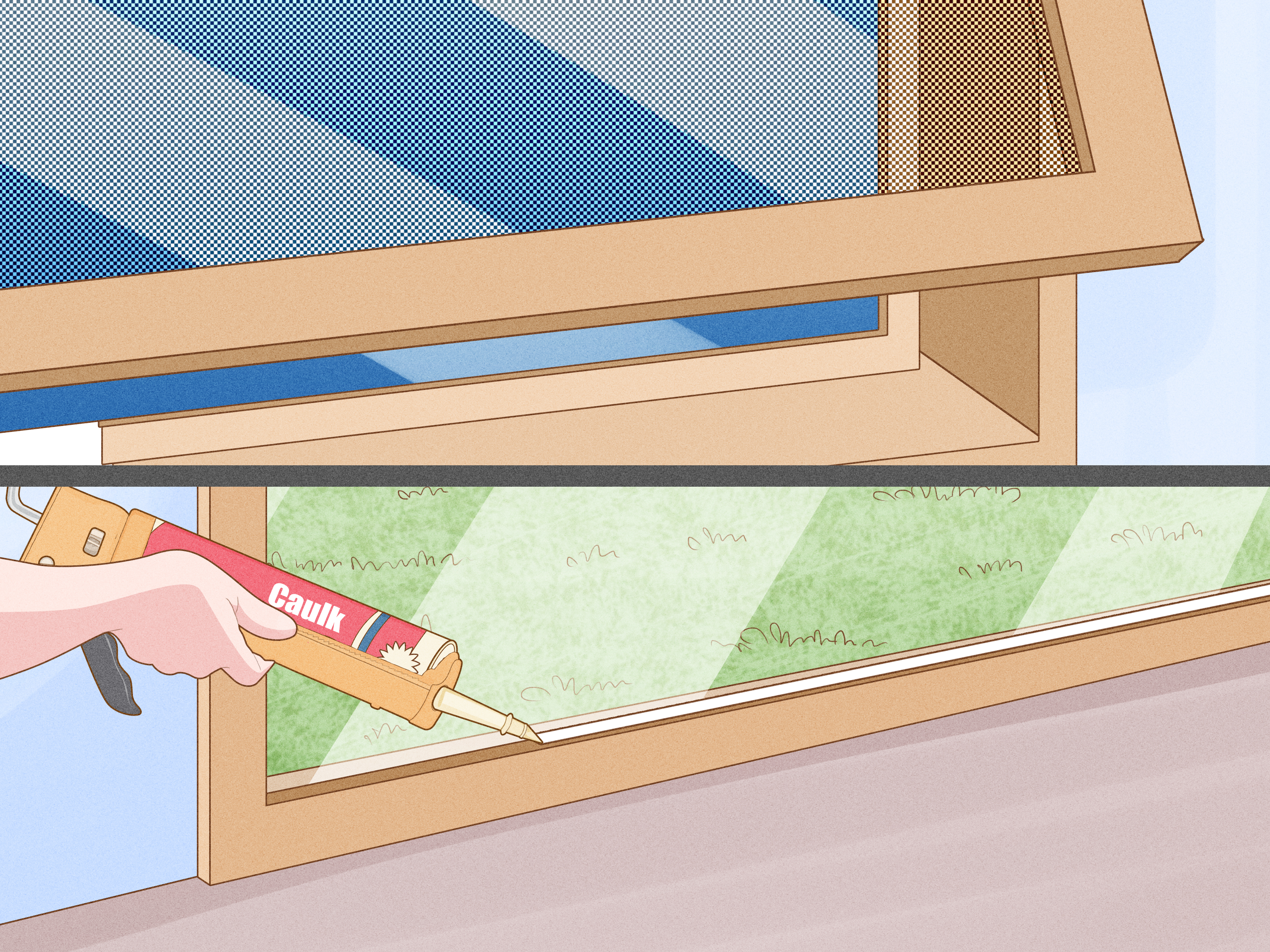
This is one of the most important long-term prevention steps. Caulk small cracks, repair torn screens, install tight door sweeps, and seal gaps around windows, utility lines, plumbing penetrations, soffits, and foundations. Pay special attention to sliding windows and doors, because small gaps there are common entry routes for insects and the lizards following them.
-
Step 13: Adjust outdoor lighting
Bright exterior lights attract flying insects, and flying insects attract geckos. Reduce unnecessary nighttime lighting near doors and windows. Consider bulbs that attract fewer insects, and place lights farther from entry points when possible. This does not eliminate every bug, but it can reduce the all-you-can-eat nightlife scene on your walls.
-
Step 14: Clean up the outside perimeter
Trim branches that touch the house, remove dense clutter near the foundation, and keep mulch, leaves, brush, and debris under control. Outdoor clutter gives insects and small animals places to hide near your home. The closer the hiding spots are to your walls, the easier it is for something to end up indoors.
-
Step 15: Call a pro if the problem keeps repeating
If you see lizards regularly, the issue is probably bigger than one accidental visitor. A pest professional can help identify the insect problem, locate hidden entry points, and recommend an integrated pest management plan. If you think the animal could be a protected native species or a lost pet gecko, local wildlife guidance may matter too.
What Not to Do
Do not rely on glue traps if your goal is humane removal
Sticky traps may catch lizards, but they are not humane. In practice, they can leave animals stuck, stressed, and unable to be released in good condition. If you want the lizard out without cruelty, use the container-and-cardboard method instead.
Do not toss mothballs around the house or yard
Mothballs are for specific labeled uses, not random reptile eviction duty. Using them in ways not listed on the label can be illegal and can expose people, pets, and the environment to unnecessary risk. In other words, this old household myth should retire immediately.
Do not spray indoor chemicals just because the lizard startled you
Indoor pesticide use should be specific, labeled, and aimed at the actual pest problem. If the lizard is only there because bugs are plentiful, spraying one reptile-shaped visitor does not solve the reason it arrived. Fix the bug problem and the moisture problem instead.
Do not release a pet lizard outdoors
If the lizard turns out to be someone’s escaped pet, do not release it into the wild. Pet reptiles often do poorly when released and can also create problems for local ecosystems. If you suspect it is a pet, contain it safely and contact local animal services or reptile rescue resources.
Why Humane Lizard Removal Works Better Than Panic
Humane removal is not just kinder. It is usually more effective. When you slow down, block off the room, and use a simple container, you reduce the chaos that makes lizards disappear into walls, vents, or clutter. A calm approach also helps you notice the real issue: why the lizard was there to begin with.
That is the biggest secret in house lizard control. The removal is the easy part. Prevention is what keeps you from repeating the same awkward meeting next week while holding a shoe in one hand and your dignity in the other.
Common Experiences People Have When Dealing with House Lizards
One very common experience happens in homes with bright porch lights. A homeowner starts noticing moths circling the light every night, then sees tiny geckos on the wall outside, and a week later spots one on the living room ceiling. At first it feels random, but it is usually a chain reaction: light attracts insects, insects attract lizards, and an unsealed door sweep or loose window frame provides the final invitation. Once the porch light schedule changes and the entry gaps are sealed, the sightings often drop fast.
Another common story involves kitchens and pet areas. People sometimes say, “I keep my house clean, so why do I still get lizards?” The answer is often that the problem is not obvious dirt. It is small, repeated opportunities: a pet bowl left out overnight, a few crumbs under the toaster, fruit ripening on the counter, a damp mat near the sink, or a slow plumbing drip under the cabinet. None of these seem dramatic on their own. Together, they support bugs, and bugs support lizards. Once households tighten food storage, remove standing water, and control the insect issue, the indoor lizard sightings usually become rare.
Renters in older apartments often deal with a slightly different version of the same problem. They remove one lizard successfully, then see another a few days later and assume the first one came back with a grudge. More often, the building has multiple entry points. Sliding windows, aging caulk, pipe penetrations under sinks, and gaps around baseboards can all let small pests move between indoors and outdoors. In these situations, people often feel like removal “doesn’t work,” when the truth is that removal worked fine for the first lizard. The building just keeps admitting replacements.
Families with toddlers or immune-compromised relatives often have a separate concern: germs. That worry is understandable. Even when a lizard looks harmless, people do not love the idea of reptile droppings near counters, pantries, or children’s spaces. What tends to help most is having a practical plan rather than a dramatic one: contain the lizard, remove it safely, clean the area thoroughly, keep reptiles out of kitchens and food-prep spaces, and wash hands after any contact with the animal or surfaces it used. People usually feel much more in control once they know the response steps.
There is also the emotional side, which nobody talks about enough. A lot of people are not terrified of lizards in theory, but become deeply unenthusiastic when one appears behind the bathroom mirror at 11:30 p.m. The surprise factor is real. That is why the best prevention methods tend to feel so satisfying. Once you repair screens, add door sweeps, cut down flying insects, and reduce moisture, you are not just controlling a pest issue. You are reclaiming the weird little moments of peace that belong to a normal evening at home.
And finally, many people discover something mildly annoying but useful: outdoor lizards are not always the enemy. In many yards, they help eat insects. The goal is not to launch a neighborhood-wide anti-lizard campaign. It is to keep them where they do their best work outside, rather than inside your pantry, bathroom, or bedroom wall. That shift in mindset usually leads to better results. You stop thinking only about chasing one lizard out and start thinking about how to make your home less attractive to the next one.
Final Thoughts
If you are wondering how to chase lizards out of your house, remember this: remove the current visitor calmly, then fix the reasons it showed up. That means fewer bugs, less moisture, better sealing, and smarter outdoor lighting. The simple container-and-cardboard method is often enough for immediate removal, while sanitation and exclusion do the heavy lifting for long-term prevention.
So yes, you can absolutely get lizards out of your house. You just do not need drama, bad internet myths, or enough bug spray to fumigate a football stadium. You need a plan that is practical, humane, and just annoying enough for the lizard to decide your home is no longer worth the trouble.