Let’s start with the honest version, not the “rub this mystery kitchen paste on your face at 2 a.m.” version: you cannot safely or permanently change the natural skin tone your genes gave you with homemade remedies. Your baseline complexion is largely determined by melanin, the pigment responsible for the color of your skin, hair, and eyes.
What you can do is help your skin look healthier, more even, brighter, and less affected by tanning, dark spots, acne marks, sun damage, or irritation. That is a far more realistic goal than trying to become several shades lighter because a social-media influencer held a lemon next to their cheek and called it science.
For many people searching for ways to get fair skin naturally, the real concern is uneven pigmentation: dullness, dark patches, post-acne marks, melasma, sunspots, or a tan that refuses to leave the group chat. The safest path is not aggressive bleaching. It is protecting your skin, treating the cause of discoloration, and choosing gentle, evidence-informed ingredients.
First, Redefine “Fair Skin” as Healthy, Even Skin
Skin color is not a problem to solve. Every complexion can be healthy, attractive, and well cared for. When people say they want “fair skin,” they often mean they want brighter-looking skin, fewer dark spots, smoother texture, or a more even complexion.
Hyperpigmentation is the medical term for areas of skin that become darker than your usual tone. It can happen after acne, insect bites, eczema, burns, injuries, hormonal changes, certain medications, or sun exposure. Melasma, for example, often creates brown or grayish patches on the cheeks, forehead, nose, and upper lip. It can be triggered or worsened by sunlight, heat, hormones, pregnancy, birth-control pills, and genetics.
The important distinction is this: treating uneven skin tone is not the same as trying to erase your natural skin color. Good skin care should support your skin barrier, not wage war against it.
Can Natural Remedies Make Skin Fairer?
Natural remedies may help skin look calmer, more hydrated, and less irritated. Some gentle ingredients can support a more even-looking complexion over time. However, most DIY remedies cannot dramatically lighten skin, erase deep pigmentation, or replace medical treatment for melasma, significant acne scarring, or suspicious spots.
In fact, some popular “natural” tricks can make pigmentation worse. Skin is a little like a cat: the harder you aggressively bother it, the more likely it is to react badly. Irritation can lead to inflammation, and inflammation can trigger more discoloration.
Natural options that may support healthier-looking skin
These options are not magic whitening treatments, but they may help improve the appearance of dull or uneven skin when used sensibly.
1. Aloe vera for soothing irritation
Pure aloe vera gel can feel calming on mildly irritated or sun-exposed skin. It may help support hydration and reduce the urge to scratch, pick, or over-treat your skin. That matters because irritated skin can leave behind darker marks, especially in people prone to post-inflammatory hyperpigmentation.
Choose a simple, fragrance-free aloe gel when possible. “Aloe” products loaded with alcohol, fragrance, glitter, or twenty-seven tropical fruit extracts are less likely to be your skin’s peaceful retreat.
2. Oatmeal for a calmer skin barrier
Colloidal oatmeal is widely used in gentle skin-care products because it can help soothe dry, itchy, or irritated skin. While it will not bleach dark spots, reducing irritation can help prevent new discoloration caused by scratching, dryness, or inflammation.
An unscented oatmeal-based moisturizer or a lukewarm oatmeal bath can be kinder to reactive skin than abrasive scrubs, harsh soaps, or DIY acid experiments from the kitchen cabinet.
3. Green tea as a gentle antioxidant addition
Green tea contains antioxidant compounds, and some skin-care products include green tea extract for its calming and protective potential. It may be a pleasant addition to a simple routine, especially for people who enjoy lightweight serums or soothing moisturizers.
Still, drinking green tea or placing chilled tea bags on your face will not transform your inherited skin tone. Think of green tea as a supporting actor, not the lead character in a dramatic skin-lightening makeover.
4. A balanced diet and adequate sleep
Eating enough protein, fruits, vegetables, whole grains, and healthy fats supports overall health, including skin function. Hydration also helps your skin look less dry and tired. Sleep is not a skin-lightening treatment, but chronic poor sleep can make the under-eye area look darker and the face look duller.
In other words, a good night’s sleep will not turn you into a porcelain doll, but it may help you look less like you negotiated with a spreadsheet until 3 a.m.
The Most Effective “Natural” Step: Daily Sun Protection
If your goal is brighter-looking skin, fewer dark spots, or a more even complexion, sunscreen is more important than any fruit mask, rice-water trend, or secret family remedy from a comment section.
Ultraviolet light stimulates melanin production. That means sun exposure can deepen existing dark spots, worsen melasma, make acne marks linger longer, and create new uneven patches. Even on cloudy days, UV exposure can contribute to pigmentation changes.
Use a broad-spectrum sunscreen with SPF 30 or higher every morning on exposed skin. Broad-spectrum means it protects against both UVA and UVB rays. Reapply when you spend extended time outdoors, especially after sweating, swimming, or towel-drying.
How to make sunscreen work harder for uneven skin tone
- Apply sunscreen generously to the face, neck, ears, chest, and backs of the hands.
- Use a wide-brimmed hat when possible, especially during long outdoor activities.
- Seek shade during intense midday sunlight.
- Consider a tinted sunscreen containing iron oxides if you are prone to melasma or visible-light-related darkening.
- Do not use sunscreen as permission to roast in the sun all afternoon like a human rotisserie chicken.
Sun protection does not just help prevent skin cancer and premature aging. It is also one of the most practical ways to stop dark spots from getting darker while you treat them.
Skin-Care Ingredients That Can Help Even Out Skin Tone
Some ingredients are more reliable than homemade remedies because they are studied, formulated for skin use, and easier to apply consistently. The key is to introduce them slowly. More products do not automatically mean better skin. Sometimes they mean an irritated face and an expensive bathroom shelf.
Vitamin C
Topical vitamin C is an antioxidant that may help brighten the look of skin and reduce the appearance of certain dark spots over time. It is often used in morning routines before moisturizer and sunscreen. Results tend to be gradual, so consistency matters more than buying the loudest orange bottle in the store.
People with sensitive skin may do better with a lower-strength formula or a gentler vitamin C derivative. If stinging, burning, redness, or peeling develops, stop using it and simplify your routine.
Niacinamide
Niacinamide, also known as vitamin B3, is a popular ingredient for uneven tone, dullness, excess oil, and skin-barrier support. It is generally well tolerated and can be useful for people who want a gentle option for improving the appearance of dark spots and post-acne marks.
Many people use niacinamide once or twice daily, but there is no prize for using it in every product you own. A straightforward serum or moisturizer is enough.
Azelaic acid
Azelaic acid can be helpful for acne, redness, and uneven pigmentation. It is often recommended for people dealing with post-acne dark marks or melasma-related discoloration. Because it can cause mild tingling or dryness at first, begin a few times per week and increase use gradually if your skin tolerates it.
Retinoids
Retinoids can help with acne, texture, fine lines, and uneven pigmentation by supporting skin-cell turnover. However, they can also be irritating, especially if used too often or combined with strong exfoliating acids.
Start slowly, use a pea-sized amount, and moisturize well. Pregnant or breastfeeding people should speak with a qualified clinician before using retinoids.
Gentle exfoliating acids
Ingredients such as glycolic acid, lactic acid, and salicylic acid may help improve texture and fade superficial dark marks. But aggressive exfoliation can backfire. Over-scrubbing can damage the skin barrier and trigger inflammation, which may create even more pigmentation.
Use exfoliating products sparingly, especially if you already use retinoids, benzoyl peroxide, vitamin C, or prescription treatments.
Natural Remedies to Avoid for Skin Lightening
Some DIY methods are famous online because they are cheap, dramatic, and easy to film. Unfortunately, “viral” and “safe” are not identical twins.
Lemon juice
Lemon juice is acidic and can irritate the skin. Citrus exposure followed by sunlight may also cause a reaction known as phytophotodermatitis, which can leave redness, blistering, or darker patches afterward. That is the opposite of the glow-up most people had in mind.
Baking soda
Baking soda can disrupt the skin’s natural pH and contribute to dryness, irritation, and barrier damage. It belongs in cookies and refrigerator deodorizing missions, not in a facial treatment plan.
Toothpaste on dark spots or pimples
Toothpaste is formulated for teeth, not facial skin. It may contain ingredients that cause irritation, redness, dryness, or dark marks after inflammation.
Harsh scrubs and bleaching mixtures
Scrubbing with sugar, salt, coffee grounds, or rough brushes can create tiny injuries and inflammation. Strong bleaching creams purchased from unverified sellers may contain unsafe ingredients, including mercury or undeclared drug ingredients.
Why Unregulated Skin-Lightening Creams Can Be Dangerous
Be especially cautious with products marketed as “bleaching cream,” “whitening cream,” “instant fairness cream,” or “strong lightening treatment,” especially when they are sold without clear ingredient lists or medical guidance.
Some unsafe products have been found to contain mercury or high-strength hydroquinone. Mercury exposure can harm the kidneys and nervous system. Misused hydroquinone may lead to rashes, swelling, irritation, or a difficult-to-treat blue-black discoloration called ochronosis.
A product should not need to hide its ingredients like it is running from the police. Skip creams with vague labels, miracle promises, no manufacturer information, or claims that they can make you dramatically lighter in a few days.
A Simple Routine for Brighter, More Even-Looking Skin
You do not need a 14-step routine involving ancient moon water, a jade spoon, and a serum that costs more than your electricity bill. A simple routine is often more sustainable.
Morning routine
- Cleanse gently with a mild cleanser or rinse with water if your skin is dry.
- Apply a vitamin C or niacinamide product if your skin tolerates it.
- Use a fragrance-free moisturizer.
- Finish with broad-spectrum SPF 30 or higher.
Evening routine
- Remove sunscreen and makeup with a gentle cleanser.
- Apply one treatment product, such as azelaic acid, niacinamide, or a retinoid.
- Use moisturizer to support the skin barrier.
- Skip active ingredients if your skin feels stinging, flaky, raw, or irritated.
Introduce one new product at a time and patch test it first. Testing a small area for several days can help reduce the risk of discovering an allergy across your entire face on the morning of an important event.
When to See a Dermatologist
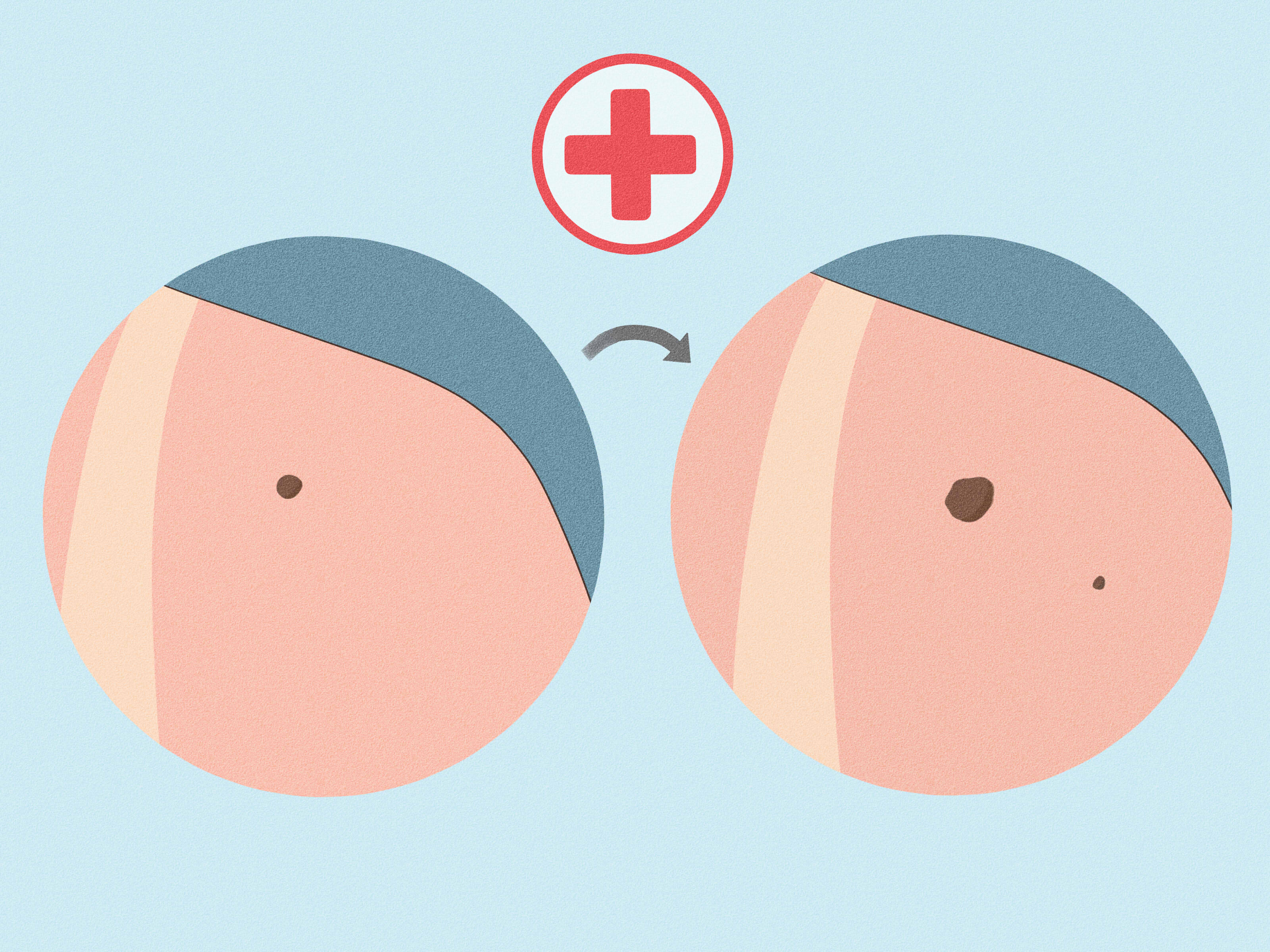
Home care can be useful for mild uneven tone, but some discoloration needs professional evaluation. See a dermatologist if you have a new or changing dark spot, a spot that bleeds or itches, sudden widespread pigmentation changes, severe acne marks, persistent melasma, or discoloration that does not improve after several months of consistent sun protection and gentle skin care.
A dermatologist can help identify the cause and recommend treatments such as prescription creams, chemical peels, acne treatment, laser therapy, or other procedures. Professional care is especially important for deeper pigmentation and for people with darker skin tones, because the wrong treatment can sometimes worsen discoloration.
Everyday Experiences With Brighter-Skin Routines
Most people do not wake up after three days of careful skin care looking like they have been digitally edited by a magazine cover team. The more realistic experience is quieter and slower: skin feels less tight, makeup goes on more evenly, old acne marks stop looking quite as dramatic, and the face begins to look more rested.
For example, someone who once used harsh scrubs every night may notice that their skin is less red and flaky after switching to a mild cleanser, moisturizer, and sunscreen. At first, they may worry that the routine feels too simple. There is no tingling, no burning, no dramatic peeling, and no sensation that the face is “working.” But calm skin is often a better sign than skin that feels like it is auditioning for a disaster movie.
Another common experience involves acne marks. A person may successfully clear active breakouts but still see brown or purple marks for weeks or months afterward. This can be frustrating because the acne is gone, yet the reminder remains. Treating acne early, resisting the urge to pick, and wearing sunscreen consistently may help prevent those marks from becoming darker and more stubborn.
People dealing with melasma often discover that prevention matters as much as treatment. They may use a serum faithfully but see little progress until they begin wearing sunscreen every day, using a hat outdoors, and avoiding prolonged intense sun exposure. The change is usually gradual rather than overnight, but the dark patches may become easier to manage when triggers are reduced.
There is also the experience of realizing that a “natural” remedy was not actually gentle. Someone may apply lemon juice, baking soda, or a rough homemade scrub because it seemed harmless and inexpensive. A few days later, their skin may sting, peel, or become darker in patches. The lesson is not that all natural ingredients are bad. It is that natural does not automatically mean skin-safe. Poison ivy is natural too, and nobody is blending it into a face mask.
Many people eventually find that the most helpful routine is not the most complicated one. A gentle cleanser, one treatment product, moisturizer, and sunscreen can be easier to follow than a cabinet full of trendy products. Consistency usually beats intensity. The goal is not to force skin into a different identity. The goal is to reduce preventable damage and let healthy skin look like itself on a good day.
It can also help to take monthly photos in similar lighting rather than judging your face every morning under harsh bathroom lights. Pigmentation changes slowly, and daily mirror checks can make normal progress feel invisible. Over several weeks, you may notice that your complexion looks more even, your dark marks are fading, and your skin feels more comfortable.
Healthy skin is not necessarily the palest skin, the smoothest skin, or the skin with zero visible pores. Healthy skin is skin that is protected, comfortable, and cared for in a way that suits your natural tone and your real life.
Final Thoughts
Natural remedies can support healthy-looking skin, but they cannot safely rewrite your genetics or turn your natural complexion into a dramatically lighter shade. The best approach to brighter, more even skin is boring in the most wonderful way: daily sunscreen, gentle cleansing, consistent moisturizer, careful use of proven ingredients, and patience.
Avoid harsh DIY acids, bleaching creams from questionable sellers, and anything that promises instant fairness. Your skin is not a wall that needs stripping and repainting. Treat it like the protective organ it is, and give it the time, consistency, and respect it deserves.