Your backyard does not need an Olympic-size pool, a celebrity landscape architect, or a suspiciously large home-improvement loan to feel extraordinary. Often, the best backyard updates come from solving ordinary annoyances: nowhere comfortable to sit, too much blazing sun, poor lighting, patchy grass, zero privacy, or a patio that has all the charm of a loading dock.
The smartest backyard makeover ideas combine hardscaping, plants, lighting, shade, storage, and comfortable furnishings. Dividing the yard into purposeful zones can also make even a modest space feel larger and more useful.
Whether you are planning a weekend refresh or a full outdoor transformation, these 30 unbelievable backyard update ideas offer practical inspiration for different budgets, climates, lot sizes, and DIY skill levels.
Create a Backyard That Feels Like an Outdoor Home
1. Divide the Yard Into Functional Zones
Stop treating the backyard as one giant rectangle of grass. Create separate areas for dining, cooking, lounging, gardening, and playing. A change in flooring, furniture arrangement, planting, or elevation can define each zone without building walls. Suddenly, the yard feels like several outdoor rooms instead of one confused lawn.
2. Build a Simple Gravel Patio
A gravel patio is one of the most affordable ways to create a usable seating area. Mark the space, remove weeds, install landscape fabric where appropriate, add edging, and spread compactable gravel or pea stone. Finish it with chairs, a small table, and containers. It looks intentional without requiring a masonry degree.
3. Refresh an Existing Concrete Slab
That plain gray patio is not a lost cause. Clean it thoroughly, repair cracks, and consider concrete stain, outdoor paint, deck tiles, or a weather-resistant rug. Add large planters around the perimeter to soften the edges. The result can look dramatically different without demolishing anythingor awakening the neighborhood with a jackhammer.
4. Install a Paver Path
A stepping-stone or paver path adds structure while guiding guests between the house, patio, garden, shed, and fire-pit area. Choose materials that complement the home’s exterior. For a relaxed appearance, leave small gaps for gravel or low-growing plants, provided the surface remains stable and safe for walking.
5. Add an Outdoor Rug
An outdoor rug visually anchors furniture and makes a patio feel more like a living room. It can disguise tired concrete, introduce color, and define a compact seating zone. Choose a rug made for outdoor exposure, allow it to dry after rain, and clean beneath it occasionally to prevent trapped moisture and grime.
6. Upgrade the Patio Furniture Layout
Buying new furniture is optional; arranging existing pieces intelligently is free. Pull chairs closer together for conversation, keep traffic routes open, and place side tables where people can actually reach them. A U-shaped or circular arrangement usually feels more sociable than seating lined up against a wall like nervous job candidates.
Add Shade, Privacy, and a Little Backyard Drama
7. Build or Install a Pergola
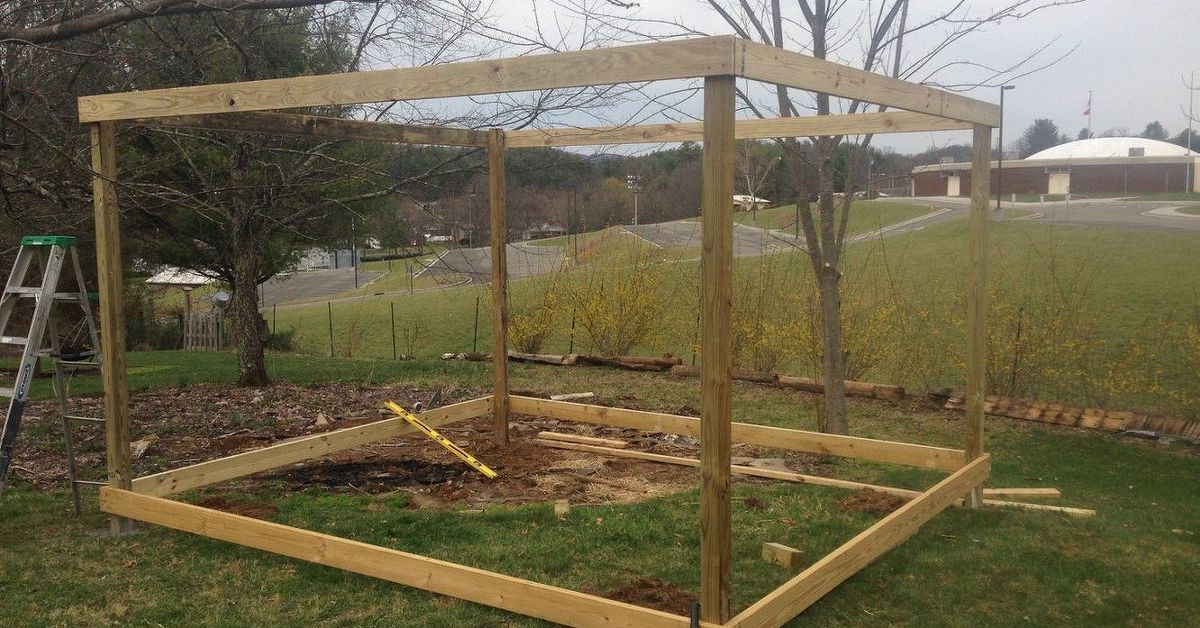
A pergola creates height, architectural interest, and partial shade over a patio or dining area. Wood provides a warm traditional look, while metal and vinyl options may require less maintenance. Add climbing vines, curtains, or a retractable canopy, but select structures and plants appropriate for local wind, weather, and growing conditions.
8. Hang a Shade Sail
A shade sail can cover a sunny sitting area without the cost of a permanent roof. The secret is proper installation: use strong attachment points, maintain enough slope for rainwater runoff, and tension the fabric correctly. A sagging sail full of rainwater is less “designer oasis” and more “backyard soup bowl.”
9. Create Privacy With a Slatted Screen
A horizontal or vertical slatted screen can hide neighboring windows, utility equipment, trash bins, or an unattractive fence. Leave small gaps so the structure feels airy rather than fortress-like. Paint it to match the house or stain it a natural wood tone, then add planters for a softer transition.
10. Grow a Living Privacy Wall
Use regionally appropriate shrubs, ornamental grasses, small trees, or climbing plants to create privacy naturally. Mix species instead of planting a single rigid row; varied heights and textures look more relaxed and may be more resilient. Always check mature plant sizes before installing a cute little shrub that eventually becomes Godzilla.
11. Turn a Fence Into a Feature
Clean and repaint a faded fence, attach decorative panels, hang weather-resistant art, or train vines along a trellis system. Repeating several identical planters can create a polished rhythm. Avoid overloading the fence with heavy objects unless its structure and fasteners can safely support them.
12. Create a Hidden Garden Nook
Place a bench, hanging chair, or pair of compact seats behind tall plantings or around a quiet corner. Add a small table for coffee and a path that suggests discovery. This secluded retreat becomes ideal for reading, relaxing, or pretending you cannot hear anyone asking where the garden hose is.
Bring the Backyard to Life With Plants
13. Replace Random Plants With Layered Beds
Organize planting beds by height: taller shrubs or grasses in back, medium perennials in the middle, and low ground covers near the edge. Repeat several plants throughout the bed to create cohesion. This approach looks calmer and more professional than buying one of everything during an emotionally charged garden-center visit.
14. Plant a Native Pollinator Garden
Native plants are generally adapted to regional soils and climate, while flowers with different shapes and bloom periods can support a wider variety of pollinators. Grouping the same species in clusters also makes flowers easier for pollinators to locate and use.
15. Build Raised Garden Beds
Raised beds make vegetables, herbs, and flowers easier to organize and can improve access for gardeners who dislike kneeling in mud. Position food gardens where they receive suitable sunlight and have convenient access to water. Leave enough room between beds for walking, tools, and the inevitable wheelbarrow traffic jam.
16. Start a Container Garden
Containers deliver instant color and are useful on patios, decks, balconies, or rented properties. Combine a tall focal plant, medium fillers, and trailing plants, but make sure every selection has similar light and moisture needs. Large containers usually dry out more slowly and create a stronger visual impact than dozens of tiny pots.
17. Install a Vertical Garden
Use wall-mounted planters, freestanding towers, trellises, or pocket systems to grow upward when ground space is limited. Herbs, compact vegetables, succulents, and trailing ornamentals are popular choices, depending on climate and sunlight. Vertical gardens also disguise blank walls and turn narrow side yards into useful growing areas.
18. Create a Rain Garden
A rain garden is a shallow planted depression that receives runoff from roofs, driveways, or other hard surfaces and allows water to soak into the ground. When properly located and planted, it can reduce runoff, help filter pollutants, and provide habitat for wildlife.
Make Evenings More Comfortable and Entertaining
19. Layer the Outdoor Lighting
Combine overhead string lights, path lights, wall fixtures, and small table lamps rather than relying on one blinding floodlight. Warm, downward-directed lighting generally creates a more comfortable atmosphere and helps illuminate steps and routes. Place lights intentionally; your goal is ambiance, not an airport runway behind the hydrangeas.
20. Highlight a Favorite Tree
A carefully positioned landscape light can transform a mature tree into a nighttime focal point. Lighting can emphasize interesting bark, branching, or foliage, but avoid excessive brightness and glare. Use outdoor-rated fixtures, protect wiring, and follow applicable electrical codes, especially around wet areas and irrigation systems.
21. Create a Fire-Pit Lounge
Arrange durable seating around a contained fire pit to create a natural gathering spot. Check local rules, burn restrictions, manufacturer clearances, and surface requirements before installation. NFPA guidance recommends active supervision, keeping children and pets away, and maintaining clearance between contained fires and combustible materials.
22. Build a Backyard Movie Area
A portable projector, outdoor screen, speakers, blankets, and snack table can turn an ordinary lawn into a private cinema. Position the screen away from competing lights and protect electronics from moisture. Add low pathway lighting so guests can find the popcorn without recreating an action sequence in the flower beds.
23. Add an Outdoor Dining Space
Place the dining table near the kitchen when possible so carrying dishes does not become an endurance sport. Provide shade during the day and gentle lighting at night. Use washable textiles and leave adequate clearance around chairs. A serving cart can function as a drink station, prep surface, and storage unit.
24. Create a Compact Outdoor Bar
A fold-down wall shelf, rolling cart, converted potting bench, or narrow counter can become a backyard beverage station. Include hooks, covered storage, and a container for ice. Keep electrical appliances and glassware protected from weather, and design the bar so it can serve multiple purposes between social gatherings.
Add Comfort, Character, and Low-Maintenance Features
25. Introduce a Small Water Feature
A recirculating fountain, bubbling urn, or compact pond can soften neighborhood noise and provide a calming focal point. Place it where the sound is audible from the primary seating area. Follow maintenance instructions, manage standing water responsibly, and choose a design that can be cleaned without dismantling half the backyard.
26. Reduce the Amount of Thirsty Lawn
Keep turf where it serves a purpose, such as recreation, pets, or visual breathing room, and replace difficult sections with planting beds, paths, gravel, ground covers, or patios. Water-smart landscaping often uses regionally appropriate plants, mulch, efficient irrigation, and limited functional turf.
27. Install Drip Irrigation
Drip irrigation delivers water close to plant roots and can simplify the care of beds and containers. Group plants with similar watering needs, inspect lines for leaks or clogs, and adjust the schedule seasonally. Automation is helpful, but it is not permission to forget the system exists until your patio becomes a swamp.
28. Add Built-In Storage Seating
A storage bench provides seating while hiding cushions, toys, garden tools, or outdoor games. Choose a model designed to resist moisture, or build one using appropriate exterior materials and drainage details. Keeping clutter contained makes a small backyard appear noticeably larger and saves everyone from tripping over rogue badminton equipment.
29. Paint a Shed or Outbuilding
A freshly painted shed can become a charming focal point instead of a large wooden apology. Coordinate its colors with the house, add window boxes, update the hardware, and install a path leading to the door. Before decorating, repair roof leaks, rot, unstable steps, and other structural issues.
30. Choose One Memorable Focal Point
Complete the makeover with one feature that gives the yard personality: a sculptural bench, specimen tree, colorful mural, oversized planter, modern fountain, arbor, or dramatic fire-pit area. Resist adding five competing showpieces. A focal point should command attention, not start an argument with every object around it.
Experience-Based Lessons From Real Backyard Updates
One of the most common experiences in backyard renovation is discovering that the glamorous part comes last. Homeowners often begin by shopping for string lights, pillows, and fire pits, only to realize that drainage, grading, weeds, cracked surfaces, and inconvenient traffic routes are the issues actually controlling the yard. The less exciting work may not photograph well, but it prevents the beautiful additions from becoming expensive temporary decorations.
Consider a typical compact suburban backyard with a concrete slab, a patchy lawn, and a fence visible from every seat. Buying a large sectional immediately might seem like progress. In practice, the sectional can overwhelm the patio and block the route to the garden. A better sequence is to measure the space, map the natural walking paths, and test the layout with inexpensive folding chairs. Once the circulation works, appropriately scaled furniture becomes a confident purchase rather than a very large return-shipping problem.
Another repeated lesson is that backyard updates feel more successful when they solve several problems at once. A pergola can provide shade, define a dining zone, support lighting, and carry climbing plants. A raised bed can grow herbs while forming the edge of a patio. A privacy screen can conceal trash bins while supporting planters. Multipurpose features are especially valuable in small yards because every square foot already has a demanding job description.
Planting projects also reward patience. New shrubs and perennials can look underwhelming during their first season, tempting homeowners to crowd the empty spaces with additional plants. Two years later, the garden may resemble a botanical traffic jam. Planning around mature sizes and using temporary annuals or mulch to fill early gaps usually produces a healthier, easier-to-maintain landscape.
Budget makeovers tend to work best when completed in visible stages. Start with cleanup, pruning, edging, and pressure washing. Next, establish one functional zone, such as a gravel seating area. Then add plants, lighting, and accessories. Each phase creates a noticeable improvement and allows the next decision to respond to how the space is actually being used.
Lighting offers another useful reality check. More fixtures do not automatically create a better backyard. A few carefully placed lights along a path, under a pergola, and near a focal plant often create more atmosphere than one giant security light bleaching the entire property. Testing temporary solar lights before installing permanent fixtures can reveal where illumination is genuinely needed.
Finally, the most satisfying backyard is rarely the one that follows every trend. It is the one that supports real habits. A household that eats outdoors needs a practical table near the kitchen. A gardener needs water access and tool storage. A family with children may value open lawn more than elaborate planting beds. Design for the life that already happens at home, then make it prettier. That strategy may sound less dramatic than “build a luxury resort,” but it produces a backyard people continue using after the novelty wears off.
Conclusion
An unbelievable backyard update is not defined by its price tag. It is defined by how effectively the space becomes more comfortable, attractive, functional, and personal. Begin with a plan, correct practical problems, and choose improvements that support the way you live. A small patio, better lighting, layered plants, useful shade, or one private seating nook can completely change how the entire property feels.
You do not need to complete all 30 ideas. Choose one project that fixes the backyard’s biggest weakness and finish it well. Once that improvement starts working, the next step will be much easier to recognize. Great outdoor spaces usually grow graduallyone path, planter, chair, and mildly overambitious weekend at a time.
Note: Before digging, building, wiring, changing drainage, installing a fire feature, or adding a permanent structure, confirm utility locations, permits, property boundaries, HOA requirements, manufacturer instructions, and local building and fire regulations.