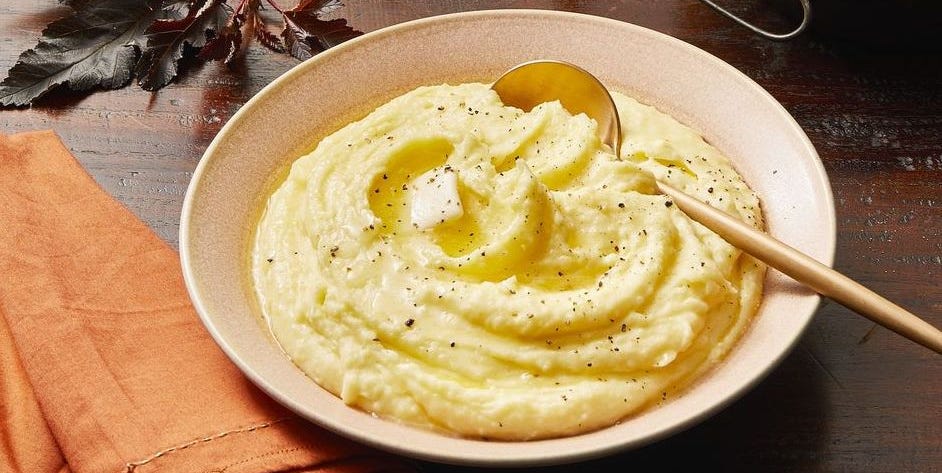
Mashed potatoes are the diplomatic genius of the dinner table. They get along with roast chicken, meatloaf, turkey, steak, vegetables, gravy, and even the person who insists that every family recipe needs “just one more stick of butter.” Better still, homemade mashed potatoes require only a few basic ingredients, yet they can taste wildly different depending on the potato, dairy, seasoning, and mashing method you choose.
This guide starts with a reliable classic mashed potato recipe, then shows you how to turn it into garlicky, cheesy, tangy, herby, dairy-free, or fully loaded versions. You will also learn why some potatoes become fluffy while others turn creamy, how to avoid a gummy texture, and how to rescue a batch that did not behave. Potatoes are humble, but they do have standards.
What Makes Great Mashed Potatoes?
The best mashed potatoes balance four qualities: a tender texture, enough richness, complete seasoning, and the right amount of moisture. They should hold a soft mound on a spoon without feeling dry, watery, or strangely elastic.
Choose the Right Potato
Russet potatoes are high in starch and relatively low in moisture, so they break apart easily and produce light, fluffy mashed potatoes. Yukon Gold potatoes have a naturally buttery flavor, golden color, and denser, creamier texture. For an easy all-purpose mash, use equal parts Russets and Yukon Golds. The Russets bring the cloud; the Yukons bring the velvet.
Red potatoes and other waxy varieties can be mashed, especially with the skins left on, but they hold their shape more firmly. They are best for rustic, chunky potatoes rather than an ultra-smooth purée.
Use Warm Butter and Dairy
Cold milk cools the potatoes and can make the mixture harder to blend. Warm milk, half-and-half, or cream slips into the hot potatoes more easily. Adding melted butter before the liquid dairy is especially helpful because the fat coats some of the starch, reducing the amount of aggressive stirring needed later.
Do Not Overwork the Potatoes
Cooked potato cells release starch when they are crushed. A reasonable amount creates body; too much creates paste. A potato ricer or food mill makes the smoothest, fluffiest result with minimal handling. A handheld masher is ideal for a home-style texture. A food processor is fast, but it can turn potatoes into wallpaper adhesive before you have time to say, “Well, that seems unfortunate.”
Easy Classic Mashed Potato Recipe
This flexible recipe serves six to eight people as a side dish. Use whole milk for everyday mashed potatoes, half-and-half for extra creaminess, or heavy cream when the occasion calls for unapologetic luxury.
Ingredients
- 3 pounds potatoes, preferably Russets, Yukon Golds, or a mixture
- 1 tablespoon kosher salt for the cooking water, plus more to taste
- 8 tablespoons unsalted butter, divided
- 3/4 to 1 cup whole milk, half-and-half, or heavy cream
- 1/2 teaspoon freshly ground black pepper
- Optional: chopped chives, parsley, or an extra pat of butter for serving
Step-by-Step Instructions
- Prepare the potatoes. Peel the Russets. Yukon Gold skins are thin, so you may peel them or leave some on for a rustic finish. Cut all potatoes into evenly sized 1 1/2-inch chunks.
- Start with cold water. Place the potatoes in a large pot and cover them with cold water by about one inch. Add the salt. Starting cold helps the centers and exteriors cook at a similar rate.
- Simmer gently. Bring the water to a boil, then reduce the heat to a steady simmer. Cook for about 15 to 20 minutes, or until a knife slides through the largest pieces without resistance.
- Drain and dry. Drain thoroughly, return the potatoes to the warm pot, and set it over low heat for one to two minutes. Shake or stir gently so excess steam escapes. This step prevents watery mashed potatoes.
- Warm the dairy. While the potatoes cook, heat the milk and six tablespoons of butter in a small saucepan or microwave-safe measuring cup until the butter melts. Do not boil the mixture.
- Mash. Pass the potatoes through a ricer, process them through a food mill, or mash them by hand. Stop as soon as no large lumps remain.
- Add butter, then dairy. Stir in the remaining two tablespoons of butter first. Gradually fold in the warm milk mixture until the potatoes reach your preferred consistency.
- Season and serve. Add pepper and more salt as needed. Transfer to a warm serving bowl and finish with chives, parsley, or butter.
Seven Easy Mashed Potato Ideas
1. Roasted Garlic Mashed Potatoes
Slice the top from one whole head of garlic, drizzle it with olive oil, wrap it in foil, and roast at 400°F for 35 to 45 minutes. Squeeze the soft cloves into the finished potatoes and fold gently. Roasted garlic tastes mellow, sweet, and nutty rather than sharp, making this variation excellent with roast beef, chicken, or mushrooms.
2. Sour Cream and Chive Mashed Potatoes
Replace about one-third of the milk with sour cream and add two tablespoons of chopped fresh chives. The sour cream brings tang and helps the potatoes stay rich without relying entirely on heavy cream. Add a little garlic powder for baked-potato flavor without peeling another clove.
3. Cheddar and Bacon Mashed Potatoes
Fold one cup of shredded sharp cheddar and six slices of crisp, crumbled bacon into hot mashed potatoes. Reserve a little of each for the top. This is not a shy side dish. It pairs best with simple proteins, such as grilled chicken or pork chops, because the potatoes have already arrived wearing the culinary equivalent of a sequined jacket.
4. Buttermilk Herb Mashed Potatoes
Use warm buttermilk instead of regular milk and add chopped parsley, dill, or thyme. Because buttermilk can separate if boiled, warm it gently. Its bright acidity cuts through rich holiday meals and works especially well with fried chicken, turkey, and pan gravy.
5. Olive Oil Mashed Potatoes
For a dairy-free version, use fruity extra-virgin olive oil and warm vegetable broth. Start with one-third cup of oil and add more as needed. Roasted garlic, rosemary, lemon zest, or sautéed scallions provide additional flavor. The result is silky and savory rather than buttery, and it works beautifully with Mediterranean-inspired meals.
6. Brown Butter and Sage Mashed Potatoes
Melt eight tablespoons of butter in a light-colored skillet and cook until the milk solids turn golden brown and smell nutty. Add eight fresh sage leaves for the final minute. Remove the crisp leaves, stir most of the brown butter into the potatoes, and use the rest on top. This version tastes impressive but requires only one extra pan and a watchful eye.
7. Loaded Baked-Potato Mash
Leave some Yukon Gold skins on, then add sour cream, shredded cheddar, scallions, bacon, and black pepper. For a party-friendly presentation, spoon the mixture into a baking dish, sprinkle with cheese, and bake until hot and lightly browned. It is mashed potatoes pretending to be a casserole, and nobody needs to expose the disguise.
Fast Methods for Busy Cooks
Instant Pot Mashed Potatoes
Add three pounds of evenly cut potatoes, one cup of water, and one teaspoon of salt to the pressure cooker. Cook at high pressure for about eight minutes, then release the pressure carefully. Drain any excess liquid, mash, and add warm butter and dairy. This method is useful when every stovetop burner is occupied.
Slow-Cooker Mashed Potatoes
Place cut potatoes in a greased slow cooker with a small amount of broth, milk, or cream. Cook on high for about four hours or on low until very tender. Mash directly in the cooker, then add butter and warm dairy. Switch to the warm setting for serving, stirring occasionally and adding a splash of milk if the edges begin to dry.
Skin-On Weeknight Mashed Potatoes
Scrub small Yukon Gold potatoes, cut them into chunks, and leave the skins intact. Boil, drain, and mash with butter, warm milk, salt, and pepper. Skipping the peeling saves time and creates a hearty texture that feels intentional rather than unfinished.
How to Fix Common Mashed Potato Problems
Why Are My Mashed Potatoes Gummy?
They were probably overmixed or processed with a blade. Stop stirring immediately. You cannot fully reverse the starch development, but you can spread the potatoes in a baking dish, top them with butter and cheese, and bake until browned. Call it a potato casserole. Confidence is an ingredient.
Why Are They Watery?
Excess cooking water may still be in the potatoes, or too much milk was added at once. Cook the mixture over low heat, stirring gently, to evaporate moisture. Alternatively, fold in a small amount of instant potato flakes. Add liquid gradually next time; potatoes can always accept more, but they are terrible at returning it.
Why Are They Dry or Crumbly?
Warm additional milk and butter, then fold them in a little at a time. Dry potatoes often need more fat as well as more liquid. If you used only Russets, adding sour cream or cream cheese can create a smoother, more cohesive texture.
Why Do They Taste Bland?
Potatoes absorb a surprising amount of seasoning. Salt the cooking water, season the dairy, and taste again before serving. Black pepper, roasted garlic, chives, Parmesan, or a spoonful of sour cream can add depth, but salt usually solves the central problem.
Make-Ahead, Storage, and Reheating Tips
Mashed potatoes can be made ahead successfully when they contain enough butter and dairy. Prepare them slightly looser than usual, transfer them to a covered baking dish, and refrigerate promptly. To reheat, add a few pats of butter and a splash of milk or cream, cover, and warm in a 350°F oven until hot. Stir once or twice without beating.
For smaller portions, reheat on the stovetop over low heat or use the microwave at reduced power, stirring between intervals. Refrigerated mashed potatoes usually thicken, so expect to add liquid. Reheat leftovers thoroughly, and do not leave a large serving bowl sitting at room temperature for an extended period.
Leftover mashed potatoes are useful far beyond the microwave. Mix them with egg, flour, cheese, and scallions for potato pancakes; spoon them over a meat-and-vegetable filling for shepherd’s pie; shape them into croquettes; or use them to thicken soup. Yesterday’s side dish can have a very respectable second career.
What to Serve With Mashed Potatoes
Classic mashed potatoes are ideal with roast turkey, pot roast, meatloaf, Salisbury steak, pork tenderloin, fried chicken, or beef stew. Garlic or olive oil versions complement salmon, roasted vegetables, and mushrooms. Cheddar-bacon potatoes pair well with grilled meats and casual game-day menus, while buttermilk-herb potatoes balance richer dishes.
For the plate to feel complete, add something crisp or fresh. Green beans, roasted broccoli, glazed carrots, a sharp cabbage slaw, or a simple salad provides contrast. Otherwise, dinner can become fifty shades of beigecomforting, certainly, but not especially photogenic.
Kitchen Experiences That Make Mashed Potatoes Better
The biggest lesson from making mashed potatoes repeatedly is that the recipe matters less than the sequence. Early attempts often involve throwing cold butter, cold milk, and hot potatoes into one bowl, then attacking everything with an electric mixer. The potatoes may look smooth for ten glorious seconds before tightening into a stretchy mass. Once that happens, more mixing only makes the situation worse.
A calmer method produces a better bowl. Cut the potatoes evenly, cook them gently, and test the largest piece rather than the smallest. A tiny cube may be tender while a larger chunk still has a firm center. When undercooked potatoes are mashed, those centers become stubborn lumps that no amount of polite persuasion will remove.
Drying the potatoes after draining is another small step with a large payoff. The first time you return drained potatoes to the warm pot, you can actually see steam leaving the surface. After a minute, the edges look drier and slightly chalky. That is good news: less water in the potato means more room for flavorful butter and milk. It is the culinary version of clearing closet space before buying something better.
Serving temperature also changes the experience. Mashed potatoes cool quickly, especially in a wide, cold bowl. Warming the serving dish with hot water, then drying it before adding the potatoes, buys valuable time. Covering the bowl loosely with foil also helps when the roast is resting or the gravy is staging a last-minute rebellion.
Different crowds prefer different textures. At a holiday dinner, a ricer creates the smooth, airy potatoes people expect under gravy. At a weeknight meal, a handheld masher is faster, easier to wash, and leaves a few pleasant lumps. For a backyard dinner, skin-on Yukon Gold potatoes with cheddar and scallions feel more relaxed and stand up well beside grilled food.
Flavor additions work best when they have a clear purpose. Roasted garlic brings sweetness; sour cream brings tang; Parmesan brings salt and savory depth; browned butter brings nuttiness; herbs bring freshness. Adding all of them at once does not create sophistication. It creates a potato identity crisis. Choose one main direction and support it with one or two accents.
It also helps to keep extra warm dairy nearby. Potatoes do not absorb the same amount every time because variety, age, cooking method, and moisture content vary. A recipe’s measurement is a starting point, not a court order. Add liquid gradually, stop when the mash is soft and spoonable, and remember that it will firm slightly as it sits.
Finally, taste the potatoes at the table’s serving temperature. Heat can mute seasoning, while cooling makes salt and tang more noticeable. Taste once in the pot, again in the serving bowl, and make the final adjustment before adding the garnish. That last pinch of salt or spoonful of butter is often the difference between “perfectly fine” and “who made these potatoes?”which is the correct level of attention mashed potatoes deserve.
Conclusion
Easy mashed potato recipes begin with a dependable foundation: the right potatoes, evenly sized pieces, salted water, thorough draining, gentle mashing, warm butter, and gradually added dairy. From there, the dish can go in almost any direction. Keep it classic for gravy, add roasted garlic for depth, use buttermilk for tang, fold in cheddar and bacon for comfort-food drama, or choose olive oil and broth for a flavorful dairy-free version.
The best method is the one that delivers the texture your table enjoys. Use a ricer for smooth, elegant potatoes or a handheld masher for a rustic bowl with character. Work gently, season confidently, and keep an extra splash of warm milk nearby. Mashed potatoes may be a side dish, but they have never understood the concept of a supporting role.
Note: This publish-ready article synthesizes established cooking methods and food-safety guidance from leading U.S. culinary publications and authoritative resources. External links and unnecessary reference markers have been intentionally omitted to keep the HTML clean.