Most candles begin their lives inside a predictable mold or glass jar. Le Feu de L’Eau takes a more dramatic route: hot wax, cold water uncertainty to make every finished candle different. It is candle making with the temperament of abstract artand a name that translates to “The Fire of Water.”
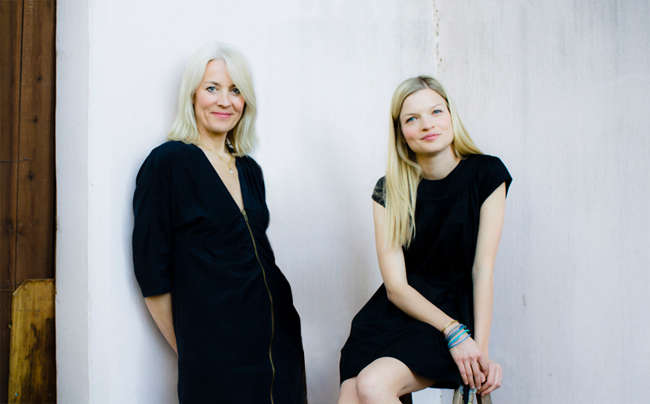
Founded in Los Angeles by artist and designer Wendy Polish and makeup artist Jo Strettell, the artisan candle studio has built its identity around sculptural wax vessels formed underwater. The result is not merely a scented candle but a miniature landscape: rippled, layered, irregular, and impossible to reproduce exactly. In a home-fragrance market crowded with minimalist jars, these handmade candles from LA arrive looking as though a canyon, seashell, and lava flow agreed to become home decor.
The Story Behind Le Feu de L’Eau
The origins of Le Feu de L’Eau reach back decades before the company officially launched. Polish grew up watching her inventor father experiment with candle making in water. Beginning in the late 1960s, he poured heated wax along a wick into containers filled with water. As the wax met the colder liquid, it twisted, spread, hardened, and formed surprising shapes. He called the creations “fantasy candles,” which is a much friendlier name than “wax experiment conducted in a trash can.”
Polish later refined the technique and connected it to her interest in spontaneous, process-driven art. Instead of controlling every contour, the maker collaborates with temperature, movement, gravity, and water pressure. That philosophy became the foundation of Le Feu de L’Eau when Polish partnered with longtime friend Strettell in 2012.
The partnership made creative sense. Polish brought experience in illustration, art, and design, while Strettell contributed a sophisticated understanding of color, beauty, photography, and atmosphere. Together, they approached scented candles as multisensory compositions rather than fragrance delivery devices with wicks.
How Fire-and-Ice Candles Are Made
Water Becomes the Mold
The signature Le Feu de L’Eau process does not rely on a conventional rigid mold. Instead, water shapes the exterior wax vessel. Heated wax and eco-conscious dyes are introduced underwater, where motion and temperature influence the candle’s final texture and silhouette.
The makers pull and manipulate the wax through the water as it begins to cool. Some sections form smooth waves; others become craggy, marbled, folded, or gently striated. Small changes in water temperature, pressure, studio conditions, and hand movement can alter the outcome. Even the weather may affect a batch, which gives Mother Nature a tiny, unofficial seat in the production department.
Once the sculptural exterior is ready, the vessel is filled and wicked by hand. The company’s current artisanal collection uses a coconut-apricot wax blend and lead-free cotton wicks. The exterior is made from a higher-temperature wax designed to recede more slowly than the scented wax inside.
No Two Candles Are Identical
Because the water is active rather than fixed, exact repetition is practically impossible. Two candles in the same color family may share a general palette, but their ripples, bands, edges, and markings will differ. Slight irregularities are not defects; they are evidence of the handmade process.
That individuality gives each candle the visual presence of a small art object. A machine-made container usually aims for flawless sameness. These sculptural candles celebrate controlled imperfectionthe attractive kind, not the “my shelf is leaning and I hope nobody notices” kind.
Where Color, Art, and Fragrance Meet
Le Feu de L’Eau is especially interesting because fragrance does not appear to be developed in isolation. The founders historically began with a color, mood, or group of visual references. Inspiration boards brought together fashion, photography, paintings, textiles, architecture, beauty imagery, and natural textures. A custom fragrance could then be developed to express that visual atmosphere in scent.
This approach explains why the candles feel more like characters than generic fragrance categories. Early designs included midnight-blue wax paired with black and red currant, ivory associated with patchouli and amber, gray matched with smoke and musk, and chartreuse interpreted through frankincense and cedar.
The current collection continues to organize scents through evocative color names such as Ivoire, Gris, Citron, Chartreuse, Vert, Ciel, Nuit, Violet, Marron, Fleur, Petale, and Rouge. Shoppers can also find selected fragrances in more traditional glass vessels, allowing them to choose between the full sculptural statement and a simpler format.
The Garden Collection
The brand has also explored botanical home fragrance through a collaboration with garden designer Lauri Kranz of Edible Gardens LA. The Garden Collection draws inspiration from herbs, leaves, flowers, and plants, with options such as Cardamom, Citrus Geranium, and Lemongrass Rosemary.
These combinations suit people who want a home to smell fresh and layered without resembling a candy shop that has lost adult supervision. Herbal and citrus notes can work particularly well in kitchens, entryways, breakfast areas, and rooms filled with natural materials.
Why These Handmade Candles Feel So Los Angeles
Los Angeles has long encouraged unusual collaborations among art, beauty, fashion, film, architecture, food, and wellness. Le Feu de L’Eau fits naturally into that creative ecosystem. The candles combine an artist’s respect for process, a makeup professional’s eye for color, a perfumer’s interest in atmosphere, and a designer’s awareness of how an object behaves in a room.
The studio’s California production also remains intentionally hands-on. According to the company, its sculptural wax vessels are crafted in an Atascadero studio on the Central Coast, while candles are poured in small batches and shipped from a Van Nuys workspace. The brand says it works with local vendors, reuses wax scraps, and incorporates recycled packaging as part of its sustainability efforts.
That small-studio model matters. Handmade candles from LA are not automatically superior simply because someone poured them while wearing an excellent linen apron. What distinguishes this company is the way its production method visibly affects the finished object. The human labor is not hidden; it is written into every ridge and swirl.
Are Sculptural Candles Worth the Investment?
A Le Feu de L’Eau candle costs more than a basic supermarket candle because it occupies several categories at once. It is home fragrance, functional lighting, handcrafted decor, and collectible design. The current 15-ounce artisanal candles are estimated to burn for approximately 65 hours when used correctly, although actual performance can vary with room conditions and candle-care habits.
The value depends on what the buyer expects. Someone seeking the lowest possible cost per burn hour can find cheaper options. Someone looking for a distinctive hostess gift, a shelf-worthy design object, or a scent that feels connected to a visual story may find the price easier to justify.
There is also value in the candle’s appearance when it is not burning. A standard candle may disappear into a room until someone lights it. A water-sculpted wax vessel contributes texture and color all day, quietly earning its keep while sitting on a coffee table and looking mysterious.
How to Choose the Right Fire-and-Ice Candle
Start With the Mood, Not Just the Fragrance Notes
Fragrance descriptions are useful, but mood may be the better starting point. Ask what the room needs. A smoky, woody, or musky candle can add depth to a library, bedroom, or evening living space. Citrus and herbal compositions feel brighter in kitchens and sunlit rooms. Floral or fruit-forward scents can soften a neutral interior or make a guest room feel more welcoming.
Consider the Candle’s Color in Daylight
Because the sculptural vessel remains visible between burns, select a color that works with the room’s existing palette. Ivory and gray are adaptable, while blue, violet, citron, chartreuse, or red create stronger focal points. The marbling means even a bold color can contain softer transitions rather than appearing as a single flat block.
Choose Sculptural or Glass
The artisanal wax vessel is the obvious choice when visual impact matters. Glass versions are useful when the fragrance is the priority, the budget is smaller, or several scents will be used throughout the home. Mixing formats can also work: one sculptural candle for the main room and glass vessels for secondary spaces.
Styling Handmade Candles Without Overdoing It
A highly textured candle does not need an entire parade of accessories. Place it on a simple heat-resistant tray made from stone, metal, or ceramic. Leave enough open space around it for the unusual shape to remain visible.
On a coffee table, pair the candle with a low stack of books and one natural object, such as a small bowl, stone, or branch. On a mantel, use asymmetry rather than matching candles at both ends. In a bathroom, keep it away from towels and curtains and let the candle provide color against tile or plaster.
These candles are particularly effective in interiors with natural wood, linen, concrete, aged metal, handmade ceramics, or matte-painted walls. Their organic contours prevent minimalist rooms from feeling too clinical. They can also bring calm to maximalist spaces, provided they are not forced to compete with seventeen tiny figurines and a decorative pineapple.
Candle Care and Safety
Beautiful candles are still open flames, so proper use matters. Place the candle on a stable, heat-resistant surface before lighting it. Keep it away from curtains, bedding, books, dried flowers, paper, drafts, children, and pets. Never leave a burning candle unattended or continue burning it when you are becoming sleepy.
Trim the cotton wick to approximately one-quarter inch before each burn and remove loose, blackened debris. A wick that grows too long may create excess smoke or an unstable flame. Allowing the wax pool to develop evenly during early burns can also reduce tunneling and help the candle perform more consistently.
Follow the manufacturer’s recommended maximum burn time and stop using the candle if its vessel becomes damaged or the flame behaves abnormally. Since the exterior of an artisanal Le Feu de L’Eau candle is itself wax, some recession and change in appearance should be expected as the interior burns. That evolution is part of the design, but it does not replace ordinary fire-safety precautions.
A Thoughtful Gift for People Who Already Own Everything
Handmade candles are reliable gifts because they do not require the recipient to find closet space for another sweater in the wrong size. A sculptural candle adds a stronger sense of occasion than a standard jar, making it suitable for housewarmings, birthdays, weddings, host gifts, creative professionals, design enthusiasts, and people who refer to beige as “oatmeal limestone.”
When gifting fragrance, consider the recipient’s habits and sensitivities. Herbal, citrus, woody, or gently musky profiles may be safer choices for someone whose preferences are unknown. Highly sweet, intense floral, or strongly smoky scents tend to be more personal. A smaller glass candle can be a practical introduction, while the underwater-sculpted version makes the memorable presentation.
The Experience of Living With a Fire-and-Ice Candle
The experience begins before the wick is lit. A handmade Le Feu de L’Eau candle asks to be turned around and examined. One side may reveal cloudy layers of color; another may show a deep fold, a pale streak, or a ridge created as wax cooled against moving water. The irregularity makes the object feel discovered rather than manufactured, like something collected near the ocean and carried home because leaving it behind would have felt rude.
Placed on a table, the candle changes as daylight moves through the room. Morning light emphasizes its pigment and texture. In the afternoon, shadows collect in the deeper grooves. At night, the flame warms the surface from within, softening the contrast between colors and creating a glow that a perfectly smooth glass jar cannot imitate.
Lighting it also encourages a small ritual. The wick is trimmed, the surface is cleared, and a safe spot is chosen. That preparation slows the user down for a moment. It turns fragrance into an intentional part of the evening instead of background noise competing with a dishwasher, three phone notifications, and a neighbor apparently learning the drums.
As the wax warms, the fragrance develops gradually. Brighter notes usually become noticeable first, followed by floral, herbal, woody, resinous, or musky elements as the room gains warmth. The goal is not necessarily to make every corner smell identical. A well-placed candle creates a zone of atmospheremost noticeable near the source and softer as it travels through connected spaces.
The visual experience evolves over repeated burns. The inner wax level drops, the wick shortens, and the sculpted exterior may recede subtly. A conventional candle is often considered less attractive once it has been used several times. Here, the changes can become part of the object’s story. The candle starts as a finished sculpture and slowly becomes a record of evenings, dinners, rainy afternoons, baths, books, and conversations.
There is also something satisfying about owning an object that cannot be duplicated precisely. Another candle with the same name and scent may be similar, but its underwater-formed markings will not match. That difference feels personal without requiring initials, a birthstone, or the phrase “Live, Laugh, Love” to be printed anywhere.
For entertaining, the candle works best as a quiet centerpiece rather than the star of a theatrical tablescape. Its glow can soften a dinner table, while the sculptural exterior gives guests something to notice after the obligatory discussion about traffic. In a bedroom or reading corner, a woodier fragrance can mark the transition from work to rest. In a kitchen, a botanical blend can make cleanup feel marginally more civilized.
The most rewarding part of the experience is the union of opposites. Fire provides movement, warmth, and fragrance. Water created the cool, permanent shell that contains it. One element shaped the object; the other gradually transforms it. That tension is what keeps Le Feu de L’Eau from feeling like just another attractive scented candle. It is a functional piece of process artone that happens to make the room smell considerably better.
Conclusion
Fire and ice are usually presented as enemies, but Le Feu de L’Eau turns them into creative partners. Water shapes the high-temperature wax, hand-mixed colors create painterly surfaces, and carefully developed fragrances give each candle an emotional identity. The company’s Los Angeles roots, small-batch production, artistic collaborations, and mold-free technique distinguish it in a crowded home-fragrance market.
These handmade candles from LA appeal most strongly to people who value process, originality, and objects that remain interesting after the packaging is gone. They provide fragrance and flame, but their real charm lies in their unpredictability. Every candle emerges from the water with its own contoursand, thankfully, none emerges demanding to be called a wellness guru.