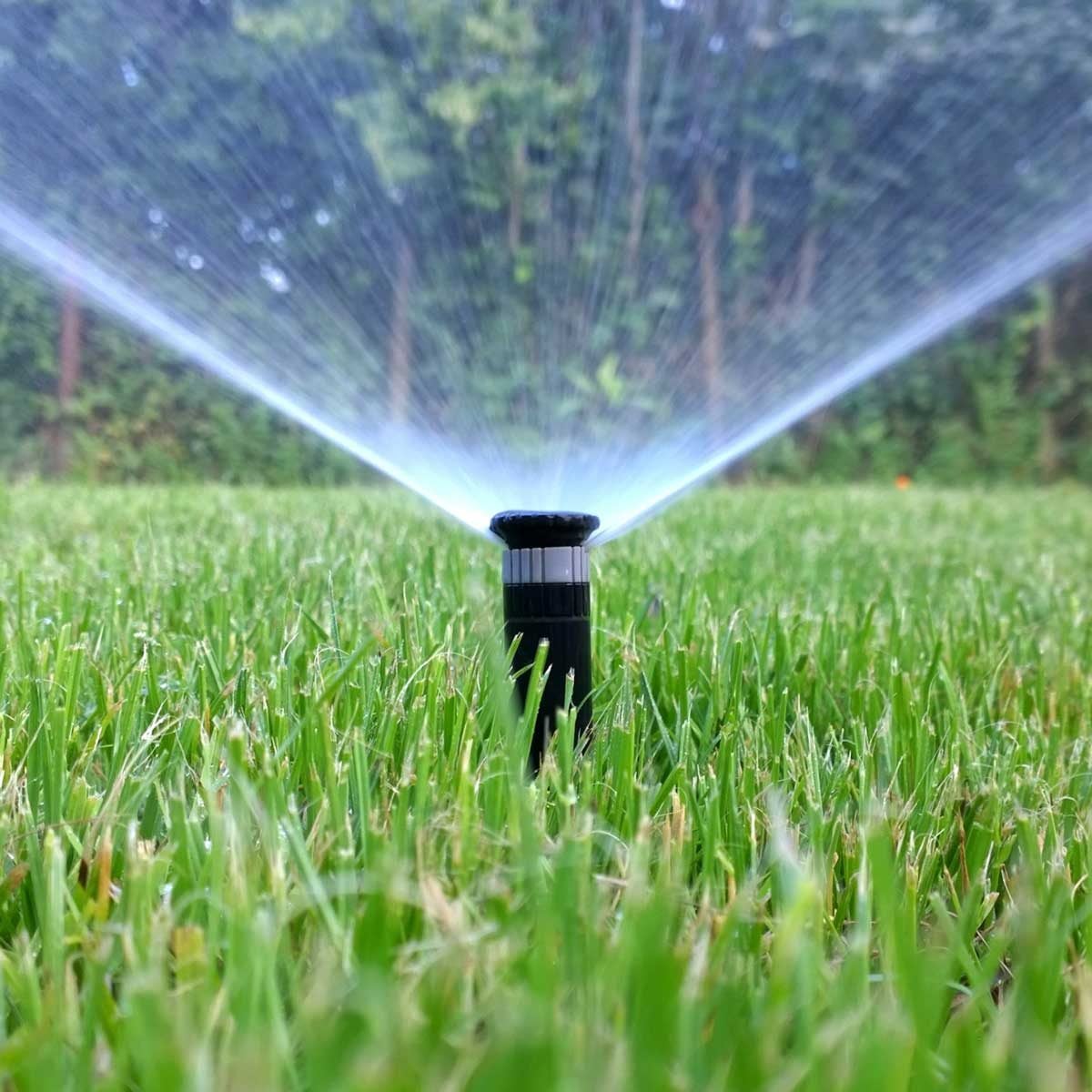
A traditional sprinkler controller follows its schedule with the unquestioning loyalty of a very confused robot. If it is programmed to water at 6 a.m. on Tuesday, it may do so during a rainstorm, after three days of showers, or while your lawn is already auditioning for the role of “small swamp.” Smart sprinklers are designed to make better decisions.
A smart sprinkler system uses weather information, soil conditions, plant characteristics, and connected controls to determine when and how much to water. The technology can reduce waste, simplify lawn maintenance, and help plants receive moisture when they actually need it. However, installing a clever controller on a poorly maintained irrigation system will not magically repair broken pipes, crooked sprinkler heads, or water spraying cheerfully across the driveway.
Before upgrading, it helps to understand how smart irrigation works, which features matter, and what the technology canand cannotdo for your landscape.
What Is a Smart Sprinkler System?
The term smart sprinkler usually refers to a connected irrigation controller that replaces the conventional timer operating an in-ground sprinkler system. Instead of running every zone for the same number of minutes on predetermined days, the controller can adjust the schedule using environmental data.
Most residential controllers connect to a home Wi-Fi network and are managed through a mobile app. From a phone or tablet, homeowners can start a zone, pause watering, review irrigation history, create schedules, or shut down the entire system. Remote access is particularly convenient when testing sprinkler heads because it eliminates the traditional fitness program known as “sprinting between the controller and the backyard.”
Some smart watering products are designed for hose faucets rather than permanent irrigation systems. These timers bring app controls and weather-based scheduling to gardens, raised beds, and smaller lawns without requiring underground valves.
How Smart Sprinklers Decide When to Water
Smart irrigation controllers generally use one of two approaches: weather-based scheduling or direct soil-moisture measurement. Certain systems can work with both.
Weather-Based Controllers
A weather-based irrigation controller estimates how much moisture the landscape has lost through evaporation and plant transpiration, collectively known as evapotranspiration, or ET. It combines weather data with information about the property to calculate an appropriate watering schedule.
Depending on the controller, weather information may come from nearby weather stations, internet-based forecasting services, historical climate records, or sensors installed on the property. The system may consider:
- Recent and forecast rainfall
- Temperature and humidity
- Wind conditions
- Solar exposure
- Seasonal changes
- Estimated moisture loss
When heavy rain is expected, the controller can skip a scheduled cycle. During a hot, dry period, it may increase irrigation. Some models also pause watering during high winds or freezing temperatures.
Soil-Moisture-Based Controllers
A soil-moisture system uses one or more sensors placed in the root zone. If the soil contains sufficient moisture, the controller prevents or postpones irrigation. When moisture falls below the configured threshold, watering is permitted.
This direct measurement can be useful in landscapes with unusual microclimates or rainfall patterns that do not match the nearest weather station. Sensor placement matters, however. A probe buried beside a downspout, under a dense tree canopy, or in an unusually dry corner may not represent conditions throughout the entire zone.
Potential Benefits of Smart Irrigation
Lower Outdoor Water Use
Outdoor irrigation represents a substantial portion of residential water use in many parts of the United States. Fixed timers frequently overwater because they continue following summer schedules during cooler months or operate soon after rainfall.
EPA WaterSense estimates indicate that replacing a conventional controller with a properly installed and programmed WaterSense-labeled model can save thousands of gallons annually. Depending on the technology, climate, landscape, and previous watering habits, estimated household savings can approach 15,000 gallons per year.
That number is not a universal promise. A careful homeowner who already adjusts a traditional timer may save less, while someone whose existing controller thinks every month is July could save considerably more.
Healthier Plants and Soil
More water does not automatically produce a healthier lawn. Constantly saturated soil can limit oxygen around roots, encourage certain diseases, wash nutrients below the root zone, and create weak growth. Watering according to actual plant needs supports deeper roots and more resilient landscaping.
Many smart controllers also provide cycle-and-soak programming. Instead of operating a zone continuously for 20 minutes, the controller might divide that time into several shorter cycles. The pauses allow water to penetrate compacted or clay-heavy soil rather than running down a slope and into the street.
Convenient Remote Control
App-based control is valuable even when full automation is not used. A homeowner can turn on individual zones while inspecting the system, postpone irrigation before an outdoor party, or shut off a leaking zone while away from home.
Notifications may report completed cycles, skipped watering, connectivity problems, freezing conditions, or unusual flow. This visibility makes the irrigation system less mysterious and may reveal problems before the monthly water bill arrives wearing a villain’s cape.
Important Features to Compare
Zone Capacity and Compatibility
Count the wires or active stations on the current controller before shopping. A replacement must support at least as many irrigation zones as the property uses. Common residential controllers handle four, eight, 12, or 16 zones, while modular and professional systems may support more.
Most conventional residential valves operate on 24-volt AC wiring, but compatibility should still be confirmed. Properties with a pump-start relay, master valve, multiple controllers, two-wire system, or unusual power arrangement may require specialized equipment or professional installation.
Local Controls
An excellent app is useful; physical controls are insurance. Look for a controller that allows basic watering, stopping, and zone testing at the device itself. This becomes important when Wi-Fi is unavailable, the phone battery is dead, or someone other than the account owner needs to operate the sprinklers.
Weather Intelligence
Basic connected timers may offer only forecast-based rain delays. More advanced controllers calculate watering requirements using ET, soil type, plant type, slope, sun exposure, sprinkler output, and root depth.
Check whether the app lets users select or change the weather station. Conditions can vary dramatically across a metropolitan area, and a station several miles away may miss the thunderstorm that just soaked your neighborhood.
Flow Monitoring and Leak Alerts
Some controllers can pair with a flow meter to measure water moving through the irrigation system. Once normal flow is established for each zone, the system may identify a broken pipe, stuck valve, or damaged sprinkler head. Advanced configurations can automatically close a master valve when abnormal flow is detected.
Do not assume every controller includes this feature. Flow sensing commonly requires compatible hardware, additional wiring, and careful setup.
Subscriptions and Long-Term Support
Review which features are included with the controller and which require a subscription. Weather automation, detailed reports, expanded forecasts, or advanced integrations may sit behind a recurring fee.
Because a connected controller depends on software and cloud services, the quality of the app matters almost as much as the hardware. Look at recent app reviews, update history, privacy information, warranty coverage, and the manufacturer’s support record.
WaterSense Certification and Rebates
The EPA WaterSense label indicates that a weather-based or soil-moisture-based controller has been independently certified against efficiency and performance criteria. The label is more meaningful than a company simply printing the word “smart” on the box in an especially futuristic font.
Many municipal water providers offer rebates for qualifying controllers. Programs differ by location and may require approval, proof of purchase, photographs, professional installation, or replacement of an existing timer. Check local requirements before buying because yesterday’s receipt may not satisfy tomorrow’s rebate rules.
What Smart Sprinklers Cannot Fix
A controller manages watering time; it does not correct the physical distribution of water. A system with clogged nozzles, mismatched sprinkler heads, poor pressure, leaks, or uneven coverage will remain inefficient after an upgrade.
Before installation, run every zone and inspect it carefully. Repair broken heads, redirect overspray, clean filters, and confirm that emitters are working. Turf, shrubs, trees, and drip-irrigated beds should ideally occupy separate zones because their watering requirements differ.
It is also helpful to perform a catch-cup test. Place identical containers across a zone, run the sprinklers for a measured period, and compare the collected water. This reveals both the application rate and uneven coverage. Accurate precipitation-rate information helps the smart controller translate plant demand into realistic runtime.
Installation and Setup Tips
Replacing a straightforward residential controller can be a manageable do-it-yourself project, but irrigation wiring should be documented carefully.
- Turn off power to the existing controller.
- Photograph the wiring before disconnecting anything.
- Label the common wire, zone wires, sensor wires, and master-valve connection.
- Install the new unit in a suitable indoor or weather-protected location.
- Reconnect one wire at a time according to the manufacturer’s instructions.
- Connect the controller to Wi-Fi and test every zone manually.
Outdoor installations require a model or enclosure rated for exposure. Wi-Fi signal strength should be checked at the mounting location before the old controller is removed. Many irrigation devices use a 2.4 GHz network, so confirm router compatibility during setup.
Professional help is sensible when wiring is damaged or unidentified, the system uses a pump, the property has many zones, or installation involves flow sensors and master valves.
Programming a Smart Controller Correctly
Automation works only with accurate inputs. During setup, the app may request the plant type, soil texture, slope, shade, sprinkler-head type, root depth, and approximate zone area. Guessing that every zone is “grass, sunny, flat” may produce a schedule, but not necessarily a good one.
Clay soil absorbs water slowly and benefits from shorter cycles with soaking periods. Sandy soil drains quickly and may need a different frequency. Established trees require deeper, less frequent irrigation than turf. Newly planted landscaping may temporarily need more attention than mature plants.
Local watering restrictions still apply. Configure permitted days and hours in the app rather than assuming weather-based automation overrides municipal rules. Early-morning irrigation is usually preferable because wind and evaporation tend to be lower than during the heat of the day.
After setup, observe the landscape for several weeks. Reduce watering if the soil stays soggy, mushrooms appear, or water runs off the property. Increase it cautiously if plants show persistent water stress and the root zone is dry. Smart scheduling should be treated as a well-informed starting point, not lawn care delivered by an all-knowing garden oracle.
Real-World Experiences With Smart Sprinklers
The most noticeable improvement after moving from a conventional timer is often convenience rather than immediate water savings. During a sprinkler inspection, being able to activate one zone from a phone makes the process dramatically faster. A damaged nozzle can be identified, stopped, replaced, and tested without repeated trips to a controller mounted in the garage.
Weather skipping can also feel wonderfully sensible. Seeing a scheduled cycle canceled after a storm provides visible proof that the system is paying attention. The less glamorous experience is discovering that weather information is not always perfectly local. One neighborhood may receive a downpour while the selected reporting station records barely a sprinkle. Checking the station, location, and rain thresholds is therefore an important part of setup.
Zone details usually require more adjustment than first expected. A front lawn in full sun behaves differently from a narrow strip shaded by the house. A shrub bed with drip emitters should not inherit the same assumptions as rotating sprinklers. Taking time to name each zone clearlysuch as “back lawn rotors” or “west flower bed drip”makes later adjustments far easier than choosing memorable classics like “Zone 4.”
Cycle-and-soak scheduling tends to deliver one of the clearest practical improvements on slopes and heavy soil. Shorter applications reduce puddling and keep more water where it belongs. At first, the multiple start times may look as though the controller has become indecisive. In reality, it is allowing the ground time to absorb water before applying the next portion.
Flow monitoring, where available, adds another level of reassurance. A sudden increase in a zone’s normal flow can point toward a cracked line or missing sprinkler head. A lower reading may indicate a closed valve, clogged nozzle, or pinched drip tube. These alerts are most useful after normal flow has been calibrated and the physical system is in good condition.
There are occasional frustrations. Wi-Fi pairing may be temperamental, app redesigns can move familiar controls, and automatic schedules may initially appear too aggressive or too conservative. Keeping basic physical controls available and reviewing irrigation history prevents the system from becoming overly dependent on a phone.
The broader lesson is that smart sprinklers reward attentive setup. Homeowners who audit their zones, enter accurate landscape details, and make seasonal observations generally obtain more value than those who install the controller and never look at the yard again. The technology removes repetitive work, but a five-minute walk around the property still beats any algorithm at spotting a fountain erupting from what used to be a sprinkler head.
Are Smart Sprinklers Worth It?
A smart sprinkler controller is most compelling for a property with an existing automatic irrigation system, changing seasonal conditions, several landscape zones, or a history of excessive watering. Remote control alone can make maintenance easier, while weather adjustment and soil sensing may reduce waste and support healthier plants.
Choose a controller that matches the system’s wiring and zone count, provides useful local controls, and does not hide essential functions behind unexpected fees. Look for WaterSense certification, investigate utility rebates, and repair the irrigation hardware before expecting impressive results.
Smart sprinklers are not magic, but they are considerably better than a timer watering the lawn during a thunderstorm. With thoughtful programming and occasional supervision, they can turn irrigation from a rigid routine into a responsive, efficient part of the connected home.