A handmade Sussex garden trug is one of those rare garden tools that looks almost too charming to useright up until you carry a load of tomatoes, herbs, pruners, gloves, seed packets, and one suspiciously large zucchini in it. Then it stops being “decorative” and becomes the garden sidekick you didn’t know you needed.
For American gardeners who love practical tools with old-world character, the Sussex trug offers the best of both worlds. It is a traditional wooden garden basket, usually shallow, oval, and fitted with a central handle. Its roots are in Sussex, England, where makers shaped local woods into lightweight carriers for farmers, gardeners, and market workers. Today, the handmade Sussex garden trug is prized for harvesting vegetables, gathering flowers, carrying hand tools, styling a cottage garden, and quietly making plastic buckets feel a little underdressed.
This article explores what makes a handmade Sussex garden trug special, how it is made, why gardeners still use it, how to choose one, and how to care for it so it ages like a favorite leather journal rather than a forgotten lawn chair.
What Is a Handmade Sussex Garden Trug?
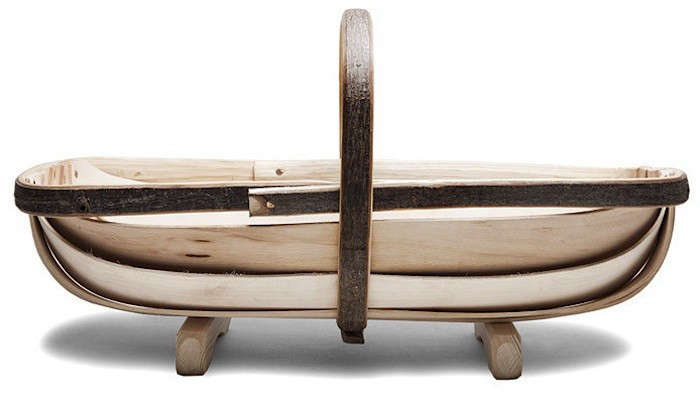
A handmade Sussex garden trug is a shallow wooden basket designed for carrying garden produce, flowers, herbs, and tools. Unlike a deep bucket, a trug spreads the harvest out across a curved base, helping delicate items avoid the dreaded “bottom-of-the-basket squash incident.” Strawberries stay less bruised, cut flowers breathe better, and herbs are less likely to turn into green confetti.
The classic Sussex trug is traditionally made with a frame of sweet chestnut and boards of willow. The handle arches over the center, making it easy to carry with one hand while the other hand performs important garden duties, such as deadheading roses, rescuing a trowel, or waving at the neighbor who absolutely saw you talking to your basil.
Why the Shape Matters
The trug’s wide, shallow profile is not just for rustic beauty. It is a practical design. The low sides make it easy to see what you have harvested, the open top allows air circulation, and the curved base rests comfortably against the body. When picking beans, clipping herbs, or gathering eggs from a backyard coop, the trug keeps everything visible and accessible.
That design also makes it useful beyond harvesting. Gardeners use trugs to carry seed packets in spring, bulbs in fall, twine and plant labels during planting season, and floral cuttings whenever the dahlias decide to show off.
A Short History of the Sussex Trug
The trug has a long relationship with British rural life. Earlier wooden vessels and stave baskets were used for measuring and carrying produce, grain, and farm goods. The Sussex trug became especially associated with East Sussex, particularly areas around Herstmonceux and nearby villages where woodland materials were available and skilled craftspeople developed the form.
Thomas Smith, a well-known name in trug history, is often credited with refining and popularizing the Sussex trug in the 19th century. His lightweight version used sweet chestnut for the frame and willow for the boards, creating a basket that was strong but not clunky. The design became famous after the Great Exhibition of 1851, where Queen Victoria reportedly purchased trugs. When royalty notices your garden basket, you know your basket is having a very good day.
Today, traditional Sussex trug making is considered a heritage craft. Genuine handmade trugs are still made by skilled makers, but the craft requires time, training, and access to suitable wood. That is why an authentic handmade Sussex garden trug is more than a container. It is a small piece of living craft history.
How a Handmade Sussex Garden Trug Is Made
The beauty of a handmade Sussex garden trug lies in its honest materials and patient construction. Unlike mass-produced plastic garden totes, a handmade trug depends on wood selection, shaping, bending, fixing, smoothing, and finishing.
Traditional Materials
The most traditional Sussex trugs use sweet chestnut for the handle and rim because it is strong, flexible, and durable when properly prepared. Willow is commonly used for the boards that form the body of the trug. In some traditional models, cricket bat willow is used, connecting the trug to another deeply British craft tradition. It is hard to imagine a more charming material biography: “I might have been a cricket bat, but instead I now carry carrots.”
Sweet chestnut is often coppiced, meaning trees are cut in a way that encourages new shoots to grow from the base. Coppicing has long been used in woodland management and can support wildlife habitat when done responsibly. For eco-conscious gardeners, this gives a handmade Sussex trug an appealing sustainability story: it is made from renewable natural materials, designed to last, and repairable in ways plastic rarely is.
Construction Details
Traditional trug makers split, shave, steam, bend, and fasten the wood into shape. The handle and rim must be strong enough to carry weight without warping. The body boards need to sit neatly in the frame, forming the shallow basket that gives a Sussex trug its recognizable silhouette.
Small variations are part of the charm. A handmade garden trug may show slight differences in grain, tone, curve, or finish. These are not flaws; they are the fingerprints of craft. In a world where too many objects look like they were produced by a committee of rectangles, a handmade trug feels refreshingly human.
Why Gardeners Love Sussex Trugs
The handmade Sussex garden trug has survived because it solves real gardening problems. It is beautiful, yes, but beauty alone does not haul cucumbers.
1. It Protects Delicate Harvests
Deep buckets can crush soft fruits and flowers. A trug’s shallow body lets you spread out tomatoes, berries, lettuces, herbs, and blossoms. This is especially useful for home gardeners who pick small mixed harvests rather than commercial quantities of one crop.
2. It Keeps Tools Organized
A trug is ideal for carrying pruners, gloves, plant tags, seed packets, a kneeling pad, twine, and small hand tools. Instead of scattering tools around the yard like a gardening-themed treasure hunt, you can keep essentials in one place.
3. It Moves Easily from Garden to Kitchen
Because a Sussex trug is attractive, you do not have to hide it when you bring it indoors. A basket of herbs, tomatoes, and zinnias looks perfectly at home on a kitchen island or potting bench. It turns “I picked vegetables” into “I live inside a lifestyle magazine, apparently.”
4. It Works for Flowers
Cut flower gardeners love trugs because blooms can be laid gently across the basket rather than jammed upright into a pail. The wide body also makes it easy to sort stems by length, color, or variety before arranging.
5. It Ages Beautifully
With proper care, wood develops character. The surface may darken slightly, the handle may smooth from use, and the trug begins to look like it belongs to the garden. A good handmade trug does not need to stay perfect. It needs to stay useful.
Handmade Sussex Garden Trug vs. Modern Garden Basket
Modern garden baskets come in many forms: plastic tubs, metal garden hods, canvas totes, wire harvest baskets, and collapsible carriers. Each has a place. A washable wire hod is excellent for rinsing root vegetables. A plastic tub is practical for muddy jobs. A canvas tote is easy to store. But the handmade Sussex garden trug offers something different: a combination of function, tradition, and display-worthy design.
Compared with a plastic garden tote, a Sussex trug is usually more attractive and more comfortable for light mixed harvests. Compared with a wire hod, it is gentler on flowers and soft produce. Compared with a deep basket, it makes contents easier to see. The tradeoff is that wood requires care. You should not leave it outside in rain for days or treat it like a wheelbarrow with delusions of grandeur.
How to Choose the Best Handmade Sussex Garden Trug
Choosing a handmade Sussex garden trug is part practical decision, part romance. Yes, it should carry your harvest. But it should also make you want to go outside and use it.
Consider the Size
Small trugs are great for herbs, flowers, seed packets, and light daily harvests. Medium trugs work well for most home gardeners because they can carry vegetables, tools, and cut flowers without becoming awkward. Large trugs are useful for generous harvests, but remember that a huge basket full of produce becomes heavy quickly. Your tomatoes may be organic, but gravity remains very conventional.
Check the Materials
Look for sweet chestnut, willow, or other clearly described natural woods. Authentic makers often explain their materials and construction methods. If the listing simply says “wood basket” and looks suspiciously identical across fifty online shops, it may be decorative rather than traditionally made.
Inspect the Joinery
A quality handmade trug should feel sturdy. The handle should be securely attached, the rim should sit evenly, and the boards should not wobble. Minor handmade irregularities are fine; structural weakness is not.
Think About Use
If you want a daily harvest basket, choose a practical medium size with a comfortable handle. If you mostly want a decorative piece for flowers, a smaller or more refined trug may be ideal. If you plan to haul muddy potatoes, consider whether a wooden trug fits your cleaning habits. Be honest. Your future self knows where you live.
Best Uses for a Handmade Sussex Garden Trug
A handmade Sussex garden trug is wonderfully versatile. Here are some of the best ways to use one in an American home garden.
Vegetable Harvesting
Use it for tomatoes, peppers, cucumbers, beans, summer squash, eggplants, salad greens, onions, garlic, and herbs. Place heavier items on the bottom and delicate items on top. If harvesting root vegetables with soil attached, line the trug with newspaper or a washable cloth.
Flower Gathering
Lay cut flowers gently across the basket. A trug is especially handy for zinnias, cosmos, dahlias, lavender, peonies, and garden roses. Keep a small jar of water nearby if stems will sit for long before arranging.
Seed Starting and Planting
In spring, load the trug with seed packets, labels, a pencil, dibber, gloves, and twine. It becomes a portable planting station. This is much better than stuffing seed packets into your pocket and later sending basil seeds through the washing machine.
Garden Cleanup
Use the trug to collect spent blooms, small weeds, fallen fruit, or plant ties. For wet, slimy, or diseased plant material, use a washable container instead and clean tools carefully afterward to reduce disease spread.
Indoor Styling
When not in use, a handmade trug can hold napkins, dried flowers, pinecones, seed catalogs, or seasonal displays. In fall, fill it with mini pumpkins and gourds. In winter, use it for evergreen clippings. In summer, let it overflow with herbs and flowers. It is cottage decor with actual job experience.
How to Care for a Handmade Sussex Garden Trug
Wooden garden tools last longer when they are cleaned, dried, and stored properly. A handmade Sussex garden trug is no different.
Clean It Gently
After use, shake out soil, leaves, and debris. If needed, wipe the trug with a damp cloth. For heavier dirt, use warm water with a little mild soap and a soft brush. Avoid soaking it for long periods because excessive water can swell or weaken wood.
Dry It Completely
Let the trug dry in a well-ventilated place before storing it. Do not seal it in a damp shed or leave it sitting directly on wet ground. Wood dislikes that, and frankly, so would most of us.
Oil the Wood Occasionally
A light application of linseed oil or another suitable wood treatment can help preserve the wood and reduce drying or cracking. Apply sparingly with a cloth, let it soak in, and wipe away excess. Important safety note: oily rags can pose a fire risk if bunched up, so dry them flat outdoors or dispose of them safely according to product instructions.
Store It Under Cover
Keep your trug indoors, in a dry garage, on a covered porch, or in a garden shed protected from rain. A handmade trug can handle garden work, but it is not meant to become a permanent outdoor sculpture for raccoons to judge.
Is a Handmade Sussex Garden Trug Worth It?
For gardeners who value durability, natural materials, and traditional craftsmanship, a handmade Sussex garden trug is absolutely worth considering. It costs more than a basic plastic basket, but it offers beauty, history, and long-term use. It also makes an excellent gift for gardeners, flower growers, homesteaders, and anyone who thinks a perfect Saturday includes dirt under the fingernails and something fresh for dinner.
The best trug is not the one that stays pristine on a shelf. It is the one that gets used. It carries the first radishes of spring, basil in July, dahlias in August, apples in September, and garden gloves that mysteriously multiply like rabbits. Over time, it becomes part of the rhythm of the garden.
Buying Tips for American Gardeners
If you are buying a handmade Sussex garden trug in the United States, check whether the seller identifies the maker, materials, size, and country of origin. Authentic trugs may be imported from England, while some American woodworkers produce trug-inspired harvest baskets. Both can be useful, but they are not always the same thing.
Read product descriptions carefully. Terms like “Sussex style,” “garden trug,” and “harvest basket” may describe similar-looking items with different construction quality. Look for clear photos of the handle, rim, boards, and underside. If you plan to use it with food crops, avoid finishes that are not suitable for contact with produce.
Also consider shipping. A handmade wooden trug is light compared with metal tools, but it still has shape and volume. Good packaging matters. Nobody wants to receive a heritage craft item that looks like it lost a wrestling match with a delivery truck.
Experience Notes: Living With a Handmade Sussex Garden Trug
The first thing you notice when using a handmade Sussex garden trug is that it changes your pace. A plastic bucket encourages a dump-and-go approach. A trug invites you to place things, sort things, and pay attention. That may sound dramatic for a basket, but gardeners understand: tools shape habits.
On a typical summer morning, a medium handmade trug is just the right size for a mixed harvest. A few tomatoes go on one side, peppers on the other, basil across the top, and a bundle of chives tucked near the handle. Because the basket is shallow, nothing disappears into the bottom. You can see when a tomato is getting too cozy with the pruners and move it before tragedy strikes.
For flowers, the experience is even better. A trug lets stems lie naturally, which is helpful when cutting zinnias, cosmos, snapdragons, or lavender. Instead of gripping a fistful of flowers while trying to open the back door with your elbow, you can carry them neatly inside. The arrangement almost begins in the basket. Colors spread out, textures show, and you get a preview of the bouquet before you even reach the vase.
During planting season, the trug becomes a mobile command center. Seed packets, plant labels, a marker, gloves, twine, scissors, and a hand trowel all fit together without becoming chaos. It is especially useful in raised bed gardens where you move from bed to bed. Instead of returning to the garage every seven minutesbecause you forgot the labels, then the pencil, then the twine, then your dignityyou keep the basics with you.
There is also a small emotional pleasure in using a handmade tool. The handle warms slightly in the hand. The wood grain catches the light. Dirt gathers in the corners, not as a flaw but as evidence. A handmade Sussex garden trug does not make gardening effortless, but it makes the work feel more connected. It reminds you that gardening is not only about production. It is also about ritual.
The trug is not perfect for every task. If you are harvesting muddy carrots after rain, a washable wire basket may be better. If you are hauling compost, use a bucket or wheelbarrow unless you enjoy apologizing to wood. If diseased foliage is involved, choose a container you can disinfect thoroughly. But for everyday harvesting, flower cutting, and tool carrying, the Sussex trug earns its keep.
One of the nicest experiences comes at the end of the day. A trug filled with tomatoes, herbs, and a few flowers on the kitchen counter feels like a small celebration. It says the garden gave something back. It also says you should probably make pasta, which is never bad advice.
Over months and years, the trug becomes familiar. You learn how much weight feels comfortable, where to place delicate herbs, how to balance tools with produce, and when to give the wood a quick wipe and oil. It becomes less like an accessory and more like a gardening companion. That is the real appeal of a handmade Sussex garden trug: it is useful, beautiful, and quietly personal.
Conclusion
A handmade Sussex garden trug is more than a pretty basket for people who own too many seed catalogs. It is a practical, time-tested garden tool built around smart design: shallow enough to protect delicate harvests, strong enough for daily use, and beautiful enough to bring indoors without apology. Its traditional materials, heritage craftsmanship, and versatile uses make it a standout choice for gardeners who appreciate tools with character.
Whether you are harvesting cherry tomatoes, gathering lavender, carrying seed packets, or styling a rustic kitchen display, the handmade Sussex garden trug brings function and charm together in one graceful curve. Treat it well, store it dry, oil it occasionally, and use it often. A trug that never gets dirty is just a basket waiting for a better life.
SEO Tags
Note: This publication-ready article is written in standard American English, with SEO structure, natural keyword placement, and web-ready HTML body formatting.