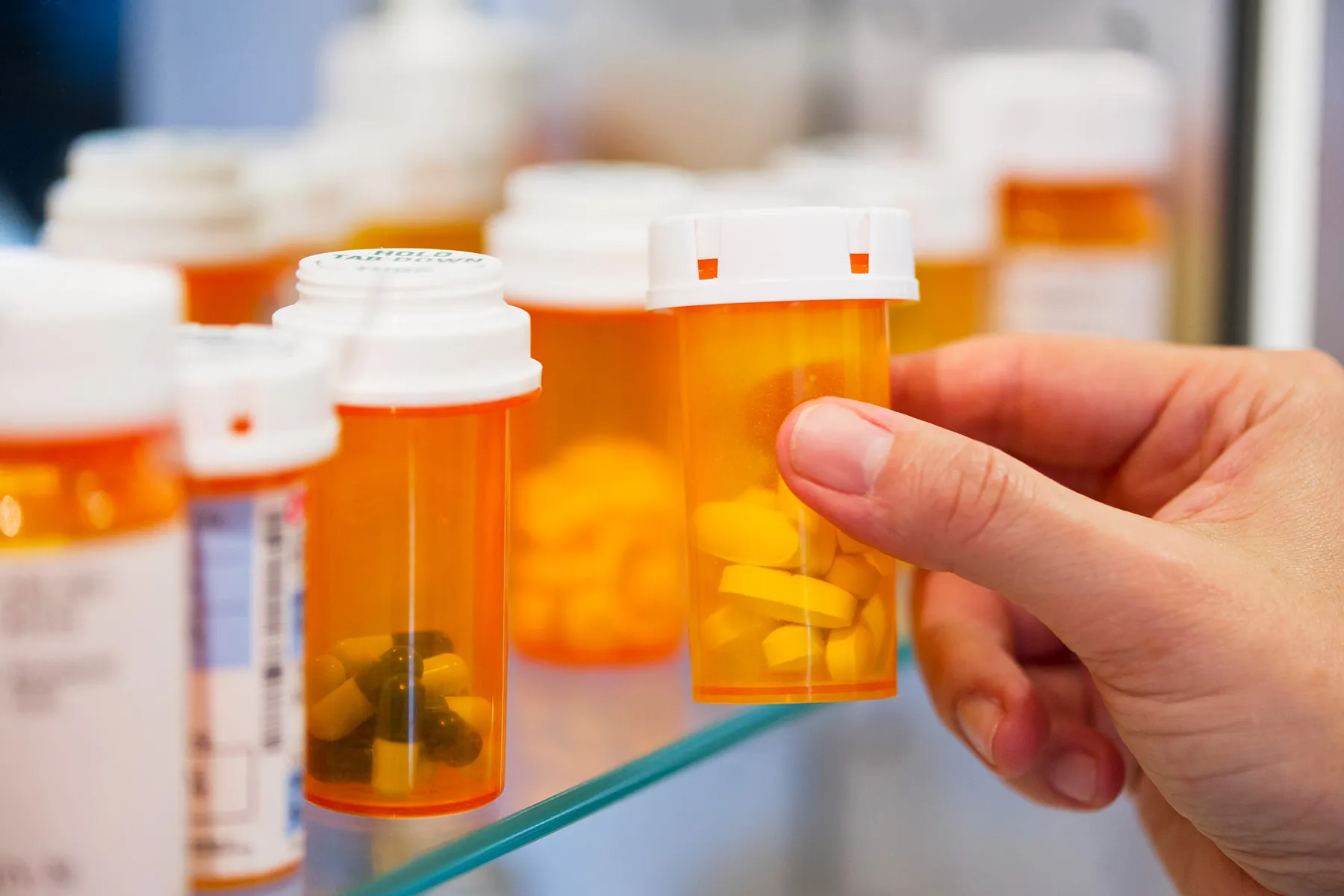
Taking a pill sounds simpleuntil you have to take it correctly every day, possibly for years, while juggling meals, work, travel, side effects, prescription refills, and a phone that somehow remembers every celebrity birthday but not your medication.
For many people with chronic myeloid leukemia (CML), daily treatment involves an oral targeted medicine called a tyrosine kinase inhibitor, or TKI. These medications block signals produced by the abnormal BCR::ABL1 protein that drives most cases of CML. Consistent treatment has helped turn CML into a manageable long-term condition for many patients, but the tablets work best when they are taken exactly as prescribed.
Remembering your daily CML pills is not simply a test of willpower. It is a practical challenge that becomes easier when you build a dependable system, address side effects early, and involve your healthcare team. Here is how to make medication adherence feel less like a daily memory contest and more like an ordinary part of life.
Why Taking CML Medication Consistently Matters
CML usually develops when genetic material from chromosomes 9 and 22 switches places, creating the Philadelphia chromosome and the BCR::ABL1 fusion gene. The resulting protein sends continuous growth signals to abnormal blood cells. TKIs interfere with that signal, helping suppress the leukemia.
Commonly used CML medicines include imatinib, dasatinib, nilotinib, bosutinib, ponatinib, and asciminib. They do not all have the same dosing schedule or safety requirements. Some are taken once daily, while certain regimens require two doses. Some must be taken with food, some without food, and others can be taken either way.
Research has repeatedly connected strong TKI adherence with better molecular responses. In other words, regularly taking the prescribed dose helps keep BCR::ABL1 levels moving in the right direction. Frequently missing doses can reduce drug exposure and may make it harder to reach or maintain treatment milestones. That does not mean one forgotten tablet guarantees disaster, so there is no need to hold a memorial service for a single missed dose. It does mean that repeated gaps deserve prompt attention.
A deep response also does not automatically mean treatment is finished. Some carefully selected patients may eventually attempt treatment-free remission, but only under specialist supervision with frequent molecular monitoring. Never stop a TKI because you feel well or because a laboratory result looks encouraging.
Start With a Written CML Medication Plan
Before choosing reminders, make sure you understand exactly what needs to be remembered. Ask your oncology pharmacist, hematologist, or nurse to help you create a written plan covering the following:
- The medication’s generic and brand names
- The prescribed strength and number of tablets
- The exact time or times it should be taken
- Whether it must be taken with food, without food, or either way
- What to do if a dose is late, missed, or vomited
- Which foods, supplements, antacids, or other drugs may interact with it
- Which side effects require an urgent call
- How the medication should be stored and handled
Keep the plan somewhere accessible and bring it to medical visits. If the instructions on a website, pharmacy handout, and prescription bottle appear to disagree, contact your oncology pharmacist. Medication labels outrank confident guesses from social media, neighbors, and that cousin who once watched three seasons of a hospital drama.
Do Not Borrow Another Patient’s Routine
A strategy that works for someone taking imatinib may be unsuitable for a person taking nilotinib or asciminib. For example, imatinib is generally taken with a meal and water, while nilotinib and asciminib have fasting requirements. Bosutinib is normally taken with food. Missed-dose windows can also differ by drug and schedule.
Acid-reducing medications, grapefruit products, herbal remedies, and many prescription drugs may affect certain TKIs. Before starting or stopping any medicineincluding vitamins, CBD, melatonin, or an innocent-looking supplement with a forest printed on the bottleask the cancer care team to check for interactions.
Build a Reminder System That Survives Real Life
Attach the Dose to a Stable Daily Habit
Memory works better with a cue. Connect your CML medication to an activity that happens predictably, such as breakfast, brushing your teeth, starting the coffee maker, or preparing for bed. The habit must fit your drug’s food restrictions. If your medicine requires an empty stomach, your cue might be turning off the kitchen lights rather than eating dinner.
Choose a routine that happens on weekends too. “When I open my work email” is less useful on Sunday or vacation. Your toothbrush, by contrast, is wonderfully indifferent to weekends.
Use Two Reminders, Not Twelve
Set a primary alarm for the scheduled dose and a backup alarm 15 to 30 minutes later. Label it clearly“Take CML medicine”instead of leaving a mysterious chime that you will dismiss while wondering why your phone is yelling.
A medication app can record doses, track side effects, and alert a caregiver when a dose remains unconfirmed. A paper calendar, dry-erase board, or check-off card can work just as well. The best system is the one you will actually use, not the one with the most animated graphs.
Create a Reliable Confirmation Step
Many people remember holding the bottle but cannot remember swallowing the tablet. Prevent the “Did I or didn’t I?” mystery by recording the dose immediately after taking it. Tap the app, check the calendar, turn over a daily card, or move a marker from “due” to “taken.” Never rely on moving the bottle alone if several people use the same space.
Ask your oncology pharmacist whether a pill organizer is appropriate. Some oral cancer drugs should remain in their original packaging because of storage, moisture, light, or handling requirements. If an organizer is unsuitable, use a medication log, timer cap, marked blister pack, or another pharmacist-approved tracking method.
Recruit a Backup Person
A partner, family member, or trusted friend can provide a second layer of support. Agree on what help looks like. A single text asking, “Dose done?” is useful. A ten-minute interrogation accompanied by dramatic music is less so.
The patient should remain involved whenever possible. The goal is a cooperative safety net, not medication policing.
Remove the Barriers That Cause Missed CML Doses
Address Side Effects Before They Disrupt Treatment
People sometimes skip medication intentionally because it causes nausea, diarrhea, fatigue, muscle discomfort, rash, swelling, headaches, or other unpleasant effects. Hiding this from the medical team can create a cycle: symptoms become harder to tolerate, doses are skipped, and anxiety increases.
Report side effects early. Depending on the problem, the healthcare team may recommend supportive care, change dose timing, adjust the prescribed dose, temporarily interrupt treatment under supervision, or consider another TKI. Do not cut tablets, reduce doses, or take an unofficial “weekend holiday” unless your clinician directs you to do so.
Seek urgent medical help according to your oncology team’s instructions for symptoms such as severe shortness of breath, chest pain, fainting, uncontrolled bleeding, sudden neurologic symptoms, or fever at the threshold your team has specified.
Prevent Refill Gaps
Adherence problems are not always about forgetfulness. Insurance delays, specialty-pharmacy shipping, prior authorization, and high out-of-pocket costs can leave an extremely organized person staring at an empty bottle.
Request refills early and track the remaining supply. Ask whether the pharmacy offers automatic refill reminders or shipment notifications. If cost threatens your treatment, tell the clinic before rationing pills. An oncology social worker, financial navigator, specialty pharmacist, nonprofit organization, or manufacturer assistance program may help identify options.
Plan for Changes in Routine
Missed doses often occur during travel, holidays, illness, shift changes, or family emergencies. Use a short transition checklist: medicine, medication plan, alarms, refill supply, oncology contact details, and required food or timing arrangements.
When flying, keep medication in its labeled original container in your carry-on bag. Bring more than the planned number of doses in case of delays, but ask the pharmacy how much extra can be dispensed. If crossing time zones, request a written schedule from the oncology team rather than improvising with clock arithmetic at 35,000 feet.
What to Do When You Miss a CML Dose
First, do not panic and do not automatically take two doses. Check the medication-specific instructions you received from your pharmacist or oncology team. Many CML drug labels direct patients to skip a missed dose after a certain interval and resume the regular schedule, but the permitted interval varies.
- Record what happened and approximately when the dose was due.
- Consult your written missed-dose instructions or prescription information.
- Call the oncology pharmacy or treatment team if the directions are unclear.
- Do not double the next dose unless a qualified clinician specifically instructs you to do so.
- Review why the dose was missed and make one practical adjustment.
If missed doses are becoming frequent, be honest with your care team. Adherence difficulties are common and solvable. Accurate information allows clinicians to distinguish a medication problem from inconsistent exposure when evaluating BCR::ABL1 results.
Use Medical Visits to Strengthen Your Routine
Regular blood counts and molecular tests are essential parts of CML care. BCR::ABL1 testing helps clinicians measure response and determine whether treatment milestones are being reached. Attend scheduled appointments even when you feel well; CML can be quiet while laboratory monitoring does the detective work.
Bring your medication list, adherence record, refill concerns, and side-effect notes. Include over-the-counter drugs and supplements. Useful questions include:
- Am I taking this medicine at the best time for my schedule?
- Could another medication or supplement interfere with my TKI?
- Which side effects can be managed, and which require urgent attention?
- What exactly should I do if a dose is late or missed?
- Who should I contact after business hours?
A simple symptom diary can reveal patterns. Record the dose time, meals when relevant, symptoms, and anything that helped. Concise notes such as “nausea began 45 minutes after dose on three mornings” are more useful than “Tuesday was terrible and possibly cursed.”
A Seven-Day Setup for Better CML Medication Adherence
- Day 1: Confirm all dosing, food, interaction, and missed-dose instructions with the oncology pharmacist.
- Day 2: Select one stable daily activity as the medication cue.
- Day 3: Set a labeled primary alarm and one backup alert.
- Day 4: Choose a pharmacist-approved method for confirming each dose.
- Day 5: Count the remaining medication and set a refill reminder well before it runs out.
- Day 6: Create a small travel plan and save the clinic’s contact information.
- Day 7: Review side effects and barriers, then share unresolved problems with the care team.
This approach is intentionally uncomplicated. A medication system should reduce mental work, not become a second occupation with quarterly performance reviews.
Everyday Experiences: How Practical Solutions Can Work
The following composite scenarios are based on commonly reported medication barriers. They illustrate realistic strategies but are not quotations or medical instructions for a specific person.
Experience 1: The Morning That Looked Like Every Other Morning
Imagine a patient who takes a once-daily TKI after breakfast. The bottle sits on the counter, the alarm sounds, and the tablet is usually taken between cereal and coffee. The problem appears around 10 a.m.: “Did I take it today, or am I remembering yesterday?” Opening the bottle does not answer the question, and counting a large supply of tablets is hardly a relaxing midmorning activity.
The solution is a confirmation card placed beside the medication. Immediately after swallowing the dose, the patient checks the day’s box. The alarm is the prompt; the check mark is the proof. Within a week, uncertainty drops dramatically. The lesson is that reminders and confirmation are different jobs. One says, “Do this.” The other says, “Yes, it was done.”
Experience 2: Side Effects Become an Adherence Problem
Another patient begins skipping occasional doses before important work meetings because of diarrhea. The decision feels practical: avoid the tablet, avoid the bathroom emergency. Unfortunately, the treatment team does not know about either the symptom or the missed doses.
At the next appointment, the patient describes the pattern honestly. The clinician reviews the severity and timing, checks for other causes and interactions, and develops a management plan. The team may recommend supportive measures or a medically supervised treatment adjustment. The patient also moves the dose to a more manageable approved time.
The important experience is not that every side effect has an instant fix. It is that side effects and adherence are connected. Reporting symptoms early gives the healthcare team more options than quietly skipping medication until the problem becomes impossible to ignore.
Experience 3: The Vacation Refill Surprise
A traveler assumes the current supply will last through a two-week vacation. Three days before departure, a quick count reveals only nine doses. The specialty pharmacy needs authorization, the insurance company has rules about early refills, and suddenly the relaxing trip has acquired a suspense plot.
For future travel, the patient starts checking the medication supply three weeks before departure and keeps the pharmacy and clinic numbers in the phone. Pills remain in the original labeled container and travel in the carry-on bag. When a time-zone change is involved, the oncology pharmacist helps map the schedule.
The broader lesson is that travel adherence begins before packing. A recurring calendar reminder“Count CML tablets”can prevent an administrative delay from turning into a treatment gap.
Experience 4: When Too Many Alarms Become Background Noise
One patient creates six daily reminders: phone alarm, smartwatch alert, calendar event, email, sticky note, and caregiver text. It works beautifully for four days. Then the alerts become part of the scenery, like a car alarm everyone hears and nobody investigates.
The system is simplified to two meaningful prompts. The first appears at the planned dose time. The second appears 20 minutes later and remains active until the patient records the dose. A family member checks in only if the dose has not been confirmed. Fewer alerts demand more attention because each one has a clear purpose.
This experience shows why medication success is rarely about adding endless technology. It is about designing a routine with a clear cue, an immediate action, visible confirmation, and a sensible backup. The best adherence system is boring, dependable, and easy to restart after life knocks it sideways.
Conclusion
Remembering daily pills for CML becomes easier when you stop depending on memory alone. Build the dose into a stable routine, use a clear confirmation method, prepare for refills and travel, and involve someone you trust. Most importantly, tell your healthcare team about missed doses, costs, interactions, or side effects before those barriers grow.
Perfect people are not required for successful CML treatment. Reliable systems, honest conversations, and small adjustments are far more useful. Take each dose according to your personalized plan, keep up with molecular monitoring, and let your care team help make long-term treatment sustainable.