One low rumble rolls across the sky, and suddenly your nervous system behaves as if the clouds have personally declared war. You check the radar, inspect every window, calculate the distance to the nearest basement, and wonder whether moving to a desert would be financially responsible.
A healthy respect for severe weather is sensible. An intense, persistent fear of thunder and lightning, however, may be astraphobia, sometimes called brontophobia. This specific phobia can trigger sweating, trembling, rapid breathing, nausea, racing thoughts, compulsive forecast-checking, or a strong urge to hide. Children commonly fear storms, but adults can experience the same distress.
The goal is not to convince yourself that thunderstorms are harmless. Lightning, high winds, hail, tornadoes, and flash flooding can present genuine hazards. Instead, the goal is to follow an appropriate safety plan while teaching your brain that discomfort does not automatically mean catastrophe.
Why Thunderstorms Can Feel So Frightening
Thunderstorms combine several features that anxiety absolutely loves: sudden noises, bright flashes, physical vibrations, uncertain timing, and a situation nobody can control. Thunder is produced when air heated rapidly by lightning expands and creates a shock wave. Your brain may understand the science while your body responds to each boom like an overenthusiastic car alarm.
Anxiety activates the fight-or-flight response. Your heart beats faster, your breathing may become shallow, your muscles tighten, and your attention narrows toward possible danger. These reactions are designed to protect you, but a phobia can make the alarm disproportionately intense.
A fear may deserve professional attention when it causes persistent distress, interferes with sleep or daily activities, leads to repeated weather monitoring, or makes you avoid travel, work, school, or social plans. Specific phobias are treatable, and exposure-based cognitive behavioral therapy is widely recommended by organizations including the National Institute of Mental Health, Mayo Clinic, and Johns Hopkins Medicine.
1. Replace Uncertainty With a Simple Storm-Safety Plan
Fear grows quickly when you do not know what to do. A written safety plan gives your brain a job other than directing an imaginary disaster movie. Create the plan on a calm day, not while thunder is rattling the dishes.
Choose a safe location
When you hear thunder, move into a substantial enclosed building or a hard-topped vehicle with the windows closed. A porch, gazebo, tent, picnic shelter, carport, or isolated shed is not adequate lightning protection. Indoors, stay away from windows, plumbing, corded phones, and equipment connected to electrical outlets.
The National Weather Service advises waiting at least 30 minutes after the last thunder before returning outside. Rain stopping does not necessarily mean the lightning threat has ended.
Prepare the practical essentials
- Enable official emergency alerts on your phone.
- Identify an interior room for severe wind or tornado warnings.
- Keep flashlights, charged power banks, medications, shoes, and drinking water accessible.
- Know how family members and pets will reach the safe area.
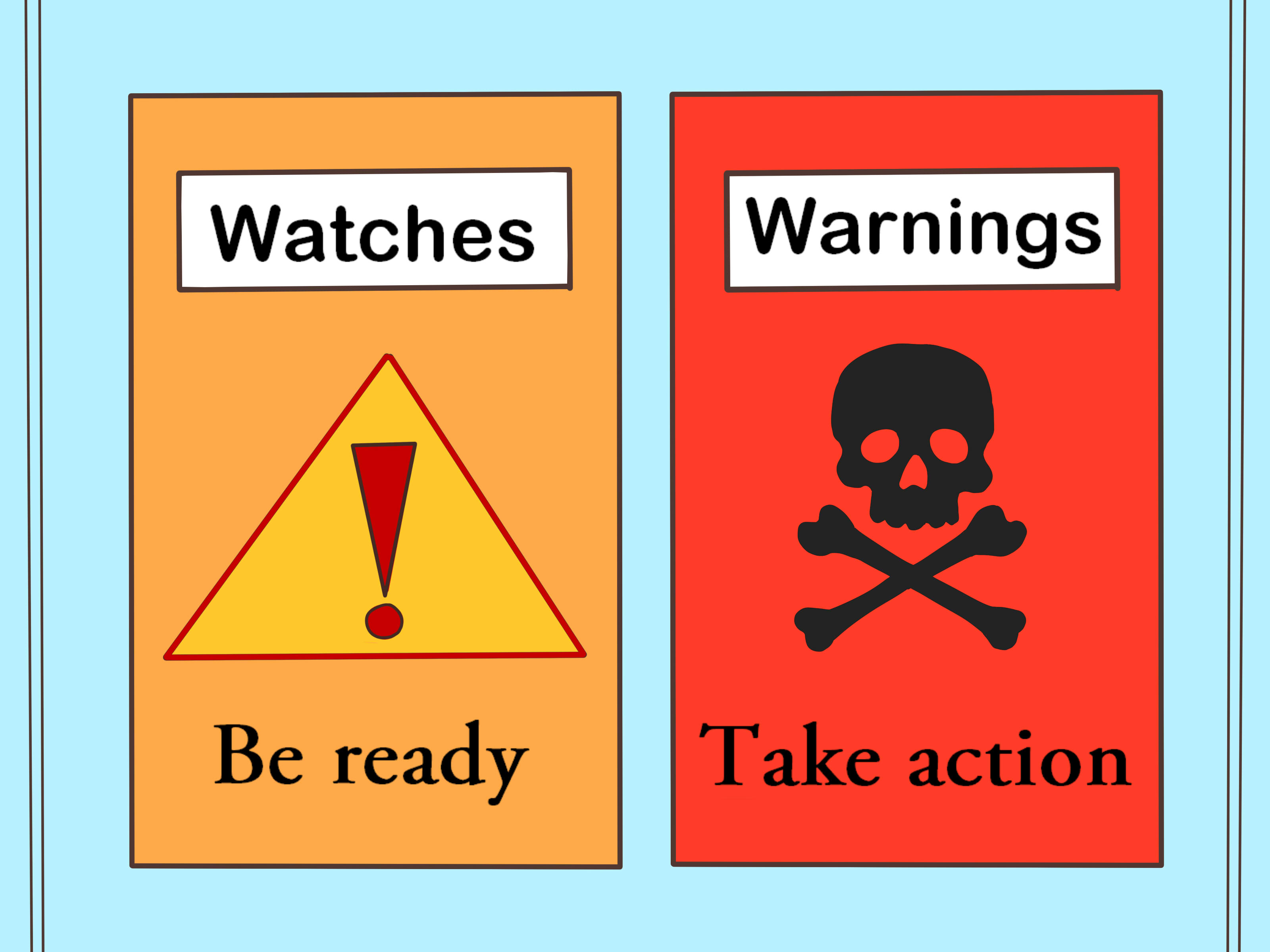
- Separate a thunderstorm watch from a warning: a watch means conditions are possible, while a warning means hazardous weather is occurring or imminent.
Once the necessary steps are complete, stop adding new precautions unless official guidance changes. Checking five weather apps every three minutes may feel protective, but repeated reassurance can keep anxiety alive. Choose one or two reliable sources and decide in advance when you will check them.
A useful script is: “I have received the alert, I am in the correct place, and I will check again in 15 minutes.” That is preparation. Refreshing the radar until your thumb requests workers’ compensation is anxiety running the meeting.
2. Calm Your Body Before Arguing With Your Thoughts
When your body is highly activated, telling yourself to “just relax” is about as useful as asking thunder to use its indoor voice. Begin with physical regulation. The objective is not to force anxiety to disappear; it is to reduce the intensity enough that you can respond thoughtfully.
Use slow breathing with a gentle exhale
Sit with your feet supported and relax your shoulders. Breathe in gently through your nose for about four seconds, then exhale for approximately six seconds. Repeat for one or two minutes without taking enormous breaths. Slow, controlled breathing can help settle the stress response, according to guidance from Harvard Health Publishing. If you become dizzy, return to normal breathing.
Try sensory grounding
Name five things you can see, four things you can feel, three things you can hear, two things you can smell, and one thing you can taste. You do not need fascinating answers. “Lamp, rug, sock, another sock” still counts. Grounding shifts attention from frightening predictions toward the present environment.
Release tension deliberately
Press your feet into the floor for five seconds and release. Tighten your hands, then let them soften. Drop your jaw and lower your shoulders. Continue through several muscle groups. The contrast between tension and release helps you recognize where fear is hiding in your body.
You can also use familiar music, a quiet podcast, ear protection, or a comforting blanket while remaining able to receive emergency alerts. These tools are most helpful when they support coping rather than becoming rigid requirements. Confidence grows when you learn, “I prefer my headphones, but I can cope if they are not available.”
3. Challenge Catastrophic Thoughts Without Denying Real Risk
Storm anxiety often speaks in dramatic absolutes: “The roof will be destroyed,” “Lightning will hit this room,” or “I will panic and lose control.” Trying to answer these thoughts with “Nothing bad can happen” is not convincing because severe weather does involve risk. Use balanced statements instead.
Separate possibility from probability
Something being possible does not make it likely. Ask yourself:
- What is the specific danger right now?
- Has an official warning been issued for my location?
- What protective action is recommended?
- After taking that action, am I solving a problem or feeding anxiety?
Replace catastrophic predictions with accurate responses:
- “Thunder is startling, but the sound itself cannot injure me.”
- “I cannot control the storm, but I can follow verified safety guidance.”
- “A racing heart is uncomfortable, not proof that a disaster is occurring.”
- “I do not need complete certainty to remain in my safe location.”
Keep a storm-anxiety record
Before a storm, record your feared prediction and rate your anxiety from zero to 10. Afterward, note what occurred, which actions were genuinely useful, and how your anxiety changed. Over time, this creates evidence that fear rises, peaks, and eventually falls.
Also watch for “emotional reasoning”the assumption that because you feel endangered, you must be in immediate danger. Feelings provide information, but they are not a weather instrument. Your nervous system does not outrank the National Weather Service.
4. Build Confidence Through Gradual, Safe Exposure
Avoidance provides fast relief, which teaches the brain that escape prevented disaster. The next storm then feels even more threatening. Exposure therapy works in the opposite direction: you approach manageable reminders of the fear repeatedly and safely until your brain learns that anxiety can be tolerated.
Exposure should be gradual, planned, and never confused with ignoring lightning precautions. Do not stand outside during a storm, sit under a tree, or take any genuine weather risk to prove bravery. Exposure means practicing with safe representations or remaining calmly inside an appropriate shelter.
Create a fear ladder
List storm-related situations and rate each from zero to 10. A sample ladder might look like this:
- Read a short explanation of thunder for two minutes.
- Look at drawings or still photographs of clouds and lightning.
- Listen to quiet thunder audio for 30 seconds.
- Watch a mild storm video with sound.
- Listen to louder thunder recordings without immediately distracting yourself.
- Watch rain from a safe indoor location when no lightning is nearby.
- During a real storm, remain in your designated safe room while practicing calm breathing instead of hiding or repeatedly checking the radar.
Begin with a step that produces mild or moderate anxiety. Stay with it long enough to discover that you can handle the feeling, repeating the exercise regularly before moving upward. Progress is measured by willingness and functioning, not by reaching zero anxiety.
If your fear causes panic attacks, is linked to a past tornado, hurricane, flood, or lightning incident, or significantly disrupts your life, work with a licensed mental health professional. A therapist trained in cognitive behavioral therapy can personalize exposure, address traumatic memories, and prevent the process from moving too quickly.
Helpful Guidance for Parents of Storm-Frightened Children
Validate the child’s feelings without confirming an exaggerated danger. Instead of saying, “There is absolutely nothing to fear,” try: “That boom was loud, and I can see why it startled you. We are following our safety plan together.”
Explain storms in age-appropriate language, practice the household plan when the weather is clear, and let the child choose a calming activity for the safe room. Avoid teasing, forcing the child to watch lightning, or displaying constant alarm over every forecast update.
Children often borrow emotional cues from adults. A calm tone and predictable routine communicate safety more effectively than a 20-minute lecture about atmospheric electricity. If the fear persists, worsens, or interferes with sleep, school, or ordinary activities, consult the child’s pediatrician or a qualified mental health professional.
Experiences: What Facing a Fear of Thunderstorms Can Look Like
The following composite examples illustrate common experiences and are not descriptions of specific patients.
From constant radar checks to a scheduled plan
Jordan began monitoring the forecast whenever clouds appeared. A 30% chance of rain could consume an entire afternoon. During storms, Jordan moved between three weather apps, social media posts, and a live lightning map. Every update produced a few seconds of relief, followed by a fresh question: Had the storm shifted? Was that color on the radar darker than before?
Jordan created a one-page plan: charge the phone, close the windows, bring the dog inside, monitor one official source, and move to the interior hallway if a warning was issued. Forecast checks were limited to predetermined times. The first attempt felt worse because reassurance was no longer available on demand. After several storms, however, Jordan noticed that anxiety could rise and fall without continuous checking. The clouds had not become more cooperative; Jordan had become less controlled by uncertainty.
Learning to hear thunder without immediately hiding
Maya had feared thunder since childhood. Even recorded storm sounds made her tense, so she started with photographs of distant clouds. Next, she watched silent videos, followed by clips played at very low volume. She practiced slow breathing and allowed herself to notice the discomfort instead of racing to shut everything off.
Weeks later, a real storm arrived. Maya followed lightning-safety guidance and sat in an interior room. She still jumped at the loudest thunder, but she did not hide in a closet or call multiple relatives for reassurance. Her anxiety reached an eight out of 10 and eventually dropped to a five. That did not feel like a cinematic victory complete with triumphant music. It felt ordinaryand that was precisely the victory. She had experienced fear without letting it choose every action.
Helping a child become part of the plan
Eight-year-old Eli became tearful whenever rain was forecast. His father initially responded with lengthy promises that nothing bad would happen. Unfortunately, each promise encouraged another question. The family changed its approach by practicing a simple storm routine on sunny afternoons.
Eli helped place flashlights, a battery pack, books, and a favorite stuffed animal in the safe room. During a storm, his father acknowledged the loud noise, checked official alerts at reasonable intervals, and invited Eli to use a grounding game. Together they named five blue objects, four soft objects, and three sounds that were not thunder.
Eli did not suddenly become president of the Thunderstorm Appreciation Society. He still preferred clear weather and sometimes needed reassurance. Over time, though, he began walking to the safe room rather than being carried, and he returned to playing sooner after each rumble. His progress came from repetition, participation, and a parent who modeled calm action instead of demanding fearlessness.
Recovering after a genuinely dangerous storm
For some people, storm fear follows real damage or evacuation. After a tree fell onto her home during severe weather, Lena reacted strongly to wind, rain, and emergency-alert sounds. Standard self-help exercises felt overwhelming because the fear was tied to a traumatic event.
With professional support, Lena first learned grounding and rebuilt a practical emergency plan. Her therapist then introduced storm reminders gradually, beginning with written weather reports and gentle rain recordings. The goal was never to persuade her that storms were harmless. It was to help her distinguish a memory-driven alarm from a current warning. Eventually, Lena could prepare for severe weather without mentally reliving the earlier event. Seeking help was not an admission of weakness; it was the tool that made practice feel safe enough to continue.
Conclusion
Facing a fear of thunderstorms requires two kinds of courage: respecting real weather hazards and refusing to let anxiety invent extra ones. Make a clear safety plan, regulate your physical stress response, question catastrophic predictions, and practice gradual exposure under genuinely safe conditions.
You may still dislike thunder. You may always jump when an especially loud crack shakes the windows. Success does not require becoming the person who makes popcorn and applauds the lightning. It means knowing what to do, trusting yourself to do it, and allowing the stormand the anxietyto pass.