Chickenpox has a reputation for being “that itchy childhood rash,” but anyone who has watched a suspicious red spot turn into a tiny blister knows the real-life version is less cute and more “please don’t scratch the furniture.” Although vaccination has made chickenpox much less common in the United States, the illness still appears, especially among people who are unvaccinated, under-vaccinated, or exposed during outbreaks.
Learning how to recognize chickenpox matters because the infection is highly contagious and can sometimes cause complications, especially in babies, adults, pregnant people, and people with weakened immune systems. The good news: chickenpox often has a recognizable pattern. The not-so-good news: early chickenpox can look like bug bites, acne, heat rash, hand-foot-and-mouth disease, or a mystery rash that sends every parent into full detective mode.
This guide explains five practical ways to recognize chickenpox, including the early warning symptoms, the classic rash, how the spots change over time, where they usually appear, and when it is time to call a healthcare provider. Think of it as your rash recognition roadmapwith less panic and more useful information.
What Is Chickenpox?
Chickenpox, also called varicella, is an infectious disease caused by the varicella-zoster virus. It spreads easily from person to person, usually through close contact with an infected person, airborne droplets, or contact with fluid from chickenpox blisters. The same virus can stay inactive in the body after infection and later reactivate as shingles.
The classic sign of chickenpox is an itchy, blister-like rash that eventually dries into scabs. Many people also develop fever, tiredness, loss of appetite, and general “I feel like a deflated balloon” symptoms before or during the rash. In healthy children, chickenpox is often mild, but “mild” does not mean “ignore it.” The infection can still spread quickly and may become serious in higher-risk groups.
1. Watch for Early Flu-Like Symptoms Before the Rash
One of the first ways to recognize chickenpox is to notice what happens before the famous spots arrive. In many cases, symptoms begin one to two days before the rash appears. These early signs can include fever, fatigue, headache, sore throat, loss of appetite, and general discomfort.
In children, the rash may be the first obvious sign. Adults and older children, however, are more likely to feel sick before the rash shows up. That early stage can be confusing because it may look like a common cold, flu, or another viral infection. A child may seem unusually tired, skip snacks, complain of feeling hot, or become extra cranky. Adults may feel body aches, chills, and fatigue before noticing any spots.
Example: The “Something Is Coming” Stage
Imagine a child comes home from school looking worn out, refuses dinner, and has a low-grade fever. At first, it seems like a regular virus. The next morning, several small red spots appear on the chest and back. That patternviral symptoms followed by a spreading itchy rashcan be an important clue that chickenpox may be the cause.
Of course, early symptoms alone cannot confirm chickenpox. Many illnesses begin with fever and tiredness. The key is to connect those symptoms with rash development, exposure history, vaccination status, and how the spots change over time.
2. Look for the Classic Itchy, Blister-Like Rash
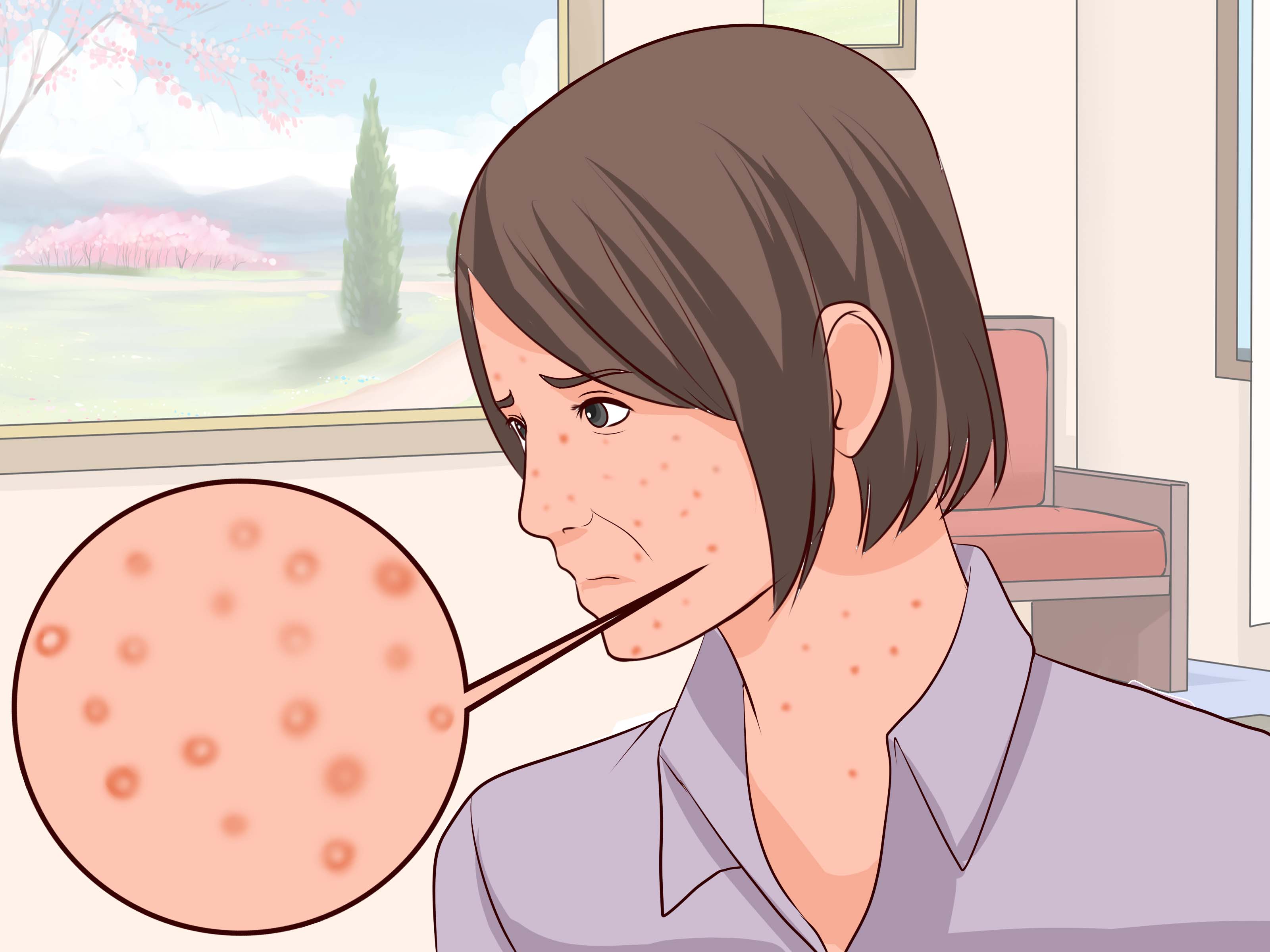
The main chickenpox symptom is the rash. It usually begins as small red or pink spots that quickly become raised bumps. These bumps then turn into fluid-filled blisters before breaking, drying, and forming scabs. The rash is often very itchy, which is why chickenpox has inspired generations of parents to say, “Don’t scratch!” approximately 700 times per hour.
A chickenpox rash may look different depending on the person. In unvaccinated people, the rash may be more widespread and include many blisters. In vaccinated people who develop breakthrough chickenpox, the rash may be milder, with fewer spots and fewer obvious blisters. That can make it harder to recognize because it may look like bug bites or a mild skin irritation.
Common Rash Features
Chickenpox spots often itch intensely. They may appear in crops, meaning new spots continue to show up over several days. Some spots may be flat and red, some may be raised bumps, some may be clear blisters, and others may already be crusting. This “mixed stages” look is one of the biggest clues.
Unlike a simple mosquito bite, chickenpox usually does not stay as one lonely bump. The rash tends to spread, and the spots evolve. If a few itchy red bumps become tiny blisters and more spots appear the next day, chickenpox becomes more likelyespecially if there has been known exposure.
3. Notice the Rash Pattern: Face, Chest, Back, Then Everywhere Else
Chickenpox often starts on the chest, back, face, or scalp. From there, it can spread to the arms, legs, mouth, eyelids, and other areas. The trunk of the body is commonly affected, which helps separate chickenpox from rashes that mostly appear on the hands and feet or stay in one small patch.
The scalp is a useful clue. Parents sometimes miss the first spots because hair hides them. A child may complain that their head itches, and only after a closer look does someone notice small bumps or blisters tucked under the hair. Chickenpox can also cause sores inside the mouth, which may make eating uncomfortable.
How the Distribution Helps
Rash location does not prove chickenpox, but it can support the pattern. For example, a rash that begins on the torso and face, spreads over the body, and includes itchy blisters at different stages fits the classic chickenpox picture. A rash limited to one ankle after a camping trip may be more likely insect bites. A rash mainly on palms, soles, and inside the mouth may suggest another condition, such as hand-foot-and-mouth disease.
Because rashes can be tricky, it is smart to call a healthcare provider before going into a clinic. Chickenpox spreads easily, and medical offices may want to give special instructions to avoid exposing others.
4. Check Whether Spots Are in Different Stages at the Same Time
One of the most helpful ways to recognize chickenpox is to look for lesions in different stages. Chickenpox does not usually produce one neat batch of identical spots. Instead, it tends to show up in waves. That means the skin may have new red bumps, fresh blisters, cloudy blisters, broken blisters, and scabs all at once.
This “all stages at the same party” appearance is a major clue. Many rashes look similar at first, but chickenpox changes quickly. A spot may begin as a red bump, fill with fluid, open, and crust over while new bumps continue appearing nearby. The rash often develops over several days before everything finally dries up.
The Chickenpox Timeline
After exposure, symptoms usually develop within about 10 to 21 days. The rash often lasts several days, with new spots appearing in waves. A person is generally considered contagious from one to two days before the rash appears until all blisters have crusted over. That is why chickenpox can spread before anyone realizes what is happening.
Once the blisters have fully crusted, contagiousness drops. However, returning to school, work, or childcare should follow medical advice and local rules. A person with suspected chickenpox should avoid contact with newborns, pregnant people, and anyone with a weakened immune system until a healthcare professional says it is safe.
5. Consider Exposure, Vaccination Status, and Risk Factors
Symptoms matter, but context matters too. If someone has been around a person with chickenpox or shingles and then develops fever plus an itchy blister-like rash, chickenpox becomes more suspicious. Exposure can happen at school, daycare, home, sports practice, or anywhere people share air and personal space.
Vaccination status also affects recognition. Two doses of the chickenpox vaccine are recommended for people who do not have evidence of immunity. Vaccination greatly reduces the chance of getting chickenpox and usually makes illness milder if breakthrough infection happens. In breakthrough cases, the rash may have fewer spots, less fever, and fewer blisters, which can make it harder to identify.
Who Needs Extra Caution?
Chickenpox can be more serious in adults, infants, pregnant people, and people with weakened immune systems. Complications may include skin infections, pneumonia, and other serious problems. Call a healthcare provider promptly if chickenpox is suspected in someone at higher risk, or if symptoms are severe.
Medical guidance is especially important if the rash spreads to the eyes, fever is high or persistent, breathing becomes difficult, the person seems very drowsy or confused, the rash becomes very red, warm, swollen, or painful, or signs of dehydration appear. These are not moments for “let’s wait and see” bravery. They are moments for professional help.
Chickenpox vs. Other Common Rashes
Chickenpox is famous, but it is not the only rash in town. Many skin conditions can copy parts of its look. Recognizing the differences can help you decide when to call a healthcare provider.
Chickenpox vs. Bug Bites
Bug bites often appear on exposed skin, such as arms, legs, neck, or ankles. They may be grouped or scattered, but they usually do not rapidly turn into widespread fluid-filled blisters at different stages. Chickenpox is more likely when new itchy spots keep appearing, especially on the trunk, face, and scalp.
Chickenpox vs. Hand-Foot-and-Mouth Disease
Hand-foot-and-mouth disease often causes sores in the mouth and a rash on the hands and feet. Chickenpox can affect the mouth, palms, and soles too, but it commonly spreads across the trunk and appears in waves with mixed-stage spots.
Chickenpox vs. Shingles
Chickenpox and shingles come from the same virus, but they usually look different. Shingles often causes a painful rash on one side of the body in a band-like pattern. Chickenpox is usually more widespread and is the result of a first-time infection with varicella-zoster virus.
What to Do If You Think It Is Chickenpox
If chickenpox is possible, keep the person home and call a healthcare provider for advice. Do not walk into a clinic without warning because chickenpox spreads easily. A provider may diagnose chickenpox based on symptoms and rash appearance, or recommend testing if the rash is unclear.
At home, comfort care may include cool baths, loose clothing, hydration, and measures to reduce scratching. Keep fingernails short to lower the chance of skin infection. Do not give aspirin to children or teenagers with chickenpox because of the risk of Reye syndrome, a rare but serious condition. Ask a healthcare provider which fever or itch medicines are appropriate.
Antiviral medicine may be recommended for some people, especially those at higher risk for complications. Timing matters, so early medical advice is useful. When in doubt, call. Chickenpox is not the kind of mystery rash that rewards guessing.
Prevention: The Best Recognition Is Not Getting It
The chickenpox vaccine is the best way to prevent chickenpox. In the United States, routine vaccination has dramatically reduced cases, hospitalizations, and severe outcomes. People who are not immune should talk with a healthcare provider about vaccination, especially if they work in healthcare, childcare, education, or live with people at higher risk.
Good hygiene helps, but chickenpox is highly contagious, so handwashing alone is not enough. Staying away from others while contagious is important. People with chickenpox should avoid school, childcare, work, sports, and social events until all blisters have crusted and a healthcare provider or local policy says it is safe to return.
Personal Experience-Style Insights: What Recognizing Chickenpox Often Feels Like in Real Life
Recognizing chickenpox in real life rarely feels as tidy as reading a medical checklist. It often begins with uncertainty. One small bump appears, then another, and suddenly everyone in the house becomes an amateur skin detective. The first reaction is usually denial: “Maybe it’s just a bug bite.” Then the spots multiply, the itching begins, and the calendar gets pulled out to remember who was sick at school two weeks ago.
One practical experience many parents describe is that chickenpox announces itself in layers. The child may not seem seriously ill at first. Maybe they are tired, warm, and uninterested in food, but still watching cartoons or asking for juice. Then a few red spots show up on the chest or back. By bedtime, those spots may look raised. By the next morning, some may look like tiny blisters, while new red dots appear nearby. That quick evolution is what makes people start thinking, “This may not be ordinary.”
Another real-world clue is the itch. Chickenpox itching can be intense, and children may scratch without thinking, especially at night. This is where prevention becomes practical, not theoretical. Short nails, soft pajamas, clean hands, and gentle reminders help reduce skin damage. Scratching can lead to bacterial infection, so the goal is not only comfortit is also protecting the skin while it heals.
Families also learn quickly that chickenpox affects routines. School, daycare, sleepovers, sports practice, and visits with grandparents may need to pause. This can feel inconvenient, but it protects others. Chickenpox can be risky for newborns, pregnant people who are not immune, and people with weakened immune systems. Staying home is not dramatic; it is responsible.
Adults who get chickenpox often describe the illness as more intense than expected. Fever, body aches, fatigue, and a widespread rash can make the experience feel far more serious than the childhood version people imagine. That is why adults with suspected chickenpox should seek medical advice early, especially if they have never had the disease or the vaccine.
A useful lesson from many chickenpox experiences is this: take photos of the rash progression for your healthcare provider. A clear photo from day one, day two, and day three can help show how the spots are changing. Do not rely on memory alone, because after a long night of itch complaints and laundry, every rash starts to look like “red dot number 482.” Photos can make a phone consultation more productive.
Finally, trust the pattern, but do not overtrust your guess. Chickenpox has recognizable signs, yet other illnesses can look similar. If the rash is unusual, painful, infected-looking, near the eyes, associated with breathing trouble, or happening in a high-risk person, professional advice is the safest next step. Recognizing chickenpox is not about becoming your own doctor. It is about knowing when the signs fit, when to isolate, and when to ask for help.
Conclusion
Chickenpox is easier to recognize when you look at the whole picture: early fever or fatigue, an itchy blister-like rash, spots that appear in waves, lesions in different stages, and a rash pattern that often begins on the trunk, face, or scalp. Exposure history and vaccination status can make the clues even clearer.
Still, rashes love to impersonate one another. If you suspect chickenpox, contact a healthcare provider, especially if the person is an adult, infant, pregnant, immunocompromised, or showing severe symptoms. The sooner you recognize the signs, the sooner you can reduce spread, manage discomfort, and protect people who may be more vulnerable.