The internet has many moods. Some days it is a library, some days it is a shopping mall with pop-up ads wearing roller skates, and some days it is a raccoon in a keyboard factory. But every once in a while, it becomes something unexpectedly sweet: a place where strangers show up not to argue, dunk, nitpick, or diagnose your haircut, but to say, “Hey, you look like someone who deserves a little light today.”
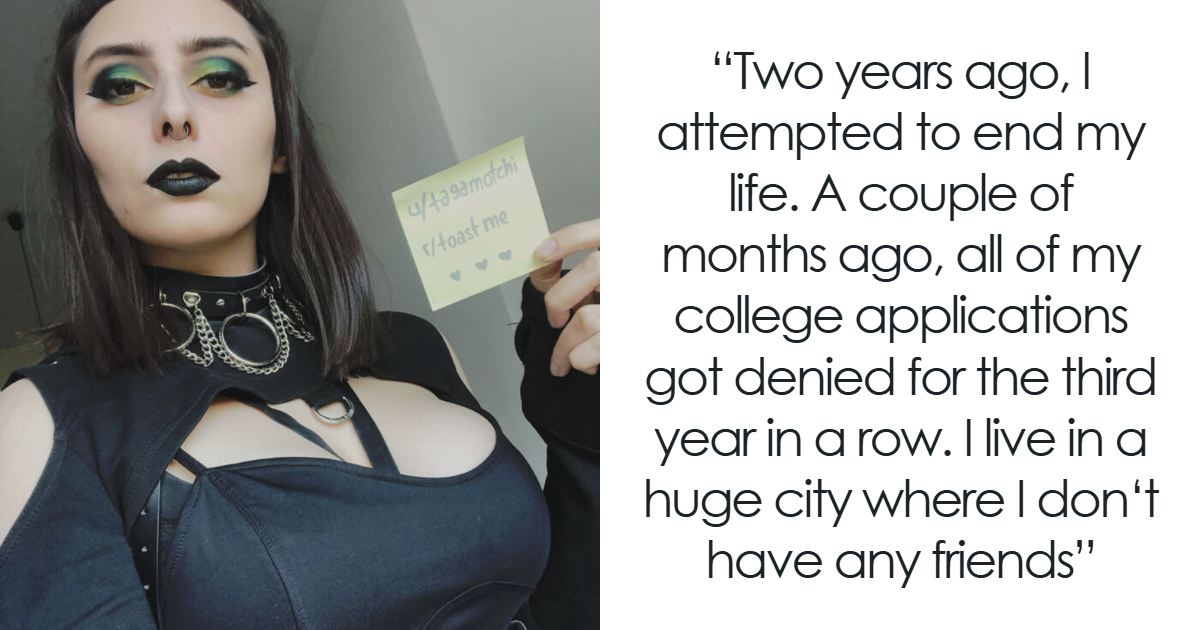
That is the spirit behind the online trend where people ask the internet to “toast” them. Not roast them. Toast them. As in: raise a glass, say something kind, and send them back into the world feeling a little less like a phone at 2% battery. The idea grew as a wholesome counterweight to roast culture, where people voluntarily invite jokes at their own expense. Toasting flips the script. Instead of clever insults, commenters bring sincere compliments, gentle encouragement, and enough emotional warmth to make a microwave feel underqualified.
The result is one of the internet’s most charming contradictions: strangers who know almost nothing about a person still manage to notice something good. A tired student gets praised for hanging in there. A newly promoted worker gets cheered like they just won an Olympic medal in Adulting. A single parent gets reminded that showing up every day is not ordinary; it is heroic with laundry.
What Does It Mean To Get “Toasted” Online?
In this context, being “toasted” means receiving compliments, encouragement, and positive attention from an online community. The joke works because it sounds close to “roasted,” but the emotional effect is the opposite. A roast says, “We see your flaws and we brought seasoning.” A toast says, “We see your effort, your personality, your spark, and we brought a tiny parade.”
Communities built around this idea usually ask posters to share a photo, a short story, or a reason they could use a kind word. Then the comments roll in. Some are funny. Some are poetic. Some sound like they were written by a retired golden retriever with excellent grammar. The best ones are specific: they do not just say “you are great.” They say, “You have the smile of someone who remembers people’s coffee orders,” or “You look like the friend who makes sure everyone gets home safely.”
That specificity is what makes a toast feel real. Generic praise is nice, but it can bounce off. A thoughtful compliment lands differently. It tells the person, “I paid attention.” On an internet famous for skimming, scrolling, and misreading the room with professional confidence, that is a small miracle.
Why “Toast Me” Posts Became So Popular
The popularity of “toast me” content makes sense because the internet has spent years perfecting public criticism. People can post a sandwich and receive a 900-word lecture on bread ethics. They can share a selfie and accidentally summon a committee of amateur lighting experts. Against that backdrop, a space dedicated to kindness feels almost rebellious.
There is also something deeply human about wanting to be seen without being judged. Many people who ask to be toasted are not looking for fame. They are looking for a little reassurance. Maybe they are celebrating a win that no one around them noticed. Maybe they had a hard week. Maybe they are trying to believe better things about themselves and need the internet to stop being a haunted comment section for five minutes.
And people respond because giving kindness feels good too. A clever insult may get a laugh, but a sincere compliment can create a tiny emotional boomerang. You send it out, and somehow you feel warmer as well. That is the secret ingredient of wholesome internet culture: it helps the receiver and gives the giver a chance to be the kind of person they would like to meet.
40 Types Of Internet Toasts That Hit The Spot
Instead of copying real posts, here are 40 common types of “toast me” moments inspired by the format, written in a fresh and original way. Each one shows why these communities work: they turn ordinary vulnerability into a group celebration.
1. The “I Finally Did It” Toast
Someone posts after finishing school, paying off a bill, moving into a new apartment, or completing a personal goal. The internet responds like confetti has been legally required. These toasts remind people that progress counts, even when it arrives wearing sweatpants.
2. The “New Job, New Me” Toast
A person shares that they got hired, promoted, or survived their first week at work. Commenters praise their determination, professionalism, and “I own at least one reliable folder” energy.
3. The “I Need A Confidence Boost” Toast
These posts are simple: someone admits they are feeling unsure. The best replies do not exaggerate. They point out posture, warmth, style, resilience, or the quiet strength in someone’s face.
4. The “Big Life Reset” Toast
After a breakup, move, career change, or personal restart, people sometimes ask for encouragement. The internet replies with a chorus of “You are not starting from zero; you are starting from experience.”
5. The “Single Parent Deserves A Parade” Toast
Few things bring out sincere admiration faster than a parent doing their best. Commenters often praise patience, sacrifice, humor, and the ability to locate missing socks under pressure.
6. The “I Survived A Rough Season” Toast
Some posters describe a difficult period in broad terms. The strongest comments avoid giving unwanted advice and simply honor endurance: “You are still here, still trying, and that matters.”
7. The “New Look, Nervous About It” Toast
A haircut, outfit, glasses, or bold style choice appears. The internet becomes a supportive dressing room, minus the fluorescent lighting and suspicious three-way mirror.
8. The “Quiet Person Wants To Be Seen” Toast
Introverts, shy people, and socially anxious posters often receive comments praising their calm presence. Someone always says they look like the person a cat would trust immediately, which is honestly a five-star review.
9. The “Fitness Journey Without The Toxicity” Toast
Healthy progress posts can be tricky online, but the best toasts focus on energy, consistency, strength, and self-respect rather than appearance-based comparison.
10. The “I Am Proud But Also Awkward” Toast
These posts carry the energy of someone holding a trophy while apologizing for taking up space. Commenters usually step in to say, “Nope. Celebrate loudly. We brought snacks.”
11. The “I Made It Through Finals” Toast
Students appear with exhausted eyes and the aura of someone who has been powered by noodles and panic. The internet salutes them like academic warriors.
12. The “I Started Over In A New City” Toast
Moving somewhere new can feel lonely. Toasts often praise bravery, curiosity, and the courage it takes to rebuild routines from scratch.
13. The “I Got Good News” Toast
Good-news posts are pure sunshine. People share wins, and strangers respond with genuine celebration. It is proof that happiness can be contagious without needing a group chat.
14. The “I Do Not Hear Compliments Often” Toast
These are some of the most touching posts. Commenters often respond with careful, generous words because they know the person may remember them for a long time.
15. The “Trying To Smile Again” Toast
A person posts while working through sadness or stress. The best toasts are gentle, not dramatic. They say, “Your smile is worth protecting,” and somehow that is enough.
16. The “Birthday Alone” Toast
When someone says they are spending a birthday without much attention, the internet can become a surprise party with better spelling. Commenters pile in with wishes, jokes, and virtual cake.
17. The “I Am Proud Of My Hobby” Toast
Artists, gardeners, gamers, bakers, crafters, musicians, and collectors often get celebrated for loving something sincerely. Enthusiasm is attractive, even when the hobby is organizing tiny plastic dragons by emotional backstory.
18. The “First Selfie In A While” Toast
Posting a photo after avoiding the camera can be vulnerable. Kind comments often focus on courage, expression, and the fact that taking up visual space is allowed.
19. The “Newly Independent” Toast
Someone gets their first apartment, first car, first paycheck, or first successful grocery run without buying only cereal. The comments understand: independence is glamorous until you meet utility bills.
20. The “I Need To Believe In Myself” Toast
These posts are often met with reminders that confidence is not always a lightning bolt. Sometimes it is a sticky note that says, “Try anyway.”
21. The “I Beat A Personal Fear” Toast
Whether it is speaking up, attending an event, making a call, or trying something new, these moments get applauded because fear rarely looks dramatic from the outside. Inside, it can feel like wrestling a fog machine.
22. The “Pet Included For Emotional Support” Toast
Posts with pets are unfairly powerful. The human gets toasted, the dog gets praised, and the cat gets quietly worshiped as management.
23. The “I Worked Hard And No One Noticed” Toast
People often crave acknowledgment more than applause. A good toast says, “Your effort counts even when there is no audience.”
24. The “Late Bloomer” Toast
Someone worries they are behind in dating, school, career, or life milestones. The internet reminds them that life is not a synchronized swimming routine. Timing varies.
25. The “Recovering From Embarrassment” Toast
After an awkward social moment, strangers reassure the poster that everyone has accidentally waved at the wrong person, pushed a pull door, or said “you too” when a waiter said “enjoy your meal.” Humanity survives.
26. The “I Am Learning To Like Myself” Toast
These posts often inspire some of the most thoughtful replies. Commenters tend to praise self-awareness, gentleness, and the bravery of changing one’s inner voice.
27. The “Small Win, Big Deal” Toast
Doing laundry, cleaning a room, attending an appointment, or cooking dinner can be a victory during a difficult week. Good communities understand that “small” depends on the weight someone is carrying.
28. The “Career Pivot Panic” Toast
Changing paths can feel like jumping between trains, except both trains are made of emails. Toasts often highlight adaptability, grit, and the intelligence required to choose growth over comfort.
29. The “Creative Courage” Toast
Sharing art, writing, music, or design invites vulnerability. A good toast does not pretend everything is perfect; it celebrates the courage to make something and let it exist.
30. The “Just Got Through Monday” Toast
Sometimes the achievement is simply surviving Monday without becoming a villain origin story. The internet understands. The internet has also met Monday.
31. The “New Glasses, Who Dis?” Toast
Eyewear posts bring out surprisingly delightful compliments. People compare the poster to professors, poets, detectives, and friendly bookstore owners with excellent recommendations.
32. The “I Am Trying Again” Toast
Trying again after disappointment is underrated. The most powerful comments often say, “The fact that you are willing to begin again says more about you than the setback ever could.”
33. The “Family Caregiver” Toast
Caregivers often carry invisible work. Toasts can recognize compassion, stamina, and the emotional labor of being dependable when life gets complicated.
34. The “I Finally Asked For Help” Toast
Asking for help can feel awkward, but many communities celebrate it as wisdom. Independence is good; refusing all support is just stubbornness wearing a trench coat.
35. The “No Makeup, No Filter” Toast
When someone shares an unedited version of themselves, kind replies often praise honesty and presence rather than chasing impossible perfection.
36. The “I Feel Invisible” Toast
These posts are the clearest reminder of why kind spaces matter. A few sincere comments can make a person feel noticed in a world that often scrolls too fast.
37. The “I Took A Risk” Toast
Applying for a job, confessing a dream, entering a contest, or making a change all deserve recognition. Results matter, but courage deserves its own applause.
38. The “Fresh Start After Failure” Toast
Failure has a way of taking over the whole room. Toasts help put it back in its chair. They remind people that a bad chapter is not the title of the book.
39. The “Feeling Ordinary” Toast
Some posters say they feel boring or average. The internet often responds by pointing out warmth, humor, sincerity, and other traits that do not shout but still matter deeply.
40. The “I Just Need One Nice Thing” Toast
Sometimes a person does not need a solution. They need one kind sentence. A good toast can be that sentence: small enough to type in ten seconds, strong enough to stay in someone’s memory all week.
Why These Posts Work So Well
“Toast me” posts work because they are built around consent, context, and community rules. The person asks for kindness, and the community agrees to provide it. That sounds simple, but online, simple decency can feel like finding a clean public restroom: rare, beautiful, and worthy of a small documentary.
They also work because they avoid the trap of pretending everyone needs fixing. Many supportive comments do not offer advice. They do not say, “Have you tried drinking water, journaling, and becoming a completely different person by Tuesday?” Instead, they offer recognition. That difference matters. Advice can be useful when requested, but unsolicited advice often sneaks in wearing a helpful hat while carrying a tiny hammer.
A toast says, “I see something good in you right now.” That can be powerful because many people are used to receiving feedback only when something is wrong. Work emails point out errors. School grades point out gaps. Social media points out everything, including the shape of a cloud in the background of your vacation photo. A compliment-focused space changes the rhythm.
The Difference Between Roasting And Toasting
Roasting depends on boundaries. In its best form, it is consensual, clever, and playful. In its worst form, it becomes an excuse for cruelty with a laugh track taped on. Toasting does not have that problem because the goal is not to test how much someone can take. The goal is to give them something useful: encouragement, celebration, and a reminder that strangers can be decent when the algorithm is not feeding them espresso and rage.
The humor in toasting comes from exaggerating kindness instead of meanness. Someone might say, “You look like you return shopping carts even in the rain,” or “You have the energy of a person who tells dogs they are doing a good job.” These are funny because they are oddly specific and deeply complimentary. They do not punch down. They hug sideways.
What Brands, Creators, And Communities Can Learn From Toast Culture
There is a lesson here for anyone building an online audience: tone is architecture. If a community rewards snark, snark moves in, hangs curtains, and starts charging rent. If a community rewards sincerity, people learn that kindness is not embarrassing. It becomes the house style.
That matters for bloggers, moderators, creators, and social media managers. People do not only remember information; they remember how a space made them feel. A website that offers useful content with a human voice can build loyalty. A comment section that is moderated with care can become a reason people return. A brand that treats people like people, not traffic units with wallets, can stand out in a noisy digital world.
Toast culture also proves that positivity does not have to be bland. The best compliments are creative. They have rhythm, humor, and personality. “You seem nice” is fine. “You look like the person everyone hopes gets assigned to their group project” is better. It paints a picture, gives the reader a smile, and says something meaningful without sounding like it was generated by a greeting card trapped in an elevator.
The Healthy Way To Ask For A Toast
If you ever want to ask for a toast online, keep it simple and safe. Share only what you are comfortable making public. Avoid posting private details you may regret later. Ask for encouragement, celebration, or kind observations. You do not have to perform sadness to deserve support, and you do not have to prove you are struggling enough to receive a compliment.
It also helps to remember that online praise is a snack, not a whole meal. It can brighten your day, but it should not be the only place you get support. Real-life friendships, family connections, mentors, teachers, counselors, and trusted communities matter too. The internet can hand you a candle; it should not be responsible for being the entire sun.
500-Word Experience Section: What These Toasts Feel Like In Real Life
Imagine posting a photo after one of those weeks where every minor inconvenience arrives wearing tap shoes. Your coffee spills. Your inbox multiplies like it has discovered agriculture. You say “thanks, you too” to someone who did not wish you anything. By Friday, you are not looking for a miracle. You just want one person to say, “You are doing better than you think.”
That is the emotional magic behind “toast me” posts. They create a tiny stage where ordinary people can be celebrated for ordinary bravery. Not every victory is cinematic. Some victories look like getting out of bed on time, making a phone call you were avoiding, finishing a project, apologizing first, choosing patience, or trying again after a disappointment. These moments rarely get trophies. They usually get a quiet nod from your inner voice, and sometimes even that voice is busy being rude.
A good toast interrupts that pattern. It can make a person feel seen in a way that is surprisingly intimate for a public comment. Someone might notice kindness in your eyes, determination in your posture, or humor in the way you describe your chaos. Suddenly, you are not just a profile picture. You are a person with a story, and strangers are treating that story carefully.
The experience can be especially meaningful because compliments are often harder to accept than criticism. Criticism has Velcro. Compliments have buttered shoes. They slide right off unless they are specific enough to stick. That is why the best internet toasts feel less like flattery and more like observation. They say, “You look like someone who makes people comfortable,” or “You seem like the friend who remembers the tiny details.” Those comments give a person something believable to hold.
There is also a community effect. One kind reply is nice; dozens of kind replies become a chorus. The poster may arrive expecting a few polite comments and leave with a digital scrapbook of encouragement. Even readers who never post can benefit. Watching strangers be kind to someone else can soften your view of the internet. It reminds you that behind the usernames are people capable of warmth, wit, and emotional generosity.
Of course, a toast thread will not solve every problem. It will not fold your laundry, pay your parking ticket, or explain why printers behave like cursed furniture. But it can shift the emotional weather. It can turn a lonely evening into a moment of connection. It can give someone a sentence they repeat to themselves later. Sometimes that is enough to help them take the next step.
The biggest lesson is not that everyone should post online for compliments. The lesson is that kindness is often easier than we make it. You do not need a perfect speech. You do not need to know someone’s whole life. You can notice one good thing and say it plainly. In a culture that often rewards the sharpest comeback, a sincere compliment can feel almost radical. It is proof that the internet can still raise a glass instead of throwing one.
Conclusion
The “toast me” trend is funny because it is a pun, but it lasts because it answers a real need. People want to be noticed for more than their mistakes, outfits, jobs, relationship status, or worst days. They want proof that kindness can still survive online without needing a hazmat suit.
These 40 types of internet toasts show that encouragement does not have to be dramatic to matter. A stranger’s thoughtful comment can make someone laugh, breathe easier, or remember that they are more than the roughest thing happening in their life. In a digital world full of hot takes, cold replies, and lukewarm apologies, a good toast is refreshingly human.
Note: The examples above are original, generalized scenarios inspired by real online compliment communities and common patterns in wholesome internet culture. They are written for publication without copying individual users’ posts or private stories.