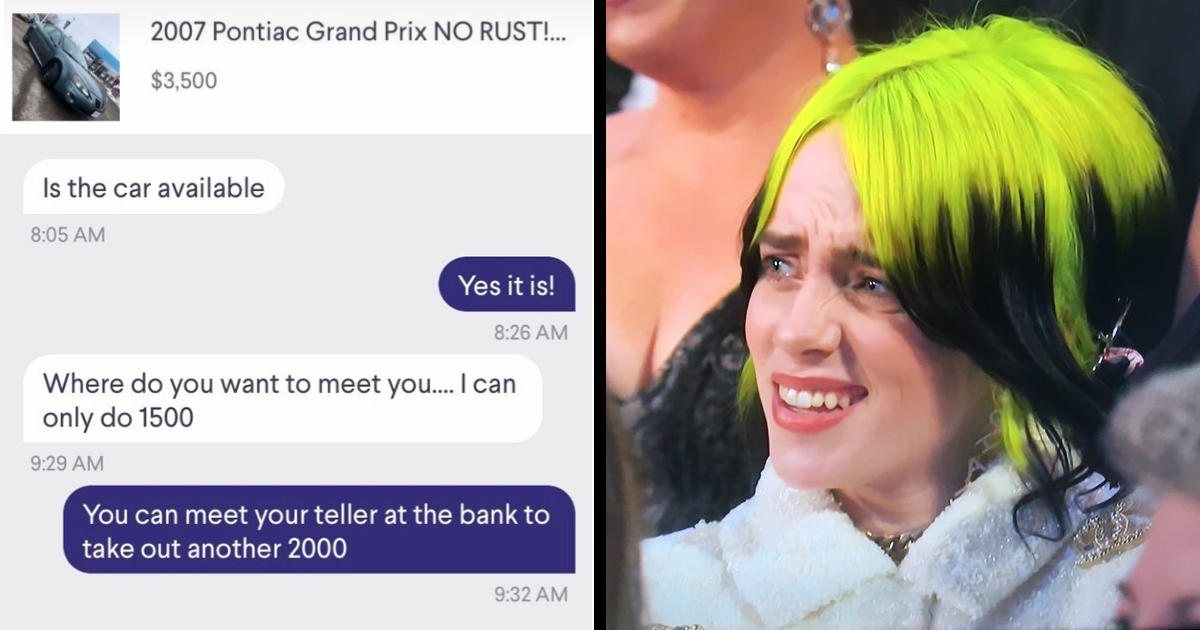
Selling online sounds so simple when people say it fast. Take photos. Write a listing. Post item. Receive money. Ship box. Smile at your entrepreneurial brilliance. In real life, though, online selling often feels less like running a business and more like hosting a talent show for chaos. One person wants a handmade item by tomorrow morning. Another wants a luxury product for the price of a sandwich. A third says they are “ready to pay now,” which is almost never as reassuring as it sounds.
That is why experienced sellers know a painful truth: the hardest part of selling online is not always the product, the shipping, or even the platform fees. Sometimes it is the buyer behavior. Not all buyers, of course. Plenty are lovely, reasonable, and blessed with the rare superpower known as reading the description. But the difficult ones? They can turn a ten-minute sale into a three-day headache with tracking numbers.
This guide breaks down 40 terrible potential buyers that perfectly capture why selling online can be such a pain. These are not specific individuals. They are the greatest hits of online marketplace nonsense: the lowballer, the ghost, the scammer, the chronic complainer, the return artist, and the person who thinks “brand new” means “used twice but emotionally fresh.” If you sell on marketplaces, your own website, social platforms, or resale apps, you have probably already met at least five of them before breakfast.
Why Selling Online Feels Harder Than It Should
Online selling is convenient, but it also creates the perfect environment for misunderstandings, unrealistic expectations, and outright fraud. Buyers cannot touch the product, hear your tone, or see the actual effort behind your listing. That distance makes some people cautious, some people impatient, and some people weirdly confident. Add instant messaging, payment disputes, platform rules, shipping delays, and review systems, and suddenly every transaction becomes a tiny performance review with bubble wrap.
That is also why smart sellers rely on clear product descriptions, detailed photos, firm store policies, shipping documentation, and seller protection tools. The goal is not just to make sales. The goal is to survive them with your sanity mostly attached.
40 Terrible Potential Buyers Every Online Seller Recognizes
Message Mayhem
- The “Is This Available?” Ghost
They message instantly, seem eager, and then vanish like they were drafted into another dimension. Your item is still available. Your patience is not. - The One-Word Interrogator
“Size?” “Color?” “Lowest?” “Ship?” Every message is a breadcrumb, and somehow you are expected to build a full conversation out of it. - The Description Skipper
They ask questions already answered in the title, the bullet points, the photos, and probably the laws of physics. Reading, apparently, is for other people. - The Midnight Panicker
They send six messages between 1:07 a.m. and 1:13 a.m., then act concerned when you do not reply before dawn. You sell mugs, not emergency heart medication. - The Paragraph Novelist
Before buying a $14 item, they send a life story, three backstories, a weather update, and a spiritual reflection on why they deserve a discount. - The “Call Me” Demander
They want to move the conversation off-platform immediately. That is usually the moment every seller’s internal alarm starts playing drums. - The Verification-Code Fisher
They claim they need to “prove you are real” and ask for a texted code. No, absolutely not, and nice try, chaos wizard. - The Fake Payment Sprinter
They say payment was sent, attach a suspicious screenshot, and urge you to ship fast. The message always has the energy of a forged note from a very dishonest principal.
Price and Expectation Chaos
- The Olympic Lowballer
Your item is listed at $80. They offer $12 and a tone that suggests they are the victim here. Somehow, generosity is always expected from the seller. - The “What’s Your Best Price?” Philosopher
They ask you to negotiate against yourself. Translation: “Please do my bargaining homework for me.” - The Luxury Taste, Dollar-Menu Budget Buyer
They want premium quality, custom packaging, fast shipping, and handmade detail for the price of a gas station snack. - The Comparison Shopper With Weaponized Screenshots
They send a blurry image of a “cheaper” version from somewhere else and expect you to match it, despite it being a different product, size, material, planet, and century. - The Entitled Haggler
Negotiation is one thing. Acting offended that a stranger will not slash their price in half is performance art. - The Last-Minute Customizer
They buy the standard version, then request five changes after checkout as if the listing was merely a suggestion. - The Freebie Collector
They ask whether you can include “just a little extra,” then another extra, then maybe a bonus gift, because apparently your profit margin is a community service project. - The Shipping-Amnesia Buyer
They want overnight delivery but act shocked that speed costs money. Somewhere, logistics professionals are quietly screaming.
Payment and Shipping Drama
- The Overpayment Trickster
They “accidentally” send too much and need you to refund the difference right away. Nothing says “totally legitimate” like a fake mistake with urgent instructions. - The Off-Platform Payment Enthusiast
They insist on unusual payment methods, strange links, or “a safer process” that feels about as safe as juggling forks in a lightning storm. - The Instant-Ship Commander
They order at 4:58 p.m. and message at 5:02 asking whether it already went out. To them, fulfillment is basically teleportation with tape. - The Address Changer After Checkout
They enter one address, then ask you to send it somewhere else “real quick.” This is how ordinary orders turn into legendary problems. - The Tracking Number Hunter
They want the tracking number immediately, then track the package like it is a moon landing, sending updates to you as though you are not also capable of reading the same page. - The Delivery-Date Prophet
They decide exactly when the package should arrive based on vibes, optimism, and zero understanding of carriers, weather, or weekends. - The Porch-Pirate Blamer
Tracking shows delivered. Somehow this becomes your moral and personal responsibility, as if you personally hid in a shrub and stole it. - The Redirect Request Specialist
They want a package rerouted mid-journey with no complications. In reality, redirects are where simple orders go to become paperwork.
Returns, Refunds, and Review Theater
- The Buyer’s Remorse Acrobat
They simply changed their mind, but the story becomes “item defective” because honesty does not refund return shipping. - The Wore-It-Once Returner
They send back a “new” item that now has signs of use, mysterious odors, and a suspiciously personal history. - The Swap Artist
They return something that looks similar but is definitely not what you shipped. Bonus points if it seems older than your business. - The Partial Refund Fisher
They hint that they might keep quiet and avoid a bad review if you just refund a little money. Very subtle. Not subtle at all, actually. - The Chargeback Ninja
Instead of contacting you, they go straight to their card issuer. Congratulations, your routine order is now an administrative side quest. - The “Not As Described” Poet
They stretch reality like taffy. Color differences caused by screen settings become “fraud,” and normal variation becomes “betrayal.” - The Review Hostage-Taker
They mention stars the way movie villains mention leverage. Anytime a message includes “I would hate to leave a bad review,” the temperature in the room drops. - The Public Complainer, Private Confuser
They leave a dramatic review first and only later ask the question that would have solved the problem in thirty seconds.
The Truly Unforgettable Buyer Species
- The Unrealistic Deadline Dreamer
They order a personalized item two days before a major event and act stunned that craftsmanship is not powered by caffeine and sorcery alone. - The Serial Canceler
They buy, cancel, rebuy, ask for a hold, disappear, return, and repeat until your order history reads like a confused situationship. - The Platform Rule Inventor
They confidently explain what your marketplace “has to” do, usually while being hilariously wrong and aggressively certain. - The Discount-for-Inconvenience Collector
Package one day late? They want money back. Box corner bent? Money back. Mercury in retrograde? Also money back. - The “My Cousin Gets Wholesale” Negotiator
They reference invisible industry contacts and mysterious pricing powers that somehow never result in them buying elsewhere. - The Emotional Manipulator
They use guilt as a bargaining tactic. Suddenly your refusal to knock off 40% is a direct attack on birthdays, holidays, and human joy. - The Confused Complimenter
They say they “love it,” “it looks amazing,” and “thank you so much,” then open a complaint because the product was exactly what they ordered but not what they imagined. - The Repeat Problem Buyer
Every seller eventually spots this type: someone whose orders come with a forecast of dispute, confusion, or drama. The pattern arrives before the package does.
What These Buyer Types Really Reveal About Online Selling
Funny as these examples are, they point to serious online selling issues. The first is friction. Buyers want speed, certainty, and convenience, but online selling runs on policies, payment verification, platform rules, and shipping timelines. The second is distance. Because buyers cannot inspect products in person, they often over-ask, over-message, or overreact. The third is risk. Sellers are exposed to scams, fake urgency, chargebacks, returns abuse, and review pressure in ways that brick-and-mortar businesses often are not.
That is why successful online sellers do not rely on hope. They rely on systems. Strong listings reduce confusion. Transparent return and shipping policies reduce arguments. Platform-based communication reduces fraud risk. Tracking, photos, serial numbers, invoices, and saved messages can make the difference between losing money and winning a dispute. In online commerce, professionalism is not just a nice touch. It is body armor.
How Smart Sellers Stay Sane
Write listings for the distracted, not the ideal reader
Assume buyers will skim. Put the most important facts in the title, opening lines, bullet points, and photos. Size, condition, shipping speed, return limits, and customization rules should be impossible to miss.
Keep communication on the platform
This protects your records, reduces fraud exposure, and gives you a paper trail when a buyer suddenly develops selective memory.
Set boundaries like a business, not a doormat
You can be warm without being floppy. Clear policies save time, money, and emotional wear and tear. A polite “I’m unable to do that” is one of the most profitable sentences in online selling.
Document everything
Take photos before shipping. Save tracking information. Keep proof of condition. Screenshot odd requests. The boring habits are the ones that save you during the exciting disasters.
Do not confuse every inquiry with a real sale
Some people are buyers. Some are browsers. Some are bargain archaeologists digging for impossible deals. Treat every message professionally, but reserve your emotional energy for actual orders.
What Selling Online Actually Feels Like: Real-World Experience From the Seller Side
Ask anyone who has sold online for long enough, and they will tell you the same thing: the exhausting part is rarely the work itself. Photographing an item, writing a description, packing an order, and printing a label are all manageable. The real drain comes from the tiny interruptions that pile up around the sale. It is the message asking for a discount before the buyer has even read what you are selling. It is the follow-up asking whether the item is still available after you answered two minutes earlier. It is the buyer who seems thrilled, pays fast, and then suddenly becomes impossible to please once the tracking page exists.
Many sellers describe the emotional whiplash of online selling as the strangest part. In one hour, you can have a smooth five-star transaction, a ridiculous lowball offer, a scammy payment attempt, and a customer who thinks “handmade” means “made instantly by invisible elves.” You start the day feeling productive and end it feeling like you just moderated a family argument in a parking lot.
The shipping stage is where ordinary stress often graduates into performance comedy. A buyer orders on a Friday night and messages on Saturday morning asking why the package has not moved. Another sees “label created” and assumes you are personally holding the box hostage for dramatic effect. Then there are the delivery messages: “It says delivered but I don’t have it,” followed by the silent pause where the seller has to decide whether to become part detective, part therapist, or part weather reporter. The seller did everything right, but somehow still ends up managing disappointment that belongs to a carrier, a porch pirate, or plain bad timing.
Returns create a different kind of fatigue. Some are legitimate, and good sellers know that comes with the territory. But abusive returns feel like being punished for competence. You send the correct item in great condition, with clear photos and accurate measurements, only to receive a complaint that sounds like fiction with punctuation. Worse, some buyers clearly understand how systems work and try to push just hard enough to trigger a refund, a partial refund, or platform sympathy. Sellers learn quickly that documentation is not paranoia. It is survival.
And yet, despite all of this, many sellers keep going. Why? Because online selling can still be worth it. It offers flexibility, reach, and real opportunity. It allows side hustles to become businesses and hobbies to become income. But it only works long term when sellers stop trying to please everyone. The most experienced sellers are not the nicest in the naïve sense. They are the clearest, calmest, and most consistent. They know that every strange buyer interaction is not a personal failure. Sometimes it is just another chapter in the weird little circus of eCommerce. Tape the box, save the screenshot, trust your policies, and move on.
Conclusion
Selling online can be rewarding, profitable, and weirdly satisfying when everything clicks. But it can also feel like customer service trapped inside a game show. The 40 terrible potential buyers on this list are funny because they are familiar. They remind sellers that online marketplace problems usually come from the gap between expectation and reality: buyers want speed, perfection, discounts, convenience, and endless flexibility, while sellers are trying to run an actual business without getting scammed, drained, or buried in preventable disputes.
The good news is that difficult buyers do not have to define your business. Clear listings, solid policies, organized records, and firm communication can filter out a surprising amount of nonsense. You cannot stop every headache, but you can make your store a much harder place for confusion, manipulation, and marketplace chaos to move in rent-free.