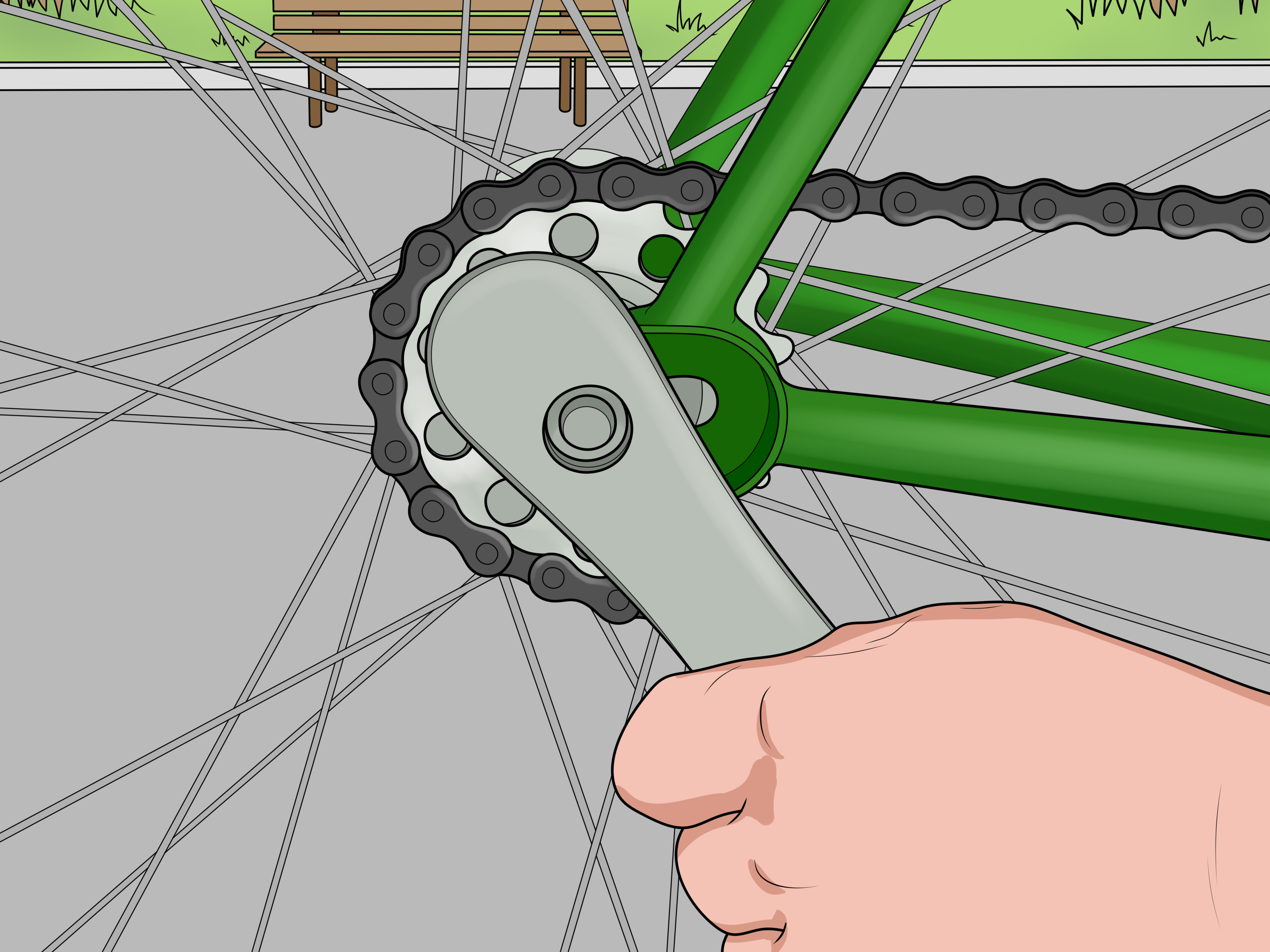
A fixed gear bike is the cycling equivalent of a black coffee: simple, direct, and not especially interested in coddling you. There is no coasting, no lazy pedal pause, and no magical bailout gear when the road tilts upward and starts judging your life choices. But that is exactly why fixed gear riding has such a loyal fan base. It feels connected. It feels smooth. It makes even a short ride to the corner store feel like a tiny athletic event with attitude.
If you are new to a fixie, the first thing to understand is that the bike is always talking to you. The pedals keep moving because the rear wheel keeps moving. That means every start, every stop, every turn, and every downhill requires a little more attention than it would on a freewheel bike. The upside is that a fixed gear can sharpen your pedal stroke, improve your road awareness, and teach you how to ride with more intention. The downside is that the bike will absolutely expose sloppy habits. Lovingly, of course.
This guide breaks the experience into four practical ways to ride a fixed gear bike, whether you are commuting across town, practicing in an empty parking lot, or figuring out why your legs suddenly feel like they enrolled in a private spin class. Along the way, we will cover technique, safety, bike setup, and the real-world feel of riding fixed without turning the whole thing into a macho circus. Because yes, a fixed gear bike can be cool. But cool with brakes is still cooler.
Before You Start: Get the Bike and Your Body Ready
Before the four riding styles, let’s handle the part that nobody brags about on social media: setup. A fixed gear bike should fit you properly, stop properly, and roll properly. If the frame is too large, the saddle is too high, the chain is too loose, or the brake is more decorative than functional, your ride will go from stylish to sketchy in a hurry.
Start with saddle height. You want a slight bend in your knee at the bottom of the pedal stroke, not a locked leg and not a cramped squat. Your bars should allow you to reach comfortably without folding yourself like a lawn chair. Check your tires, make sure the chain tension is correct, and make sure the brake lever is easy to reach. On a street-ridden fixed gear, a front brake is not just sensible; it is the grown-up move. If anyone tells you brakeless is the only “real” way, feel free to let them volunteer as tribute instead.
Also dress like someone who would like to arrive alive. Wear a helmet, use lights when visibility is poor, and avoid the all-black “urban ninja” outfit if you are riding in traffic at dusk. Looking mysterious is fun. Being visible is better.
1. Ride It Like a Beginner: Learn the Start, the Spin, and the Stop
The first way to ride a fixed gear bike is the most important one: slowly, deliberately, and with your ego parked somewhere far away. Find a quiet lot, a calm side street, or any open pavement where you can practice without cars, crowds, or an audience of overconfident cousins.
Practice mounting and rolling
Unlike a regular bike, a fixed gear does not let you fake your way through a sloppy start. Position one pedal around the 1 or 2 o’clock position, press down smoothly, and let the bike begin to roll. Keep your upper body relaxed and your grip light. New riders often tense up because the pedals continue moving under their feet. That is normal. Your job is not to fight the pedal motion like it insulted your family. Your job is to match it.
Learn smooth cadence
On a fixed gear, your pedal stroke matters more because it never takes a coffee break. Focus on making circles, not stomps. If you mash the pedals in chunks, the bike feels jerky. If you pedal smoothly, the bike feels almost elegant. One of the best things about riding fixed is how quickly it teaches rhythm. Suddenly, spinning cleanly feels less like exercise and more like drumming with your legs.
Practice stopping without drama
Stopping on a fixed gear is a combination of planning, leg control, and brake use. Ease off your speed early, apply gentle back pressure through the pedals, and use your front brake progressively rather than grabbing it like you are trying to win a carnival prize. A good stop is quiet, balanced, and boring. That is a compliment. The road is not the place to audition your emergency skid fantasies.
At this stage, keep both feet level when possible, look far ahead, and get used to the fact that your legs are now part of the braking conversation. Once starts and stops feel natural, the bike stops feeling weird and starts feeling wonderfully direct.
2. Ride It Like a City Bike: Commute, Cruise, and Stay Predictable
The second way to ride a fixed gear bike is as an everyday urban machine. This is where fixed gears shine. They are simple, low-maintenance, responsive, and oddly satisfying in stop-and-go traffic once you get the hang of them. A well-set-up fixie can be a fantastic city companion, especially if your route is relatively flat and you like a bike that feels quick under you.
Own your lane position
Good urban riding is less about heroics and more about visibility. Ride in a straight line. Stay out of the door zone next to parked cars. Signal clearly. Do not weave between gaps like you are late for a movie and everyone else is an inconvenience. Predictability is a survival skill on any bike, but on a fixed gear it also helps preserve your momentum and your mood.
In traffic, many newer riders hug the curb because it feels polite. Unfortunately, it can also make you less visible and more vulnerable to debris, drainage grates, and suddenly opened car doors. Ride where drivers can actually see you and understand what you are doing. A fixed gear is quick enough to reward smart positioning, and simple enough that you can keep more attention on the road instead of fiddling with shifting.
Use momentum like a secret weapon
Fixed gear riders learn to love momentum. Because you cannot shift into an easier gear every time the pace changes, you become better at protecting speed, reading traffic lights, and timing your effort. That means soft-pedaling into a green light instead of sprinting to a red one. It means carrying enough speed up a mild rise that the hill does not feel like a personal betrayal. It means riding smoothly rather than reacting late and braking hard every two blocks.
Respect the stoplight, not your inner racetrack commentator
A fixed gear bike often feels fast because of the constant pedal feedback. That does not make city streets your private velodrome. Obey traffic laws, use hand signals, and stay alert at intersections. If the road is busy, keep your choices simple and obvious. The coolest thing you can do on a commute is get to your destination without becoming a local cautionary tale.
3. Ride It Like a Training Tool: Climb Better, Spin Better, Think Ahead
The third way to ride a fixed gear bike is as a training tool. This is where many riders fall in love with fixed. It encourages a smoother cadence, better anticipation, and more efficient effort. The bike has one gear, which means the excuses department is permanently closed.
Climbing on a fixed gear
Climbing fixed is part fitness, part pacing, and part negotiation with your lungs. Because you cannot shift easier, you need to approach hills with a little momentum and a lot of honesty. Stay seated when you can, keep your upper body calm, and avoid turning the pedals into a courtroom argument. Short climbs often reward a steady rhythm. Longer climbs reward humility.
If your route has serious elevation, gear choice matters before the ride even starts. A friend’s gear ratio that feels “perfect” on flat streets may feel like medieval punishment on rolling terrain. The smartest fixed gear riders are not the ones with the hardest setup. They are the ones who choose a ratio that matches their roads, fitness, and goals.
Descending on a fixed gear
Descending is where beginners discover that a fixie has a wicked sense of humor. As speed rises, your cadence rises with it. Suddenly your legs are spinning fast enough to question physics, fashion, and every decision that led you here. The solution is not panic. It is preparation.
Stay loose, keep your weight centered, and control speed early rather than late. Use your front brake smoothly and decisively when needed. Do not wait until the bottom of the hill and then ask your legs and your brake to solve everything at once. A fixed gear descent is best managed in small decisions, not one giant apology.
Corner with brains, not bravado
Slow before the turn, not during the turn whenever possible. Look through the corner, keep your movements smooth, and avoid sudden braking while leaned over. Because the pedals are always moving, be aware of pedal position when the bike leans. Fixed gear riding rewards anticipation in a big way. Think ahead, set up early, and your lines get smoother. Wait too long, and the bike will hand you a lesson you did not order.
4. Ride It Like a Skilled Fixed-Gear Rider: Control the Bike Without Showing Off
The fourth way to ride a fixed gear bike is with refined control. This is where you stop merely surviving the drivetrain and start working with it. Your pedaling becomes smoother, your stops become cleaner, and your body starts reading the road with less panic and more instinct.
Use leg pressure as control, not as a stunt
One of the unique pleasures of a fixed gear bike is that you can modulate speed with your legs. Gentle resistance through the pedals can help settle the bike, trim speed, and make you feel deeply connected to the rear wheel. That is useful. What is not useful is pretending this replaces a properly working brake in every situation. Advanced tricks may look flashy in a clip online, but street riding rewards judgment far more than theatrics.
Refine your posture
The better you get, the less busy you look. Skilled riders keep their upper body quiet, their gaze forward, and their hands calm on the bars. They do not bounce, flail, or wrestle the bike at every crack in the pavement. On a fixed gear, smoothness is speed, comfort, and confidence all rolled into one lean machine.
Build habits that keep the ride fun
Check chain tension regularly. Inspect tires and brake pads. Keep your drivetrain clean. Bring the basics for a flat repair. A fixed gear bike is beautifully simple, which means every little issue becomes easier to notice and easier to fix. That simplicity is part of the appeal. The bike asks less from you mechanically, but a bit more from you as a rider. Fair trade, honestly.
And perhaps most importantly, know when fixed is the right choice and when it is not. Some routes, weather conditions, or fatigue levels may call for a geared bike, and that is perfectly fine. Riding fixed is not a moral achievement. It is a style of riding. A fun one, yes. A character-building one, absolutely. But still just one flavor of cycling, not a sacred oath.
Common Mistakes to Avoid on a Fixed Gear Bike
The biggest beginner mistake is forgetting that you cannot coast. The second biggest is remembering it half a second too late. Other classics include choosing a gear ratio that is too hard, riding in traffic before basic control feels natural, ignoring the front brake, and mistaking social media swagger for useful technique.
Another common mistake is overgripping the bars. Relax your shoulders. Let the bike move a little beneath you. A fixed gear feels best when you guide it rather than strangle it. Also, do not underestimate fatigue. Fixed gear riding can feel efficient and playful, but it also keeps your legs engaged all the time. On longer rides, that constant engagement adds up. Eat, drink, and pace yourself like a person who enjoys functioning.
Why So Many Riders Love the Fixed Gear Experience
Because it is simple. Because it is honest. Because every pedal stroke counts. A fixed gear bike strips cycling down to the essentials and somehow makes the basics feel new again. You notice cadence. You notice road texture. You notice how a tiny timing change at a stoplight can save effort for the next block. You notice the ride itself, not just the destination.
There is also a weird joy in how alive the bike feels beneath you. On a geared bike, the drivetrain often fades into the background. On a fixed gear, it is part of the conversation from start to finish. That constant connection is what keeps riders coming back. It is not about being harder for the sake of being harder. It is about feeling more involved in every moment of the ride.
Rider Experiences: What Fixed-Gear Riding Actually Feels Like
The first few rides on a fixed gear bike usually feel like your brain and your legs are not on speaking terms. You stop pedaling out of habit, the pedals keep moving anyway, and suddenly you realize the bike has its own opinion about how this relationship is going to work. It is humbling, slightly funny, and not nearly as impossible as it seems from the outside.
Most riders say the biggest surprise is how quickly the motion begins to make sense. What felt awkward on day one starts to feel natural after a few rides. You begin to anticipate intersections sooner. You stop pedaling in squares and start pedaling in circles. The bike feels less like a machine you are operating and more like an extension of your timing. That is the magic people are talking about when they describe a fixie as “connected.” It is not mystical. It is mechanical honesty with a side of calf burn.
Commuters often talk about how a fixed gear sharpens their awareness. You start reading traffic more carefully because you cannot simply coast into every situation and sort it out later. You look farther ahead. You notice road surface changes earlier. You learn to protect momentum in a way that makes urban riding feel smoother and smarter. Even boring routes can become more interesting because the bike turns tiny choices into meaningful ones.
Then there is the fitness side. A lot of riders discover muscles they apparently had been ghosting for years. Fixed gear riding can improve your cadence and encourage a more fluid pedal stroke, but it also exposes poor pacing in record time. Attack every rise too hard and the bike will collect payment immediately. Ride with rhythm and restraint, and it feels wonderfully efficient. In that sense, the fixed gear experience is a little like having a brutally honest coach who never raises their voice because they do not need to.
There is also a strong emotional side to riding fixed. Some people love the minimal look. Some love the simplicity. Some love that a fixed gear asks for skill and attention rather than gadgetry. And some just love how ridiculously satisfying it feels to roll through a city block with smooth cadence, clean line choice, and a bike that seems to hum back at you. It feels stylish, yes, but also strangely grounding. No extra gears. No extra noise. Just you, the road, and a drivetrain that never stops participating.
At the same time, experienced riders usually become less theatrical about the whole thing. The longer people ride fixed, the less they care about impressing strangers and the more they care about a bike that fits, brakes that work, and habits that make daily riding enjoyable. That may be the most honest fixed-gear experience of all. You start because it looks cool. You stay because it feels good. And somewhere in the middle, you learn that the best fixed-gear rider is usually the one who looks calm, rides smart, and still gets home smiling.
Conclusion
If you want to ride a fixed gear bike well, think of it in four stages: learn the basics, use it smartly in the city, treat it like a training tool, and then develop smooth control without drifting into show-off territory. Start simple. Respect braking. Stay visible. Choose a sensible gear ratio. Let the bike teach you rhythm instead of trying to overpower it.
A fixed gear bike is not for every rider or every road, but it can be one of the most rewarding ways to ride. It asks you to be present, smooth, and honest. And in a world full of gadgets, that kind of simplicity feels refreshingly rebellious. Also, your calves may file a formal complaint. Consider that part of the charm.