Witch hazel has been hanging around bathroom cabinets for generations, right next to the mystery cotton balls, the half-used moisturizer, and that one lip balm nobody can identify. But unlike some old-school beauty tricks that deserve a polite retirement party, witch hazel still has a place in modern skincare when used correctly.
Known for its astringent and soothing properties, witch hazel is often used to reduce excess oil, refresh the skin, calm mild irritation, and make pores look temporarily tighter. The magic word here is temporarily. Witch hazel does not vacuum-clean your pores like a tiny facial Roomba, and it will not replace acne medicine, sunscreen, moisturizer, or a dermatologist. But as part of a simple skincare routine, especially for oily or combination skin, it can be genuinely useful.
The key is knowing how to apply witch hazel to your face without turning your skin barrier into a dramatic soap opera. Alcohol-heavy formulas, overuse, and aggressive scrubbing can cause dryness, stinging, redness, and irritation. Choose an alcohol-free witch hazel toner whenever possible, patch test first, and use it with a gentle hand. Your face is not a kitchen counter; it does not need to be wiped down like one.
Below are four practical, skin-friendly ways to use witch hazel on your face, plus safety tips, examples, and real-life experience notes to help you decide whether this classic botanical deserves a spot in your routine.
What Is Witch Hazel, and Why Do People Use It on the Face?
Witch hazel comes from the Hamamelis virginiana plant. In skincare, it is commonly used as a topical astringent, meaning it can help remove excess surface oil and create a temporary tightening sensation. This is why many people reach for witch hazel when their T-zone looks shiny enough to signal aircraft.
Witch hazel also contains naturally occurring compounds such as tannins and antioxidants, which are often linked to its calming and oil-balancing reputation. However, the way witch hazel behaves on your skin depends heavily on the formula. Some products are alcohol-free and include soothing ingredients like aloe vera or glycerin. Others contain a high percentage of alcohol, which can feel refreshing at first but may leave the skin dry, tight, or irritated later.
Who may benefit from witch hazel?
Witch hazel may be helpful for people with oily, combination, or mildly acne-prone skin. It can be especially useful when applied only to areas that get greasy, such as the forehead, nose, and chin. People with dry, sensitive, rosacea-prone, or eczema-prone skin should be more cautious. If your skin gets angry when a cloud passes in front of the sun, witch hazel may need to be used sparinglyor skipped altogether.
Before You Apply Witch Hazel: Choose the Right Formula
Before discussing the four methods, let’s talk product selection. The best witch hazel for face use is usually alcohol-free, fragrance-free, and designed specifically for facial skin. Look for labels that mention soothing or barrier-friendly ingredients, such as aloe vera, glycerin, hyaluronic acid, cucumber extract, or niacinamide.
Avoid formulas that smell like a first-aid kit from 1997. Strong alcohol scent is often a sign the product may be too drying for regular facial use. Also be cautious with products that combine witch hazel with several active ingredients, such as salicylic acid, glycolic acid, or retinoids. Those can be useful, but layering too many actives at once is how a skincare routine turns into a group project with no adult supervision.
Do a patch test first
Apply a small amount of witch hazel behind your ear or along your jawline once or twice a day for several days. Watch for redness, itching, burning, bumps, dryness, or peeling. If your skin complains, listen. If the area stays calm, you can cautiously try it on a larger area of your face.
1. Apply Witch Hazel as a Toner After Cleansing
The most common way to apply witch hazel to your face is as a toner after washing. This method works best for oily or combination skin and helps remove leftover oil, sweat, or cleanser residue while leaving the skin feeling fresh.
How to do it
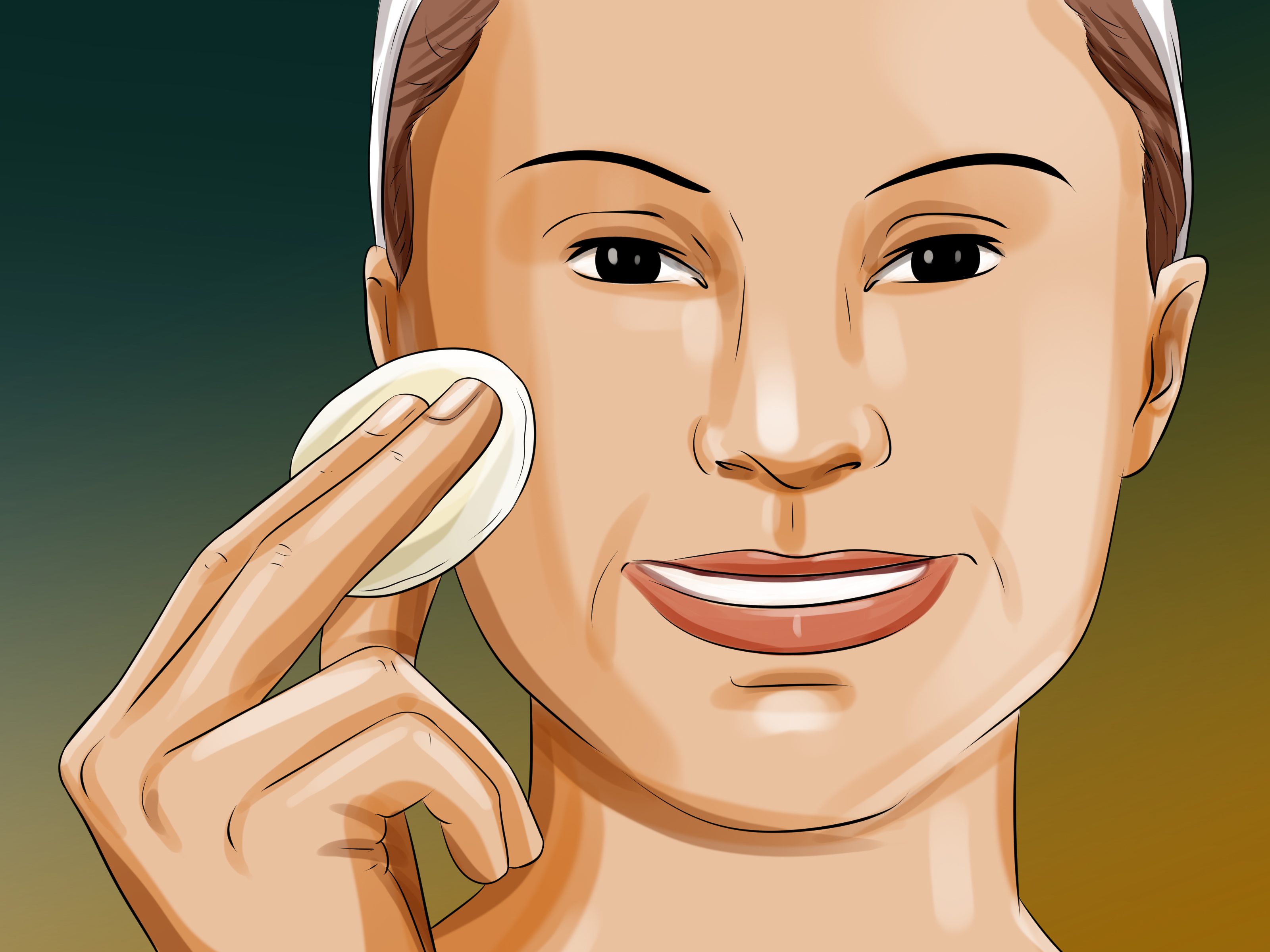
Start with a gentle facial cleanser. Rinse with lukewarm water and pat your face dry with a clean towel. Pour a small amount of alcohol-free witch hazel onto a soft cotton pad. Sweep it lightly over your face, focusing on oily areas such as the T-zone. Avoid the eyelids, corners of the nose, lips, and any broken or irritated skin.
Do not scrub. If you are pressing hard enough to emotionally bond with the cotton pad, you are pressing too hard. A gentle swipe is enough. After applying witch hazel, follow with a moisturizer. Even oily skin needs hydration; skipping moisturizer can encourage your skin to produce more oil, which is the opposite of the glow-up you ordered.
How often should you use it?
Begin with once every other day. If your skin tolerates it well, you may use it once daily. Some oily skin types can handle morning and evening use, but more is not automatically better. If your face feels tight, flaky, hot, or stingy, reduce the frequency or stop using it.
2. Dab Witch Hazel on Oily Areas Instead of the Whole Face
Not every skincare product needs to be applied everywhere. Your cheeks may be dry while your nose is producing enough oil to host a small cooking show. In that case, targeted application is smarter than full-face application.
How to do it
After cleansing, dip a cotton swab or the corner of a cotton pad into witch hazel. Dab it only where you get shiny: usually the forehead, nose, chin, or around the sides of the nose. Let it dry naturally, then apply moisturizer to the whole face.
This method is especially helpful for combination skin. It gives oily zones a little help without punishing drier areas. Think of it as assigning skincare by department: the T-zone gets oil control, the cheeks get peace and quiet.
When this method works best
Use targeted witch hazel application before makeup, after a sweaty commute, or during humid weather when your skin feels greasy by lunchtime. If you wear foundation, applying witch hazel sparingly to oily zones may help your skin feel smoother before primer. Just remember to let it dry fully before layering other products.
3. Use Witch Hazel as a Quick Refreshing Face Mist
Some witch hazel products come in spray form, and they can be convenient for a quick refresh. A mist can feel especially nice in hot weather, after exercise, or whenever your face feels a little too “afternoon.”
How to do it
Choose an alcohol-free facial mist that contains witch hazel and soothing ingredients. Hold the bottle about 8 to 10 inches from your face, close your eyes and mouth, and spray lightly one or two times. Do not inhale the mist. Let it settle, then gently press your skin with clean hands if needed.
A witch hazel mist should not replace cleansing after a serious workout. If sweat, sunscreen, makeup, and city air have formed a committee on your face, wash properly. A mist is a refresh button, not a shower in a bottle.
Best times to use a witch hazel mist
Use it after cleansing in the morning, after removing makeup, or during the day when your skin feels oily. If you have sensitive skin, use the mist only occasionally and watch for dryness. Also, avoid spraying directly over strong active treatments unless you know your skin tolerates the combination.
4. Apply Witch Hazel as a Short-Contact Compress for Mild Irritation
Witch hazel is often used to soothe mild skin irritation, but the face requires extra caution. A short-contact compress may help calm minor redness from heat, shaving, or oiliness, but it should not be used on open wounds, severe rashes, active eczema flares, infected pimples, or painful skin reactions.
How to do it
Soak a clean cotton pad or soft cloth with alcohol-free witch hazel. Press it gently onto the irritated area for 30 to 60 seconds. Remove it, let the skin dry, and apply a bland moisturizer. Do not leave the compress on for a long time. More contact does not mean more benefit; it can simply increase the chance of dryness.
This method can be useful after shaving the face, around areas that feel mildly inflamed, or on a small oily breakout that feels tender. However, witch hazel is not a cure for acne, rosacea, dermatitis, or allergic reactions. If irritation is persistent, spreading, painful, or accompanied by swelling, stop experimenting and call a healthcare professional.
How Witch Hazel Fits Into a Simple Skincare Routine
A balanced routine is more important than any single product. Witch hazel should be treated like a supporting actor, not the star of the entire show. The core routine is simple: cleanse, treat if needed, moisturize, and protect with sunscreen in the morning.
Morning routine example
Wash with a gentle cleanser, apply witch hazel to oily areas, use a lightweight moisturizer, and finish with broad-spectrum sunscreen. Sunscreen is non-negotiable. Witch hazel may make your skin feel clean, but it cannot protect you from UV damage, dark spots, premature aging, or that “I forgot SPF” regret.
Evening routine example
Cleanse your face, apply witch hazel if your skin tolerates it, then use moisturizer. If you also use retinoids, exfoliating acids, benzoyl peroxide, or prescription acne products, be careful. Combining witch hazel with multiple drying products may irritate your skin. In that case, use witch hazel on alternate days or skip it entirely.
Common Mistakes to Avoid
Using witch hazel too often
Daily use may be fine for some oily skin types, but others will get dry quickly. If your skin starts feeling tight, shiny-but-dry, itchy, or flaky, reduce use. Skin that squeaks is not clean; it is begging for moisturizer and possibly a vacation.
Choosing high-alcohol formulas
Alcohol-based witch hazel can feel refreshing because it evaporates quickly. Unfortunately, that quick-dry feeling can also strip the skin and trigger irritation. If you want to apply witch hazel to your face regularly, alcohol-free is usually the better choice.
Applying it around the eyes
The skin around the eyes is thinner and more delicate than the rest of the face. Keep witch hazel away from eyelids and under-eye areas unless a product specifically says it is safe for that use. Even then, proceed carefully. Your eyeballs did not sign up for toner.
Expecting it to erase pores
Pores do not open and close like tiny garage doors. Witch hazel may temporarily reduce the appearance of pores by removing oil and creating a tightening effect, but it cannot permanently shrink them. Genetics, oil production, age, and sun damage all influence pore appearance.
Who Should Avoid Witch Hazel on the Face?
You may want to avoid witch hazel if you have very dry skin, highly sensitive skin, rosacea, eczema, a damaged skin barrier, or frequent allergic reactions to skincare products. You should also avoid using it on sunburned, peeling, cracked, bleeding, or infected skin.
If you are using prescription acne medicine or strong exfoliants, ask your dermatologist before adding witch hazel. The combination may be too drying. Also, never drink witch hazel. Products made for topical use belong on the skin, not in your smoothie, tea, or “wellness experiment” of the week.
Experience Notes: What Using Witch Hazel on Your Face Is Really Like
Using witch hazel successfully is less about dramatic overnight transformation and more about small, consistent adjustments. For many people with oily or combination skin, the first noticeable effect is not “perfect skin” but a cleaner, less greasy feeling after cleansing. The face may look a little more matte, especially around the nose and forehead. Makeup may sit better for a few hours. The skin may feel refreshed in a way that is satisfying but not overly tight.
A common beginner experience goes like this: someone buys a bottle of witch hazel because their skin looks shiny by noon. They apply it all over the face twice a day with heroic enthusiasm. For the first few days, everything feels wonderful. Then the cheeks start to feel tight. The chin flakes. The forehead looks oily again but somehow also dry, which feels unfair and slightly rude. This is usually not proof that witch hazel is “bad.” It is often proof that the application method was too aggressive, the formula was too drying, or the skin needed more moisturizer.
A better experience starts slowly. Imagine someone with combination skin who uses witch hazel only on the T-zone every other morning. They cleanse gently, dab witch hazel on the nose and forehead, wait a minute, and apply a light moisturizer. After two weeks, the oily areas may feel more controlled without the cheeks becoming desert property. That is the sweet spot: targeted, moderate, and boring in the best possible way.
People with acne-prone skin may notice that witch hazel helps reduce surface oil, but it usually does not clear acne by itself. Whiteheads, blackheads, inflamed pimples, and hormonal breakouts often need proven acne ingredients such as benzoyl peroxide, salicylic acid, adapalene, or prescription treatments. Witch hazel can be a supporting product, not the entire acne battle plan. Think of it as the helpful friend who brings snacks to moving daynot the moving truck.
For sensitive skin, the experience can be mixed. Some alcohol-free formulas feel soothing, especially when they include aloe or glycerin. Others still sting or cause redness. This is why patch testing matters. A product that works beautifully for one person may act like a tiny chaos goblin on someone else’s face. Skin type, climate, hormones, medications, shaving habits, and other skincare products all influence the result.
The most practical lesson is to watch your skin after each use. If it feels calm, comfortable, and balanced, your method may be working. If it feels hot, tight, itchy, flaky, or irritated, pull back. Skincare is not a toughness contest. Your skin does not hand out trophies for suffering through a product that clearly is not working.
Conclusion: The Smart Way to Apply Witch Hazel to Your Face
Witch hazel can be a useful facial skincare ingredient when you choose the right formula and apply it thoughtfully. The safest approach is to use an alcohol-free product, patch test first, apply gently, focus on oily areas, and always follow with moisturizer. Use it as a toner, a targeted oil-control step, a light mist, or a short-contact compress for mild irritation.
The biggest rule is simple: do not overdo it. Witch hazel should leave your face feeling refreshed, not stripped, crispy, or personally offended. If dryness or irritation appears, reduce use or stop altogether. And if you have persistent acne, rosacea, eczema, or unexplained facial irritation, a dermatologist can help you build a routine that does more than guess.
Used wisely, witch hazel is not a miracle potionbut it can be a handy, affordable, and refreshing addition to a balanced skincare routine. Your pores may not vanish into another dimension, but your face may feel cleaner, calmer, and less shiny. Honestly, that is a pretty respectable win for one humble bottle.
SEO Metadata
Note: This content is for general skincare education and is not a substitute for medical advice. Stop using witch hazel if irritation, burning, swelling, or rash occurs, and consult a dermatologist for persistent acne, rosacea, eczema, or sensitive-skin concerns.