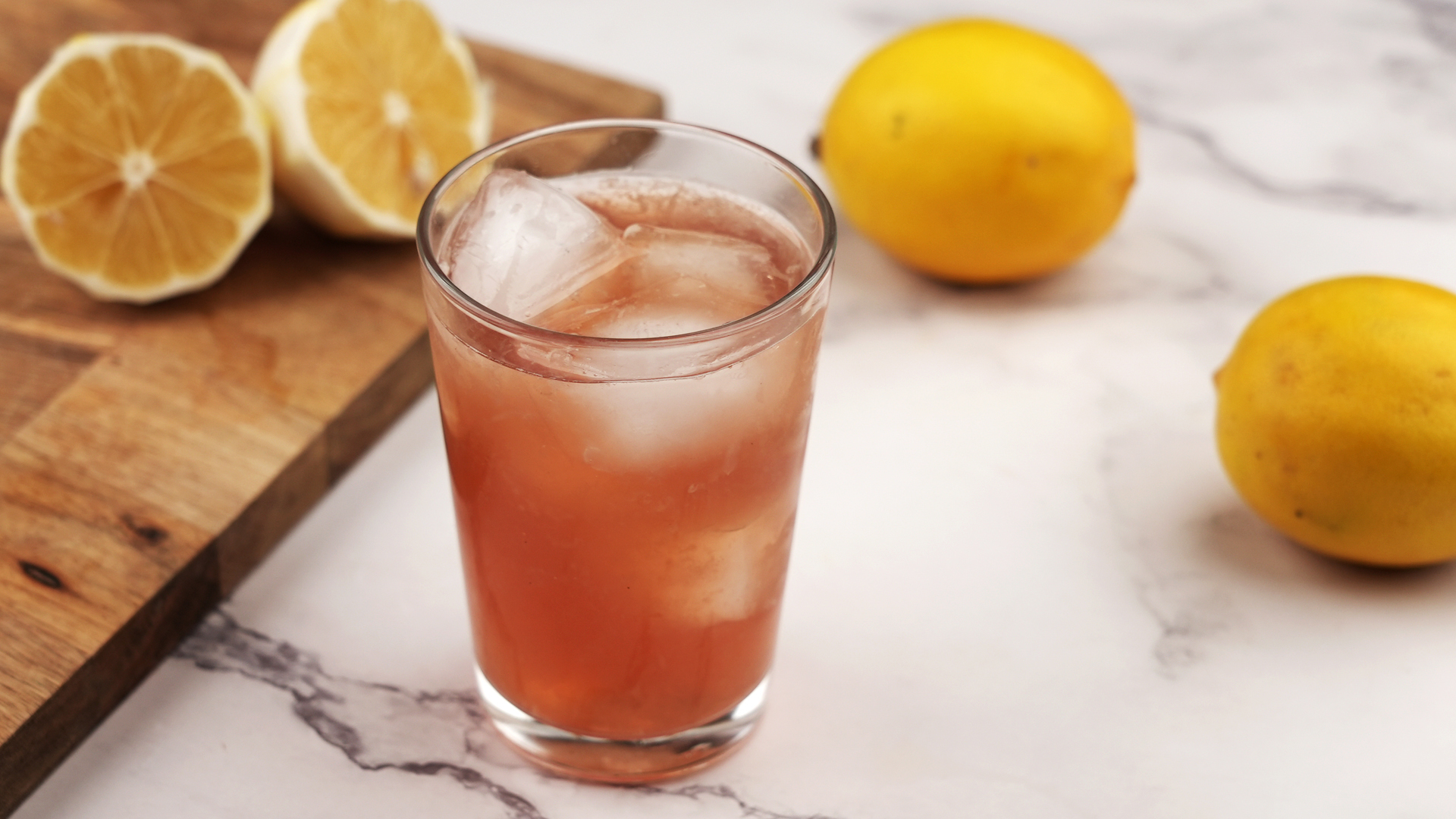
Some store-bought energy drinks look like they were mixed in a science lab by a raccoon with a chemistry degree. Bright colors, mystery flavors, dramatic lightning bolts on the labelvery exciting, but not always necessary. If what you actually need is hydration, a little quick energy, and electrolytes after a sweaty workout, you can make your own sports drink at home with ingredients you probably already understand: water, citrus, salt, fruit juice, honey, coconut water, and maybe a modest caffeine source if it fits your routine.
This guide breaks down 3 ways to make an energy drink that behaves more like a practical DIY sports drink than a sugar rocket in a bottle. We will cover a classic lemon-lime electrolyte drink, a coconut-water recovery blend, and a lightly caffeinated iced tea version for people who want a gentle pre-workout lift without turning into a human hummingbird.
Before we start shaking mason jars like tiny workout maracas, here is the big idea: most people do not need a sports drink for casual sipping. Plain water is usually enough for everyday hydration. But if you are exercising hard, sweating heavily, training longer than about an hour, working outside in heat, or recovering from fluid loss, a homemade electrolyte drink can be useful. The secret is balance: fluid, sodium, a little carbohydrate, and flavor that makes you actually want to drink it.
What Is a DIY Energy Drink, Really?
The phrase “energy drink” can mean two very different things. A commercial energy drink often means caffeine plus added sugars, flavorings, and stimulants. A sports drink, on the other hand, is designed to replace fluid, sodium, potassium, and carbohydrate lost during sweating and exercise. For this article, we are focusing mostly on the second category: homemade sports drinks that support hydration and workout energy.
Your muscles use carbohydrates as a quick fuel source during activity. Your body also loses water and electrolytes, especially sodium and chloride, through sweat. That is why a good DIY sports drink usually includes three basic parts:
- Water for hydration
- Salt for sodium, the key electrolyte lost in sweat
- A small amount of sugar or natural carbohydrate from honey, maple syrup, fruit juice, or coconut water
The goal is not to create a dessert wearing gym shorts. A useful homemade electrolyte drink should taste refreshing, not syrupy. If it is so sweet that your water bottle smells like a melted popsicle, you may have crossed the line.
When Should You Drink a Homemade Sports Drink?
A DIY sports drink makes the most sense when your body needs more than plain water. Think long runs, bike rides, hikes, hot yoga, outdoor work, tournament days, or workouts where your shirt ends up looking like it survived a rainstorm. It can also be helpful when you are recovering from mild dehydration caused by heavy sweating, although serious dehydration, vomiting, diarrhea, fever, or medical conditions require professional guidance.
For light activity under an hour, water is usually enough. For longer, hotter, or more intense efforts, a drink with electrolytes and carbohydrates may help support hydration, maintain energy, and make drinking easier because it tastes good. That flavor matters. A drink only works if you actually drink it. Your beautifully optimized electrolyte potion cannot help you if it sits untouched beside your running shoes like a rejected side quest.
The Simple Formula for a Homemade Sports Drink
Most practical DIY sports drinks follow a flexible formula:
Fluid + sodium + carbohydrate + flavor = better workout hydration.
For a 32-ounce bottle, a useful starting point is:
- 3 to 4 cups water or a water-coconut water blend
- 1/8 to 1/4 teaspoon table salt
- 1 to 3 tablespoons honey, maple syrup, or sugar
- 2 to 4 tablespoons lemon, lime, or orange juice
This creates a drink that is lightly sweet, salty enough to replace some sodium, and flavorful enough to keep you sipping. You can adjust sweetness based on workout length and intensity. More intense endurance training may call for more carbohydrate. Shorter workouts usually need less.
Way 1: Classic Lemon-Lime Electrolyte Sports Drink
This is the homemade version of the classic sports drink flavor, minus the neon glow. It is bright, simple, cheap, and easy to scale for a water bottle, pitcher, or post-yardwork rescue mission.
Ingredients
- 3 1/2 cups cold water
- 1/2 cup fresh orange juice or 100% orange juice
- 2 tablespoons fresh lemon juice
- 1 tablespoon fresh lime juice
- 2 tablespoons honey or maple syrup
- 1/4 teaspoon table salt
- Optional: a few mint leaves or a small slice of fresh ginger
How to Make It
- Add the honey or maple syrup and salt to a small amount of warm water. Stir until dissolved.
- Pour the mixture into a bottle or pitcher.
- Add the remaining cold water, orange juice, lemon juice, and lime juice.
- Shake or stir well.
- Chill for at least 20 minutes, or pour over ice.
Why It Works
This homemade electrolyte drink gives you water for hydration, salt for sodium, citrus for flavor, and quick carbohydrates from juice and honey. Orange juice also adds potassium, while lemon and lime keep the drink crisp instead of cloying. The result is a refreshing DIY sports drink that tastes like summer decided to go jogging.
Use this version before or during workouts lasting more than an hour, especially in warm weather. If you are doing light stretching, a casual walk, or sitting at your desk courageously opening spreadsheets, plain water is probably enough.
Way 2: Coconut Water Recovery Energy Drink
Coconut water has a natural “sports drink” reputation because it contains potassium and a mild sweetness. However, it is usually lower in sodium than many commercial sports drinks, so adding a small pinch of salt makes it more useful after sweating. This recipe is especially good after a workout when you want something fruity but not heavy.
Ingredients
- 2 cups unsweetened coconut water
- 1 1/2 cups cold water
- 1/2 cup 100% pineapple juice or orange juice
- 1 tablespoon lemon juice
- 1 tablespoon honey, optional
- 1/8 to 1/4 teaspoon table salt
- Optional: 1/4 cup frozen berries for flavor and color
How to Make It
- Combine coconut water, cold water, juice, lemon juice, honey, and salt in a blender or shaker bottle.
- If using frozen berries, blend until smooth. If not, simply shake well.
- Taste and adjust with more lemon juice for brightness or more water if it tastes too sweet.
- Serve chilled.
Why It Works
This drink combines fluid, potassium-rich coconut water, fruit-based carbohydrate, and added sodium. It is a smart post-workout option after moderate sweating, especially if you prefer a natural sports drink flavor. Pineapple juice gives it a tropical personality; orange juice makes it more familiar; berries make it look fancy enough to post online if that is part of your recovery protocol.
The key is to choose unsweetened coconut water. Some bottled versions contain added sugar or flavorings that can turn your recovery drink into a beach vacation with a nutrition label problem. Check the ingredient list and keep it simple.
Way 3: Iced Green Tea Citrus Energy Drink
This is the best option when you want a modest lift before exercise. Green tea naturally contains caffeine, though usually less than coffee or many commercial energy drinks. It also brings a clean flavor that pairs well with citrus. This is not a drink for children, and adults who are sensitive to caffeine, pregnant, managing heart rhythm issues, or limiting caffeine for medical reasons should skip it or ask a healthcare professional.
Ingredients
- 2 cups brewed green tea, cooled
- 1 1/2 cups cold water
- 1/2 cup orange juice
- 1 tablespoon lemon juice
- 1 to 2 tablespoons honey
- 1/8 teaspoon table salt
- Optional: sliced cucumber, mint, or fresh ginger
How to Make It
- Brew green tea according to package directions, then let it cool completely.
- In a pitcher, combine cooled tea, water, orange juice, lemon juice, honey, and salt.
- Stir until the honey dissolves. Use warm tea for easier mixing, then chill.
- Add mint, cucumber, or ginger if desired.
- Serve over ice about 30 to 60 minutes before a workout.
Why It Works
This drink gives you hydration, light carbohydrate, sodium, citrus flavor, and a moderate caffeine boost. It is best for adults who want a homemade pre-workout drink without the intense stimulant blend often found in commercial energy drinks. The caffeine should feel like a friendly tap on the shoulder, not like your nervous system just joined a marching band.
If you train late in the day, skip the caffeine version. Sleep is still the most underrated recovery drink on Earth, and unfortunately it does not come in blue raspberry.
How to Customize Your DIY Sports Drink
The beauty of making your own energy drink is control. You can adjust flavor, sweetness, saltiness, and strength based on your workout and taste preferences.
For Sweaty Workouts
If you sweat heavily, exercise in heat, or notice salty streaks on your clothes, use the higher end of the salt range. Start with 1/4 teaspoon salt per 32 ounces. If you need more sodium because of endurance training or medical guidance, work with a sports dietitian instead of freelancing like a salty wizard.
For Short Workouts
Use less sweetener. One tablespoon of honey or maple syrup may be enough. You can also dilute the recipe with more water. For a 30-minute easy workout, you may not need a sports drink at all.
For Longer Endurance Sessions
Increase carbohydrate slightly by adding more juice or sweetener. The drink should still be easy to digest. A beverage that is too concentrated can feel heavy in your stomach, especially during running.
For Lower Sugar Hydration
Use lemon, lime, cucumber, mint, and a pinch of salt with mostly water. This will not provide much workout fuel, but it can make hydration more appealing without adding many calories.
Common Mistakes When Making Homemade Energy Drinks
Using Too Much Salt
Salt helps replace sodium, but more is not always better. A drink that tastes like the ocean is not a hydration strategy; it is a dare. Start small and adjust gradually.
Adding Too Much Sugar
Carbohydrates can help fuel longer exercise, but a very sugary drink may slow digestion or add calories you do not need. Keep the drink lightly sweet unless you are fueling endurance activity.
Confusing Energy Drinks With Sports Drinks
A sports drink is about hydration and fuel. A commercial energy drink is often about caffeine and stimulation. They are not the same thing. If you want hydration, focus on water, sodium, and carbohydrates. If you want caffeine, use it carefully and keep the dose modest.
Forgetting Food
A DIY sports drink can support performance, but it cannot replace balanced meals. If you are training hard, you still need carbohydrates, protein, healthy fats, and enough total calories. Your water bottle is talented, but it is not dinner.
Safety Tips Before You Start Mixing
Homemade electrolyte drinks are generally simple, but they are not automatically right for everyone. People with kidney disease, heart conditions, high blood pressure, fluid restrictions, diabetes, or electrolyte disorders should ask a healthcare professional before using salty or sugary sports drinks regularly. Children and teens usually do not need caffeinated energy drinks, and caffeine is best avoided in homemade drinks for younger athletes.
Also, do not use pure caffeine powder in DIY beverages. It is difficult to measure safely, and small mistakes can be dangerous. If you want a caffeine option, brewed tea or coffee is easier to control.
Finally, listen to your body. Thirst, dark urine, dizziness, headache, unusual fatigue, confusion, or rapid heartbeat can be warning signs that you need to slow down, cool off, hydrate, or seek help. Severe dehydration and heat illness are medical concerns, not opportunities to test a new lemon-lime recipe.
of Real-Life Experience: What Making Your Own Sports Drink Actually Feels Like
The first time you make your own energy drink, it may feel almost suspiciously easy. You squeeze a lemon, add a pinch of salt, stir in honey, pour in cold water, and suddenly you are looking at something that costs a fraction of a bottled sports drink. There is no dramatic label. No athlete on the front. No promise that you will immediately become faster, stronger, and better at replying to emails. Just a clean, useful drink that tastes good.
The biggest surprise is how much control you have. Store-bought drinks can be too sweet, too artificial, or too intense. Homemade versions let you dial everything up or down. On a hot Saturday after mowing the lawn, the lemon-lime recipe feels like common sense in a glass. It is cold, salty-sweet, and refreshing without making your teeth feel like they just attended a candy convention. After a long walk or bike ride, the coconut water version feels smooth and tropical, especially when you add pineapple juice. It is the kind of drink that makes you believe you are one palm tree away from being deeply relaxed.
The green tea citrus drink is different. It feels more like a pre-workout ritual. You brew the tea, let it cool, add citrus and honey, then sip it before heading out. The caffeine is gentler than coffee for many people, and the flavor feels cleaner than most canned energy drinks. It is especially nice before a morning workout when you want a little lift but do not want your heart to start narrating an action movie.
Another practical benefit is budget. If you train several times a week, bottled drinks add up quickly. Homemade sports drinks use inexpensive ingredients, and you can prep a pitcher in advance. Keep it in the fridge for one to two days, shake before using, and you are set. It also reduces packaging waste, which is a nice bonus if your recycling bin already looks like it needs its own recycling bin.
The learning curve is mostly about taste. Too much salt? Add more water and citrus. Too much honey? Dilute it. Too bland? Add orange juice, ginger, mint, or a splash of berry puree. After a few tries, you will know your personal formula. Some people like tart drinks during exercise because they taste lighter. Others prefer a sweeter recovery drink after sweating. There is no single perfect recipe; there is the recipe you will actually drink.
The best experience, though, is realizing that hydration does not have to be complicated. You do not need a shelf full of powders unless your training demands it. You need fluid, sodium when sweat is high, some carbohydrate when effort is long, and enough flavor to make sipping automatic. That is the quiet magic of a DIY sports drink: it is simple, useful, and refreshingly undramatic.
Conclusion: Your Best Energy Drink May Be the One You Make Yourself
Learning 3 ways to make an energy drink gives you more than a few tasty recipes. It gives you control over what goes into your body before, during, and after exercise. A homemade sports drink can be light, natural, budget-friendly, and tailored to your sweat level, workout length, and flavor preferences.
For everyday hydration, water is still the champion. For long workouts, hot weather, heavy sweating, or recovery, a DIY electrolyte drink can be a smart tool. Start with the classic lemon-lime recipe, try coconut water when you want a recovery blend, and use the iced green tea version when a modest adult-friendly caffeine boost makes sense. Keep the sugar reasonable, do not overdo the salt, and remember that the best sports drink is not the flashiest one. It is the one that helps you feel good, perform well, and keep showing up.
Note: This article is for general informational purposes only and is not medical advice. Anyone with a medical condition, fluid restriction, blood pressure concern, kidney issue, diabetes, pregnancy-related nutrition questions, or caffeine sensitivity should consult a qualified healthcare professional before regularly using electrolyte or caffeinated drinks.