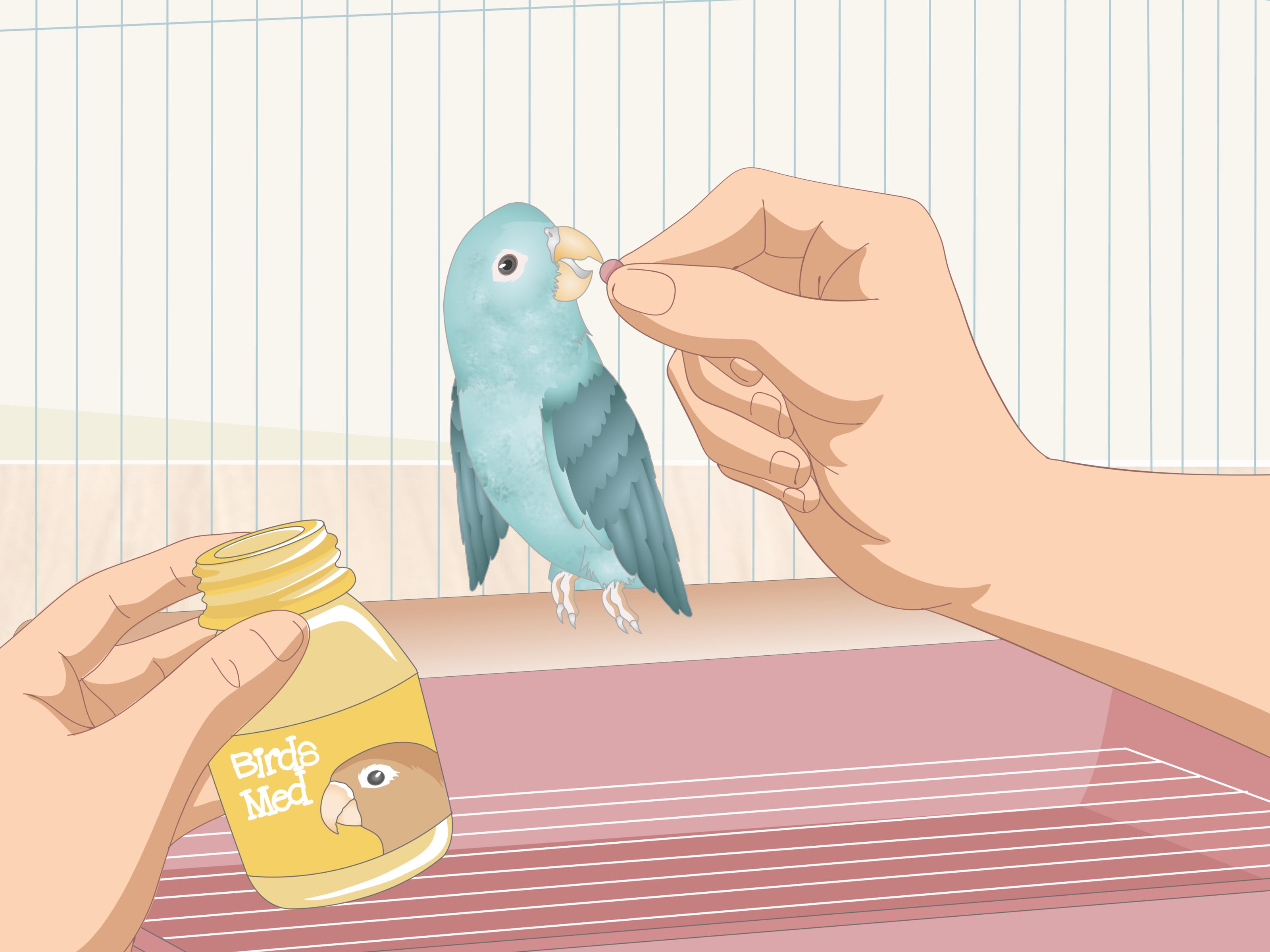
Pet birds are tiny feathered comedians. One day your cockatiel is whistling like a construction worker on lunch break, and the next day it is sitting quietly, fluffed up, giving you the “please cancel my appointments” look. The tricky part? Birds are experts at hiding illness. In the wild, looking weak can attract predators, so many pet birds keep acting “fine” until they are very much not fine.
That is why learning how to care for a sick pet bird at home matters. Home care is not a replacement for an avian veterinarian, but it can help keep your bird stable, calm, and comfortable while you arrange professional care. Think of it as bird first aid: warm, quiet, clean, and closely watched. No superhero cape requiredalthough your bird may still judge your outfit.
This guide explains three practical ways to support a sick bird at home: recognizing warning signs early, creating a safe recovery environment, and supporting food, water, hygiene, and observation until your veterinarian takes over.
Why Sick Pet Birds Need Fast Attention
Birds have fast metabolisms, small bodies, and very little “extra fuel” to waste. When a bird stops eating, becomes weak, or struggles to breathe, the situation can become serious quickly. A bird that looks mildly tired in the morning may need urgent veterinary care by evening.
Home care should begin the moment you notice something is off, but it should also include contacting an avian veterinarian as soon as possible. Birds are not small dogs with wings. Their anatomy, medication needs, diet, and stress responses are different. A general pet clinic may help in an emergency, but an avian vet is usually the best choice for accurate diagnosis and treatment.
Way 1: Spot the Signs of a Sick Bird Early
The first way to care for a sick pet bird at home is to notice illness before it becomes an emergency. Birds do not usually wave a tiny white flag and announce, “I have a respiratory infection.” Instead, they whisper through changes in posture, droppings, appetite, and behavior.
Common Symptoms of Illness in Pet Birds
Watch for these warning signs:
- Fluffed-up feathers for long periods
- Sitting low on the perch or resting on the cage floor
- Sleeping more than usual or keeping eyes closed during the day
- Reduced talking, singing, chirping, or social behavior
- Loss of appetite or unusual thirst
- Weight loss or a sharper-feeling breastbone
- Changes in droppings, including watery, discolored, or unusually small droppings
- Tail bobbing, wheezing, clicking, open-mouth breathing, or labored breathing
- Vomiting, regurgitation that seems abnormal, or food stuck around the face
- Discharge from the eyes, nostrils, or beak
- Weakness, stumbling, poor balance, or seizures
Some signs are “call the vet today” signs. Others are “go now” signs. Breathing problems, collapse, bleeding, seizures, severe weakness, poisoning, injury, egg-binding symptoms, or a bird sitting on the cage bottom should be treated as urgent.
Know What Is Normal for Your Bird
The best bird owners are part detective, part snack manager. You need to know your bird’s normal daily routine: how much it eats, how much it drinks, how often it vocalizes, what its droppings look like, and how active it usually is. A quiet afternoon may be normal for one parrot and a red-alert siren for another.
Weighing your bird regularly with a gram scale is also helpful. Many birds lose weight before owners notice visible changes. A small bird can lose a dangerous amount of body weight quickly, so a gram scale can reveal trouble before your eyes do.
Separate Sick Birds from Other Birds
If you have multiple birds, separate the sick bird from the flock. This reduces stress, prevents competition for food and water, and makes it easier to monitor droppings and appetite. It may also reduce the risk of spreading infectious disease.
Use a clean hospital cage, travel carrier, or smaller cage. Keep the sick bird close enough for observation but away from noise, drafts, pets, and curious humans who mean well but have the subtle energy of a marching band.
Way 2: Create a Warm, Quiet Recovery Space
The second way to care for a sick pet bird at home is to create the right environment. Sick birds often use precious energy just to stay warm and alert. A calm, stable space helps them conserve energy while you contact your veterinarian.
Keep the Bird Warmbut Not Overheated
Warmth is one of the most important parts of supportive care. Many veterinary sources recommend keeping a sick bird in a slightly warmer environment than usual. For many pet birds, that may mean the upper end of a normal indoor range, around 75°F to 80°F. In some first-aid situations, a warmer hospital-style setup may be used, but overheating is dangerous.
Safe warming options include placing the cage in a warm room, partially covering the cage to hold warmth, or using a heating pad outside part of the cage so the bird can move away from the heat if needed. Never put a bird directly on a heating pad, and never trap the bird in a fully heated space with no cooler area.
Signs of overheating include panting, holding wings away from the body, restlessness, or trying to escape the warm area. If you see these signs, reduce heat immediately. Your goal is cozy, not “tiny sauna with feathers.”
Reduce Stress and Noise
Move the bird to a quiet room away from barking dogs, loud televisions, children running laps, kitchen fumes, and other household chaos. Dim lighting can help a sick bird rest. Avoid unnecessary handling. Even a tame bird may find handling stressful when ill.
Keep the cage simple. Use low perches or remove high perches if the bird is weak, wobbly, or likely to fall. Place soft towels or paper at the bottom of the cage, but make sure the bird cannot chew and swallow loose threads. Food and water should be easy to reach without climbing.
Avoid Drafts, Smoke, and Fumes
Birds have sensitive respiratory systems. Keep them away from drafts, smoke, aerosol sprays, scented candles, strong cleaners, paint fumes, nonstick cookware fumes, and fireplace smoke. Even healthy birds can be harmed by airborne irritants; sick birds have even less room for error.
Clean air is part of treatment. If the room smells like perfume, bleach, burnt toast, or “mystery candle called Ocean Volcano,” it is probably not the recovery room your bird deserves.
Way 3: Support Food, Water, Hygiene, and Vet Follow-Up
The third way to care for a sick pet bird at home is to support basic needs while avoiding risky home treatments. Sick birds need access to familiar food, clean water, and a sanitary cage. They also need you to resist the internet’s worst advice, especially when it involves random medications or force-feeding.
Encourage Eating with Familiar Foods
A sick bird may refuse new foods, so this is not the time to launch a dramatic diet makeover. Offer familiar favorites that are safe for your bird’s species. Pellets, seeds, soft cooked grains, leafy greens, or warm mash may help depending on the bird’s normal diet and veterinary advice.
Place food close to where the bird is resting. Use shallow dishes if the bird is weak. Remove spoiled fresh food quickly. If your bird has not eaten for several hours, especially if it is small, call a veterinarian promptly. Tiny birds do not have the luxury of skipping meals like a dramatic teenager refusing breakfast.
Provide Clean Water Without Forcing It
Fresh water should always be available. If your bird is too weak to drink, that is a serious sign and needs veterinary attention. Do not force water into the beak unless a veterinarian specifically instructs you. Birds can aspirate liquid into the airway, which can make things much worse.
Electrolytes, supplements, or hand-feeding formulas should only be used with veterinary guidance. The wrong product, amount, or method can cause harm. “Natural” does not automatically mean safe, and “my neighbor used it for a chicken once” is not a treatment plan.
Keep the Cage Clean and Track Droppings
Line the bottom of the cage with plain white paper towels or clean paper so you can monitor droppings easily. Droppings tell a story: color, volume, consistency, and frequency can help your vet understand what is happening. Take photos if droppings change significantly.
Clean food and water bowls daily. Remove wet bedding, spoiled food, and heavy droppings. Wash hands after handling the bird, cage, droppings, bowls, or cleaning supplies. Pet birds can carry germs that may make people sick, so good hygiene protects the whole household.
Do Not Give Human Medication
Never give your bird human medicine, leftover pet medication, antibiotics, pain relievers, essential oils, or herbal remedies without a veterinarian’s instruction. Birds are extremely sensitive to many substances. A dose that seems tiny to you may be dangerous to a bird that weighs less than a granola bar.
Also avoid trimming wings, bathing, deep cleaning the cage with strong chemicals, or changing the diet dramatically while the bird is unstable. Keep things simple and safe: warmth, quiet, access to food and water, cleanliness, observation, and professional care.
When Home Care Is Not Enough
Home care is supportive, not curative. Your bird may need diagnostic tests, fluids, oxygen, antibiotics, antifungal treatment, pain control, crop evaluation, imaging, or other veterinary care. Because many bird illnesses look similar from the outside, guessing at the cause can delay the correct treatment.
Contact an avian veterinarian immediately if your bird has breathing trouble, sits on the cage bottom, cannot perch, refuses food, has repeated vomiting, has severe diarrhea, shows neurological signs, is bleeding, has an injury, appears egg-bound, or suddenly becomes very quiet and weak.
Before transport, keep the bird warm and secure in a small carrier. Bring fresh droppings if possible, or bring the paper lining from the cage. Bring a list of foods, supplements, recent changes, possible toxin exposures, and symptoms. Veterinarians appreciate details; they are less fond of “he’s acting weird,” although they have definitely heard it before.
Practical Home Setup for a Sick Bird
A simple sick-bird setup can make home care easier. Use a small cage or carrier with good ventilation. Place paper towels on the bottom. Keep perches low or remove them if balance is poor. Put food and water near the bird. Cover part of the cage for security while leaving airflow. Add gentle warmth to one side only, allowing the bird to choose its comfort zone.
Keep a notebook or phone note with the following details:
- Time symptoms started
- Food and water intake
- Dropping appearance and frequency
- Weight in grams, if available
- Breathing changes
- Energy level and posture
- Any possible exposure to fumes, plants, new foods, metals, or household chemicals
This record helps your veterinarian see patterns. It also keeps you from relying on memory when you are worried, tired, and wondering why your bird chose Saturday night to become mysterious.
Experience-Based Tips for Caring for a Sick Pet Bird at Home
Many bird owners learn the same lesson the hard way: with birds, “wait and see” can quickly become “wish I had called earlier.” One of the most useful experiences is learning to trust small changes. If a normally noisy budgie suddenly becomes quiet, that matters. If a cockatiel that usually races to breakfast ignores its food, that matters. If a parrot sits puffed up while the rest of the house continues as usual, that is not lazinessit may be a warning.
A good habit is creating a bird emergency plan before illness happens. Save the phone number of an avian veterinarian and the nearest emergency clinic that sees birds. Keep a clean travel carrier ready. Store paper towels, a gram scale, spare food dishes, and a small notebook in one place. When a bird gets sick, you do not want to search for supplies while whispering, “Where did I put the carrier?” like you are in a low-budget detective movie.
Another real-life lesson is that calm owners help birds stay calmer. Birds notice frantic energy. If everyone crowds the cage, talks loudly, opens the door every three minutes, and tries to “cheer up” the bird, the patient may become more stressed. A better approach is boring but effective: quiet room, low light, gentle warmth, minimal handling, and regular observation from a respectful distance.
Experienced bird keepers also know that cage placement matters. A sick bird should not be near the kitchen because cooking fumes, smoke, and temperature swings can worsen respiratory stress. It should not be near a window where drafts or direct sun can cause chilling or overheating. It should not be near dogs, cats, or curious visitors. The ideal recovery spot is peaceful, warm, easy to monitor, and boring enough that even a dramatic parrot might consider resting.
Food can be emotional, too. Owners often panic when a bird eats less, then offer everything in the pantry. Instead, offer familiar safe foods and keep track of what is actually eaten. For some birds, a slightly warmed favorite food encourages interest. For others, placing food lower and closer makes the difference. However, if the bird is not eating, do not keep experimenting for too long. Call the vet. Birds need calories, and small species can decline quickly.
One practical trick is photographing droppings on white paper. It may feel odd at firstyour camera roll may become less vacation and more “avian detective evidence”but those photos can help your veterinarian. Droppings can change with diet, stress, hydration, and disease, so visual records are useful.
Finally, experienced owners learn humility. Birds are delicate, complicated animals. Even excellent home care cannot diagnose infection, organ disease, poisoning, egg binding, or trauma. The best home care is not about playing veterinarian. It is about buying time safely, reducing stress, preventing avoidable harm, and getting professional help quickly. Your job is to be the calm bridge between “something is wrong” and “the vet can treat this.” That bridge can make a real difference.
Conclusion: Calm, Warm, Clean, and Call the Vet
Caring for a sick pet bird at home comes down to three smart actions: recognize illness early, create a warm and quiet recovery space, and support food, water, hygiene, and observation while arranging veterinary care. Birds hide illness well, so small changes deserve attention. A fluffed-up, quiet, weak, or breathing-challenged bird should never be ignored.
At-home care can help your bird stay comfortable, but it should not replace an avian veterinarian. Keep the bird warm without overheating, reduce stress, avoid unsafe medications, track symptoms, and call for professional guidance quickly. With fast action and gentle care, you give your feathered friend the best chance to recoverand return to its important duties, such as singing at sunrise and throwing seed hulls like confetti.