Cherry trees are generous garden guests. They bring spring blossoms, glossy leaves, shade, andif everything goes rightbowls of fruit so good they make grocery-store cherries feel like tiny red apologies. But cherry trees also attract pests. Aphids curl the leaves like they are making tiny green burritos. Fruit flies sneak larvae into ripening cherries. Borers attack the trunk like they are auditioning for a home renovation show called Termite Cousins: Stone Fruit Edition.
The good news? You do not need to panic, spray everything in sight, or stand under the tree at midnight wearing a headlamp and whispering threats at insects. The smartest way to manage cherry tree pests is simple: identify the problem, make the tree less inviting to pests, and use targeted controls at the right time. That is the heart of integrated pest management, or IPMa practical approach that helps you protect your cherry tree without turning your backyard into a chemical science fair.
This guide explains three simple ways to deal with cherry tree pests using real-world, garden-friendly methods. Whether you grow sweet cherries, tart cherries, ornamental cherries, or one hopeful backyard tree named “Cherry Potter,” these steps will help you spot trouble early, prevent repeat infestations, and protect your harvest.
Why Cherry Tree Pests Are So Frustrating
Cherry trees are members of the stone fruit family, and they are attractive to several insects because they offer tender spring growth, sugary sap, bark crevices, and soft ripening fruit. Some pests feed on leaves. Others feed inside the fruit. A few attack trunks, limbs, or roots. The frustrating part is that damage often appears after the pest has already settled in.
For example, black cherry aphids cluster on new shoots and undersides of leaves in spring. They suck plant sap, causing young leaves to curl, twist, and stunt. Once the leaves curl tightly around the aphids, spraying becomes less effective because the insects are tucked inside their leafy sleeping bags. Cherry fruit flies and spotted-wing drosophila are even sneakier. Their larvae develop inside fruit, and by the time you notice soft, sunken, or “extra protein” cherries, the damage is already done.
That is why the best pest control for cherry trees is not one dramatic rescue mission. It is a steady routine of observation, cleanup, prevention, and careful timing. Think of it as being the tree’s bodyguard, nutrition coach, and very suspicious detective all at once.
Way 1: Identify the Pest Before You Treat
The first simple way to deal with cherry tree pests is to figure out what you are dealing with. This sounds obvious, but many backyard gardeners skip this step and reach for a spray bottle first. That is like hearing a noise in your kitchen and immediately blaming raccoons. Maybe it is raccoons. Maybe it is the ice maker. Investigation matters.
Check the Leaves, Shoots, Fruit, and Trunk
Start with a slow inspection once a week during the growing season. Look at the newest leaves first because many pests prefer tender growth. Then check fruit clusters, bark near the soil line, branch crotches, and the undersides of leaves. Bring a hand lens if you have one. Bring coffee if you are emotionally attached to your tree.
Here are common cherry tree pest clues:
- Curled, sticky leaves: Often black cherry aphids. You may also see ants feeding on honeydew.
- Small larvae or “worms” inside cherries: Possible cherry fruit fly or spotted-wing drosophila damage.
- Sawdust-like frass, gum, or wet-looking sap near the trunk base: Possible peachtree borer or other borer activity.
- Skeletonized leaves: Pear sawfly, sometimes called cherry slug, may be feeding on leaf tissue.
- Fine webbing and stippled leaves: Spider mites may be present, especially in hot, dry weather.
- Small bumps on twigs or bark: Scale insects may be feeding on branches.
- Ragged leaves or missing chunks: Caterpillars, Japanese beetles, or general chewing insects may be responsible.
Correct identification keeps you from wasting time and money. Insecticidal soap can help with exposed soft-bodied pests such as aphids, but it will not solve larvae already inside cherries. A trunk borer problem requires a different plan than a fruit fly problem. A fungal leaf spot is not an insect at all, even though it may make your tree look like it has been through a tiny battlefield.
Use Traps as Monitoring Tools
Sticky traps are useful for monitoring flying pests. Yellow sticky cards can help detect aphids, fruit flies, and other small insects. For cherry fruit fly monitoring, traps are often placed in the fruiting canopy where they are visible and not hidden by leaves. Traps do not always control the pest by themselves, but they help you know when adults are active.
This timing matters. Cherry fruit fly adults lay eggs under the skin of cherries, so control focuses on adult flies before egg laying becomes a fruit problem. Spotted-wing drosophila attacks healthy ripening cherries as the fruit begins to color and becomes more vulnerable as harvest approaches. In plain English: once cherries start looking delicious to you, they may also look like a luxury maternity ward to fruit flies.
Know When Damage Is Cosmetic and When It Is Serious
Not every insect deserves a full-scale battle. A few chewed leaves on a mature tree may not affect the crop. A small number of aphids may be handled by lady beetles, lacewings, syrphid fly larvae, and other beneficial insects. On the other hand, pests that infest fruit, girdle trunks, or repeatedly defoliate young trees deserve quick attention.
Young cherry trees are especially vulnerable. Severe aphid infestations can stunt new growth. Borers can damage the trunk and weaken or kill stressed trees. Heavy fruit fly pressure can ruin a harvest. Your job is to judge the risk, not declare war on every bug with legs. Some insects are pests. Some are predators helping you. Some are just passing through like garden tourists with poor boundaries.
Way 2: Prevent Pests with Tree Health, Cleanup, and Physical Barriers
The second simple way to deal with cherry tree pests is prevention. Healthy cherry trees tolerate pest pressure better than stressed trees. Good sanitation reduces pest breeding sites. Physical barriers can protect fruit without relying only on sprays. This is the “make your tree a less convenient restaurant” strategy.
Keep the Cherry Tree Healthy
Cherry trees grow best in full sun and well-drained soil. They dislike soggy roots, heavy competition from weeds, and poor airflow. A stressed tree sends out the botanical equivalent of a “free buffet” sign to pests like borers and scale insects.
Water deeply during dry periods, especially for young trees, but avoid keeping the soil constantly wet. Mulch can help conserve moisture, but keep mulch a few inches away from the trunk. Mulch piled against bark creates a damp hiding place for pests and disease. It is also the gardening version of tucking your tree into a wet blanket, which is as bad as it sounds.
Prune to open the canopy and improve airflow. Better airflow helps leaves dry faster after rain and makes it easier to spot and treat pest problems. For sweet cherries, pruning timing can vary by region because bacterial diseases may enter pruning wounds; many gardeners prune during dry weather or follow local Extension guidance. Remove dead, damaged, crossing, or diseased branches. A cleaner canopy is easier to inspect and less inviting to pests.
Clean Up Fallen Fruit and Plant Debris
Sanitation is one of the most underrated cherry tree pest control methods. Fallen cherries can support fruit fly and drosophila populations. Overripe fruit left hanging in the tree can become a pest nursery. Dead wood and unmanaged suckers can invite borers, bark beetles, and disease problems.
During harvest season, pick fruit promptly. Remove damaged, dropped, or overripe cherries from the ground. Do not leave “just a few” fruit behind unless your goal is to operate a tiny insect daycare. Dispose of infested fruit in a way that prevents larvae from completing their life cycle. Depending on your local rules, that may mean sealing fruit in a bag before disposal rather than tossing it onto an open compost pile.
Also remove nearby wild or neglected cherry trees when practical, especially if they are harboring pests. In some fruit-growing regions, unmanaged host trees can become reservoirs for cherry fruit fly and other pests. If your yard is near commercial orchards, pest control may be more than a personal gardening preference; it can help protect local fruit production.
Use Netting, Barriers, and Exclusion
Physical barriers can be surprisingly effective. Bird netting is often used on cherries shortly before fruit ripens. Secure it carefully so birds do not get trapped and so pests cannot simply enter from below like they found the VIP entrance.
Fine mesh netting may help reduce insect access to fruit when installed before flies begin laying eggs. The key is timing and sealing. If you put netting over a tree after pests are already inside, you may accidentally create a comfortable pest condo with shade and snacks.
Ground barriers can help in some cherry fruit fly programs because larvae drop to the soil to pupate. Mulch, fabric, or other barriers may reduce successful pupation and adult emergence, depending on the pest and region. Barriers are not magic, but they can be useful as part of a larger plan.
Invite Beneficial Insects
Beneficial insects are the unpaid interns of pest control, except they are much better at the job. Lady beetles, lacewings, predatory bugs, parasitic wasps, and syrphid fly larvae feed on aphids and other small pests. Planting a variety of flowering plants near the orchard area can provide nectar, pollen, and habitat for these natural enemies.
Choose flowers that bloom at different times, and avoid broad-spectrum insecticide use when beneficial insects are active. If you spray first and ask questions later, you may remove the predators that were quietly solving your aphid problem for free.
Way 3: Use Targeted Treatments at the Right Time
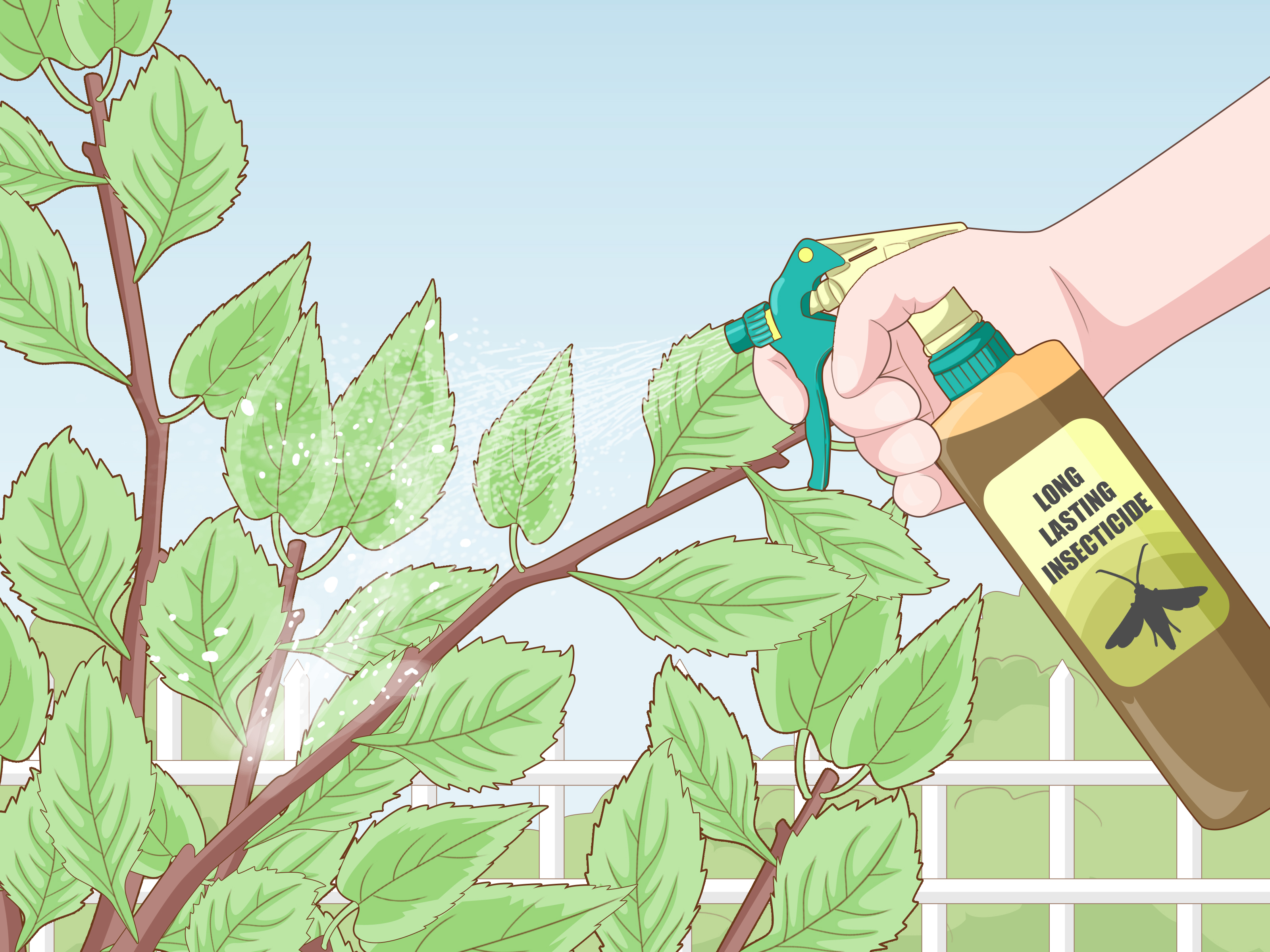
The third simple way to deal with cherry tree pests is to treat only when needed and only with a method matched to the pest. This is where many gardeners get nervous, and understandably so. Labels can look like they were written by a committee of lawyers trapped in a chemistry lab. But the basic rule is simple: identify the pest, choose the least disruptive effective option, follow the label, and time the treatment correctly.
Control Black Cherry Aphids Early
Black cherry aphids are easier to manage before leaves curl tightly. If you see small colonies on exposed shoots, a strong stream of water may knock some aphids off. Insecticidal soap or horticultural oil can help control exposed aphids when applied thoroughly according to label directions. Dormant or delayed-dormant oil may also reduce overwintering eggs in some situations.
The challenge is coverage. Once aphids are tucked inside curled leaves, contact sprays cannot reach them well. That is why early scouting is so important. Look for shiny black aphids on new growth in spring, especially on sweet cherries. If ants are marching up and down the trunk, investigate. Ants often protect aphids because they like honeydew. Ants are basically running a tiny sugar-ranching operation.
Protect Fruit from Cherry Fruit Fly and Spotted-Wing Drosophila
Fruit-infesting flies are among the most serious cherry pests because they damage the part you actually want to eat. Western cherry fruit fly, black cherry fruit fly, and spotted-wing drosophila vary by region, but the principle is the same: monitor adult activity and protect fruit before larvae develop inside cherries.
For home growers, useful tactics include trapping, prompt harvest, sanitation, early-maturing varieties, netting, and, where appropriate, labeled insecticides. Some organic or lower-impact options may include spinosad products, kaolin clay, or bait-based approaches, depending on the pest and label. Always check whether a product is labeled for cherries, whether it controls the target pest, and how many days must pass between spraying and harvest. This pre-harvest interval is not a suggestion; it is a safety rule.
Spotted-wing drosophila is especially troublesome because it attacks ripening healthy fruit, not just damaged or rotting fruit. In warm, wet periods, populations can build quickly. Harvesting frequently and chilling fruit soon after picking can help slow larval development. If you have had repeated SWD problems, start monitoring before fruit colors and be prepared to act quickly as cherries ripen.
Deal with Borers by Reducing Stress and Protecting the Trunk
Borers are serious because they attack the trunk, crown, or limbs. Peachtree borer larvae feed in the cambium near the soil line, often causing gum, frass, and weakening. Flatheaded borers tend to be worse on drought-stressed or declining trees. The best long-term defense is tree vigor: proper watering, avoiding trunk injury, preventing sunscald, and keeping the tree growing steadily.
Inspect the trunk base several times during the growing season. Look for gum mixed with sawdust-like material. Keep grass and weeds away from the trunk so you can see what is happening. Avoid nicking bark with mowers or string trimmers, because wounds invite pests and disease. If you use trunk guards, choose and manage them carefully so they do not trap moisture or create hiding places for insects.
Some borer controls are preventive and must be timed to egg laying or larval hatch. Because recommendations vary by region and product availability changes, local Extension guidance is especially valuable. A treatment that is useful in one state may be poorly timed or unavailable in another.
Common Cherry Tree Pests and What to Do About Them
Black Cherry Aphid
Signs: Curled leaves, sticky honeydew, ants, black insects on new growth.
Best response: Scout early in spring, conserve beneficial insects, prune out badly infested shoots when practical, and use insecticidal soap or horticultural oil on exposed colonies if needed.
Cherry Fruit Fly
Signs: Larvae inside fruit, soft or damaged cherries, adult flies caught on sticky traps.
Best response: Monitor with traps, harvest promptly, remove all leftover fruit, consider netting or labeled treatments before egg laying.
Spotted-Wing Drosophila
Signs: Soft, collapsing ripening fruit; small larvae inside cherries; increased problems in warm, humid conditions.
Best response: Monitor as fruit begins to color, pick frequently, chill harvested fruit, remove overripe fruit, and use properly timed labeled controls when necessary.
Peachtree Borer and Other Borers
Signs: Gum, frass, bark injury, dieback, weakness, holes near the trunk base.
Best response: Maintain tree vigor, avoid trunk wounds, inspect the crown area, remove severely damaged wood, and follow local timing recommendations for preventive treatment.
Pear Sawfly or Cherry Slug
Signs: Slimy, dark larvae and skeletonized leaves.
Best response: Wash larvae off small trees, handpick when practical, and use labeled low-impact controls if defoliation becomes heavy.
Scale Insects and Mites
Signs: Bumpy bark, sticky honeydew, yellowing leaves, stippled foliage, fine webbing.
Best response: Encourage predators, avoid drought stress, use dormant oil or horticultural oil where appropriate, and avoid unnecessary broad-spectrum sprays that can trigger mite outbreaks.
A Simple Seasonal Cherry Pest Checklist
Late Winter to Early Spring
- Prune dead or damaged wood during suitable dry weather.
- Remove mummified fruit and old debris.
- Inspect twigs for scale, mite eggs, and aphid eggs.
- Consider dormant oil if pests were a problem last year and the product is labeled for cherries.
Bloom
- Avoid insecticides during bloom to protect bees and pollinators.
- Observe tree health, bloom density, and early leaf development.
- Set up a monitoring plan for fruit flies if they are common in your area.
Petal Fall to Fruit Development
- Scout new shoots for black cherry aphids.
- Watch for leafrollers, sawflies, and chewing insects.
- Hang traps as recommended for your region.
- Keep weeds and tall grass down around the tree base.
Fruit Coloring to Harvest
- Monitor for cherry fruit fly and spotted-wing drosophila.
- Install netting before pests reach the fruit.
- Pick ripe cherries frequently.
- Remove dropped, damaged, and overripe fruit.
After Harvest
- Strip remaining fruit from the tree.
- Clean up fruit on the ground.
- Inspect trunks for borers and gum.
- Record which pests appeared so next year’s plan starts smarter.
Mistakes to Avoid When Managing Cherry Tree Pests
Spraying Without Identifying the Pest
Random spraying often misses the target and may kill helpful insects. It can also waste money and create unnecessary risk. Identify first, treat second. Your cherry tree does not need a mystery cocktail.
Waiting Until the Fruit Is Ruined
Fruit fly control must happen before larvae are inside cherries. Once the fruit is infested, your options are mostly sanitation and prevention for next season.
Ignoring Tree Stress
Drought stress, trunk wounds, poor drainage, and heavy weed competition make pest problems worse. Healthy trees are not pest-proof, but they are better able to recover.
Leaving Old Fruit on the Tree
Old fruit is not “for the birds” if it is also breeding pests. Harvest cleanly and remove leftovers.
Using the Wrong Product at the Wrong Time
Some treatments only work on exposed insects. Some must be applied before egg laying. Some cannot be used close to harvest. Always read the label and follow local guidance.
Practical Experience: What Actually Helps When Cherry Pests Show Up
In real backyard gardening, cherry pest control is rarely perfect. The goal is not to produce flawless supermarket fruit. The goal is to keep the tree healthy, reduce pest pressure, and harvest cherries you are proud to put in a bowl without needing a magnifying glass and a bravery speech.
One of the most useful habits is keeping a simple garden notebook. It does not need to be fancy. Write down when the tree blooms, when fruit starts to color, when you first see aphids, when traps catch flies, and what the weather has been like. After one or two seasons, patterns appear. You may discover that aphids always show up on the same branch first, or that fruit fly pressure begins just as the earliest cherries blush. That information is gold. It turns pest control from guessing into planning.
Another practical lesson is that small trees are much easier to manage than giant trees. A cherry tree that is too tall to inspect, net, prune, or spray safely becomes a pest hotel with a penthouse view. Keeping trees at a manageable height through proper training and pruning makes almost every pest strategy easier. You can see problems earlier, cover fruit better, harvest faster, and remove infested fruit before pests complete their life cycle.
Gardeners also learn quickly that sanitation feels boring until it works. Picking up dropped cherries is not glamorous. Nobody posts dramatic social media videos titled “Watch Me Remove Seventeen Mushy Cherries from the Ground.” But this quiet cleanup can reduce pest carryover. The same goes for removing dead limbs, clearing weeds from the trunk base, and not allowing fruit to hang long after harvest. Pest control is often less about heroic action and more about refusing to let insects have free real estate.
For aphids, the best experience-based advice is to act early and calmly. A few aphids are not a disaster. Look for lady beetles, lacewing larvae, and syrphid fly larvae before spraying. If natural enemies are active, give them time. If leaves are curling fast on a young tree, prune out the worst shoot tips or use a labeled soap or oil while the aphids are still exposed. Once the leaves curl tightly, the aphids have basically closed the curtains.
For fruit flies and spotted-wing drosophila, experience teaches that timing is everything. Traps, netting, and sanitation work best before the fruit is fully ripe. If you wait until cherries are soft, dark, and ready for pie, pests may already be inside. Frequent picking helps. So does chilling fruit soon after harvest. A clean, fast harvest can make a noticeable difference, especially in small backyard plantings.
Finally, the most practical mindset is flexibility. Pest pressure changes with weather, region, tree age, nearby host plants, and the previous season’s cleanup. Some years are easy. Some years feel like every insect in the county received a calendar invite to your cherry tree. Stay observant, use local Extension recommendations, and build a routine. Your cherry tree does not need perfection. It needs steady attention, good timing, and a gardener who notices when the leaves start acting suspicious.
Conclusion
Dealing with cherry tree pests becomes much simpler when you stop chasing every bug and start using a clear plan. First, identify the pest before treating. Curled leaves, fruit larvae, sticky honeydew, trunk gum, and skeletonized foliage all point to different problems. Second, prevent pests with good tree health, sanitation, pruning, beneficial insects, and barriers such as netting. Third, use targeted treatments only when needed and at the correct time.
Cherry tree pest control is not about turning your backyard into a perfect orchard laboratory. It is about making smart, timely decisions that protect your tree and your harvest. Scout early, clean up thoroughly, harvest promptly, and respect the label on any pest control product you use. Do that, and your cherry tree has a much better chance of producing fruit for younot for aphids, borers, and fruit flies with questionable manners.
Note: Pest pressure, product availability, and treatment timing vary by state and climate. For the most accurate recommendations, check your local Cooperative Extension office before applying pesticides, especially near bloom or harvest.