Landscaping is often treated like the outdoor version of a shopping spree: pretty flowers, fresh mulch, maybe a patio chair that costs more than your first car. But smart landscaping is not just about curb appeal. Done right, it can lower utility bills, reduce water waste, prevent expensive repairs, cut lawn-care costs, and even make your home more attractive to future buyers.
The best part? You do not need a celebrity-garden budget or a landscaping crew with matching polo shirts. Many money-saving landscape upgrades are simple, practical, and surprisingly low-cost. A shade tree here, a rain garden there, a little mulch where weeds used to throw partiesand suddenly your yard is doing more work than your dishwasher.
Below are 15 smart ways landscaping can save you money, inspired by practical home-improvement wisdom and backed by real gardening, water-efficiency, and energy-saving principles.
How Landscaping Saves Money Beyond Curb Appeal
A well-planned landscape works like a quiet financial assistant. It cools your home, protects soil, reduces runoff, supports healthier plants, and lowers maintenance needs. Poor landscaping, on the other hand, can become an expensive little monster: thirsty grass, dying shrubs, clogged gutters, cracked hardscaping, and weekend chores that somehow eat both your time and your wallet.
The secret is designing your yard around function first. Beauty still matters, of course. Nobody wants a front yard that looks like a municipal drainage project wearing a sad hat. But when plants, soil, water, and shade all work together, your landscape becomes cheaper to maintain and more resilient through heat, storms, drought, and seasonal changes.
15 Ways Landscaping Can Save You Money
1. Plant Shade Trees to Lower Cooling Costs
Strategically planted trees can help cool your home by blocking direct sun from windows, walls, roofs, and paved areas. Deciduous trees are especially useful on the south and west sides of many homes because they provide shade in summer and let sunlight through in winter after their leaves drop.
Think of a shade tree as a living umbrella with excellent resale potential. It may take time to mature, but once established, it can help reduce heat gain, make outdoor spaces more comfortable, and lower the pressure on your air conditioner during hot months.
2. Use Windbreaks to Reduce Heating Bills
In colder or windy regions, evergreen trees and dense shrubs can act as windbreaks. When placed correctly, they slow winter winds before those icy gusts slam into your home like they are trying to collect rent.
A good windbreak is not just a random row of trees. It should be positioned based on prevailing winter winds and spaced so the plants can grow into a dense, healthy barrier. Over time, this can reduce heat loss, improve comfort near the house, and protect other landscape plants from drying winter winds.
3. Mulch Garden Beds to Cut Watering and Weeding
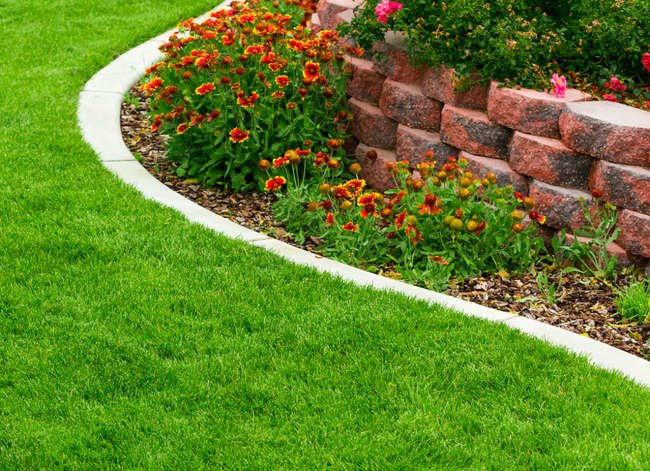
Mulch is one of the cheapest multitaskers in landscaping. A proper layer of organic mulch helps soil hold moisture, moderates soil temperature, suppresses weeds, and slowly improves soil as it breaks down. In other words, mulch is the friend who shows up with snacks, fixes the sink, and does not ask to borrow your truck.
Use shredded leaves, arborist wood chips, pine needles, bark mulch, or composted material depending on your plants and region. Just avoid piling mulch against tree trunks or shrub stems. That “mulch volcano” look may be common, but it can trap moisture against bark and invite disease.
4. Choose Native Plants That Need Less Fuss
Native plants are adapted to local climate, soil, rainfall, and wildlife. Once established, many require less supplemental water, fertilizer, and pest control than high-maintenance ornamental plants that behave like they were invited to the wrong climate zone.
Native grasses, perennials, shrubs, and trees can also support pollinators and birds while reducing your maintenance costs. The key is choosing the right native plant for the right spot. “Native” does not automatically mean “plant it anywhere and walk away forever.” Sun, shade, drainage, mature size, and soil still matter.
5. Replace Thirsty Lawn Areas with Low-Water Landscaping
A lush lawn can be beautiful, but it can also be expensive when it covers areas nobody uses. If part of your yard exists only so you can mow it, water it, fertilize it, and complain about it, consider replacing that section with drought-tolerant plants, ground covers, mulch paths, or decorative gravel.
This does not mean you must turn your yard into a cactus museum. Water-wise landscaping can include colorful perennials, ornamental grasses, shrubs, and small trees. The goal is to keep lawn where it serves a purposeplay, pets, entertaining, visual opennessand reduce it where it is simply draining your budget.
6. Install Efficient Irrigation to Stop Water Waste
Watering the sidewalk is not landscaping; it is charity for concrete. Inefficient sprinklers, high pressure, leaks, and poor timing can waste a surprising amount of water. A smarter irrigation setup can reduce outdoor water costs while keeping plants healthier.
Consider drip irrigation for beds, pressure-regulated sprinkler heads, weather-based controllers, rain sensors, and regular checks for broken heads. Water early in the morning when evaporation is lower. Aim water at roots, not fences, driveways, and that one neighbor who already thinks your yard is too fancy.
7. Build a Rain Garden to Manage Runoff
A rain garden is a shallow planted area designed to collect and absorb stormwater from roofs, patios, driveways, or slopes. Instead of letting rain rush across your property and carry soil, mulch, and pollutants with it, a rain garden slows the water down and helps it soak into the ground.
This can save money by reducing erosion, protecting nearby hardscaping, and limiting drainage problems. It may also reduce the need for extra irrigation because the right plants can take advantage of captured rainfall. Rain gardens work best when designed for your soil, slope, rainfall patterns, and local rules.
8. Use Permeable Surfaces Instead of More Concrete
Traditional concrete and asphalt send water running downhill fast. That runoff can contribute to puddling, erosion, basement moisture, and stressed storm drains. Permeable pavers, gravel paths, stepping stones, and porous patio materials allow more water to infiltrate.
Permeable surfaces can cost more upfront in some cases, but they may reduce drainage headaches and future repair costs. They also soften the look of a yard, which is a polite way of saying your landscape does not need to resemble a parking lot with shrubs.
9. Compost Yard Waste for Free Soil Improvement
Compost turns leaves, plant trimmings, and kitchen scraps into a valuable soil amendment. That means fewer bags of soil conditioner, less dependence on synthetic fertilizer, and healthier soil that holds moisture better.
You do not need a complicated system. A simple compost bin or pile can handle many yard materials. Keep out diseased plants, invasive weeds with seeds, meat, oily foods, and pet waste. Finished compost can be used around garden beds, mixed into planting areas, or spread lightly as a soil booster.
10. Grasscycle Instead of Bagging Lawn Clippings
Grasscycling means leaving short grass clippings on the lawn after mowing. Those clippings break down and return nutrients to the soil. It saves time, reduces yard waste, and can lower fertilizer needs.
The trick is mowing regularly so clippings are small enough to fall between grass blades. Do not remove more than one-third of the grass height at a time. If the lawn is wildly overgrown, bagging may be necessary for that mowbut in normal conditions, let the clippings do their quiet little nutrient-recycling job.
11. Test Your Soil Before Buying Fertilizer
Buying fertilizer without a soil test is like seasoning soup before tasting it. Maybe it needs salt. Maybe it needs nothing. Maybe you are about to create a problem with impressive confidence.
A soil test can show pH and nutrient levels, helping you avoid unnecessary fertilizer purchases and plant stress. If the soil already has enough phosphorus or potassium, adding more wastes money and may contribute to runoff. If the pH is wrong, plants may struggle even when nutrients are present. Test first, spend second.
12. Plant the Right Tree in the Right Place
Trees save money only when they are planted wisely. The wrong tree too close to a house, sidewalk, driveway, sewer line, or power line can become an expensive problem later. Roots, branches, mature height, canopy spread, fruit drop, and maintenance needs all matter.
Before planting, research the mature size and growth habit. Small ornamental trees may be better near patios or under utility lines, while larger shade trees need room to grow. Proper placement can prevent future pruning bills, pavement damage, clogged gutters, and emergency “why is there a branch in my bedroom?” situations.
13. Reduce Erosion with Ground Covers and Planting Beds
Bare soil is an open invitation for erosion. Rain hits it, wind lifts it, and gravity escorts it downhill. Replacing bare areas with ground covers, mulch, shrubs, or deep-rooted plants can protect soil and reduce the need to replace washed-out mulch, repair slopes, or clean sediment from walkways.
On slopes, choose plants that hold soil well and can handle the drainage conditions. Terracing, stones, and contour planting can also help slow water movement. The less soil you lose, the less money you spend trying to put your yard back where it started.
14. Grow Edible Landscaping
Edible landscaping blends food production with ornamental design. Herbs, berries, fruit trees, vegetables, edible flowers, and attractive raised beds can make your yard both beautiful and useful. A rosemary hedge or blueberry border earns its keep better than a shrub whose main talent is “existing.”
Start small. Herbs such as basil, thyme, mint in containers, parsley, and chives can reduce grocery costs without demanding a farm schedule. Fruit trees and berry bushes can be productive, but they need proper siting, pruning, pest management, and patience. The savings are real, but only if you grow food you will actually eat.
15. Improve Curb Appeal for Resale Value
Good landscaping can make a home feel cared for before a buyer even reaches the front door. Clean edging, healthy plants, trimmed shrubs, fresh mulch, functional lighting, and a welcoming walkway all help create a strong first impression.
You do not need an elaborate design to improve curb appeal. In fact, overcomplicated landscaping can scare buyers who see every exotic plant as a future chore. Aim for neat, healthy, climate-appropriate, and easy to maintain. A yard that says “move-in ready” is better than one that says “bring gloves and emotional support.”
Common Landscaping Mistakes That Cost Homeowners Money
Overplanting Too Close to the House
Small nursery plants are adorable. They also lie. That cute little shrub in a one-gallon pot may become a six-foot-wide beast blocking windows, scraping siding, and demanding annual pruning. Always plan for mature size, not the plant’s baby photo.
Watering on a Fixed Schedule
Automatic irrigation is convenient, but “set it and forget it” can become “set it and pay for it.” Plants need different amounts of water depending on season, rainfall, soil, and maturity. Adjust irrigation regularly and turn it off after substantial rain.
Ignoring Drainage
Water problems rarely fix themselves. If runoff is moving toward your foundation, pooling on patios, or washing mulch into the street, your yard is sending you a bill in advance. Address grading, downspouts, soil compaction, and planting choices before small drainage problems become expensive repairs.
Buying Plants Without a Plan
Impulse plant shopping is dangerous. Garden centers know exactly what they are doing when they put blooming plants near the entrance. Before buying, know your sunlight, soil, space, water access, and maintenance tolerance. Otherwise, your yard becomes a botanical junk drawer.
Practical Experience: What Actually Works in a Money-Saving Yard
In real life, the most cost-effective landscaping usually starts with observation, not shopping. Spend a few days watching your yard. Where does the sun hit hardest in the afternoon? Where does water collect after rain? Which beds dry out first? Which plants always look dramatic by July, as if they have just received bad news? These clues tell you where your money is leaking.
One of the easiest wins is mulching correctly. A homeowner may spend hundreds of dollars replacing annual flowers that wilt every summer, when the real issue is exposed soil drying out too quickly. Adding a two- to three-inch layer of organic mulch around planting beds can reduce watering needs and help plants handle heat. The experience is not glamorousyou will not invite friends over to admire “moisture retention”but your plants will look better and your water bill may be less cranky.
Another practical lesson: small changes to lawn care can save both time and money. Grasscycling is almost laughably simple. You mow, leave the clippings, and let nature handle the recycling. Many homeowners bag clippings out of habit, then buy fertilizer later, which is a bit like throwing away lunch and ordering takeout because you are hungry. Keep mower blades sharp, mow at the right height for your grass type, and let short clippings return nutrients to the soil.
Watering habits also make a major difference. The most common mistake is frequent shallow watering. It trains roots to stay near the surface, making grass and plants more vulnerable during hot weather. Deep, less frequent watering encourages stronger roots. In planting beds, drip irrigation or soaker hoses are often more efficient than overhead sprinklers because they deliver water near the root zone instead of misting the air like your yard is attending a spa day.
Homeowners who replace unused lawn areas often notice more savings than expected. A narrow strip of grass between the driveway and fence, for example, can be annoying to mow, difficult to irrigate, and easy to damage. Replacing it with mulch, drought-tolerant perennials, native grasses, or stepping stones can reduce maintenance immediately. The same is true for steep slopes where grass struggles. Ground covers and shrubs may control erosion better and eliminate the weekly mowing adventure known as “please do not slip.”
Tree placement is another experience-based money saver. A tree planted too close to the home can create future pruning, gutter, roof, and root problems. But a tree planted in the right spot can shade hot windows, cool outdoor sitting areas, and improve curb appeal for decades. The smartest move is to choose slower, sturdier value over fast-growing chaos. Fast growth can sound appealing until the tree starts dropping weak branches like it is shedding bad decisions.
Finally, the biggest money-saving landscaping habit is choosing low-maintenance design over trendy design. A yard full of delicate plants, thirsty turf, complicated edging, and high-input flower beds may look wonderful for one season and exhausting forever after. A resilient yard uses plants suited to the site, improves soil, captures rain where possible, and keeps maintenance realistic. The goal is not to create a yard that never needs work. The goal is to create a yard where the work actually pays you back.
Conclusion: Let Your Yard Earn Its Keep
Landscaping can be more than decoration. It can be a smart home-improvement strategy that lowers energy bills, trims water use, reduces fertilizer spending, prevents erosion, manages stormwater, and boosts curb appeal. The best money-saving landscape is not necessarily the fanciest one. It is the one designed for your climate, your soil, your home, and your actual willingness to maintain it.
Start with the basics: plant for shade, mulch bare soil, water efficiently, choose native and drought-tolerant plants, compost organic material, test your soil, and stop treating every inch of lawn as sacred ground. Your yard does not need to be perfect. It just needs to stop acting like a subscription service you forgot to cancel.