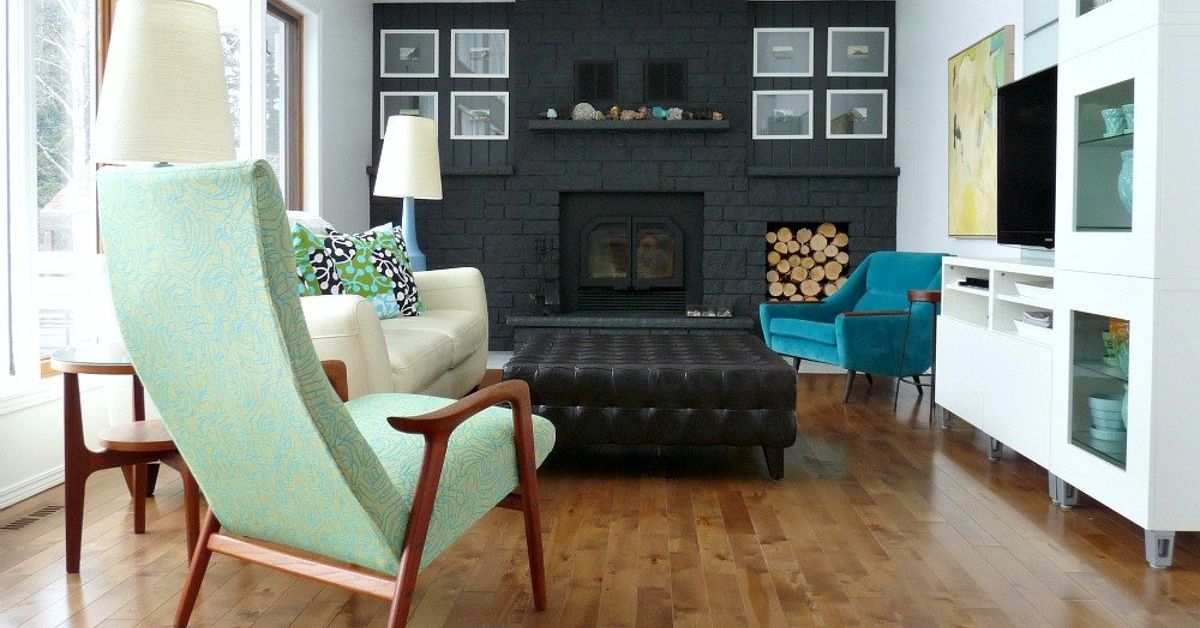
A fireplace is supposed to make a room feel warm and welcomingnot resemble a mysterious tunnel where lost socks go to retire. Yet dark brick, heavy stone, soot stains, bulky accessories, and poor lighting can turn even a charming hearth into a visual black hole.
The good news is that you usually do not need a demolition crew, a five-figure renovation budget, or your own home-improvement television show. A thoughtful cleaning, a lighter finish, better lighting, and a few strategic decorating decisions can dramatically brighten a dark fireplace in a weekend.
The following fireplace makeover ideas work for brick, stone, tile, and painted surrounds. Some are quick decorating fixes, while others require a little DIY effort. Start with the simplest option and stop when the fireplace finally looks like it belongs in your living room instead of a medieval dungeon.
Why Does a Fireplace Make a Room Look Dark?
Fireplaces naturally attract attention because of their size and central position. When the surround contains deep red brick, brown stone, black tile, dark mortar, or soot buildup, that visual weight can dominate the room. The effect becomes stronger when the fireplace extends from floor to ceiling or sits in a room with limited natural light.
Darkness is not always caused by color alone. An oversized screen, a cluttered mantel, poor furniture placement, and insufficient lighting can make the entire fireplace wall appear heavier. Before choosing paint or tile, step back and identify whether the real problem is the material, the condition, the decor, or the lighting around it.
12 Simple Tricks to Brighten a Dark Fireplace
1. Give the Fireplace a Thorough Cleaning
Start with the least glamorous but most revealing makeover tool: cleaning. Years of smoke, ash, dust, and ordinary household grime can leave brick and stone several shades darker than their original color.
Wait until the fireplace is completely cool. Remove loose ash, vacuum the hearth and mortar joints with a brush attachment, and gently scrub the surround with a cleaner suitable for the specific material. Always test the solution in a hidden area first. Porous brick, natural stone, glazed tile, and painted masonry do not respond to cleaning products in the same way.
Avoid saturating masonry with water, and do not mix household chemicals. If black staining repeatedly returns, or smoke enters the room while the fireplace is operating, treat that as a maintenance issue rather than a decorating challenge. A qualified chimney professional should inspect the system.
Sometimes cleaning is the entire makeover. The “dark brown” brick you disliked may actually be warm red brick wearing twenty years of soot like an unfortunate winter coat.
2. Whitewash the Brick Instead of Covering It Completely
Whitewashing is one of the best ways to brighten a dark brick fireplace while preserving its texture and color variation. A translucent wash softens strong red or brown tones without making the surface look flat.
The final effect can range from lightly faded brick to a nearly opaque white finish. Apply test patches in an inconspicuous location because porous bricks absorb liquid differently. Older handmade brick may produce a beautifully varied finish, while smoother brick may require a different application method.
Choose a warm white, cream, or pale greige when the room receives limited daylight. A stark blue-white can look chilly in a north-facing room, especially next to warm floors and furniture. Whitewashing is particularly effective in farmhouse, cottage, transitional, and casual traditional interiors.
3. Paint the Surround a Light, Warm Color
For a more complete transformation, paint the exterior brick or masonry surround. Light colors reflect more available light and can make a large fireplace feel less visually imposing.
Soft ivory, warm white, mushroom, pale taupe, and gentle gray are versatile options. The best choice should coordinate with the walls, flooring, trim, and fixed materials in the room. Rather than automatically selecting the brightest white in the store, compare samples under morning, afternoon, and artificial light.
Preparation matters. Clean the surface, repair damaged mortar, allow masonry to dry, and use a primer and coating designed for the material. Brick is porous, so ordinary wall paint applied without suitable preparation may provide uneven coverage or poor adhesion.
Do not use standard decorative paint inside a working firebox. Areas exposed to high heat require products specifically rated for that location, along with careful compliance with the fireplace manufacturer’s instructions and local safety requirements.
4. Use Limewash for a Soft, Old-World Finish
Limewash provides a mineral-based finish with natural variation rather than the uniform appearance of conventional paint. It can calm busy brick, soften harsh color differences, and produce a light, chalky surface that still feels connected to the masonry underneath.
This treatment works especially well when you want a fireplace to look aged and architectural instead of freshly painted. Cream, putty, pale gray, and muted beige can brighten the surround without erasing its history.
Because limewash behaves differently from latex paint, follow the product manufacturer’s preparation and application instructions. Surface condition, previous coatings, moisture, and brick porosity can affect the result. Test firstthe charming European-villa effect can become “cloudy science experiment” when applied blindly.
5. Replace a Dark Hearth With Lighter Tile
A black, brown, or deep red hearth can visually anchor the fireplace more heavily than expected. Replacing or covering it with lighter tile can produce a major change even when the surrounding brick remains untouched.
Consider marble-look porcelain, creamy stone-look tile, pale terrazzo, handmade-look ceramic tile, or a subtle geometric design. Large-format tile creates fewer grout lines and a calmer appearance, while small patterned tile adds personality and movement.
Choose materials rated for fireplace or hearth use, and confirm installation requirements before starting. A hearth is not simply a decorative shelf; it helps protect nearby flooring from heat, sparks, and embers. Its dimensions and construction may be governed by fireplace specifications and applicable building codes.
6. Refresh the Mantel With Paint or a Lighter Wood Tone
A dark mantel can create a heavy horizontal line that divides the wall and makes the fireplace appear wider. Painting it to match nearby trim creates continuity and often makes the entire structure feel lighter.
Another option is to strip or replace a very dark mantel with light oak, maple, ash, or another pale wood. Natural wood introduces warmth without the visual weight of espresso or reddish-brown stain.
Match the mantel’s scale to the fireplace. A thick beam may suit a tall stone fireplace but overwhelm a modest brick surround. A slimmer profile, simple molding, or softly painted finish can give a smaller room more breathing space.
Before altering a mantel on a functional fireplace, verify required clearances between combustible materials and the firebox opening. Attractive woodwork is much less attractive when it becomes kindling.
7. Add a Mirror That Reflects Real Light
A mirror above the mantel is a classic solution because it can reflect windows, lamps, artwork, and movement throughout the room. For the brightest result, position it where it catches an actual light source instead of reflecting a blank wall or ceiling fan.
A large round mirror softens the straight lines of brick and mantel construction. An arched mirror echoes traditional architecture, while a rectangular design creates a cleaner, more modern look. A thin brass, champagne, light wood, or painted frame adds brightness without introducing another heavy border.
Lean a substantial mirror only when it can be secured safely. Otherwise, mount it using hardware appropriate for the wall material and the mirror’s weight.
8. Install Sconces or Place Lamps Beside the Fireplace
Dark fireplace walls often need dedicated illumination. A ceiling fixture in the center of the room may not provide enough light to reach textured brick, recessed alcoves, or the mantel.
A pair of sconces can frame the fireplace, emphasize symmetry, and wash the surround with soft light. Plug-in sconces offer a less invasive option when adding electrical wiring is impractical. Small table lamps on nearby built-ins or consoles can achieve a similar layered effect.
Choose warm-white bulbs for a comfortable living area and use dimmers when possible. One powerful overhead fixture tends to create harsh shadows, while several lower-level sources distribute light more evenly. The goal is a gentle glow, not a fireplace interrogation scene.
9. Simplify the Mantel Decor
A crowded mantel can cast shadows and make the fireplace feel visually busy. Remove everything, clean the surface, and return only the pieces that contribute to the composition.
Start with one focal item, such as a mirror, framed artwork, or a sculptural object. Add one or two smaller accents at different heights. Pale ceramics, clear glass, light-colored books, botanical prints, and small metallic details can brighten the display without making it feel sterile.
Avoid arranging a row of equally sized objects across the mantel. That approach often resembles a store shelf. Varying height, shape, and negative space creates a more relaxed and intentional look.
Keep candles, dried plants, garlands, fabric, and other combustible decorations a safe distance from heat and flame. Decorative restraint is good design; not setting the garland on fire is even better.
10. Brighten the Firebox When It Is Not in Use
The firebox is often the darkest part of the fireplace. When it is empty, its black interior can resemble a large square hole. If the fireplace is nonfunctional or will remain unused for the season, a removable decorative arrangement can soften the darkness.
Try a basket filled with pale birch logs, a group of battery-operated lanterns, a decorative fireplace screen, or an arrangement of pottery. For a nonworking fireplace that has been permanently decommissioned and inspected, some homeowners create a display with books, plants, or candles.
Never place ordinary string lights, wax candles, plants, paper, or decorative objects inside a working firebox when there is any possibility of lighting a fire. Remove all temporary decor before using the fireplace, including small items that could be overlooked behind a screen.
11. Lighten the Area Around the Hearth
Sometimes the fireplace is not the only dark element. A brown rug, heavy curtains, oversized furniture, and dark wall paint can combine with the masonry to create a gloomy corner.
Introduce a lighter rug, creamy throw pillows, pale upholstery, or airy window treatments. Move bulky furniture away from the fireplace so daylight and lamp light can reach the surround. A plant with bright green leaves can add freshness, provided it remains safely away from heat.
Painting the wall around the fireplace can also help. A warm off-white, soft neutral, or light color with moderate reflectance can reduce contrast and make the whole feature feel more integrated. Matching the fireplace and wall colors creates a quiet, seamless look; using a slightly deeper surround color adds definition without returning to darkness.
12. Create Contrast With Small Dark Accents
Brightening a fireplace does not mean eliminating every dark object. In fact, a few controlled black or charcoal accents can make light surfaces look cleaner and more deliberate.
A slim black screen, dark metal tools, a narrow picture frame, or a pair of iron candlesticks can provide definition against whitewashed brick. The key is proportion. Use dark details as punctuation marks, not full paragraphs.
This strategy is particularly useful when the room already contains black window frames, metal lighting, or dark furniture legs. Repeating the finish in small amounts connects the fireplace to the rest of the decor while preserving the lighter overall appearance.
How to Choose the Right Fireplace Brightening Method
Before committing to a permanent finish, consider the fireplace material, architectural style, and long-term maintenance needs. Natural stone may only require professional cleaning and improved lighting. Historic brick may be better preserved with a breathable mineral finishor left unpaintedrather than covered with an irreversible coating.
For renters or cautious homeowners, begin with reversible changes: remove clutter, replace the screen, add lamps, hang a mirror, lighten nearby textiles, and rearrange furniture. These updates can reveal whether the fireplace itself truly needs alteration.
For a painted makeover, create sample boards or test small sections. Colors can look dramatically different beside red brick, orange flooring, cool gray walls, or warm artificial light. What appears “soft white” on a tiny paint chip may glow like a refrigerator door when spread across eight feet of masonry.
Real-World Lessons From Dark Fireplace Makeovers
Homeowners often begin a fireplace project believing the brick color is the only problem. After cleaning the surround and removing heavy decor, many discover that soot, a bulky screen, and poor lighting were contributing just as much darkness as the masonry itself. This is why the smartest first step is usually subtraction rather than construction.
One common makeover pattern begins with a large red-brick fireplace in a modest living room. The homeowner expects to paint the entire structure but first removes an oversized brass screen, vacuums the mortar joints, washes the brick, and clears a collection of small decorations from the mantel. The fireplace immediately looks cleaner and less dominant. A warm-white wash is then applied lightly, allowing some brick variation to remain. The finished result feels brighter without looking like the fireplace was wrapped in white plastic.
Another frequent lesson involves undertones. A cool, crisp white may look attractive in an online photograph but turn bluish in a room with weak northern light. Warm ivory or pale greige often works better beside tan carpet, oak flooring, and beige upholstery. Testing a finish during different times of day can prevent a disappointing repaint.
Lighting can be equally transformative. In rooms without overhead fixtures near the fireplace, two small lamps or plug-in sconces can reveal texture that previously disappeared into shadow. Once illuminated, old stone may appear dimensional and charming rather than simply dark. This can save the homeowner from covering a material that was never truly the problem.
Scale also matters. Replacing a thick dark mantel with an extremely thin board may make a large fireplace look top-heavy, while installing a massive reclaimed beam over a small firebox can shrink the entire room. Successful makeovers generally respect the proportions of the existing architecture instead of forcing a popular trend onto every fireplace.
DIY projects also reinforce the value of preparation. Brick that appears clean may continue releasing dust into a paint roller. Mortar cracks can become more obvious under a light finish. Stains may bleed through an ordinary primer. Careful brushing, vacuuming, repairs, drying time, and masonry-compatible products may feel tedious, but they separate a durable result from a finish that begins peeling before the next holiday season.
Finally, the most successful fireplace updates rarely rely on one trick. A pale surround looks more convincing when supported by a lighter rug, a reflective mirror, simple mantel decor, and layered lighting. Each change may be modest, but together they shift the visual balance of the room. The fireplace still feels warm and substantialit simply stops absorbing every available ray of light.
Conclusion: A Brighter Fireplace Without a Major Remodel
You do not need to rebuild a fireplace to make it feel brighter. Begin by cleaning it and removing visual clutter. Then evaluate reversible improvements such as a mirror, better lighting, lighter accessories, and a streamlined screen. When the material itself remains too dark, whitewash, limewash, masonry paint, a refreshed mantel, or lighter hearth tile can create a more dramatic transformation.
The best fireplace makeover respects both the home’s character and the fireplace’s function. Choose finishes that coordinate with the room, test colors under real lighting conditions, and use products suitable for masonry and heat exposure. A little preparation may not be exciting, but neither is watching fresh paint bubble off the brick.
With the right combination of color, reflection, lighting, and restraint, a gloomy fireplace can become the bright, welcoming focal point it was always supposed to be.