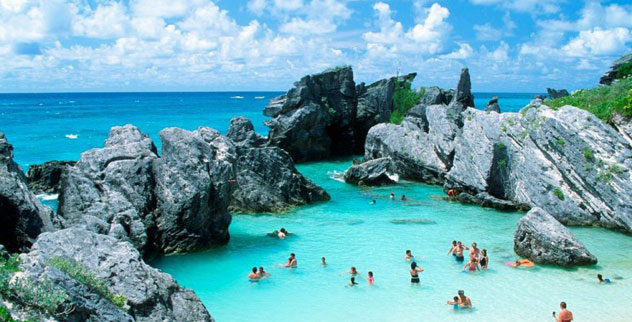
The Caribbean is one of those places that seems too beautiful to be real, as if someone turned the saturation up on Earth and forgot to turn it back down. Turquoise water, white-sand beaches, steelpan rhythms, coral reefs, mountain rainforests, spicy food, and a history deeper than the sea itself all meet in this extraordinary region. But the Caribbean is much more than a postcard with a palm tree leaning dramatically into the breeze.
Stretching across the warm waters between North America, Central America, and South America, the Caribbean includes thousands of islands, cays, reefs, and coastal communities. It is a region shaped by Indigenous civilizations, European colonization, African heritage, Asian migration, maritime trade, hurricanes, music, resistance, and creativity. In other words, the Caribbean is not just a vacation destination. It is a living, breathing cultural universe with excellent beaches and far better seasoning than most of us deserve.
Below are 10 interesting facts about the Caribbean that reveal why this region fascinates travelers, historians, scientists, food lovers, and anyone who has ever looked at a beach photo during a Monday meeting and whispered, “I could live there.”
1. The Caribbean Has More Than 7,000 Islands, Cays, and Reefs
When people say “the Caribbean,” they often imagine a handful of famous islands like Jamaica, Cuba, Puerto Rico, Aruba, Barbados, or the Bahamas. In reality, the region contains more than 7,000 islands, islets, cays, reefs, and banks. Not all of them are inhabited, and some are tiny enough to make a coconut look like real estate competition, but together they create one of the most geographically diverse regions in the world.
The islands are commonly grouped into the Greater Antilles and the Lesser Antilles. The Greater Antilles include larger islands such as Cuba, Hispaniola, Jamaica, and Puerto Rico. The Lesser Antilles form a long arc of smaller islands stretching from the Virgin Islands down toward Trinidad and Tobago. This island chain is one reason the Caribbean map looks like nature spilled a jewelry box into the sea.
Why This Fact Matters
The sheer number of islands explains why Caribbean travel is so varied. One island may be known for rainforests and hiking, another for coral reefs, another for music festivals, another for colonial forts, and another for food so good you start bargaining with your return ticket. The Caribbean is not one single experience. It is thousands of local stories connected by sea.
2. The Caribbean Sea Is Huge, Deep, and Geologically Dramatic
The Caribbean Sea covers about 1 million square miles, making it one of the largest seas on Earth. It is bordered by Central America and Mexico to the west, South America to the south, and the island arcs of the Greater and Lesser Antilles to the north and east. Beneath all that sparkling water is a dramatic seafloor of basins, ridges, trenches, and tectonic features.
One of the most impressive underwater features is the Cayman Trough, also called the Cayman Trench, located between Jamaica and the Cayman Islands. It is the deepest point in the Caribbean Sea, plunging more than 25,000 feet below sea level in some measurements. So yes, while the surface may look calm enough for a lazy swim, the Caribbean has some serious geological drama happening downstairs.
A Sea with a Story
The region sits near the boundaries of tectonic plates, which helps explain its volcanic islands, mountainous landscapes, and occasional earthquakes. Islands such as Dominica, St. Lucia, St. Vincent, and Martinique have volcanic origins, giving them lush peaks, mineral-rich soil, hot springs, and landscapes that feel more like fantasy movie sets than ordinary geography.
3. Cuba Is the Largest Island in the Caribbean
Cuba is the largest island in the Caribbean by land area, and it also has one of the region’s most influential cultural histories. Located south of Florida and between the Caribbean Sea and the North Atlantic Ocean, Cuba stretches more than 700 miles from east to west. That means it is not just “an island”; it is practically an island with its own road-trip personality.
Cuba’s size gives it remarkable variety. Travelers can find colonial architecture in Havana, tobacco fields in Viñales, beaches in Varadero, mountains in the Sierra Maestra, and music almost everywhere. The island has played a major role in Caribbean politics, literature, baseball, cuisine, and music, including son cubano, rumba, mambo, and salsa-related traditions.
Hispaniola Has Its Own Special Distinction
Another major Caribbean island, Hispaniola, is shared by two countries: Haiti and the Dominican Republic. This makes it one of the most culturally rich islands in the region, with French, Spanish, African, and Indigenous influences expressed through language, food, religion, music, art, and architecture.
4. The Caribbean Is a Biodiversity Hotspot
The Caribbean may be famous for beaches, but its natural wonders extend far beyond sand and surf. The region includes coral reefs, mangroves, seagrass beds, tropical forests, dry forests, wetlands, mountains, and volcanic landscapes. These habitats support an astonishing range of plants and animals, many of which are found nowhere else on Earth.
NOAA describes the Caribbean as one of the most biologically rich marine environments in the Atlantic. The region is home to about 10% of the world’s coral reefs, along with extensive mangroves and roughly 1,400 species of fish and marine mammals. That means a snorkel trip in the Caribbean is not just a pretty swim. It is a front-row seat to an underwater city where the residents wear fins, shells, and occasionally the facial expression of a judgmental parrotfish.
Coral Reefs Are More Than Pretty
Caribbean coral reefs protect shorelines from waves and storms, provide habitat for marine life, support fisheries, and attract tourism. They are beautiful, but they are also working overtime. Unfortunately, reefs face threats from warming oceans, coral bleaching, pollution, overfishing, coastal development, and stronger storms. Protecting them is not just an environmental issue; it is an economic and cultural necessity for many island communities.
5. Indigenous Caribbean Heritage Is Still Alive
Before European arrival, the Caribbean was home to Indigenous peoples, including Taíno, Kalinago, Ciboney, and other communities. The Taíno were especially influential across the Greater Antilles, including parts of present-day Cuba, Hispaniola, Puerto Rico, and Jamaica. For many years, popular history falsely suggested that Indigenous Caribbean peoples disappeared completely after colonization. Modern scholarship, community activism, and genetic research have helped correct that oversimplified story.
Indigenous Caribbean heritage survives in language, foodways, place names, spiritual traditions, crafts, and family histories. Words commonly used in English, such as canoe, hammock, hurricane, tobacco, and barbecue, are often traced through Indigenous Caribbean languages and early colonial contact. So the next time someone relaxes in a hammock while talking about barbecue during hurricane season, they are accidentally hosting a mini language-history seminar.
Taíno Identity and Cultural Revival
Across the Caribbean and its diaspora, many people continue to reclaim and honor Taíno ancestry and cultural identity. Museums, researchers, and community organizations have worked to highlight Indigenous resilience rather than treating the Caribbean’s first peoples as a closed chapter. This matters because the Caribbean story did not begin with colonial ships. It began with Indigenous communities who knew the land, sea, crops, seasons, and trade routes long before Europe arrived.
6. Caribbean Music Changed the World
If the Caribbean had a global résumé, music would be written in bold letters at the top. Reggae from Jamaica, calypso and soca from Trinidad and Tobago, son and rumba from Cuba, merengue and bachata from the Dominican Republic, compas from Haiti, zouk from the French Caribbean, and salsa traditions shaped by Cuba, Puerto Rico, and New York all show the region’s enormous musical influence.
Caribbean music blends African rhythms, European instruments, Indigenous influences, religious traditions, street performance, carnival energy, and social commentary. Many genres were not created merely for entertainment; they carried news, satire, resistance, identity, and community memory. Calypso, for example, has long been known for witty political commentary, while reggae became a global language of freedom, spirituality, and social justice.
The Beat Is Historical
Music in the Caribbean is often connected to Carnival, religious ceremonies, migration, labor history, and neighborhood celebration. It is impossible to understand the region fully without listening to it. A textbook can explain colonial history, but a calypso song may roast it, dance around it, and make the whole crowd sing the chorus.
7. The Caribbean Is One of the Most Multilingual Regions in the World
The Caribbean is linguistically rich because of its Indigenous history, European colonization, African diaspora, and later migration from Asia and the Middle East. English, Spanish, French, Dutch, Haitian Creole, Papiamento, Jamaican Patois, Antillean Creole, and many other Creole languages and dialects are spoken across the region.
This multilingual reality is one reason Caribbean identity is so layered. Two islands may sit close together geographically but have very different official languages, school systems, legal traditions, musical styles, and everyday expressions. A traveler can move from Spanish-speaking Puerto Rico to English-speaking Jamaica, French-influenced Martinique, Dutch-influenced Curaçao, or Creole-speaking Haiti and feel the cultural rhythm shift each time.
Creole Languages Carry History
Caribbean Creole languages are not “broken” versions of European languages. They are full, expressive language systems shaped by history, survival, creativity, and community. They emerged in colonial societies where people from different linguistic backgrounds had to communicate under brutal conditions. Today, these languages carry poetry, humor, politics, family memory, and national pride.
8. Caribbean Food Is a Delicious History Lesson
Caribbean cuisine is what happens when history walks into a kitchen and refuses to leave until everything smells amazing. The region’s food blends Indigenous ingredients, African cooking traditions, European colonial influences, Indian spices, Chinese migration, Middle Eastern flavors, and local creativity. The result is a cuisine that can be smoky, spicy, sweet, earthy, bright, and deeply comforting all at once.
Think jerk chicken in Jamaica, mofongo in Puerto Rico, roti in Trinidad and Tobago, rice and peas across the English-speaking Caribbean, griot in Haiti, flying fish in Barbados, callaloo in many islands, and Cuban black beans with rice. These dishes are not random menu items. They are edible archives of migration, resistance, adaptation, and celebration.
Spice with a Story
Many Caribbean dishes developed from limited resources, hard labor, and cultural blending. Enslaved Africans preserved food knowledge and adapted it to Caribbean crops. Indigenous ingredients such as cassava, maize, peppers, and seafood shaped local diets. Later, Indian indentured laborers brought spices and flatbread traditions that helped create beloved dishes such as roti and curry-rich stews. The Caribbean plate is history with steam rising from it.
9. Hurricane Season Shapes Life in the Caribbean
The Atlantic hurricane season officially runs from June 1 to November 30, and the Atlantic basin includes the Caribbean Sea. Hurricanes are a natural part of the region’s climate reality, but they are also a serious hazard that affects homes, tourism, agriculture, fishing, energy systems, and public safety.
On average, the Atlantic season produces 14 named storms, seven hurricanes, and three major hurricanes based on recent climate averages. Not every island is hit every year, and risk varies by location and month, but preparedness is part of Caribbean life. Residents do not treat hurricane season as a dramatic movie trailer; they treat it as a practical calendar event involving shutters, supplies, forecasts, and family plans.
Beauty and Resilience
The Caribbean’s relationship with weather is complex. The same warm waters that attract visitors can also fuel storms. Yet island communities have built deep traditions of resilience, neighborly support, rebuilding, and adaptation. Understanding the Caribbean means admiring not only its beaches, but also the strength of the people who live through environmental challenges year after year.
10. The Caribbean Has Protected Parks, Reefs, and Historic Sites
The Caribbean is home to many protected areas that preserve natural beauty and cultural heritage. In the U.S. Virgin Islands, Virgin Islands National Park protects much of St. John, including beaches, forests, coral reefs, historic plantation sites, and ancient Taíno petroglyphs. Nearby marine protected areas help conserve underwater habitats that are essential for fish, corals, turtles, and coastal protection.
Across the wider region, national parks, marine reserves, heritage sites, botanical gardens, and conservation areas protect everything from volcanic peaks to mangrove lagoons. These places remind visitors that the Caribbean is not a theme park built for vacation photos. It is a region with fragile ecosystems, sacred histories, and communities working to balance tourism with preservation.
Travel with Respect
Responsible travel matters. Choosing reef-safe practices, avoiding touching coral, supporting local guides, respecting cultural sites, eating at locally owned restaurants, and learning basic history before arrival can make a real difference. The Caribbean gives visitors unforgettable experiences, but visitors should give something back: respect, curiosity, and preferably not a trail of plastic cups.
Experiences That Bring the Caribbean to Life
Facts are useful, but the Caribbean is best understood through experience. Imagine starting the morning with the smell of strong coffee drifting from a small café while the sea flashes blue between buildings. A vendor is arranging fruit with the seriousness of an artist hanging a gallery show. Mangoes, papayas, coconuts, and pineapples sit in bright piles, looking almost suspiciously perfect. Somewhere nearby, music is playingnot as background noise, but as part of the weather.
One of the most memorable Caribbean experiences is snorkeling over a reef for the first time. From shore, the water looks like a single sheet of blue glass. Underneath, it becomes a busy neighborhood. Fish move through coral heads like commuters who know exactly where they are going. Sea fans sway gently. A turtle may pass with the calm confidence of someone who has never once checked email. The experience makes the biodiversity statistics feel personal. Coral reefs are not abstract ecosystems; they are living worlds.
Another unforgettable experience is visiting a local market. Markets reveal the Caribbean’s cultural layers faster than any brochure. You may see Scotch bonnet peppers, cassava, plantains, fresh fish, spices, handmade crafts, local rum cakes, and sauces with warning labels that should probably include emotional support instructions. Conversations switch between languages and dialects. Recipes are discussed with authority. Someone’s auntie is always said to make the best version of something, and honestly, she probably does.
Music is another doorway into the region. Hearing reggae in Jamaica, salsa in Puerto Rico, son in Cuba, zouk in Guadeloupe, or soca in Trinidad during Carnival is not simply entertainment. It is history in motion. The rhythms carry stories of migration, struggle, humor, faith, celebration, and identity. Even if you have two left feet, the Caribbean may convince one of them to cooperate.
For travelers who love history, walking through old forts, plantation ruins, colonial streets, or Indigenous heritage sites can be powerful. These places are beautiful, but they are not always lighthearted. The Caribbean’s past includes colonization, slavery, forced labor, resistance, and survival. Visiting with respect means allowing the region to be more than pretty. It means seeing the pain, strength, creativity, and cultural brilliance that shaped modern Caribbean societies.
Food experiences may be the most joyful history lesson of all. Eating jerk chicken from a roadside grill, trying roti warm from the shop, tasting fresh seafood near the harbor, or sharing rice and peas at a family-style restaurant can teach more than a paragraph ever could. Caribbean food has personality. It does not politely tap your taste buds; it kicks the door open, brings music, and asks why your kitchen has been so quiet.
The best Caribbean experiences often come from slowing down. Sit near the water at sunset. Ask a local guide about the island’s history. Learn how to pronounce place names properly. Visit beyond the resort zone when safe and appropriate. Buy from small businesses. Listen more than you speak. The Caribbean rewards curiosity. Its facts are fascinating, but its real magic lives in the people, languages, landscapes, kitchens, songs, and stories that make every island distinct.
Conclusion
The Caribbean is far more than a tropical escape. It is a region of thousands of islands, deep seas, coral reefs, Indigenous heritage, global music, multilingual communities, unforgettable food, powerful weather, and protected natural treasures. Its beauty is obvious, but its depth is what makes it truly fascinating.
From Cuba’s size and cultural influence to the living legacy of the Taíno, from reef ecosystems to Carnival rhythms, the Caribbean continues to shape the world in ways that reach far beyond its beaches. To know the Caribbean is to understand that paradise is not simple. It is historical, musical, flavorful, resilient, and wonderfully complex.
Note: This article was written in original American English, synthesized from reputable public references, and prepared for web publishing without unnecessary citation placeholders or AI-style source markers.