Five recipes. Five real-life kitchens. One very serious question: which bake deserves the last clean plate, the repeat appearance, and the kind of praise usually reserved for a dog in a tiny sweater?
Our 2025 Editor Bake-off was less about perfect piping and more about what happens when everyday people make sweet, fruit-forward recipes in their own kitchens. No television-studio ovens. No mysterious assistants handing over pre-measured ingredients. Just grocery bags, sticky counters, questionable lighting, and the universal experience of checking the oven window every 90 seconds as though staring harder will make a crumble bake faster.
The lineup included cranberry buttermilk scones, strawberry ginger crisp, raspberry peach crumble, strawberry baked oatmeal, and strawberry banana breakfast bars. Together, they created a delightfully practical picture of modern home baking: approachable recipes, flexible ingredients, less aggressive sweetness, and plenty of room for personal improvisation.
Five Recipes, Five Different Kinds of Victory
A good bake-off does not need dramatic eliminations, a scary judge with a ruler, or a tray of pastries collapsing in slow motion. It simply needs honest feedback. Could someone make it after work? Would they make it again? Did it survive the “I only want one bite” test, which usually ends with someone holding an empty plate and pretending it was already empty?
That was the spirit behind this editor bake-off. Each recipe had its own personality. Some were bright and snackable. Some were cozy and breakfast-friendly. One was basically banana bread’s casual cousin who wears sneakers and refuses to make a fuss.
What the 2025 Editor Bake-off Really Tested
At first glance, these recipes may seem like a collection of sweet treats. Look closer, though, and they test the things that matter most to home bakers.
- Ease: Can the recipe be made without turning the kitchen into a flour-dusted crime scene?
- Ingredient flexibility: Does it still work when the store is out of one item, or when the fruit is technically in another season?
- Flavor balance: Is it sweet enough to feel like a treat without tasting like a spoon fell into a sugar bowl?
- Repeatability: Will someone make it again, or will it become one of those recipes that gets described as “interesting” and quietly disappears forever?
The strongest recipes in this collection were not necessarily the fanciest. They were the ones that invited people back into the kitchen. That is a major win. A dessert can be beautiful, but a dessert that people actually make twice is the one that earns permanent counter space.
The 2025 Editor Bake-off Results
1. Cranberry Buttermilk Scones: The Easy Crowd-Pleaser
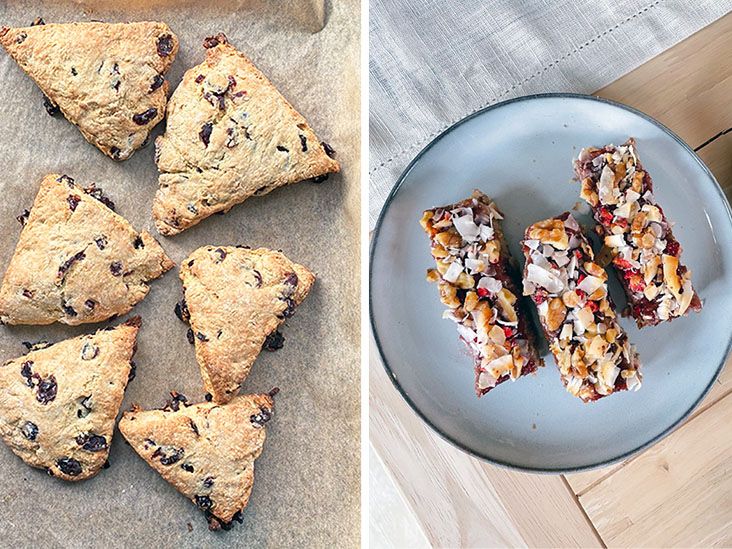
The cranberry buttermilk scones delivered the kind of cozy, bakery-window energy that makes people suddenly believe they should own a linen apron. Bright lemon and tart cranberries gave the scones personality, while the crisp edges provided the sort of texture that makes a plain butter knife feel heroic.
One notable detail was the generous amount of baking powder. That may sound alarming to anyone who has ever opened a recipe and thought, “Surely that cannot be right.” But scones often use a substantial amount of leavening to create lift, especially when the dough is rich with butter and dairy. The key is not to overwork the dough. Cold butter, gentle mixing, and a light hand help create tender layers instead of dense little hockey pucks.
For home bakers, the takeaway is simple: trust the process, keep the butter cold, and resist the urge to knead the dough like it insulted your family. The result should be soft inside, lightly crisp outside, and worthy of a cup of coffee that was reheated at least once.
2. Strawberry Ginger Crisp: The Flavor MVP
The strawberry ginger crisp brought contrast to the table: soft fruit, crunchy oats, walnuts, and a warm pop of ginger. It was not built to shout. It was built to keep people reaching back into the dish “just to make sure the topping is still crunchy.” Science requires repeat testing.
This bake also highlighted one of the best principles in fruit desserts: sweetness needs structure. Strawberries can be juicy and bright, but they benefit from a topping that adds texture, salt, richness, and a little toasted nuttiness. Oats provide chew, walnuts add crunch, and ginger keeps the flavor from wandering into one-note territory.
Fruit crisps are also wonderfully forgiving. More fruit makes the dessert juicier and softer. More topping turns it into a buttery, golden blanket with a fruit situation happening underneath. Neither choice is wrong. It depends on whether your household is full of fruit lovers, crumb lovers, or people who claim they are only “sampling” while holding a serving spoon.
3. Raspberry Peach Crumble: The Customization Champion
The raspberry peach crumble was the recipe with the strongest argument for adaptation. Fresh peaches are lovely when they are in season, but home bakers do not live in a fairy tale where perfect peaches appear on command. Canned peaches can be a useful backup, especially when rinsed and paired with berries, citrus, or a modest amount of added sweetness.
This version leaned into a less-sweet approach, which will appeal to some eaters and leave others looking around for a scoop of vanilla ice cream. Both reactions are valid. Fruit desserts are especially sensitive to ingredient quality because fruit carries so much of the flavor. If peaches are mild, canned, or out of season, a little brown sugar, honey, agave, cinnamon, lemon juice, or Greek yogurt can help bring the whole dessert into focus.
The real star here was the crumble topping. Doubling it may sound like a bold move, but in the world of fruit desserts, extra topping is rarely a tragedy. A good crumble should be golden, fragrant, and substantial enough to hold its own against bubbling fruit. Nobody has ever stared at a warm crumble and said, “You know what this needs? Less buttery crunch.”
4. Strawberry Baked Oatmeal: The Breakfast Workhorse
Strawberry baked oatmeal was not trying to pass itself off as cake. It knew its job. It wanted to be practical, filling, flexible, and ready to save a weekday morning from becoming a sad granola-bar situation.
The recipe stood out because many of the ingredients were already pantry staples. Oats, cinnamon, milk, and fruit can become something warm and comforting without requiring a specialty-store expedition. The finished bake was more gently sweet than dessert-like, which makes it especially appealing for people who prefer breakfast to taste like breakfast rather than a cupcake that woke up early.
Baked oatmeal also rewards customization. Add blueberries, peaches, apples, chopped nuts, shredded coconut, or a spoonful of nut butter. Serve it with yogurt for more creaminess, or add a little extra cinnamon when the weather starts acting dramatic. Oats bring a hearty texture to baked goods, while fruit adds moisture and brightness without requiring an avalanche of sugar.
5. Strawberry Banana Breakfast Bars: The Most Adaptable Snack
The strawberry banana breakfast bars were the most casual recipe in the competition, and that was part of their charm. They were simple, easy to blend, and built around familiar flavors. Think banana bread, but in a format that can be tucked into a lunch bag, eaten between meetings, or grabbed while trying to locate your keys.
Texture was the main lesson. Larger walnut pieces may look rustic and impressive, but they do not always cling politely to the top of a bar. Smaller pieces are more practical, easier to slice through, and less likely to launch themselves across the kitchen when someone takes a bite.
The bars also offered an invitation to experiment. Swap the walnuts for almonds, pecans, cashews, or sunflower seeds. Try a different jam. Add a small amount of protein powder, cinnamon, vanilla, or dehydrated fruit for color and crunch. This is the kind of recipe that becomes more useful each time you make it because you learn what your household likes best.
Why These Recipes Felt Right for 2025
Modern baking is increasingly about balance. People still want buttery, warm, beautiful treats, but they also want recipes that fit real schedules, use accessible ingredients, and do not require a tiny mortgage at the grocery store.
That is why the five recipes in this bake-off work as a group. They use fruit, oats, nuts, and familiar pantry ingredients. They make room for lower-sugar preferences without acting as though sugar is a criminal mastermind. They also support a major 2025 baking mood: nostalgic comfort with flexible, practical upgrades.
Smaller bakes and snackable portions have also become more appealing for households that do not want a full cake lingering in the refrigerator for six business days. Breakfast bars, baked oatmeal squares, and fruit crisps can be portioned easily, shared casually, or packed away for later. They are less ceremonial than a layer cake and more likely to survive a busy Tuesday.
Practical Lessons From the Editor Bake-off
Seasonal Fruit Makes a Difference
Fresh strawberries and peaches can be spectacular when they are in season, but recipes should not become inaccessible just because the calendar says no. Frozen fruit, canned fruit, and dried fruit can all work when used thoughtfully. Frozen fruit may release extra moisture, while canned fruit may need draining or rinsing. The solution is not panic. The solution is adjustment.
Sweetness Is Not a Fixed Setting
One person’s perfect dessert is another person’s “Where is the dessert?” The bake-off showed that lower-sugar recipes benefit from thoughtful finishing touches. Greek yogurt, a spoonful of jam, toasted nuts, a drizzle of honey, or a scoop of ice cream can make a lightly sweet recipe feel more complete without changing its personality.
Texture Is Half the Experience
Crunchy toppings, crisp scone edges, tender oats, and soft baked fruit are not small details. They are what keep a recipe interesting after the first bite. When adapting a bake, think beyond flavor. Ask what will be creamy, what will be crisp, what will be chewy, and what will make someone say, “Okay, one more bite.”
How to Host Your Own Editor-Style Bake-off
You do not need a food magazine, a giant kitchen island, or a professional lighting crew that makes every blueberry look emotionally available. You just need a few willing tasters and a simple plan.
- Choose three to five recipes with different textures and purposes.
- Give each recipe a simple score for ease, flavor, appearance, texture, and likelihood of making it again.
- Encourage realistic substitutions, but write them down.
- Serve the bakes at the same time whenever possible.
- Vote only after everyone has had a full bite, not after the first person says, “Oh wow.”
Keep the categories lighthearted. You can award titles such as “Best Breakfast Rescue,” “Most Likely to Disappear Before Photos,” “Best Use of a Crumb Topping,” and “The One Your Neighbor Will Suddenly Smell Through the Wall.”
Smart Baking and Food Safety Notes
Fun should remain the main ingredient, but safe baking deserves a quick mention. Raw flour and uncooked batter are not automatically safe to taste, even when the dough looks innocent and smells like childhood. Bake according to the recipe directions, keep dairy ingredients refrigerated when appropriate, label baked goods that contain nuts, and cool finished treats before storing them.
When baking several items at once, avoid crowding the oven. Airflow matters, especially when you are trying to bake a crisp topping, a tray of scones, and your own patience simultaneously. An oven thermometer can also be surprisingly useful; some ovens have a flexible relationship with the temperature printed on the dial.
Final Verdict: The Best Part Was Not the Winner
The real joy of Our 2025 Editor Bake-off was not declaring one recipe superior to all others. It was discovering how a recipe changes once it leaves the screen and enters a real kitchen. That is where baking becomes personal.
The cranberry buttermilk scones offered easy comfort. The strawberry ginger crisp brought crunch and brightness. The raspberry peach crumble made a case for adjustment and extra topping. The strawberry baked oatmeal proved breakfast can be warm, practical, and genuinely enjoyable. The strawberry banana breakfast bars reminded everyone that simple recipes often become the most useful ones.
In other words, the bake-off had no losers. Unless you count the person assigned to wash the mixing bowls. That person had a very long afternoon.
Extra Experience: What an Editor-Style Bake-off Teaches You About Home Baking
There is something wonderfully revealing about baking the same kind of recipe in different kitchens. A scone recipe may look perfectly straightforward on a screen, but one person’s butter is colder, another person’s flour is packed too tightly into the measuring cup, and somebody else is trying to mix dough while answering a text that says, “Are we still on for dinner?” Suddenly, the recipe becomes less like a set of instructions and more like a little test of daily life.
That is why an editor-style bake-off is useful. It exposes the places where recipes are strongest and where home cooks naturally need permission to adapt. The best recipes do not collapse because someone used a blender instead of a food processor, swapped one nut for another, or added a little more cinnamon because the day felt like it needed it. They bend without breaking.
It also teaches you to pay attention to the small moments. The smell of butter and fruit reaching the oven door. The suspense of checking whether the topping has browned enough. The realization that “cool completely before slicing” is not optional advice but a direct challenge to your self-control. These are not glamorous moments, but they are the moments that make home baking memorable.
A bake-off can also help people become better recipe readers. You start noticing details you once skipped: whether the fruit is fresh or frozen, whether oats are quick-cooking or old-fashioned, whether a recipe expects the butter to be cold or melted, and whether the finished dish is supposed to be sweet, lightly sweet, or sweet enough to make your dentist schedule an intervention.
Most importantly, it reminds you that baking is not just about producing a beautiful final result. It is about building confidence. The first time you make a fruit crisp, you may follow every word exactly. The second time, you might add more topping. The third time, you may use peaches, berries, apples, or whatever fruit is looking slightly neglected in the refrigerator. Before long, you are no longer just following a recipe. You are making it yours.
That is the real prize of a bake-off. Not the ribbon. Not the bragging rights. Not even the final square of strawberry banana bar hidden in the back of the container. It is the confidence to open the pantry, look at what you have, and think, “I can probably make something good with this.”
Note: This is an original editorial analysis of the reported 2025 bake-off concept and recipe themes. It is not a reproduction of any original recipe instructions.