Back in late 2018, the financial world felt a little like the final season of a long-running TV show.
Stock markets were near all-time highs, the Federal Reserve was hiking interest rates, cannabis stocks were going
parabolic, and Amazon casually announced a talking microwave. At the same time, the world quietly crossed a
historic milestone: for the first time on record, fewer than 750 million people were living in extreme poverty.
That’s the backdrop for Animal Spirits Episode 48: “Looming Disaster”, where hosts
Ben Carlson and Michael Batnick did what they do best: cut through the noise with a
mix of data, dry humor, and common-sense investing. Instead of screaming about the next crash, they asked
calmer questions:
- Do stocks still diversify bonds when both are falling?
- Is the market really overvalued, or just uncomfortably expensive?
- How much attention should investors pay to the Fed’s next rate hike?
- Are pot stocks and smart microwaves signs of a looming bubble… or just mini sideshows?
- What does it mean that global extreme poverty is falling while financial anxiety is rising?
This article revisits those themes and pulls in evidence from research, major financial outlets,
and global economic data to show why “looming disaster” is often more psychological than mathematicaland how to
invest like a rational human anyway.
Setting the Scene: Late-Cycle Jitters and Constant Crisis Headlines
Episode 48 was recorded in September 2018, nearly a decade after the collapse of Lehman Brothers.
Economists at the IMF and J.P. Morgan described a global economy that had mostly recovered in terms of GDP and profits,
yet still bore scars in debt levels, wage growth, and financial regulation. Many metricsunemployment, corporate earnings,
and credit spreadslooked solid, but investor sentiment remained fragile.
Surveys from firms like Betterment and InvestmentNews found that a large share of Americans felt they had
never fully recovered from the 2008 crisis and remained deeply distrustful of Wall Street and the stock market.
A decade of rising prices hadn’t erased the memory of watching portfolios plunge and home values evaporate.
That emotional scar tissue is the “animal spirits” part of the story: our instincts and fears often lag far behind
the data.
Against that backdrop, every headlinetrade wars, Fed hikes, political dramafelt like evidence that a new crash
was “looming.” Animal Spirits leaned into that mood with the episode title, then spent the rest of the show gently
dismantling the panic.
Do Stocks Still Diversify Bonds?
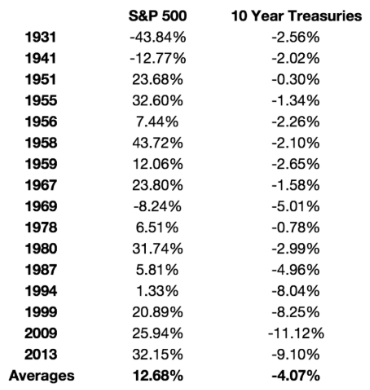
One of the episode’s big questions was whether stocks still diversify bonds, especially when
bond prices were falling at the same time stocks were volatile. For years, the standard recipe for a balanced
portfolio was simple: mix stocks and high-quality bonds, rebalance occasionally, and let the negative or low
correlation smooth out the ride.
The problem is that correlations aren’t carved into stone tablets. As sites like Investopedia and Vanguard have
pointed out, the correlation between stock and bond returns can shift dramatically depending on inflation,
growth expectations, and interest rate shocks. Sometimes stocks and bonds move in opposite directions.
Sometimes they fall together. In periods of rising interest rateslike 2018, and again in the early 2020sbond
prices can decline while stocks also struggle, at least temporarily.
How Diversification Really Works
True diversification doesn’t mean your bonds are always up when stocks are down. It means:
-
Over a full cycle, high-quality bonds tend to have lower volatility and smaller drawdowns than stocks,
even if they occasionally fall together. - The worst stock crashes usually still see bonds hold up better, offering dry powder for rebalancing.
- Long-term portfolio risk is driven more by your overall asset mix than by month-to-month correlation changes.
Carlson and Batnick’s point was essentially: you own bonds for ballast, not perfection.
Sometimes ballast shifts a bit; it doesn’t mean you throw the whole ship overboard. The “looming disaster” narrative
around bonds in 2018 missed that context.
Common-Sense Takeaway
If you’re a long-term investor:
- Expect correlation to move around; don’t rebuild your portfolio every time it does.
- Use bonds for stability and spending needs, not for excitement.
- Stick with a diversified mix that matches your risk tolerance and time horizon.
That’s a lot less exciting than “the 60/40 portfolio is dead,” but it’s a lot more accurate.
Is the Market Overvaluedor Just Uncomfortable?
The hosts also tackled the inevitable question: Is the stock market overvalued?
In 2018, the Shiller CAPE ratio for U.S. stocks was well above its long-term average, which led to a wave of articles
warning about bubbles and predicting disastrous 10-year returns. Research firms and commentators made the case that
high valuations historically correlate with lower future returns.
But here’s the nuance that aligns with the show’s “common sense” lens:
-
A high valuation today says something about expected long-term returns, not about what markets
will do next month or next year. -
CAPE and similar metrics have an imperfect record as timing tools. Markets can stay expensiveor get more
expensivefor years. -
Even “overvalued” markets have delivered positive real returns over long horizons if the underlying economy
continues to grow.
In other words, valuation is a useful seatbelt, not an on/off switch. It might argue for modestly
lower return expectations, more savings, or slightly more conservative planning assumptionsbut not for
parking all your money in cash because a disaster might be “looming.”
Looking Past the Fed’s Next Rate Hike
Another recurring theme on Animal Spirits is the futility of obsessing over the
next Federal Reserve meeting. In 2018, the Fed was raising short-term interest rates from near-zero
levels, sparking endless debate about whether the next hike would kill the bull market or crash the bond market.
The mechanics are straightforward: when interest rates rise, existing bond prices usually fall because newer bonds
offer higher yields. For stock investors, higher rates can pressure valuations by raising discount rates and reshaping
expectations for corporate borrowing and growth.
But here’s where the “wealth of common sense” perspective matters:
-
Long-term returns in diversified portfolios depend far more on earnings growth, starting yield, and savings rate
than on any single Fed move. -
Rising yields can be painful in the short term but beneficial for savers and future bond returns
(you eventually earn higher income). - Most investors have decades-long horizons; the Fed is making decisions about the next few quarters.
Episode 48 framed Fed watching as an entertaining subplot, not the main storyline. The looming disaster narrative
around rate hikes is usually more about media engagement than portfolio reality.
Amazon Microwaves, Marijuana Mania, and Mini-Bubbles
Of course, no good investing podcast episode would be complete without a few absurd headlines. In this case,
two stood out:
- AmazonBasics Microwave with Alexa – a $60 smart microwave that lets you reheat leftovers with your voice.
- Wall Street’s marijuana madness – cannabis stocks, especially Tilray, going on a gravity-defying run.
Tech outlets described the AmazonBasics microwave as both impressive and slightly surreala symbol of Amazon’s
desire to put Alexa into everything from speakers to cars to kitchen appliances. The device became a metaphor for
how far investor enthusiasm for Big Tech had stretched: if the company could sell a talking microwave and markets
cheered, what couldn’t it do?
At the same time, cannabis stocks experienced classic bubble behavior. Tilray’s share price rose several hundred percent
in a matter of weeks around its 2018 IPO, driven by hype, retail speculation, and the looming legalization of
recreational marijuana in Canada. Financial outlets compared it to Bitcoin’s earlier surge:
wild price action, thin underlying profits, and lots of “this time is different” narratives.
Animal Spirits framed these episodes as mini-bubblesperfect case studies in narrative-driven markets.
The key lesson wasn’t “avoid everything new” but “recognize entertainment when you see it.” If you dabble:
- Keep position sizes tiny relative to your net worth.
- Assume you could lose most or all of the money.
- Don’t confuse a speculative punt with an actual investment plan.
Looming disaster often hides in the temptation to turn every headline into a trade.
World Poverty Falls Below 750 Million: Good News in a Pessimistic Age
One of the most striking points in Episode 48 was the juxtaposition of financial anxiety with global progress.
Around the time of the show, World Bank data and major financial outlets reported that
the number of people living in extreme poverty had fallen below 750 million for the first time on record
and that extreme poverty had dropped to roughly 8–9% of the global population, down from around 36% in 1990.
That is an astonishing achievement: more than a billion people lifted out of extreme poverty in a few decades through
growth, trade, technological advances, and (in many cases) better policy. Even more recent analyses, which warn that
conflicts, pandemics, and climate shocks have slowed or partially reversed this progress, still show a world dramatically
richer and healthier than it was a generation ago.
Why does this matter for investors?
- Long-term equity returns are ultimately powered by human progress: productivity, innovation, and rising living standards.
- The drumbeat of “looming disaster” headlines can mask the underlying trend of gradual improvement.
- A more prosperous world tends, over time, to expand markets, reduce extreme instability, and create new investment opportunities.
The episode used this data to remind listeners that while risk is ever-present, the default state of the global economy
over long horizons has been one of progressnot permanent doom.
Ten Years After the Crisis: Recovery vs. Attitudes
The final thread woven through Episode 48 is the tension between economic recovery and
emotional recovery. A decade after the crisis, research from firms and global institutions showed:
- GDP and corporate profits had largely recovered in many developed economies.
- Markets had more than made back their losses, with U.S. stocks in a powerful bull market.
- Household net worth had improved, though unevenly across income and age groups.
Yet surveys revealed that many individuals still felt financially behind, carried high levels of debt and stress,
and maintained a deep mistrust of financial institutions. Younger investors who came of age during or just after the
crisis often saw markets as rigged, dangerous, or both.
Carlson and Batnick often highlight this paradox: the economy can be doing fine on paper while people feel terrible.
That gap fuels demand for “looming disaster” stories because they validate our unease. If you feel like your financial
life is one bad headline away from falling apart, doomish narratives make emotional senseeven when the data doesn’t
fully support them.
Their antidote is not blind optimism but structured realism: recognize the scars, build plans that assume
periodic recessions and bear markets, and then live your life without treating every market wobble as a unique catastrophe.
What “Looming Disaster” Really Means for Your Portfolio
So what are the practical, common-sense lessons an investor can take from Animal Spirits Episode 48?
-
Disaster is normal. Corrections, bear markets, recessions, and scary headlines are
features of investing, not bugs. If your plan can’t survive them, you don’t have a plan. -
Diversification still worksimperfectly. Stocks and bonds won’t always hedge each other in every
month or year, but over time a balanced mix still moderates risk compared with an all-stock portfolio. -
Valuations matter for expectations, not timing. High starting valuations suggest more modest
long-term returns; they do not provide a reliable crash countdown clock. -
The Fed isn’t your personal nemesis. Rate hikes affect markets, but your long-term outcomes
are driven far more by savings rate, asset allocation, and costs. -
Mini-bubbles are everywhere. Whether it’s pot stocks, meme stocks, or smart appliances,
speculative manias will always exist. You can either ignore them or treat them as small, clearly labeled gambles. -
Global progress is real. Extreme poverty has fallen dramatically over the last few decades,
even if recent crises have slowed that progress. The long-run backdrop is one of improvement, not endless decline.
The “looming disaster” isn’t that markets are occasionally volatilethat’s guaranteed. The real disaster is
abandoning a sound, diversified plan every time the news cycle gets loud.
Experiences and Practical Lessons Inspired by Animal Spirits Episode 48
For many listeners, Episode 48 wasn’t just another podcast; it became a reference point for how to emotionally
navigate late-cycle markets. The themes they explored show up in real investor experiences over and over again.
The Cautious Saver vs. the Perpetual Worrier
Imagine two investors listening to “Looming Disaster” in 2018:
Alex is a cautious saver in their mid-40s. They remember 2008 vividly, but instead of swearing off
stocks forever, they built a 60/40 portfolio, automatic monthly contributions, and a simple retirement goal.
When they hear talk about bond losses and elevated valuations, they feel uneasy, but they also recognize that
markets have always climbed a “wall of worry.” Alex uses the episode as a prompt to:
- Check their asset allocation.
- Confirm they have 6–12 months of emergency cash.
- Plan to rebalance if stocks fall sharply.
Five or ten years later, Alex has experienced corrections, rate scares, inflation spikes, and more than a few
screaming headlines. But by sticking with the plan, they’ve accumulated a growing portfolio, rising dividend income,
and a much calmer relationship with money.
Jordan takes a different path. They follow markets daily on social media, jump from one narrative
to another, and constantly compare their returns to the hottest stock or crypto chart. When they hear about bond
“disasters,” CAPE ratios, Fed hikes, pot stocks, and Amazon’s latest gadget, they interpret each of these as a
reason to make a moveout of stocks, into cash, into gold, into marijuana stocks, into tech, back into cash.
After a few years of chasing stories, Jordan often ends up buying late and selling early. They experience the stress
of investing without the compounding. For someone like Jordan, the most valuable lesson from Episode 48 is not a
technical insight but a mindset shift: your strategy should outlast the news cycle.
How Advisors Use “Looming Disaster” Moments
Financial advisors regularly report that the hardest conversations happen when clients are bombarded with disaster
headlines. Episodes like “Looming Disaster” are useful tools because they:
- Normalize fear by acknowledging that feeling nervous is human, especially for people scarred by 2008.
-
Reframe risk as something to be planned for, not eliminated. That’s why financial plans include
bear markets in their projections. -
Provide concrete talking points: how bonds function in a portfolio, what valuations really imply, and why
global progress matters.
Advisors often see a pattern: clients who internalize these lessons tend to avoid the worst behavioral mistakespanic
selling at bottoms, piling into fads at tops, and constantly abandoning their own long-term goals to chase whatever
“looming disaster” is trending that week.
Personal “Aha” Moments for Listeners
Regular Animal Spirits listeners often describe a few recurring “aha” moments that episodes like 48 reinforce:
-
Realizing that there is always a reason to be worriedyet markets have historically trended upward over
long periods. -
Understanding that a diversified, rules-based approach is boring by designand that boredom is a feature,
not a bug, in successful investing. - Seeing speculative crazes (from pot stocks to meme coins) as side quests instead of main missions for their wealth.
When you step back, “Looming Disaster” isn’t about predicting the next crash. It’s about building a mindset that
can function even if a crash happens tomorrow. That means:
- Keeping enough safe assets to sleep at night.
- Owning productive assets (like broad stock indexes) for long-term growth.
- Accepting volatility as rent you pay for higher expected returns.
In that sense, the episode’s title is a bit of a joke. Disaster will always be “looming” somewherein markets,
in politics, in the economy. The real wealth of common sense lies in designing your financial life so that you
don’t have to constantly look over your shoulder.
Conclusion: Calm in a World of Looming Disasters
Animal Spirits Episode 48: Looming Disaster captures a familiar mood: markets are high,
risks are obvious, and it feels like one wrong move could send everything tumbling. But instead of feeding that
anxiety, the episode offers perspective:
- Yes, correlations shift, but diversification still matters.
- Yes, valuations are important, but they don’t forecast exact crash dates.
- Yes, the Fed, pot stocks, and smart microwaves make headlines, but your plan is more important than any one story.
- Yes, the world faces serious challenges, but it has also made extraordinary progressespecially against extreme poverty.
The real message is simple: you can’t control looming disasters, but you can control how prepared you are.
A diversified portfolio, realistic expectations, and a bias toward staying the course will beat headline-driven
panic almost every time. That’s not just an episode titleit’s a lifelong investing philosophy.