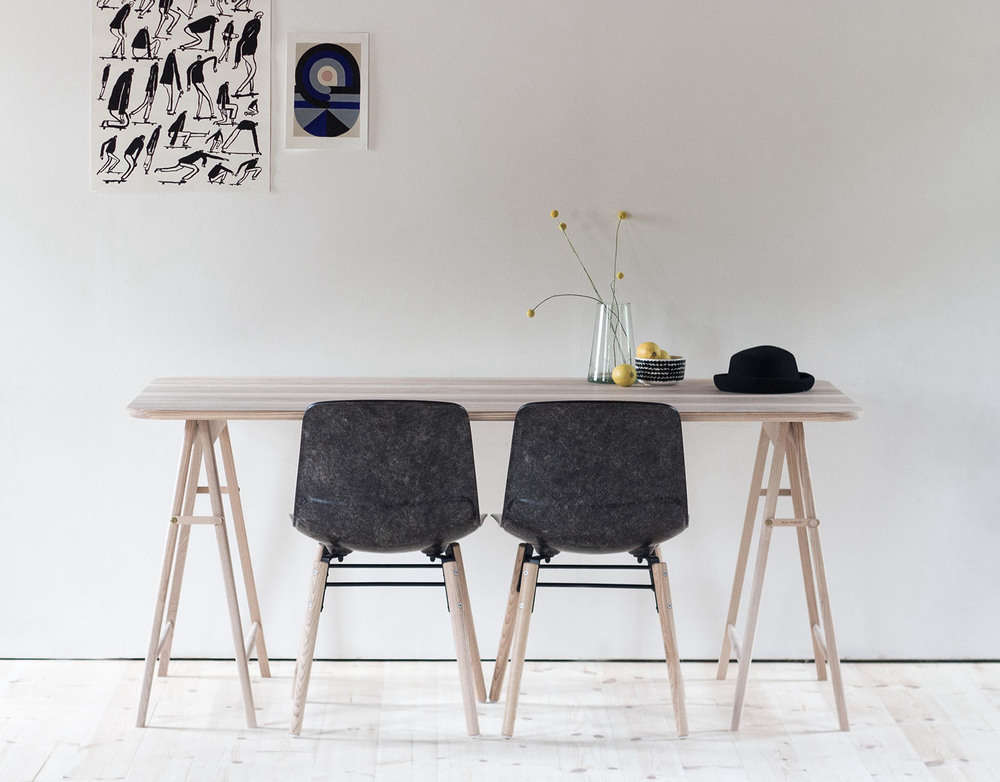
Some furniture pieces arrive with fireworks. Others show up quietly, pull out a chair, and get to work. The Samara Work Table belongs firmly in the second camp. It is not flashy, overbuilt, or trying to impersonate a spaceship. Instead, it is the kind of handcrafted wooden work table that makes you think, “Yes, this is exactly where I should write, sketch, pay bills, build a mood board, drink coffee, and occasionally pretend I have my life together.”
Originally made by Feist Forest and later listed as discontinued, the Samara Work Table still feels surprisingly relevant in a world full of clunky home office furniture and trend-chasing desks. Its appeal is simple: solid ash wood, thoughtful proportions, small-batch craftsmanship, and a design that respects both utility and beauty. In an age when many desks seem designed either for corporate grayness or social media theatrics, the Samara Work Table lands in the sweet spot between honest function and warm, lived-in charm.
That is exactly why this table deserves a closer look. Even if you cannot buy one new today, the Samara Work Table still offers a master class in what a modern wooden desk should be: durable, versatile, comfortable to live with, and attractive without behaving like a diva.
What Is the Samara Work Table?
At its core, the Samara Work Table is a handcrafted ash work table designed for people who actually use their furniture. Publicly available product details describe it as a handmade table produced in small batches, built from home-grown British ash, and finished in a matte hard wax oil that keeps the wood looking natural rather than plastic, shiny, or suspiciously dipped in caramel. Its standard size was listed at 150 x 70 x 75 centimeters, with a larger bespoke version sized at 170 x 90 x 75 centimeters for people who wanted it to work as both a desk and a dining table.
That last detail matters. The Samara Work Table was never just a place to park a laptop. It was conceived as a flexible surface for making, thinking, and living. In smaller homes, that kind of versatility is gold. A table that can handle focused work during the day and dinner with friends at night is not just convenient. It is modern life wearing sensible shoes.
Another memorable feature is its ability to be stored upright using rotating wooden latches. That design choice gives the table an unusual mix of sturdiness and practicality. It sounds almost modest until you imagine how useful that feature becomes in a tight apartment, shared studio, or multipurpose room where square footage is treated like a luxury currency.
Why the Samara Work Table Still Feels Fresh
It understands that good design starts with restraint
One reason the Samara Work Table holds up so well is that it does not try too hard. There is no gimmick screaming for attention. No blinking lights. No oversized “executive” energy. No weird tech tunnel for cables that looks like it belongs in a submarine. Instead, the Samara relies on proportion, material, and craftsmanship to do the talking.
That restraint gives it longevity. Furniture with a loud personality often dates quickly. Furniture with calm confidence tends to age better. The Samara’s silhouette, natural ash grain, and matte finish make it feel more like a permanent companion than a temporary trend.
It treats wood like a feature, not a disguise
The best solid wood furniture does not apologize for being wood. It shows grain, texture, slight variation, and visual warmth. That is part of the magic. The Samara Work Table leans into this beautifully. Ash is known for visible grain and a bright, lively appearance, and a matte hard wax oil finish helps preserve that tactile quality. The result is a surface that looks natural, feels grounded, and avoids the cold anonymity of synthetic finishes.
This matters more than people think. A workspace is not just a technical station. It is a mood-setting environment. Warm materials can make a desk feel less like a punishment zone and more like a place where ideas are welcome.
It was built for real homes, not fantasy floor plans
Plenty of desks look great in showrooms and become annoying the second they enter an actual home. The Samara Work Table seems to understand the realities of modern living: rooms pull double duty, storage is limited, and not everyone has a dedicated office with moody wallpaper and a dramatic sconce budget. Its footprint is generous enough for real work, yet modest enough to suit smaller interiors. Its multipurpose nature makes it especially appealing for apartments, studios, and homes where every piece of furniture has to earn its keep.
What the Samara Gets Right About Workspace Design
Looking at the Samara through the lens of current workspace advice makes its design feel even smarter. Good desk design is not just about looks. It is about how a table supports posture, movement, storage, and focus over time.
1. The proportions are practical
A work surface has to be deep enough for comfortable monitor placement and wide enough for the dance between laptop, notebook, coffee mug, and that one random cable you swear you will organize tomorrow. The Samara’s listed dimensions give it a balanced working area without veering into banquet-table territory. That makes it especially well suited to people who want a generous desk without sacrificing the rest of the room.
2. It supports flexible use
The larger bespoke version, intended to serve as a work-and-dining table, feels especially ahead of its time. Today’s homes often need hybrid furniture. A table that can host remote work, creative projects, homework, and dinner is simply more relevant than a desk built for one rigid task.
That flexibility also aligns with how many designers think about small-space living now. Multipurpose furniture is not a compromise anymore. It is often the smartest move in the room.
3. It favors longevity over disposability
The Samara Work Table was designed like something worth keeping. That may sound obvious, but it is surprisingly rare. Too much furniture is built to survive one lease, one move, or one style phase. A table made from solid wood, thoughtfully finished, and crafted in small batches makes a different promise. It suggests repairability, patina, and long-term value.
There is also a sustainability angle here. Durable wood furniture that remains useful for years is generally a more responsible design choice than disposable pieces that quickly wind up on the curb. In that sense, the Samara feels refreshingly adult. It is not chasing a quick dopamine hit. It is offering commitment.
Where the Samara Work Table Might Not Be Perfect
No table is for everyone, and the Samara Work Table is not magically exempt from reality. If you need heavy built-in storage, a large cable management system, motorized height adjustment, or enough desk real estate for three monitors, a printer, speakers, a scanner, and a tiny emotional support lamp collection, you may find it too minimal.
It is also a design that depends on pairing well with the right chair, lighting, and storage around it. This is not a fully loaded workstation. It is a beautiful, intelligent table. That distinction matters. The Samara gives you a strong foundation, but it expects you to finish the room thoughtfully.
Still, that is not really a flaw. It is more a matter of personality. The Samara Work Table is for people who appreciate elegance, flexibility, and craft more than gadgetry. It is a slow-design answer to a fast-furniture problem.
Who Should Love a Table Like This?
The Samara Work Table is especially appealing for creative professionals, remote workers with style standards, apartment dwellers, and anyone who wants their desk to look like part of a home rather than a temporary office invasion. It makes sense for writers, illustrators, designers, architects, students, and those gloriously analog people who still spread out paper like it is 1998 and productivity has a soundtrack.
It also suits people who care about tactile materials. If a laminate desk leaves you cold and metal-and-glass furniture makes your room feel like a waiting area, a table like the Samara offers a softer alternative. It brings visual warmth without losing clarity or structure.
And if you are designing a room that needs to move between work mode and everyday life, this table is basically fluent in both languages.
The Real Lesson of the Samara Work Table
More than anything, the Samara Work Table proves that good furniture design does not have to be loud to be memorable. Its appeal comes from a handful of enduring ideas: use good materials, respect the user, build for flexibility, and do not smother the object in unnecessary fuss.
That philosophy is useful far beyond this one discontinued table. It is a reminder for anyone shopping for a wooden work table, handcrafted desk, or solid wood home office table today. Look for honest materials. Look for dimensions that support the way you actually work. Look for furniture that can survive changing habits and changing homes. And if a piece can do all that while looking quietly beautiful, congratulations: you have found the grown-up version of great design.
The Samara Work Table may not be the loudest desk in the room, but it might be one of the most persuasive. It whispers instead of shouts, and somehow that makes it even more convincing.
The Experience of Living With a Table Like the Samara Work Table
The most interesting thing about a table like the Samara Work Table is not what it looks like in a product photo. It is what happens when it becomes part of daily life. A good work table changes character throughout the day. In the morning, it feels like a clear runway. You open a notebook, set down a mug, wake up your laptop, and the empty surface seems to encourage a calmer start. By noon, it becomes command central: keyboard in the middle, paper to one side, charging cable doing its usual snake impression, and maybe a plate that should probably be in the kitchen already. By evening, the same table can settle down and become domestic again, ready for dinner, reading, or a half-finished project that promises you will “just need ten more minutes,” which is of course a lie.
That is the beauty of a thoughtfully sized wooden work table. It does not force you into one identity. It adapts. A table like the Samara can support focused solo work without making the room feel like a cubicle. It can also host a conversation, a sketch session, wrapping paper in December, or a jigsaw puzzle that slowly takes over your weekend like a very polite hostage situation.
There is also something quietly satisfying about working on real wood every day. Solid wood surfaces age with you. They develop tiny marks, soft wear, and subtle patina that record use instead of hiding it. That sounds romantic, and yes, it is a little romantic, but it is also practical. A table that wears in rather than falls apart tends to make people feel less precious and more comfortable. You use it. You trust it. You stop treating furniture like a museum object and start treating it like part of your routine.
In a small home, that experience becomes even more valuable. Furniture has to multitask without becoming exhausting. A work table that looks good all day means you do not feel pressured to hide your workspace the second a meeting ends. At the same time, when the design is calm and natural, the room does not feel hijacked by office energy. That balance is harder to achieve than it sounds. Plenty of desks are functional but visually bossy. Others are pretty but useless once real work begins. A table in the spirit of the Samara sits in the middle ground, which is exactly where many real homes need it to be.
The longer you live with a table like this, the more you notice the small things: how the grain catches light in the afternoon, how the clear surface helps you think better, how a sturdy table changes the mood of a room simply by being dependable. That word matters: dependable. Good furniture does not always thrill you every day, but it supports your life every day. And honestly, that may be better. The Samara Work Table idea is compelling because it treats usefulness as something beautiful. It suggests that craftsmanship is not just about looks; it is about making daily routines feel smoother, calmer, and a little more human.
Conclusion
The Samara Work Table is a strong example of how a handcrafted wooden desk can stay relevant long after its original release. Its solid ash construction, natural finish, practical proportions, and flexible personality make it more than a nice-looking table. It is a design lesson in restraint, longevity, and lived-in usefulness.
If you are searching for inspiration for a solid wood desk, a maker-friendly workspace, or a home office table that does not look like it was assembled during a panic, the Samara is still worth studying. It reminds us that the best work tables are not just furniture. They are supportive surfaces for real life, real mess, real creativity, and the occasional very serious email drafted with dramatic intensity.