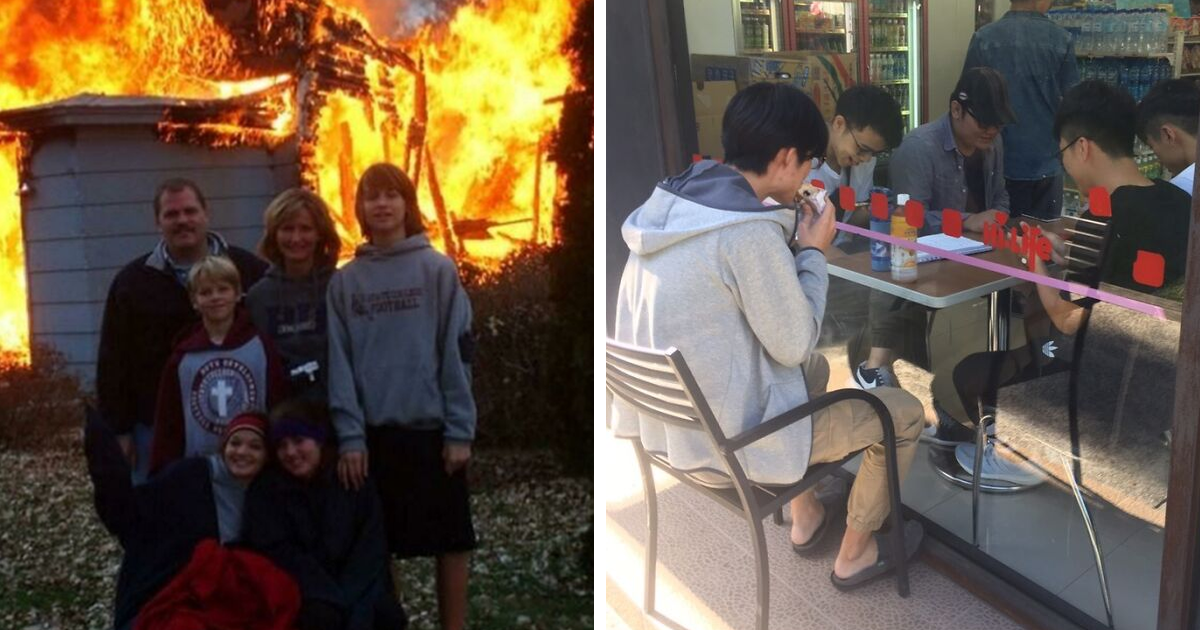
Most of us like to imagine that we would remain calm during a bizarre emergency. We would assess the danger, make a sensible decision, and perhaps deliver one perfectly timed joke. Reality is usually less cinematic. A smoke alarm chirps, and suddenly someone is attempting to unlock the front door with a television remote.
Still, certain people appear to possess industrial-strength composure. A wild animal walks into the building, the wedding cake collapses, the lights go out, or the vehicle begins making noises normally associated with an angry dishwasherand these individuals simply deal with it.
The following stories are original, composite-style retellings inspired by documented emergencies, public safety guidance, and recurring real-life situations. They celebrate people who stayed calm under pressure without suggesting that every unusual event should be handled casually. Sometimes keeping your cool means making a joke. Sometimes it means calling 911, following instructions, and resisting the powerful urge to become an untrained action hero.
Why Keeping Your Cool Actually Matters
Stress is a normal survival response. In a threatening or unfamiliar situation, the body can increase heart rate, breathing, alertness, and muscle tension. That reaction may help someone act quickly, but intense stress and time pressure can also reduce attention, working memory, and decision quality. In other words, the brain may provide extra horsepower while temporarily misplacing the steering wheel.
Calm people are not necessarily fearless. They are often doing something much more practical: narrowing the situation to the next useful action. First-aid guidance emphasizes checking the scene, calling for help, and providing appropriate care. Aviation crew-resource training similarly focuses on communication, task allocation, situational awareness, and decision-making rather than dramatic individual heroics.
Preparation also matters. Emergency plans, drills, refreshed practical skills, and trusted information can reduce confusion when something genuinely strange happens. Apparently, the secret to looking naturally unflappable is often having practiced the boring parts beforehand.
Unexpected Encounters With Animals
1. The Shopper Who Let the Deer Browse
A deer wandered through an automatic door and entered a convenience store. While everyone else backed toward the refrigerators, one shopper quietly moved away, warned newcomers, and waited for staff to clear an exit. The deer inspected the snack aisle and left without purchasing anything.
2. The Camper Who Did Not Challenge the Bear
When a bear appeared near his campsite, a hiker resisted running, shouting, or sacrificing his backpack as a peace offering. He spoke calmly, moved away slowly, and gave the animal room. The bear eventually continued on, apparently unimpressed by the available accommodations.
3. The Driver With a Snake on the Windshield
A snake emerged from beneath a car’s hood while the vehicle was moving. The driver did not attempt mobile wildlife removal. She slowed down, pulled over safely, exited from the opposite side, and called for assistance. The snake remained on the windshield, where it contributed nothing to navigation.
4. The Barista Facing a Raccoon Customer
A raccoon slipped into a café through a delivery entrance. One barista calmly guided customers away, closed the interior doors, and gave the animal a clear route outside. No cups were thrown, nobody screamed “rabies,” and the raccoon left before being asked to tip.
5. The Golfer Waiting for an Alligator
An alligator crossed a golf course directly between a player and his ball. Rather than arguing about pace of play, the golfer stepped back and waited. The reptile moved on at its preferred speed, which was slow enough to suggest it had paid for the entire afternoon.
6. The Homeowner Who Found a Bat in the Bedroom
Waking up to a bat circling the ceiling could turn anyone into a blanket-based fortress. This homeowner instead closed other rooms, moved people and pets away, and contacted local animal-control professionals. Calm did not mean touching the bat. Calm meant recognizing a job with terrible employee benefits.
7. The Restaurant Manager and the Unscheduled Turkey
A wild turkey entered a restaurant and became increasingly offended by its reflection. The manager dimmed nearby lights, cleared the area, and opened an exterior door. The bird eventually marched out, presumably to leave a strongly worded review about the rude turkey near the window.
8. The Swimmer Who Did Not Fight the Current
After being carried away from shore by a rip current, a swimmer floated, signaled for help, and moved parallel to the beach instead of exhausting herself by fighting directly toward land. Staying calm conserved energy and gave rescuers time to respond.
9. The Picnicker Surrounded by Bold Geese
When several geese approached his picnic with the confidence of tax auditors, one man quietly gathered the food and moved away. He did not chase, kick, or negotiate. It was a tactical retreat conducted with dignity, except for the sandwich one goose successfully repossessed.
Travel Problems That Could Have Become Much Worse
10. The Passenger Who Read the Safety Card
During an abrupt landing, one passenger followed crew instructions, adopted the brace position, and helped the person beside him understand what to do. He did not film the cabin or open a livestream titled “This Is Probably Fine.” His phone remained exactly where it belonged.
11. The Commuter in the Stalled Elevator
An elevator stopped between floors with six people inside. While theories about cable failure multiplied, one commuter used the emergency system, confirmed their location, and asked everyone to conserve phone batteries. Then she started a trivia game, proving leadership can occasionally involve knowing too much about state capitals.
12. The Cyclist Who Lost a Wheel
When a front wheel loosened on a quiet road, the cyclist focused on slowing gradually instead of grabbing the brake aggressively. After stopping, he sat down, inspected himself for injuries, and called for transportation. His bicycle received a long, disappointed look.
13. The Driver With a Bee in the Car
A bee entered through an open window at highway speed. The driver did not begin a one-person martial arts tournament. She kept both hands on the wheel, reduced speed, pulled into a safe area, and opened the doors. The bee departed with its undefeated record intact.
14. The Tourist Whose Kayak Overturned
After capsizing, a kayaker stayed with the vessel, held onto his flotation equipment, and signaled toward shore. Thrashing would have wasted energy and made recovery harder. The Coast Guard’s boating guidance similarly emphasizes remaining calm when a person falls overboard or a boat capsizes.
15. The Bus Driver During a Sudden Storm
When visibility disappeared under heavy rain, a bus driver slowed down, stopped in a safe location, activated warning lights, and explained the delay. Passengers grumbled for approximately twelve seconds before realizing they preferred being late to becoming the subject of an investigation.
16. The Traveler Whose Luggage Began Smoking
A battery inside a suitcase started producing smoke at a terminal. Its owner alerted airport staff, moved people away, and avoided handling the overheating device unnecessarily. His vacation wardrobe survived. The suitcase, however, was permanently removed from consideration for future travel.
17. The Family Stranded by a Flat Tire
A tire failed on an isolated highway after dark. One parent moved everyone behind a barrier while the other contacted roadside assistance and shared their precise location. Nobody stood beside traffic debating lug nuts. Calm looked less heroic than movies suggestand considerably safer.
18. The Hiker Who Realized He Was Lost
Instead of walking faster in a random direction, a lost hiker stopped, retraced his recent decisions mentally, checked available navigation tools, and prepared to remain visible. Forest Service guidance similarly recommends staying calm, conserving resources, and helping rescuers determine where to begin searching.
Public Chaos Managed With Remarkable Composure
19. The Cashier During a Power Outage
When a supermarket suddenly went dark, one cashier asked customers to remain still until emergency lighting activated. She then helped guide them away from shelving and refrigerated areas. Someone still asked whether a coupon could be processed. The cashier remained calm through that emergency too.
20. The Teacher Who Continued the Earthquake Drill
When real shaking interrupted a classroom, the teacher used the same clear instructions practiced during drills: drop, cover, and hold on. Her steady voice prevented twenty children from racing toward the windows or doorways. Preparation turned a frightening event into a sequence of familiar actions.
21. The Librarian With Water Pouring From the Ceiling
A pipe burst above the nonfiction section. The librarian moved visitors away from electrical equipment, contacted building services, and protected materials only when it was safe. She did not attempt to catch several hundred gallons of water using a recycling bin and positive thinking.
22. The Employee Who Smelled Gas
After noticing an unusual odor, an office worker avoided switches, flames, and unnecessary investigation. She alerted others, left the area, and contacted emergency services from outside. She did not announce, “Let me check one thing,” which has historically been the opening line of many preventable disasters.
23. The Moviegoer During a Fire Alarm
While other patrons waited to see whether the alarm was part of the film, one moviegoer stood, located the nearest exit, and followed staff directions. He left his popcorn behinda level of sacrifice rarely acknowledged in official emergency reports.
24. The Server Who Handled a Choking Emergency
A restaurant server recognized that a customer could not breathe, directed someone to call 911, and used the first-aid training she had recently completed. Everyone else became quieter than the restaurant had been since opening. Practice, not fearlessness, made the critical difference.
25. The Bystander Who Started CPR
When a stranger collapsed, a bystander checked responsiveness, called for emergency help, and began chest compressions with dispatcher guidance. Bystander CPR can substantially improve the chance of survival after cardiac arrest, yet many people hesitate because they fear doing something wrong.
26. The Store Manager During a Tornado Warning
Rather than directing customers toward the windows for a better view, a manager moved everyone into an interior shelter area and monitored official alerts. Tornado safety guidance prioritizes sturdy shelter, distance from windows, and continued attention to reliable warnings.
27. The Office Worker Who Ignored the Rumor Chain
During a building evacuation, conflicting messages spread through group chats. One employee followed the official alarm, used the designated route, and checked in at the assembly point. She did not return for her favorite mug. Some relationships must end when conditions become unsafe.
Celebrations That Took a Hard Left Turn
28. The Bride Whose Cake Collapsed
The wedding cake leaned, shuddered, and surrendered before dinner. The bride looked at the wreckage, asked the caterer to serve it in bowls, and continued the reception. Guests received “deconstructed cake,” which sounds expensive enough to make any structural failure intentional.
29. The Groom Locked Out of the Venue
Minutes before the ceremony, the groom discovered that the wedding party had been locked outside a side entrance. Instead of kicking the door, he called the coordinator and entertained everyone with an improvised speech. It was the calmest hostage situation involving matching suits.
30. The Birthday Host During a Blackout
A neighborhood outage struck just as guests arrived. The host collected flashlights, moved candles to safe locations, and converted the party into a low-tech evening. Without Wi-Fi, several relatives were forced to speak to one another and reportedly made a full recovery.
31. The Parent Facing a Foam Explosion
A science-themed birthday experiment expanded far beyond the container. While children cheered, the parent moved everyone back, protected their eyes, and handled cleanup after the reaction stopped. The backyard looked like a washing machine had developed strong political opinions.
32. The Graduate Whose Name Was Announced Incorrectly
After years of work, a graduate heard a completely different name called onstage. She smiled, accepted the diploma, and later requested a correction. It was a master class in choosing the right moment to solve a problem instead of wrestling the microphone from a dean.
33. The Chef Whose Main Dish Burned
Smoke emerged from the kitchen fifteen minutes before a holiday meal. The chef turned off the heat, checked for danger, opened windows, and ordered pizza. Guests applauded the decision, partly from gratitude and partly because everyone secretly prefers pizza to experimental poultry.
34. The Musician Whose Instrument Broke
A guitar string snapped during a live performance. The musician continued singing, signaled to another band member, and switched instruments between verses. Half the audience assumed it was planned. The other half learned that confidence can make almost any mistake look choreographed.
35. The Speaker Whose Presentation Disappeared
A conference screen went blank seconds after the introduction. The speaker put down the remote and delivered the talk without slides. The audience received fewer animated arrows and more actual ideas, creating a technical failure suspiciously close to an improvement.
36. The Family Whose Holiday Turkey Fell
The turkey slid from its tray and landed on the floor with ceremonial finality. One family member checked that nobody had been burned, cleaned the spill, and served the side dishes. Thanksgiving survived. The dog described the evening as the greatest holiday in recorded history.
Everyday Emergencies and Quiet Competence
37. The Parent Who Called Poison Control
After discovering that a child might have swallowed a household product, the parent did not rely on an online rumor or induce vomiting. He gathered the container, noted the likely amount and time, and contacted Poison Control for case-specific instructions.
38. The Hiker Bitten by a Snake
After a possible snakebite, a hiker moved away from the animal, stayed as still as practical, and sought professional help. She did not capture the snake, cut the wound, apply ice, or attempt to remove venom using methods learned from a cowboy movie.
39. The Neighbor Who Heard a Smoke Alarm
A resident noticed an alarm sounding in the apartment next door. Instead of assuming someone had burned toast, she alerted building management and called emergency services. The problem was contained quickly. Being calm does not mean minimizing warning signs; it means responding without creating additional danger.
40. The Dog Walker Who Found a Downed Power Line
After a storm, a dog walker saw a cable across the sidewalk. He stopped at a distance, turned other pedestrians around, and reported it. He did not test whether the line was live using a branch, shoe, umbrella, or scientific curiosity.
41. The Technician During a Chemical Spill
When a container ruptured at work, a trained technician raised the alarm, isolated the area, and followed the emergency action plan. Good workplace preparation identifies reporting procedures, evacuation routes, responsibilities, and trained coordinators before anyone is standing beside a mysterious puddle.
42. The Nurse Who Lowered the Temperature of the Room
As frightened relatives spoke over one another, a nurse lowered her voice rather than raising it. She gave one instruction at a time, assigned simple tasks, and confirmed what would happen next. Calm communication did not eliminate fear, but it gave the fear somewhere useful to go.
43. The Dispatcher Who Turned Panic Into Steps
A caller could barely explain that someone had collapsed. The dispatcher established the location, asked focused questions, and gave short CPR instructions. Emergency communication works best when information is clear, actions are prioritized, and the person receiving guidance knows what to do next.
44. The Flight Crew on the Hudson River
After bird strikes caused a sudden loss of engine thrust, the crew of US Airways Flight 1549 coordinated tasks and ditched the aircraft in the Hudson River. The NTSB later examined the crew’s decision-making, training, communication, and resource management during an emergency that developed within minutes.
45. The Teams Who Brought Apollo 13 Home
After an oxygen tank explosion crippled Apollo 13, astronauts and ground teams worked through problems involving power, navigation, consumables, procedures, and reentry. Mission Control operated continuously, testing solutions and communicating carefully until the crew returned safely to Earth. Calmness, in this case, was disciplined teamwork stretched across hundreds of thousands of miles.
What These Experiences Teach Us About Staying Calm
Unusual situations rarely arrive with a dramatic soundtrack or a convenient expert standing nearby. They interrupt ordinary moments. A person is shopping, cooking, driving, swimming, hiking, working, celebrating, or attempting to enjoy a meal when the world suddenly introduces a bear, a blackout, a medical emergency, or a turkey with no respect for reservations.
The first shared lesson is that calmness is active. None of these people succeeded by pretending nothing was happening. They observed the problem, created distance from danger, requested appropriate help, and completed manageable actions. Staying cool is not emotional numbness. It is the ability to remain useful while the nervous system is strongly recommending chaos.
The second lesson is to separate urgency from speed. Some emergencies require immediate action, but hurried movement is not always effective movement. Running from certain wildlife, fighting a rip current, rushing toward a damaged electrical line, or reentering an unsafe building can transform one problem into several. A brief pause to identify the hazard may save more time than an impressive but misguided sprint.
Another recurring experience is the value of plain communication. Calm people tend to use short sentences: “Call 911.” “Move away from the window.” “Use that exit.” “Bring the first-aid kit.” They identify one person when assigning a task instead of shouting generally into a crowd. This reduces the bystander effect and prevents ten people from assuming that an eleventh person has handled everything.
Training also creates emotional breathing room. Someone who has practiced CPR, evacuation procedures, water survival, or wildlife safety does not need to invent a response from scratch. The person may still feel frightened, but fear must now compete with a remembered sequence. Familiar actions can provide structure when the situation itself feels completely unfamiliar.
Humor has a place too, provided immediate safety has been addressed. A joke can release tension, restore social connection, and remind everyone that the crisis does not control every part of the moment. However, humor should support action rather than replace it. Naming a collapsed wedding cake “rustic” is useful. Naming a gas leak “spicy air” and remaining indoors is not.
People who remain composed also understand the limits of personal expertise. They call firefighters instead of investigating smoke, animal professionals instead of wrestling wildlife, medical services instead of diagnosing a collapse, and utility crews instead of experimenting with power lines. Asking for help is not a failure of courage. It is often the most competent decision available.
Finally, recovery matters. A person may appear calm during an emergency and feel shaken afterward. Adrenaline can temporarily postpone emotional reactions. Once the immediate danger passes, people may need rest, conversation, practical assistance, or professional support. Composure during the event does not create an obligation to remain unaffected forever.
The most impressive people in unusual situations are therefore not the ones who feel no fear. They are the ones who notice fear, keep it in the passenger seat, and continue driving the decision-making process themselves. Preferably after removing the bee from the vehicle.
Conclusion: Cool Heads Make Strange Moments Manageable
Life has a remarkable talent for introducing absurd complications without checking anyone’s schedule. Animals enter buildings. Technology fails during important presentations. Weather changes in minutes. Ordinary people suddenly become first responders, evacuation leaders, amateur event planners, or reluctant wildlife observers.
The 45 people in these scenarios kept their cool by focusing on what they could control. They created distance, communicated clearly, followed proven procedures, accepted help, and avoided unnecessary heroics. Their reactions were sometimes brave, sometimes funny, and often surprisingly simple.
That may be the reassuring part. Staying calm under pressure is not a magical personality trait reserved for pilots, astronauts, and people who look unusually comfortable holding clipboards. It can be learned through preparation, awareness, practice, and the habit of choosing the next useful action.