Research basis: official product specifications, independent lunch-box testing, long-term owner reports, USDA lunch safety guidance, and EPA waste-reduction guidance.
Most lunch containers are either practical but plasticky or attractive but suspiciously unable to hold a normal sandwich. The ECOlunchbox Three-in-One takes a simpler route: three stainless steel pieces that stack, clip together, and separate an entrée, sides, and a snack without plastic compartments or rubber gaskets.
That simplicity is the product’s greatest strengthand the source of its biggest limitation. The box is durable, dishwasher-safe, compact, and plastic-free, but it is not leakproof, insulated, or microwave-safe. This ECOlunchbox Three-in-One review examines its design, capacity, materials, ideal foods, drawbacks, and realistic daily performance.
What Is the ECOlunchbox Three-in-One?
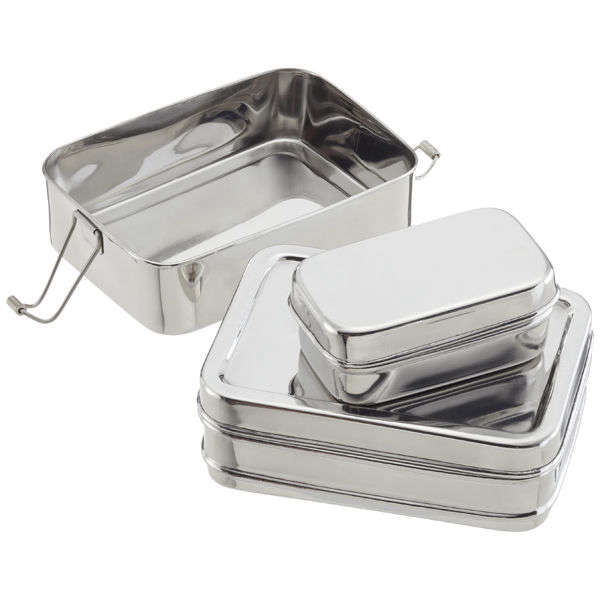
The ECOlunchbox Three-in-One Classic is a nesting bento-style lunch box made from food-grade 201 stainless steel. It includes a lower container, an upper container, and a small lidded snack container that fits inside the top tier. Metal clips hold the two main levels together.
The complete set holds approximately 31 ounces, or 3.8 cups. The lower section holds about 12 ounces, the upper section about 14 ounces, and the snack container about 5 ounces. It measures roughly 5.5 inches long, 4 inches wide, and 2.75 inches high, with an empty weight of approximately 16 ounces.
| Feature | Details |
|---|---|
| Material | Food-grade 201 stainless steel |
| Total capacity | 31 ounces, or about 3.8 cups |
| Sections | Two tiers plus one removable snack container |
| Dimensions | Approximately 5.5 x 4 x 2.75 inches |
| Empty weight | Approximately 16 ounces |
| Dishwasher-safe | Yes |
| Microwave-safe | No |
| Leakproof | No |
How the Three-Piece Design Works
The Lower Tier Holds the Main Dish
The bottom container is suited to a sandwich, sliced wrap, rice dish, pasta salad, quesadilla, or moderate serving of leftovers. Because it has no permanent dividers, the full space remains available for one substantial item. That is more flexible than a rigid tray that sacrifices half a sandwich to create a tiny grape compartment.
The Upper Tier Separates the Sides
The upper level works well for dry or low-moisture foods such as vegetables, crackers, cheese, grapes, berries, roasted chickpeas, or cookies. It also serves as the lid for the lower tier when the complete set is assembled.
The stacked layout helps protect delicate foods and keeps contrasting textures apart. A sandwich can stay downstairs while crisp vegetables remain upstairs. The sections are not airtight, but they reduce crushing and casual food mingling.
The Snack Container Adds Flexibility
The removable mini container can hold nuts, dried fruit, candy, berries, cheese cubes, or another small snack. Remove it and the top tier gains extra room. It can also travel independently for a midmorning snack or a small portion that needs to be served separately.
Why Stainless Steel Is the Main Attraction
The Classic model is made entirely from stainless steel, with no plastic lid, silicone seal, or synthetic gasket. For shoppers specifically looking for a plastic-free lunch box, that material simplicity is the headline feature.
Stainless steel is durable and resistant to staining and lingering odors. Tomato sauce may leave a plastic container looking permanently embarrassed, while smooth steel generally cleans without keeping a colorful souvenir. It also does not readily retain the smell of onions, curry, peanut butter, or the banana that achieved full emotional maturity in the bottom of a school bag.
The tradeoff is reheating. Stainless steel cannot go into a microwave, so leftovers must be transferred to a microwave-safe plate or bowl. The ECOlunchbox Three-in-One is therefore most convenient for cold meals, room-temperature food, or workplaces where another dish is available.
Is the ECOlunchbox Three-in-One Leakproof?
No. This is the most important fact to understand before buying it. The metal edges do not form watertight seals, and the Classic model intentionally avoids gaskets. The clips keep the pieces assembled, but they do not transform the lunch box into a submarine.
Soup, yogurt, thin dressing, juicy fruit, curry, salsa, and oily sauces can leak or migrate between levels. For best results, pack dry, firm, or lightly moist foods. Sandwiches, wraps, sushi rolls, cut vegetables, crackers, cheese, muffins, firm pasta salad, whole fruit, and baked snacks are better choices.
If lunch requires dressing, dip, or sauce, place it in a separate leakproof cup and keep the complete set upright inside an insulated lunch bag.
Capacity and Portion Size
At approximately 3.8 cups total, the Three-in-One is compact rather than cavernous. Independent testing has found it large enough for a sandwich, side, and snack, making it a practical choice for school lunches, lighter office meals, and portion-conscious adults.
One balanced combination could be a turkey-and-cheese sandwich in the bottom, cucumber slices and grapes in the top, and almonds in the snack pod. Another could include cold sesame noodles, edamame, orange wedges, and a small cookie.
Large appetites may need an additional container, especially for bulky salads or dinner-size leftovers. The box is also not insulated. When it carries perishable food, place it inside an insulated bag with cold sources. USDA guidance recommends at least two cold sources for perishable packed lunches.
Opening, Carrying, and Kid-Friendly Use
The adjustable metal clips are designed to keep the stacked tiers together while remaining manageable for children. Independent testers have generally found them easy to open and close while still secure during normal transport.
The compact footprint fits many lunch bags and backpacks, though it is taller than a flat, single-layer bento. It should remain upright, especially when carrying moist foods. It is sturdy, but it is not permission to launch a backpack down the stairs in the name of science.
Cleaning and Care
All three stainless steel pieces are dishwasher-safe. The uncomplicated construction means there are no silicone rings to remove, hidden channels to scrub, or plastic hinges collecting crumbs.
For hand washing, use warm water, dish soap, and a soft sponge. Dry each piece thoroughly before nesting it for storage. Briefly soak dried-on food rather than using extremely abrasive scrubbers, which may leave cosmetic scratches.
Fingerprints, water spots, and small marks are normal on polished steel. They do not affect performance; they simply make the lunch box look like it has attended lunch before.
What the ECOlunchbox Three-in-One Does Well
It Replaces Disposable Packaging
A reusable lunch container can reduce reliance on sandwich bags, plastic wrap, disposable snack pouches, and takeout boxes. The U.S. Environmental Protection Agency recommends reusable containers as part of a waste-reducing lunch routine. The real benefit comes from repeated use, not from collecting “eco” products that never leave the cabinet.
It Adapts to Different Meals
You can use all three pieces, remove the snack pod, or carry a single tier for a smaller meal. That flexibility is valuable when Monday brings sandwiches, Tuesday brings leftovers, and Wednesday brings what can only be described as a heroic quantity of cheese.
It Is Built for Repeated Use
Stainless steel handles frequent washing, bumps, and years of ordinary use better than many thin plastic containers. Long-term owner reports frequently praise the Three-in-One’s durability, although clips may occasionally need readjustment after extended use or a hard drop.
Potential Drawbacks
The lack of a leakproof seal is the biggest concern. Anyone who regularly packs yogurt, soup, saucy leftovers, or dressing-heavy salads should choose a gasketed model or add separate sealed cups.
The second drawback is microwave incompatibility. The third is capacity: teenagers, athletes, adults with physically demanding jobs, and enthusiastic salad consumers may need a larger lunch box.
Finally, the polished surface can scratch and show water spots. Those marks are cosmetic, but buyers expecting permanent showroom perfection may need to install a velvet rope around the lunch table.
ECOlunchbox Three-in-One vs. Other Lunch Containers
Compared with plastic bento boxes, the Three-in-One offers simpler materials, strong odor resistance, and excellent durability. Plastic models usually win on lower weight, microwave convenience, bright colors, and sealed compartments.
Compared with glass, the ECOlunchbox is lighter and less likely to break. Glass is better for microwave reheating and seeing leftovers at a glance, but it can feel heavy in a commuter bag.
Compared with stainless steel boxes that use silicone lids, the Classic is more strictly plastic-free but less capable of carrying wet food. Choose it for dry lunches and modular stacking. Choose a gasketed model when leak resistance matters more than avoiding every nonmetal component.
Who Should Buy It?
The ECOlunchbox Three-in-One is a good fit for children who can manage metal clips, adults who prefer cold lunches, zero-waste households, commuters who pack mostly dry foods, and anyone tired of stained plastic containers.
It is less suitable for soup lovers, microwave-dependent routines, very large appetites, or people who routinely toss lunch sideways into a bag full of electronics. A reusable container should fit your real habits, not the habits of the organized person you plan to become next Monday.
Easy Meal Ideas
- Classic: Sandwich, carrot sticks, apple slices, and nuts.
- Mediterranean: Pita, falafel, cucumber, olives, and separately sealed hummus.
- Breakfast: Mini muffins, hard-boiled egg, berries, and granola.
- Cold noodles: Sesame noodles, snap peas, orange segments, and a cookie.
- Picnic: Baguette, firm cheese, cherry tomatoes, dried fruit, and almonds.
Realistic Everyday Experience With the ECOlunchbox Three-in-One
A realistic week with the ECOlunchbox Three-in-One begins with one small adjustment: you start judging lunch by moisture level. On Monday, the box handles a sandwich, cucumber slices, grapes, and trail mix beautifully. The sandwich keeps its shape, the foods stay organized, and the snack pod prevents the raisins from staging a takeover.
Tuesday introduces cold pasta salad. It works best after the ingredients are drained well and coated with a thicker dressing rather than floating in vinaigrette. The lesson arrives quickly: this container rewards thoughtful packing. It does not punish creativity, but it prefers creativity with limited fluid dynamics.
On Wednesday, the modular design becomes the star. Removing the snack container creates more space upstairs for orange wedges and snap peas, while the mini pod travels separately with almonds for a morning snack. This flexibility feels more useful than a permanently divided tray because lunch does not have to follow one fixed blueprint.
Thursday reveals the reheating inconvenience. Leftover rice and roasted vegetables fit nicely, but the meal must be transferred to a microwave-safe plate at the office. That creates one additional dishnot a tragedy, although at 12:20 p.m. it can feel like a personal betrayal. Cold-lunch fans will barely notice; dedicated leftover enthusiasts will notice every day.
Friday is cleaning day, and the box earns back some goodwill. All three pieces go into the dishwasher without a gasket-removal ceremony. There are no stained corners, no lingering tomato smell, and no lid developing a mysterious internal ecosystem. Once dry, the pieces nest neatly for storage.
Over time, cosmetic scratches may appear, especially when metal utensils are used inside the tiers. Water spots can also show on the polished surface. These are appearance issues, not functional failures. The box gradually looks less like a product photograph and more like a dependable tool.
The daily experience is best when meals are planned around the container: sandwiches, wraps, firm leftovers, cut produce, crackers, cheese, baked goods, sushi, and snacks. It becomes frustrating when asked to behave like a sealed soup jar. A separate leakproof cup solves many problems, though it adds another piece to remember and wash.
For children, the key test is the latch. A few practice runs at home can prevent lunchtime frustration. For adults, the key test is appetite. The box handles a moderate meal, but hungrier users may add fruit, a protein bar, or another side container.
Ultimately, the ECOlunchbox Three-in-One feels pleasantly uncomplicated. It does not heat food, chill food, display calories, or send a notification when forgotten at work. It holds a sensible lunch in three durable stainless steel pieces. For the right user, that restraint is not a missing feature. It is the feature.
Final Verdict
The ECOlunchbox Three-in-One is a thoughtfully designed stainless steel bento box for people who value durable materials, flexible compartments, and easy cleaning. Its compact format suits school lunches, lighter adult meals, snacks, picnics, and cold-food routines.
Its limits are equally clear: it is not leakproof, insulated, or microwave-safe. Buyers who accept those tradeoffs receive a sturdy, plastic-free lunch system that can replace disposable bags and fragile containers for years. Buyers who require soup-level sealing should choose another model before their backpack becomes an abstract dressing installation.
Editorial note: Product specifications, pricing, and availability may change. Confirm current details with the manufacturer before purchasing.