Your digestive system does much more than process lunch and complain when lunch was a questionable gas-station burrito. It breaks food into usable nutrients, helps regulate bowel movements, interacts with the immune system, and provides a home for trillions of microorganisms collectively known as the gut microbiome.
When people talk about a “gut reset,” they usually mean reducing bloating, improving regularity, recovering after illness or antibiotics, and building eating habits that support a healthier microbial community. Your intestines do not have a factory-reset button, however. There is no scientifically established juice cleanse, detox tea, or heroic weekend fast that wipes the digestive slate clean.
A practical gut reset is less dramatic and more useful: eat a wider variety of plant foods, increase fiber gradually, include fermented foods when tolerated, stay hydrated, move regularly, and use supplements only when they solve a specific problem. The digestive system and gut microbiome respond to long-term patterns, not a three-day punishment involving lemon water and regret.
What Does a Healthy Gut Actually Look Like?
Gut health cannot be judged by one perfect bowel movement or a microbiome test that assigns your intestines a mysterious wellness score. A generally healthy digestive system processes food comfortably, absorbs nutrients, produces reasonably predictable bowel movements, and does not routinely cause severe pain, persistent diarrhea, constipation, bleeding, or unexplained weight loss.
The gut microbiome includes bacteria, fungi, viruses, and other microorganisms. These communities help ferment certain fibers, produce compounds such as short-chain fatty acids, and communicate with intestinal and immune cells. Researchers are still learning what an “ideal” microbiome looks like, and the answer is unlikely to be identical for every person.
Gut symptoms are not always caused by “bad bacteria”
Bloating, gas, constipation, loose stools, reflux, and abdominal discomfort may be influenced by eating patterns, stress, medications, infections, food intolerances, irritable bowel syndrome, celiac disease, inflammatory bowel disease, or other medical conditions. Blaming every symptom on an unbalanced microbiome can delay a real diagnosis.
That is why a sensible gut-health plan begins with food and lifestyle changes while leaving room for professional evaluation when symptoms are persistent or severe.
The Best Foods for Improving Gut Health
1. Fiber-rich vegetables
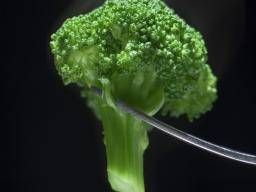
Vegetables provide soluble fiber, insoluble fiber, resistant carbohydrates, vitamins, minerals, and plant compounds. Different gut microorganisms prefer different substrates, so variety matters. Instead of eating iceberg lettuce every day and congratulating yourself on botanical diversity, rotate among leafy greens, carrots, broccoli, squash, peppers, tomatoes, asparagus, cabbage, and green beans.
Soluble fiber absorbs water and may help form softer, more manageable stools. Insoluble fiber adds bulk and can support regularity. Certain fermentable fibers also feed intestinal microbes, which can produce short-chain fatty acids used by cells lining the colon.
If vegetables usually make you bloated, start with cooked portions. Roasting, steaming, or simmering can make some foods easier to tolerate than enormous raw salads. Gradually increase serving sizes rather than introducing an entire farmers market to your colon in one afternoon.
2. Fruits with fiber and natural prebiotics
Berries, apples, pears, oranges, kiwifruit, bananas, and prunes can contribute fiber and a broad range of plant compounds. Bananas contain fermentable carbohydrates, while apples and citrus fruits provide pectin, a form of soluble fiber.
Whole fruit is generally more helpful for gut health than juice because it retains its fiber. A glass of apple juice may be easy to drink, but an apple requires chewing and delivers a more complete nutritional package.
3. Beans, lentils, peas, and chickpeas
Legumes are among the most efficient gut-friendly foods available. They provide protein, soluble fiber, resistant starch, and fermentable carbohydrates. Black beans, lentils, chickpeas, split peas, and kidney beans can support microbial fermentation while helping meals feel satisfying.
The obvious complication is gas. Gut bacteria ferment portions of legumes, and that process can produce some enthusiastic sound effects. Begin with a quarter-cup serving, rinse canned beans thoroughly, and increase portions over several weeks. Lentils and canned chickpeas are often easier starting points than a giant bowl of five-bean chili.
4. Whole grains
Oats, barley, brown rice, quinoa, bulgur, and whole-wheat products supply fiber that refined grains largely lose during processing. Oats and barley are especially useful because they contain beta-glucan, a soluble fiber that forms a gel-like substance in the digestive tract.
Whole grains also help diversify the carbohydrates reaching the colon. Johns Hopkins and Harvard nutrition resources emphasize fiber-rich plant foods, including whole grains, as foundations for supporting gut microorganisms.
People with diagnosed celiac disease must avoid gluten-containing grains. Others may tolerate oats, rice, quinoa, or certified gluten-free grains better. Do not remove every grain solely because an influencer described bread as “inflammatory.” Your intestines deserve evidence, not courtroom drama.
5. Nuts and seeds
Almonds, walnuts, pistachios, chia seeds, flaxseed, pumpkin seeds, and sunflower seeds provide fiber and unsaturated fats. Ground flaxseed and chia seeds can absorb water, which may help stool consistency when they are consumed with adequate fluids.
Try adding one or two tablespoons of ground flaxseed or chia to oatmeal, yogurt, or smoothies. Increase slowly, especially if your current fiber intake is approximately the nutritional equivalent of a beige couch.
6. Fermented foods with live cultures
Yogurt, kefir, kimchi, refrigerated sauerkraut, miso, tempeh, and some fermented pickles may contain live microorganisms. Check labels for phrases such as “live and active cultures,” because fermentation does not guarantee that microbes remain alive after heating, pasteurization, or processing.
In a Stanford study, adults who increased fermented-food consumption over ten weeks showed greater microbiome diversity and reductions in several inflammatory markers. The study was relatively small, so fermented foods should be viewed as useful additions rather than miracle treatments.
Start with small portions: half a cup of yogurt, a few ounces of kefir, or one tablespoon of kimchi or sauerkraut. Some fermented products are high in sodium, sugar, or alcohol, so the words “fermented” and “unlimited” should not become close friends.
7. Resistant-starch foods
Resistant starch escapes complete digestion in the small intestine and reaches the colon, where microbes can ferment it. Sources include beans, lentils, green bananas, oats, and cooked-and-cooled potatoes or rice.
Cooling cooked starch changes part of its structure, increasing resistant starch. You can use cooled potatoes in a salad or refrigerate cooked rice promptly and reheat it safely the next day. Resistant starch is not a license to leave rice on the counter for six hours while contemplating your microbiome.
8. Water and other unsweetened fluids
Fiber works best when fluid intake is adequate. Increasing fiber without drinking enough may worsen constipation or abdominal discomfort. Water needs vary according to body size, climate, physical activity, pregnancy, medications, and health conditions.
Water, sparkling water, unsweetened tea, and broth can contribute to hydration. People with kidney disease, heart failure, or other conditions requiring fluid restrictions should follow individualized medical guidance.
How Much Fiber Should You Add?
Many American adults consume less fiber than recommended. Depending on age, sex, calorie intake, and medical circumstances, common daily targets are roughly 25 to 38 grams. The Dietary Guidelines for Americans identify fiber as a dietary component that is widely underconsumed.
Do not leap from 10 grams to 35 grams overnight. A rapid increase can cause bloating, cramping, and gas because the digestive tract and microbial community need time to adapt. Add approximately three to five grams per day, maintain that level for several days, and then increase again if comfortable.
A gradual progression might look like this:
- Add berries or ground flaxseed to breakfast.
- Replace refined bread or rice with a whole-grain option.
- Add half a cup of beans or lentils to lunch.
- Include two different vegetables at dinner.
- Drink water consistently throughout the day.
Gut Health Supplements Worth Considering
Supplements may help in specific situations, but they cannot compensate for a consistently low-fiber, heavily processed diet. Begin with a clear goal: improving constipation, replacing a diagnosed deficiency, managing antibiotic-associated symptoms, or testing a particular probiotic strain under professional guidance.
Psyllium husk
Psyllium is a soluble, gel-forming fiber that can support stool regularity. It may help some people with constipation and can also improve stool consistency when bowel movements are loose. The American College of Gastroenterology recommends soluble fiber, including psyllium, rather than insoluble wheat bran for global IBS symptoms.
Start with the smallest label-directed serving and take it with plenty of water. Psyllium can interfere with the absorption of certain medicines, so medications may need to be taken at a different time. People with swallowing difficulties, suspected intestinal obstruction, or severe abdominal pain should not casually experiment with bulking agents.
Probiotic supplements
Probiotics are live microorganisms intended to provide a health benefit when consumed in adequate amounts. The challenge is that benefits are strain-specific. A study involving one strain for one condition does not prove that every bottle labeled “probiotic” will accomplish the same thing.
Evidence is mixed for many general digestive complaints. Some products may be useful in narrowly defined circumstances, but major gastroenterology guidance does not recommend probiotics as a universal treatment for overall IBS symptoms because evidence remains inconsistent.
When choosing a probiotic, look for a label that identifies the genus, species, and strain rather than merely promising “50 billion good bugs.” Follow storage instructions and evaluate one product at a time for several weeks. Stop if symptoms worsen.
People who are severely ill, immunocompromised, hospitalized, or caring for premature infants should consult a clinician before using probiotics. Rare but serious infections have been reported in vulnerable individuals.
Prebiotic fiber supplements
Inulin, fructooligosaccharides, galactooligosaccharides, partially hydrolyzed guar gum, and resistant-starch products are marketed as prebiotics. These ingredients can feed selected gut microorganisms, but they may also cause gas and bloating, particularly at high doses.
Food-first sources are usually the gentler starting point. If you try a prebiotic powder, begin well below the full serving and increase slowly. People with IBS or sensitivity to fermentable carbohydrates may tolerate some fibers better than others.
Digestive enzymes
Prescription enzymes are important for diagnosed conditions such as pancreatic insufficiency. Targeted over-the-counter enzymes may also help with specific problems; lactase, for example, can help some people digest lactose.
However, broad enzyme blends are not proven to “reset” a healthy digestive system. Digestive enzymes break food components into smaller molecules, while probiotics are live organisms; they are not interchangeable products.
Magnesium
Certain forms of magnesium draw water into the intestines and can have a laxative effect. That may be useful in selected cases, but excessive amounts can cause diarrhea, cramping, dehydration, and electrolyte problems. Magnesium supplements can also interact with medications and may be unsafe for people with impaired kidney function.
Do not use magnesium as an indefinite gut cleanse. Discuss persistent constipation with a healthcare professional rather than escalating the dose until your bathroom develops a loyalty program.
L-glutamine, collagen, and “leaky gut” powders
Glutamine is an amino acid used by intestinal cells, but evidence does not support treating every digestive symptom with high-dose glutamine. Collagen powder provides amino acids and protein, yet strong evidence that it independently repairs the intestinal lining in otherwise healthy adults is lacking.
Be skeptical of products promising to seal the gut, eliminate toxins, cure food intolerances, and balance hormones simultaneously. In the United States, dietary supplements are not approved by the FDA for safety and effectiveness before they reach the market.
A Realistic 14-Day Gut Reset Plan
Days 1 through 3: Establish a baseline
Keep meals simple and record what you eat, bowel frequency, stool consistency, bloating, pain, sleep, and stress. Do not eliminate multiple food groups yet. A baseline helps distinguish a real pattern from the natural human tendency to blame whichever ingredient was most recently criticized online.
Add one fiber-rich breakfast, such as oatmeal with berries, and drink water regularly. Take a short walk after one or two meals.
Days 4 through 7: Increase plant variety
Add a legume, a whole grain, and at least two colors of vegetables each day. Introduce one small serving of fermented food if tolerated. Continue tracking symptoms, but avoid judging a new food based on a single meal.
Days 8 through 10: Reduce common dietary disruptors
Reduce excessive alcohol, heavily processed snack foods, large quantities of added sugar, and meals unusually high in saturated fat. You do not need a perfection contest. The goal is to make minimally processed foods the default while leaving room for ordinary life and the occasional cookie.
Days 11 through 14: Personalize the plan
Identify which habits improved comfort and regularity. If constipation remains a problem, consider slowly adding psyllium with adequate water. If a specific food repeatedly triggers symptoms, record the amount and preparation method before removing it completely.
Restrictive diets such as the low-FODMAP diet may help selected people with IBS, but they are intended as structured, temporary interventions followed by reintroduction. Long-term unnecessary restriction can reduce dietary variety and make eating socially exhausting. Ideally, use these diets with a gastroenterologist or registered dietitian.
Experience-Based Lessons From Improving Gut Health
A common gut-health experience begins with too much enthusiasm. Someone who has eaten very little fiber buys bran cereal, kombucha, kimchi, inulin powder, a 12-strain probiotic, and a bag of chia seeds. By the second day, the stomach is inflated, the intestines are composing jazz, and every new product is blamed for making gut health worse.
The lesson is not that fiber or fermented foods are harmful. The problem is changing too many variables at once. A more successful approach is deliberately boring: introduce one meaningful change every few days. For example, begin with oatmeal and berries at breakfast. Once that feels normal, add lentils to lunch. Later, try a small serving of yogurt or kefir.
During the first week, increased gas is common when fiber intake rises. Smaller portions, cooked vegetables, slower eating, and adequate fluids can make the adjustment easier. Many people discover that they tolerate half a cup of beans well but feel miserable after two cups. Gut-friendly eating is not an endurance sport; the ideal serving is the amount your body can handle comfortably.
Another useful experience is learning that bowel habits are influenced by more than food. A beautifully balanced meal cannot fully compensate for chronic stress, four hours of sleep, and sitting motionless all day. Regular walking often helps stimulate intestinal movement. Consistent sleep and stress-management practices may also reduce symptom flare-ups, especially in people whose digestive discomfort worsens during demanding periods.
Food journaling can reveal surprisingly practical patterns. A person may believe dairy is the problem but discover that small amounts of yogurt are comfortable while large milk-based coffee drinks trigger symptoms. Someone blaming gluten may find that garlic-heavy restaurant meals are the more consistent issue. The value of tracking is not to create a list of forbidden foods; it is to identify repeatable relationships between portions, ingredients, timing, and symptoms.
Supplements are most useful when introduced with the same patience. Starting psyllium at a low dose allows the body to adapt. Trying one probiotic product at a time makes it possible to judge whether it helps. Taking five supplements together produces an expensive mystery: if symptoms improve, no one knows what worked; if symptoms worsen, every capsule becomes a suspect.
By weeks three and four, the most noticeable improvements may be modest rather than cinematic. Bowel movements may become more predictable. Meals may feel more satisfying. Bloating may occur less frequently, or recovery after a trigger food may be faster. These changes matter even if nobody wakes up glowing with the radiant energy promised by a detox advertisement.
The most durable lesson is that gut health improves through repetition. A varied, fiber-rich diet followed most days is more valuable than a flawless two-week reset followed by a return to old habits. The realistic goal is not to control every microorganism in the colon. It is to create an environment in which digestion functions comfortably and nutritious foods are tolerated in the broadest variety possible.
When Gut Symptoms Need Medical Attention
Seek prompt medical care for blood in the stool, black or tarry stools, vomiting blood, severe or persistent abdominal pain, repeated vomiting, fever, fainting, signs of dehydration, inability to pass gas, or unexplained weight loss. Persistent diarrhea, constipation, or major changes in bowel habits also deserve professional evaluation.
People with inflammatory bowel disease, celiac disease, gastrointestinal surgery, kidney disease, severe food allergies, pregnancy, immune suppression, or complex medication regimens should obtain personalized advice before beginning restrictive diets or supplement programs.
Conclusion
You cannot erase your dietary history with a cleanse, but you can steadily improve the conditions that support digestion and the gut microbiome. Build meals around vegetables, fruits, legumes, whole grains, nuts, seeds, and appropriately handled fermented foods. Increase fiber slowly, drink adequate fluids, stay physically active, and pay attention to patterns rather than chasing instant results.
Supplements such as psyllium, targeted probiotics, or specific digestive aids may have a role, but the best product depends on the problem being addressed. Food remains the foundation. Your gut does not need punishment, purification, or a subscription box containing twelve mysterious powders. It needs consistency, variety, and enough time to adapt.
Editorial note: This content is for general educational purposes and does not replace diagnosis or treatment from a qualified healthcare professional. It synthesizes information from U.S. government health agencies, gastroenterology organizations, academic medical centers, and evidence-based nutrition resources.