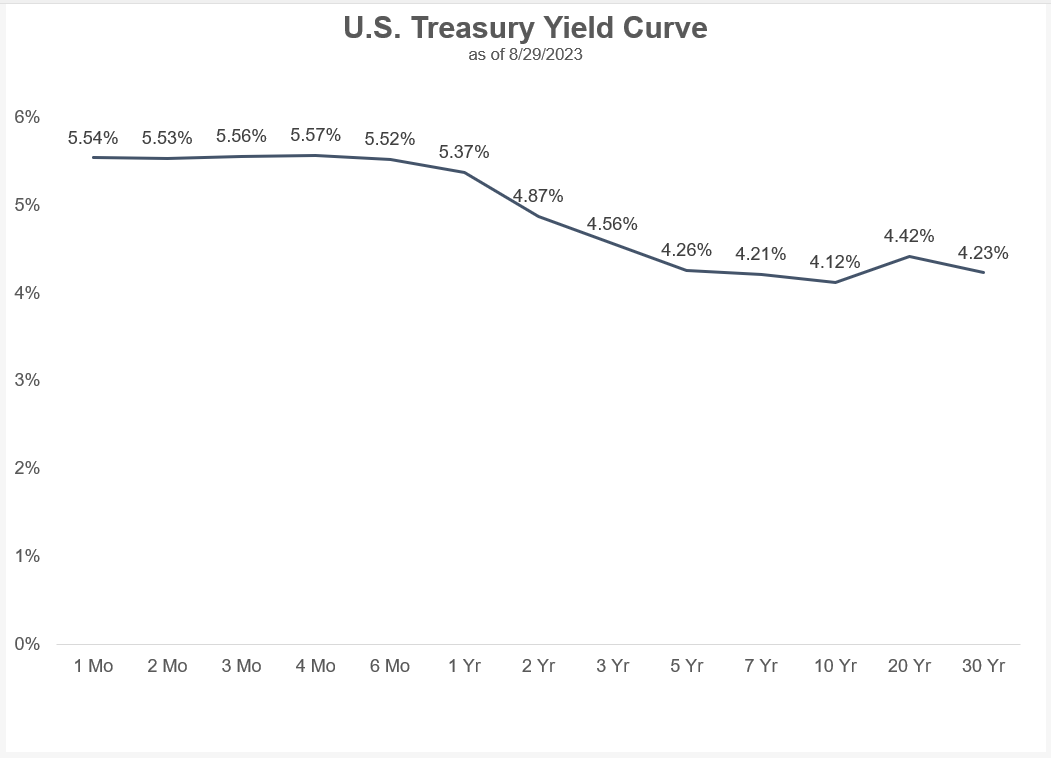
Bonds are having a moment again, and honestly, it is about time. For years, fixed income felt like the polite guest at the market party: well-dressed, rarely loud, and often ignored while stocks danced on the table. But right now, bonds are back in the conversation for a simple reason: they are finally paying investors enough to matter.
That does not mean buying any bond with a pulse and a coupon is suddenly a genius move. Far from it. The bond market in 2026 is offering real income, but it is also asking investors to think harder about duration, inflation, credit quality, and what kind of risk they are actually being paid to take. In other words, the menu looks better, but you still need to read the fine print before ordering.
If you are taking a closer look at risk and reward in bonds right now, the big takeaway is this: the case for bonds is stronger than it was in the zero-rate era, but the easiest money has probably already been made. Today’s opportunity is less about dramatic price gains and more about steady income, careful positioning, and avoiding the parts of the market where the reward looks skinny compared with the risk.
Why Bonds Are Back on Investors’ Radar
The first reason is obvious: yields are meaningfully higher than they were for much of the 2010s and early 2020s. That changes the math. When bond yields start from a healthier level, investors have a larger cushion against price declines and a more reliable stream of income. In plain English, bonds can actually do bond things again.
The second reason is that cash is no longer the automatic winner. Yes, short-term cash instruments and money market funds still look respectable. But cash has a sneaky flaw: it does not lock anything in. If short-term rates fall, the income from cash can drift lower pretty quickly. Bonds, especially intermediate-term bonds, give investors a chance to secure today’s yields for longer. That is a big deal if the rate environment becomes friendlier over the next year or two.
The third reason is diversification. Stocks and bonds have not always behaved like perfect opposites lately, and that has frustrated plenty of investors. Still, high-quality fixed income can help cushion portfolios when economic growth softens, risk appetite drops, or equity markets get moody. And let’s be fair, markets do get moody. Sometimes before breakfast.
The Reward Side of Bonds Right Now
1. Income is doing the heavy lifting
The most attractive part of bonds right now is not some secret trading trick. It is income. A decent chunk of expected bond returns today comes from coupon payments rather than hoping yields collapse and bond prices soar. That is a healthier setup than investors had when yields were scraping the floor.
This is especially true for investors who focus on high-quality bonds. Treasuries, agency bonds, and investment-grade corporate bonds can provide a respectable stream of income without forcing investors too far out on the risk spectrum. That does not mean there is no volatility. It means the compensation looks more reasonable than it did a few years ago.
2. Starting yield still matters a lot
One of the most underrated ideas in fixed income is that starting yield is a powerful predictor of future returns. If you begin with a better yield, you are not relying as heavily on perfect timing or heroic market forecasts. You already have income coming in, and that income can help offset some price swings along the way.
Think of it like hiking with a decent packed lunch instead of one lonely cracker. You may still hit bad weather, but you are much less likely to make desperate decisions.
3. High-quality bonds look more competitive again
Right now, high-quality bonds do not look like the boring afterthought they were once dismissed as. With Treasury yields elevated and investment-grade corporate yields still solid, investors can earn meaningful income without going all-in on lower-quality credit. That matters because the reward for stretching too far down the credit ladder does not look equally generous in every corner of the market.
The Risk Side of Bonds Right Now
1. Duration risk is still very real
If bond investing had a recurring villain, duration risk would be wearing the cape. Duration measures how sensitive a bond or bond fund is to changes in interest rates. The longer the duration, the more a bond’s price tends to move when yields change.
That is why long-term bonds can look tempting on paper but behave like drama queens in real life. If inflation stays stubborn, fiscal deficits keep investors nervous, or long-term yields keep climbing, longer-duration bonds can take a hit. Even when the income is attractive, the ride can get bumpier than many investors expect.
A rough rule of thumb helps here: if a bond fund has a duration near six years, a one-percentage-point rise in yields can mean about a 6% price decline, all else equal. Income offsets some of that damage, but not all of it. This is why “yield” and “safe” are not interchangeable words. They are cousins, not twins.
2. Inflation can still nibble away at returns
Inflation is cooler than it was at its peak, but it is not extinct. And bonds care deeply about inflation because inflation eats into real returns. If investors worry that inflation will stay sticky or reaccelerate, long-term yields can move higher, which pressures bond prices.
This is where Treasury Inflation-Protected Securities, or TIPS, deserve a look. TIPS are not magic, but they can be useful when investors want some protection against inflation surprises. They may be especially helpful for investors who worry that nominal bonds are a little too exposed if oil, wages, or geopolitical disruptions reignite inflation pressure.
3. Credit risk is more subtle right now
Credit risk is the chance that a bond issuer will struggle to make interest or principal payments. Today, the big issue is not that all credit looks terrible. It is that some parts of the market look expensive relative to the risk investors are taking.
Investment-grade corporate bonds still look fairly appealing for many investors because balance sheets in many sectors remain decent and yields are still useful. But when spreads are tight, there is less room for error. In lower-quality credit, that matters even more. If the economy weakens, defaults rise, or financing conditions tighten, investors may suddenly remember that “high yield” is not just a charming nickname.
4. Liquidity risk matters more than people think
Many investors assume bonds are always easy to sell at a fair price. That assumption can get wobbly during periods of market stress. Individual bonds, lower-rated debt, and certain niche sectors can become harder to trade just when investors want the exit door most.
That does not mean investors should avoid these areas entirely. It means they should understand that a bond’s quoted yield is not the whole story. Liquidity has a value. So does sleeping at night.
5. Call and prepayment risk can quietly change the deal
Not all bond risks are loud. Some are sneaky. Callable bonds can be redeemed early by the issuer, usually when rates fall and investors would have preferred to keep collecting that higher coupon. Mortgage-backed securities can also behave in odd ways because homeowner refinancing trends affect cash flows. When rates fall, principal may come back sooner than expected. When rates rise, that principal may stay tied up longer. The bond market loves a plot twist.
What Looks Most Interesting in Bonds Right Now
High-quality intermediate-term bonds
This may be the sweet spot for many investors. Intermediate-term Treasuries and high-quality core bond funds can offer a strong balance of income and risk control. They are less exposed to the wild swings of the long end, but they still provide more yield-locking power than cash.
Investment-grade corporate bonds
For investors willing to accept some credit exposure, investment-grade corporates can still make sense. The key word is selective. When spreads are not especially wide, investors want quality, diversified exposure, and reasonable maturity profiles. Chasing yield for the sake of yield is how portfolios end up in awkward family conversations later.
Municipal bonds for taxable investors
Municipal bonds deserve attention from investors in higher tax brackets. Tax-adjusted yields can still look attractive, and many muni issuers remain in stable shape. As always, credit analysis matters, but this corner of the market can offer a useful mix of income and tax efficiency.
TIPS as a hedge, not a lifestyle
TIPS can be a smart tool, especially when inflation risk is not fully gone. But they work best as part of a broader fixed-income mix, not necessarily as the only answer. Think of them as insurance with a purpose, not a one-size-fits-all replacement for every other bond.
High yield only with discipline
There is still opportunity in high-yield bonds, but selectivity matters more than ever. When spreads are relatively tight, investors are not being extravagantly paid to ignore risk. That means issuer research, diversification, and realistic expectations matter. High yield can boost income, but it is not a substitute for emergency savings, patience, or common sense.
How Investors Can Approach Bonds More Intelligently
Build a ladder
A bond ladder spreads maturities across different years so not everything comes due at once. This can help reduce reinvestment risk and create a smoother income stream. It is not flashy, but then again, neither is flossing, and both are usually good ideas.
Match the bond choice to the goal
If the goal is capital preservation for near-term spending, shorter maturities may make the most sense. If the goal is long-term income and portfolio diversification, intermediate-term exposure may be more appropriate. If the goal is tax efficiency, munis may move up the list. Good bond investing starts with the purpose of the money, not with whichever yield looked cutest at first glance.
Use funds carefully
Bond funds can provide broad diversification and professional management, which is especially useful in a massive and sometimes inefficient market. But investors should still check duration, credit quality, sector concentration, fees, and how the fund behaves under stress. “Bond fund” is a category, not a personality trait.
Do not compare every bond to cash in a shallow way
Cash may win for convenience, but bonds can win for locked-in income, diversification, and total return potential. The comparison should not be just “Which one yields more today?” It should be “What happens if rates fall, inflation shifts, or I need this money on a specific timeline?” That is where bonds become more interesting than they first appear.
The Bottom Line on Risk & Reward in Bonds Right Now
The bond market is offering a better deal than it did in the ultra-low-rate years, but it is not handing out easy wins. The reward is real: meaningful income, improved starting yields, and better diversification potential. The risk is real too: longer-duration volatility, inflation uncertainty, tight spreads in some credit sectors, and liquidity concerns if markets get messy.
So the smartest way to think about bonds right now is not as a single trade, but as a toolkit. High-quality intermediate bonds look useful. Investment-grade credit looks reasonable with care. Munis can shine for the right investor. TIPS can hedge inflation surprises. Riskier credit may still have a place, but only if investors know exactly why it is there and how much pain they can tolerate.
In short, bonds are no longer the market’s forgotten side dish. They are back on the plate. Just do not mistake “more attractive” for “risk-free,” because the bond market has a long memory and a very dry sense of humor.
Experiences Investors Are Having With Bonds Right Now
One of the clearest experiences investors are having right now is relief mixed with hesitation. Relief, because for the first time in a while, bonds can generate income that feels meaningful. Hesitation, because plenty of people still remember how painful bond losses were when rates rose sharply. That memory has not disappeared. It shows up every time an investor looks at a long-term Treasury and says, “The yield looks good, but do I really want that much duration?”
Retirees are a good example. Many are rediscovering bonds as a practical source of income instead of treating them as dead weight in a portfolio. A retiree who once depended heavily on dividend stocks or money market funds may now be building a Treasury ladder or adding high-quality bond funds to create steadier cash flow. The experience feels calmer. There is less pressure to chase risk for income. But there is also more awareness that the wrong bond choice, especially one with too much maturity risk, can still sting.
Younger investors are having a different experience. Some of them ignored bonds for years because stocks looked more exciting and cash was easy. Now they are realizing that fixed income can play offense and defense at the same time. A younger investor saving for a home down payment in three to five years may find short- and intermediate-term bonds more useful than just parking everything in cash and hoping rates stay high forever. For them, bonds start to feel less like a boring lecture and more like a practical strategy.
High-income professionals are also giving municipal bonds a fresh look. Their experience is often less about chasing the highest raw yield and more about what they keep after taxes. That changes the conversation fast. A muni bond that looked merely decent at first glance may suddenly look pretty compelling when compared on a tax-adjusted basis. It is not glamorous cocktail-party material, but it is the kind of math that tends to improve moods.
Then there are the investors who reached for yield a little too enthusiastically. They bought lower-rated credit, longer maturities, or niche bond funds without fully understanding liquidity risk or spread risk. Their experience has been educational, and not in the fun field-trip way. Many are learning that a higher coupon does not automatically equal a better investment. It may simply mean the market is charging admission for a scarier ride.
Advisors and do-it-yourself investors alike are also talking more about balance. Instead of asking, “Should I own bonds or not?” they are asking, “Which bonds fit this goal?” That shift matters. It leads to better ladders, better diversification, and better expectations. And in the bond market right now, better expectations may be one of the most valuable assets of all.