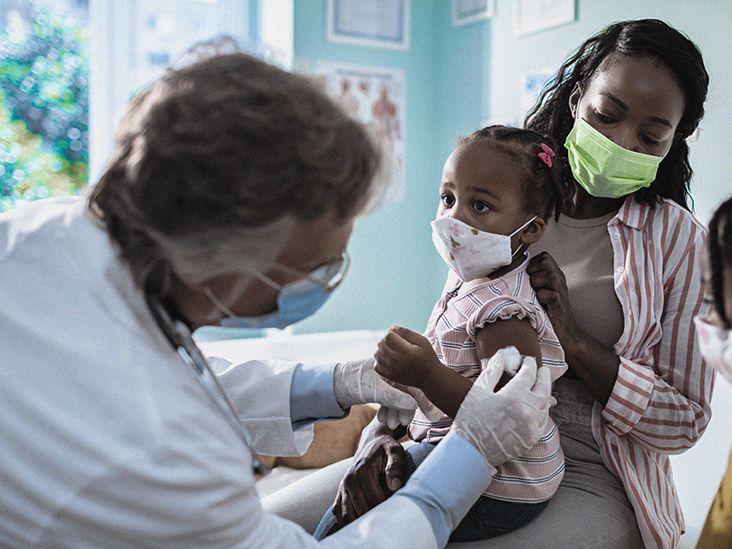
Childhood vaccines are a little like tiny umbrellas packed into your child’s immune system before the storm arrives. They do not make rainy days disappear, but they help kids face serious infections with much better protection. For parents, though, the vaccine schedule can look like a wall calendar designed by someone who really loves abbreviations: DTaP, MMR, Hib, IPV, PCV, HepB, HPV. It is enough to make even a very organized parent reach for coffee and a highlighter.
The good news is that the childhood immunization schedule is not random. Vaccines are timed to protect babies, toddlers, children, and teens when they are most vulnerable or before they are most likely to encounter a disease. In the United States, pediatricians typically follow evidence-based immunization guidance from major medical and public health organizations, while also considering each child’s health history, local school requirements, travel plans, and special risk factors.
This guide explains which vaccines kids commonly need, when they are usually given, what diseases they help prevent, and how parents can make vaccine visits less stressful. It is written for real families, not robots wearing lab coats.
Why Childhood Vaccines Matter
Vaccines help train the immune system to recognize dangerous germs before a child meets the real thing. Instead of waiting for a serious infection to teach the body a painful lesson, immunization gives the immune system a safe preview. That is especially important for babies and young children, whose immune systems are still developing and who can become seriously ill from infections that older kids or adults may handle more easily.
Childhood vaccines help protect against diseases that once caused widespread hospitalization, long-term disability, and death. These include measles, polio, diphtheria, pertussis, meningitis, hepatitis, chickenpox, pneumococcal disease, influenza complications, and several cancers linked to human papillomavirus. In other words, vaccines are not just “school paperwork.” They are one of the most important tools parents have for keeping children healthy.
Vaccination also helps protect people around your child, including newborns too young for certain shots, grandparents, pregnant people, classmates with weakened immune systems, and neighbors who may not be able to receive some vaccines for medical reasons. Public health has a group-project vibe here: when enough people participate, everyone is safer.
Which Vaccines Do Kids Need?
The exact timing may vary based on the latest guidance, vaccine brand, previous doses, health conditions, and local requirements. Still, most U.S. children are commonly immunized against the following diseases during childhood and adolescence:
- Hepatitis B
- Rotavirus
- Diphtheria, tetanus, and pertussis
- Haemophilus influenzae type b
- Pneumococcal disease
- Polio
- Influenza
- Measles, mumps, and rubella
- Varicella, also known as chickenpox
- Hepatitis A
- COVID-19, depending on current recommendations and individual risk
- Human papillomavirus
- Meningococcal disease
- Respiratory syncytial virus protection for eligible infants, depending on age, season, and maternal vaccination history
Childhood Vaccine Schedule by Age
Parents do not need to memorize every dose like they are studying for a medical spelling bee. Your pediatrician will track the schedule. Still, knowing the general rhythm can make well-child visits feel less mysterious.
Birth
Most babies receive the first dose of the hepatitis B vaccine shortly after birth. Hepatitis B can cause serious liver infection, and newborn vaccination helps protect babies early, including from exposure that may happen during birth if a parent has hepatitis B infection.
1 to 2 Months
At early visits, babies may receive another hepatitis B dose. Around 2 months, many babies begin protection against several diseases with vaccines such as rotavirus, DTaP, Hib, pneumococcal conjugate vaccine, and inactivated polio vaccine. Depending on the season and eligibility, infants may also receive RSV protection.
4 Months
The 4-month visit often includes second doses of vaccines started at 2 months. This repeat dosing helps build stronger and longer-lasting protection. Yes, it can feel like your baby just got comfortable with the pediatrician’s office and now the calendar says, “Surprise, we’re back.” But these visits are carefully timed for protection during a vulnerable stage.
6 Months
At 6 months, babies commonly receive additional doses of DTaP, Hib, pneumococcal, polio, rotavirus depending on the product used, hepatitis B, and seasonal influenza vaccine. Flu vaccination is generally given every year for children old enough to receive it. Some children receiving flu vaccine for the first time may need two doses in the first season.
12 to 15 Months
This is a major milestone window. Children typically receive vaccines such as MMR, varicella, hepatitis A, Hib booster, and pneumococcal booster. The MMR vaccine protects against measles, mumps, and rubella. Varicella vaccine protects against chickenpox, which many adults remember as an itchy childhood rite of passage, but which can sometimes cause serious complications.
15 to 18 Months
Toddlers usually receive another DTaP dose during this period. Hepatitis A is given as a two-dose series, with the second dose spaced after the first according to recommended timing. These toddler visits also give parents a chance to ask about sleep, language, picky eating, tantrums, and the mysterious toddler ability to reject a banana because it was “opened wrong.”
4 to 6 Years
Before kindergarten or early elementary school, children commonly receive booster doses of DTaP, polio, MMR, and varicella. These boosters help refresh protection before kids enter more crowded school settings, where germs move faster than playground gossip.
9 to 12 Years
The HPV vaccine is routinely recommended beginning around the preteen years. HPV vaccination helps protect against infections that can lead to several types of cancer later in life. Giving it before possible exposure produces the strongest benefit. Preteens also typically receive Tdap, which boosts protection against tetanus, diphtheria, and pertussis.
11 to 12 Years
Children usually receive meningococcal ACWY vaccine around this age. Meningococcal disease is uncommon, but it can become severe very quickly. This is also a good age to review flu vaccination, COVID-19 guidance, catch-up doses, sports forms, camp requirements, and any vaccines needed for travel.
16 to 18 Years
Teens usually need a meningococcal ACWY booster around age 16. Some teens may also be advised to receive meningococcal B vaccine based on shared decision-making, health risks, college plans, or outbreak considerations. Annual flu vaccination and any needed catch-up vaccines remain important through the teen years.
Common Childhood Vaccines and What They Prevent
Hepatitis B Vaccine
Hepatitis B vaccine helps prevent a liver infection that can become chronic and lead to serious liver disease. Because infants can become infected and develop long-term complications, protection begins at birth.
Rotavirus Vaccine
Rotavirus can cause severe vomiting and diarrhea in babies and young children. The vaccine is given orally, which is nice because not every vaccine visit has to involve a needle. It helps reduce the risk of severe dehydration and hospitalization.
DTaP and Tdap Vaccines
DTaP protects young children from diphtheria, tetanus, and pertussis. Pertussis, also called whooping cough, can be especially dangerous for babies. Tdap is the booster version used for older children, teens, and adults.
Hib Vaccine
Hib vaccine protects against Haemophilus influenzae type b, a bacterium that can cause meningitis, pneumonia, and other serious infections. Before widespread vaccination, Hib was a major cause of bacterial meningitis in young children.
Pneumococcal Vaccine
Pneumococcal disease can cause ear infections, pneumonia, bloodstream infections, and meningitis. Pneumococcal conjugate vaccines help protect babies and young children against the strains most likely to cause severe disease.
Polio Vaccine
Polio vaccination protects against a virus that can cause paralysis. Many parents today have never seen polio in daily life, which is exactly the point. Vaccines helped make it rare in the United States, but continued vaccination keeps children protected.
Influenza Vaccine
Flu can be more than a few miserable days with tissues and soup. Children can develop complications such as pneumonia, dehydration, and worsening of asthma or other conditions. Annual flu vaccination helps reduce the risk of severe illness.
MMR Vaccine
MMR vaccine protects against measles, mumps, and rubella. Measles is highly contagious and can cause pneumonia, brain swelling, and other complications. Rubella can be especially dangerous during pregnancy, which is one reason community protection matters.
Varicella Vaccine
Varicella vaccine helps prevent chickenpox. While chickenpox is often mild, it can cause skin infections, pneumonia, and rare but serious complications. Vaccination also reduces the chance of spreading the virus to people at higher risk.
Hepatitis A Vaccine
Hepatitis A affects the liver and spreads through contaminated food, water, or close contact. Children can spread it even when symptoms are mild or absent. The vaccine is given as a two-dose series.
HPV Vaccine
HPV vaccine helps prevent infections linked to cervical, throat, anal, penile, vaginal, and vulvar cancers. It is most effective when given before exposure to HPV, which is why it is recommended during the preteen years.
Meningococcal Vaccines
Meningococcal vaccines protect against bacteria that can cause meningitis and bloodstream infections. These illnesses are rare but can progress quickly. Teens, college students living in dorms, and some children with certain medical conditions may need specific meningococcal protection.
COVID-19 Vaccine
COVID-19 vaccine recommendations may vary by age, health status, previous vaccination, and current public health guidance. Parents should discuss the latest recommendation for their child with a pediatrician, especially if the child has underlying health conditions or lives with high-risk family members.
RSV Immunization
RSV can cause serious lower respiratory illness in infants. Depending on the baby’s age, season, health status, and whether the mother received RSV vaccine during pregnancy, an infant may be eligible for RSV antibody protection. This is an immunization, even though it works differently from a traditional vaccine.
What If a Child Misses a Vaccine?
Missing a vaccine does not mean parents have failed the parenting Olympics. Life happens. Families move, kids get sick, insurance changes, reminders disappear into email black holes, and sometimes everyone simply forgets. The important thing is to contact the child’s healthcare provider and ask for a catch-up plan.
In many cases, a vaccine series does not need to be restarted, even if a lot of time has passed. A pediatrician can review the child’s immunization record and recommend the safest, most efficient way to get back on track. Parents should bring any written vaccine records to appointments, especially if the child has received vaccines at a pharmacy, health department, school clinic, or previous doctor’s office.
Are Childhood Vaccines Safe?
Vaccines used for children in the United States go through safety and effectiveness review before approval or authorization. After vaccines are in use, safety monitoring continues. Like any medicine, vaccines can cause side effects, but most are mild and short-lived.
Common side effects may include soreness, redness, or swelling where the shot was given, mild fever, tiredness, fussiness, or temporary loss of appetite. These reactions usually go away within a few days. Serious allergic reactions are rare, and vaccine providers are trained to recognize and treat them.
Parents should call a healthcare professional if a child has symptoms that seem severe, unusual, or concerning after vaccination. It is also wise to tell the doctor before vaccination if a child has had a serious allergic reaction to a previous vaccine dose, has a weakened immune system, is taking certain medicines, or has a moderate or severe illness on the day of the appointment.
How to Prepare for a Vaccine Visit
A little preparation can make immunization appointments easier for everyone involved, including the parent who is pretending to be calm while silently bargaining with the universe.
- Bring the child’s vaccine record.
- Write down questions before the visit.
- Ask which vaccines are due and which diseases they prevent.
- Feed babies before the visit if appropriate.
- Bring a comfort item, book, toy, or pacifier.
- For older kids, explain simply and honestly what will happen.
- Use praise afterward, not pressure or shame.
For babies, cuddling, breastfeeding, bottle-feeding, or gentle distraction can help. For toddlers, a favorite stuffed animal may do heroic emotional-support work. For school-age children, deep breathing, looking away, counting, or choosing which arm gets the shot may provide a sense of control.
School, Daycare, Sports, and Travel Vaccines
Many states require certain vaccines for daycare, preschool, and school attendance. Requirements vary, so parents should check with their school, pediatrician, or local health department. Sports, summer camps, and college housing may also request proof of immunization.
Travel can change vaccine needs. A child visiting another country may need additional vaccines or earlier doses of routine vaccines, such as MMR for international travel. Families should schedule a travel health visit several weeks before departure when possible, because some vaccines need time or multiple doses to provide protection.
Real-Life Parent Experiences: What Vaccine Visits Actually Feel Like
On paper, childhood vaccines look like a neat schedule. In real life, they happen between diaper changes, snack negotiations, school drop-offs, and a child asking why the exam table paper sounds like a thunderstorm. Parents often discover that the emotional side of vaccination is just as real as the medical side.
One common experience is surprise at how quickly the actual shot is over. Parents may spend the entire morning worrying, only for the nurse to finish in seconds. The child cries, the parent’s heart briefly exits their body, and then a sticker appears like magic. Five minutes later, the child may be more interested in the fish tank in the waiting room than the vaccine itself. Parents, however, may need slightly longer to recover.
Another experience is learning that every child reacts differently. One baby may sleep longer after vaccines. Another may be fussy that evening and want extra cuddles. A toddler may object loudly before the shot but become perfectly cheerful after a snack. A preteen may act brave, then quietly admit they were nervous. None of these reactions means anything is wrong. They are normal human moments, and kids often take their emotional cues from the adults around them.
Parents also learn the value of being honest without being dramatic. Saying “This will not hurt at all” can backfire, because kids are smart and have excellent memory when betrayal is involved. A better approach is: “You may feel a quick pinch, and then it will be done. I’ll be right here.” That kind of honesty builds trust. It tells the child that medical care can be uncomfortable sometimes, but they are safe and supported.
For families with multiple children, vaccine appointments can become a small exercise in logistics. One child needs kindergarten boosters, another needs a flu shot, and the baby needs routine doses. Parents may feel like they are managing a tiny medical calendar with shoes, snacks, and someone’s missing sock. Keeping a digital photo of the vaccine record, using the patient portal, and scheduling the next well-child visit before leaving the office can prevent future confusion.
Some parents also face questions from relatives or friends. A grandparent may remember chickenpox parties. A neighbor may have strong opinions from social media. A friend may ask why so many shots are needed when certain diseases are now rare. In those moments, it helps to remember that rarity is often the result of vaccination, not proof that vaccines are unnecessary. Seat belts also made car deaths less common; nobody argues that fewer crashes mean we should remove the seat belts.
The most reassuring experience for many parents is developing a relationship with a pediatrician they trust. Good healthcare providers do not roll their eyes at thoughtful questions. They explain benefits and risks, review the schedule, discuss side effects, and help parents make informed decisions. When parents feel heard, vaccine visits become less like a confusing checklist and more like a shared plan to protect the child.
Over time, immunization appointments become part of the rhythm of childhood healthcare: newborn visits, first smiles, wobbly steps, preschool forms, backpack shopping, sports physicals, and eventually teen boosters. Vaccines are not the whole story of raising healthy kids, but they are an important chapter. And yes, there may be tears. There may also be stickers, bravery, relief, and the quiet comfort of knowing you helped protect your child from diseases they should never have to face.
Conclusion
Vaccines for kids protect against serious diseases at the ages when children need protection most. From the first hepatitis B dose at birth to teen vaccines like HPV, Tdap, and meningococcal boosters, the childhood immunization schedule is designed to build protection step by step. Parents do not need to master every abbreviation or timing detail alone. A pediatrician can review records, answer questions, create catch-up plans, and explain which vaccines are recommended for each child’s age and health situation.
The best approach is simple: keep a vaccine record, attend well-child visits, ask questions early, and follow trusted medical guidance. Childhood is already full of enough surprises, from mystery backpack smells to sudden opinions about sandwich shapes. Vaccine-preventable diseases do not need to be one of them.
Note: This article is for general educational purposes and reflects U.S.-based pediatric immunization information at the time of writing. Vaccine recommendations can change, and individual needs vary, so families should confirm timing and eligibility with their child’s pediatrician or local health department.