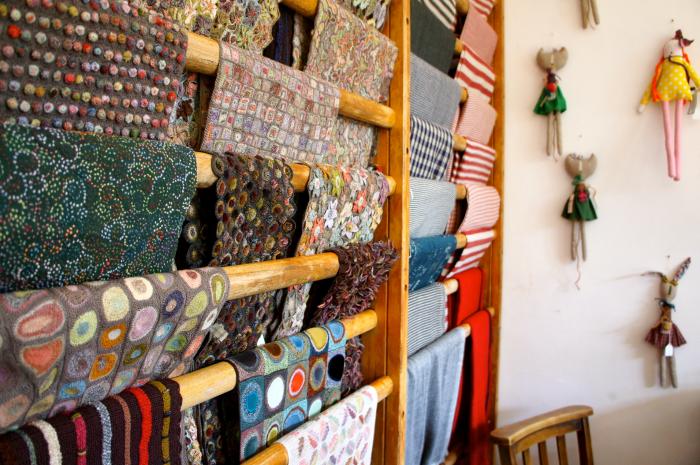
A Sophie Digard scarf is not the kind of accessory that politely waits in the corner of your closet. It has presence. It has texture. It has the quiet confidence of something made slowly, by hand, with more color intelligence than most of us can summon before coffee. At first glance, these scarves look delicatealmost botanical. Look closer, and the details start multiplying: tiny crocheted flowers, geometric medallions, linen grids, wool petals, embroidered dots, loops, circles, and soft color changes that feel more like watercolor than fashion.
The main keyword here is simple: Sophie Digard scarves. But the real story is richer. These are handmade textile pieces designed in Paris and crafted with natural fibers, often by women artisans in Madagascar. They sit somewhere between scarf, heirloom, wearable artwork, and “please don’t spill soup on this.” For collectors of slow fashion, artisan accessories, French design, and hand-crocheted scarves, Sophie Digard has become a name that signals craft, rarity, and a very specific kind of beauty: intricate, earthy, romantic, and never mass-produced.
Who Is Sophie Digard?
Sophie Digard is a Paris-based textile designer known for fashion accessories and textile objects that combine crochet, knitting, embroidery, and sophisticated color blending. Her work has been associated with handmade scarves, shawls, necklaces, brooches, bags, and whimsical textile objects. Since the late 1990s, her studio has developed a recognizable visual language: natural materials, fine handwork, layered colors, and motifs inspired by plants, stones, flowers, gardens, folk craft, and organic forms.
What makes her designs different from ordinary luxury scarves is the process. A printed silk scarf may rely on a flat surface and a graphic image. A Sophie Digard scarf relies on thousands of small decisions made in thread: the size of a motif, the way one color touches another, the rhythm between open space and density, and the handmade irregularities that make the piece feel alive. In a world where many accessories are designed to be “content,” Sophie Digard scarves are designed to be touched.
Why Sophie Digard Scarves Are So Special
1. They Are Handmade, Not Factory-Perfect
The beauty of a Sophie Digard scarf comes from its handwork. Many pieces are crocheted, knitted, embroidered, or assembled by hand, often in small workshops rather than large-scale factories. This means each scarf carries subtle variations. A flower might lean differently. A color transition might feel slightly unexpected. A repeated circle may not look machine-stampedand that is exactly the point.
In luxury fashion, “perfect” often means identical. In Sophie Digard’s world, perfect means carefully imperfect: a little human, a little poetic, and definitely not something that looks as if it was sneezed out by an algorithm.
2. The Color Work Is the Real Magic Trick
Color is central to Sophie Digard’s identity as a designer. Many descriptions of her work emphasize complex palettes made from numerous shades and fine threads. Some scarves appear muted from far away but reveal surprising combinations up close: olive beside rose, ochre beside smoke blue, rust beside lavender, charcoal beside moss. The colors often feel natural rather than loud, like a garden after rain or a basket of antique embroidery floss found in a very chic grandmother’s attic.
This is why collectors often describe her scarves as difficult to capture in photos. The camera sees “brown” or “gray.” The eye sees chestnut, bark, mushroom, faded plum, fog, straw, and something mysteriously called “that color I cannot name but suddenly need in my life.”
3. Natural Fibers Give the Scarves Their Character
Sophie Digard scarves are often made from materials such as linen, merino wool, cotton, velvet accents, and sometimes raffia in related accessories. Linen versions tend to feel airy, sculptural, and slightly crisp. Wool versions are softer, warmer, and more cloud-like around the neck. Embroidered linen stoles can feel especially artful because the base cloth becomes a quiet stage for color, stitching, and applique.
These materials matter. Natural fibers age differently from synthetics. They soften with use, respond to light, and develop personality over time. A good Sophie Digard scarf is not merely worn; it slowly becomes part of the wearer’s style vocabulary.
Popular Sophie Digard Scarf Styles
Because many designs are produced in limited quantities and seasonal colorways, availability changes often. Still, several broad styles appear again and again in Sophie Digard collections and boutique descriptions.
Hand-Crocheted Floral Scarves
Floral crochet is one of the most beloved Sophie Digard looks. These scarves may feature hundreds of tiny flowers, petals, or blossoms joined together into a soft textile field. They can be romantic without becoming sugary. Think wildflower meadow, not plastic bouquet from a gas station.
Floral scarves work beautifully with simple outfits: a linen dress, a navy sweater, a black coat, or a plain white shirt. The scarf provides all the visual interest, which is excellent news for anyone who prefers getting dressed without performing advanced fashion calculus at 7:15 a.m.
Geometric Crochet Scarves
Sophie Digard also creates geometric designs using circles, squares, diamonds, checkerboard patterns, medallions, and linked motifs. These pieces feel more architectural than floral styles. They are ideal for people who love craft but prefer clean structure over garden romance.
A linen checkerboard scarf, for example, can look modern and understated while still showing the unmistakable labor of hand crochet. Geometric scarves pair well with tailored coats, cropped jackets, denim, minimal dresses, and neutral wardrobes that need texture more than extra color.
Embroidered Linen Stoles
Embroidered linen stoles are another signature category. These may feature appliqued flowers, stitched grids, scattered dots, abstract lines, or delicate borders. They are often larger and can be worn as wraps, light shawls, or dramatic scarf layers.
The best way to understand a Sophie Digard stole is to imagine a textile sketchbook that escaped the studio and learned how to sit gracefully on your shoulders.
Small Neck Scarves and Narrow Wraps
Not every Sophie Digard scarf is large or dramatic. Some are narrow, delicate, and easy to wear with everyday outfits. Smaller scarves can be tied close to the neck, looped once, or worn like a soft jewelry piece. These are excellent entry points for people who admire the work but do not want a full shawl moment every time they buy bread.
How to Style Sophie Digard Scarves
With Minimal Outfits
The simplest styling rule is this: let the scarf do the talking. Sophie Digard scarves already contain texture, color, and pattern. Pairing one with a plain outfit gives it space to shine. A black turtleneck, cream sweater, charcoal coat, or navy linen dress can become instantly more interesting with a hand-crocheted scarf.
This is especially useful if your wardrobe leans practical. A Sophie Digard scarf can turn “I got dressed in the dark” into “I understand quiet luxury and possibly own hand-thrown ceramics.”
With Layered Fall and Winter Looks
Wool Sophie Digard scarves are natural companions for fall and winter. Try them with boiled wool jackets, oversized cardigans, long coats, corduroy, denim, and boots. Earth-toned designs look beautiful with camel, olive, espresso, rust, cream, and gray. Brighter colorways can wake up a dark coat without screaming across the room.
With Spring and Summer Linen
Linen Sophie Digard scarves are surprisingly wearable in warmer months. A lightweight linen scarf adds texture to a sleeveless dress, white shirt, or loose tunic. Because linen has body, it can create soft shape without feeling heavy. Choose lighter palettesecru, pale blue, faded pink, straw, sage, or soft grayfor an easy spring look.
As Wearable Jewelry
Some Sophie Digard pieces behave less like scarves and more like textile jewelry. Narrow crochet scarves, floral collars, and small wraps can replace a necklace. This is useful for people who find metal jewelry uncomfortable or who prefer accessories with warmth and tactility. A tiny crocheted flower at the collar can make a plain shirt look intentional without adding sparkle.
How to Choose the Right Sophie Digard Scarf
Start With Material
Choose linen if you want structure, breathability, and year-round wear. Choose wool if you want softness, warmth, and a cozy feel. Choose embroidered linen if you want a more art-object effect. If you are sensitive to wool, read product descriptions carefully and look for linen-based pieces.
Think About Your Existing Wardrobe
If your closet is mostly black, navy, gray, or cream, you have freedom to choose a more colorful scarf. If you already wear prints, florals, and bright colors, a quieter Sophie Digard scarf may be easier to style. The best scarf is not always the loudest one. Sometimes the winner is the piece that works with ten outfits instead of one fantasy outfit involving a Paris sidewalk and mysteriously perfect hair.
Check Dimensions
Dimensions matter. A narrow scarf might be around six to ten inches wide and easy to tie. A longer stole may be wide enough to drape over the shoulders. Before buying, compare the listed measurements with scarves you already own. This prevents the classic online shopping surprise where you expect “dramatic wrap” and receive “very talented shoelace.”
Buy From Trusted Boutiques
Sophie Digard pieces are carried by select boutiques and specialty textile retailers rather than every department store on the planet. In the United States, shoppers may find pieces through small independent boutiques, artisan fashion shops, and online stores that focus on slow fashion, craft, or European designers. Because availability is limited, styles can sell out quickly and may not return in the same colorway.
Are Sophie Digard Scarves Worth the Price?
Sophie Digard scarves often cost several hundred dollars, depending on size, material, complexity, and availability. That price reflects slow handwork, specialty materials, limited production, and the designer’s distinctive color development. These are not impulse-buy scarves to toss into a gym bag beside a leaky water bottle. They are investment accessories for people who value craftsmanship.
Whether they are “worth it” depends on what you want. If you need a basic winter scarf for walking the dog in freezing rain, there are cheaper and more practical options. If you want a collectible handmade textile that can transform simple clothing and remain beautiful for years, Sophie Digard scarves make sense.
How to Care for Sophie Digard Scarves
Care should always follow the specific boutique or garment label instructions. In general, handmade scarves with delicate crochet, embroidery, linen, or wool should be treated gently. Avoid machine washing unless a care label clearly allows it. Spot clean carefully when possible, keep the scarf away from jewelry that snags, and store it flat or loosely folded rather than crushed under heavy items.
For wool pieces, protect against moths with clean storage and breathable garment bags. For linen pieces, expect some natural wrinkling; linen wrinkles because it is linen, not because it has personally betrayed you. Avoid harsh chemicals, aggressive rubbing, and rough hangers. When in doubt, consult a professional cleaner experienced with delicate textiles.
Sophie Digard Scarves and the Slow Fashion Movement
The appeal of Sophie Digard scarves fits neatly into the broader slow fashion conversation. Consumers are increasingly questioning disposable trends, synthetic overload, and accessories that look tired after one season. A handmade scarf made with natural fibers and detailed labor offers a different value system: buy less, choose better, keep longer, and appreciate the hands behind the object.
That does not mean every purchase must become a moral speech with a tote bag. It simply means that when an accessory is made with care, the owner often treats it with care. A Sophie Digard scarf encourages slower dressing. You notice texture. You notice color. You build an outfit around one beautiful thing instead of adding five forgettable ones.
What Makes a Sophie Digard Scarf Collectible?
Collectibility comes from scarcity, craft, and visual identity. Many Sophie Digard designs are produced in limited runs. Color combinations may not be repeated exactly. Handmade details vary from piece to piece. Over time, certain motifs, palettes, or older designs can become especially desirable among fans of textile art and slow fashion.
Another factor is emotional attachment. These scarves do not feel generic. Owners often remember where they found one, which season it came from, or what outfit it first rescued from boredom. That personal connection is part of the collectible charm.
Common Mistakes to Avoid When Buying
Ignoring Scale
A scarf may look large in a close-up product photo but be quite narrow in real life. Always read the measurements. A small neck scarf and a wide stole are completely different styling experiences.
Choosing Color Only From One Photo
Because Sophie Digard colorwork is subtle, product photos can vary by lighting. Look for multiple images when available. If a boutique offers customer service, ask about undertones. Is the scarf warm? Cool? Bright? Muted? Does that gray lean blue, brown, or green? These details matter.
Expecting Machine Uniformity
Handmade crochet and embroidery have slight variations. That is not a flaw; it is part of the charm. Buyers who want identical repetition may prefer printed scarves or machine-made knits.
Experience Notes: Living With a Sophie Digard Scarf
The first experience many people have with a Sophie Digard scarf is visual curiosity. You see it from across a boutique or in an online photo and think, “That is pretty.” Then you zoom inor pick it upand realize “pretty” is far too small a word. The scarf is not just decorated; it is constructed. Tiny motifs connect like a miniature landscape. The surface has depth. The colors are not flat. A single flower may contain several tones, and a single neutral area may shift between beige, smoke, stone, and pale gold.
Wearing one feels different from wearing a normal scarf. A printed scarf adds image. A Sophie Digard scarf adds texture and dimension. It changes the outline of an outfit. Over a plain sweater, it becomes the main event. With a wool coat, it softens the structure. Over linen, it adds a handmade layer that feels relaxed but considered. You do not need much else. In fact, adding too many accessories can make the outfit feel busy, like everyone at the party started talking at once.
Another noticeable experience is how often people ask about it. Not necessarily in a flashy way, because these scarves are not loud-logo items. The reaction is usually quieter: “Is that handmade?” “Where did you find that?” “Can I see the detail?” This is the kind of accessory that attracts textile people, artists, knitters, crocheters, boutique owners, and friends who suddenly become very interested in touching your shoulder. Boundaries may be required. So may snacks.
The practical experience depends on the style. Linen scarves are excellent for transitional weather because they provide visual layering without too much heat. They work well in spring, early fall, air-conditioned restaurants, and travel wardrobes. Wool versions feel better in cold weather and add warmth without the bulky look of a heavy winter scarf. Narrow designs are easy to wear daily, while larger stoles feel more dramatic and special.
Care becomes part of ownership. You become more aware of rings, zippers, rough bag straps, and the dangers of lunch. A Sophie Digard scarf encourages a gentler relationship with clothing. You fold it carefully. You avoid tossing it into a crowded drawer. You may even develop the slightly dramatic habit of saying, “Not near the sauce,” which is understandable and, frankly, wise.
The most rewarding part is longevity. A good handmade scarf does not chase trends. It can look bohemian, artistic, classic, romantic, or modern depending on how it is styled. One day it works with jeans and clogs; another day it belongs over a black dress. Over time, it becomes less like a purchase and more like a signature piece. That is the quiet pleasure of Sophie Digard scarves: they make everyday dressing feel more personal, more tactile, and a little more magical without demanding a spotlight or a marching band.
Conclusion
Sophie Digard scarves are more than accessories. They are handmade studies in color, patience, and textile imagination. Designed with a Parisian eye and crafted through meticulous handwork, they bring together natural fibers, intricate crochet, embroidery, and collectible charm. Whether you choose a floral linen scarf, a geometric wool wrap, or a delicate embroidered stole, the result is the same: a piece that makes simple clothing feel thoughtful and personal.
For shoppers who value slow fashion, artisan craft, and accessories with soul, Sophie Digard scarves are worth discovering. They are not the cheapest scarves in the drawer, and they are not trying to be. They are the scarves you remember, the scarves people ask about, and the scarves that quietly prove handmade beauty still has a very stylish place in modern wardrobes.
Note: This article was written as original editorial content based on current publicly available information from museum, boutique, textile, and slow-fashion references. No source links are included, as requested.