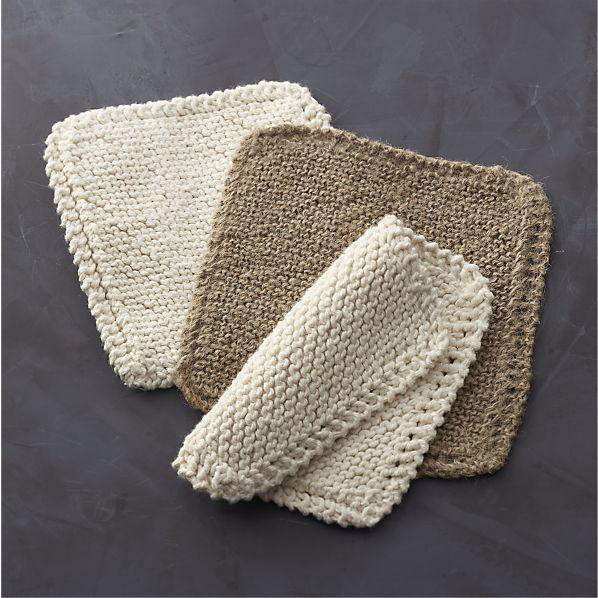
Some kitchen tools arrive with dramatic promises: “revolutionary,” “life-changing,” “cleans everything except your browser history.” Toockies Cleaning Cloths are quieter than that. They are hand-knit, reusable cleaning cloths made for people who want a hardworking scrubber without turning the sink area into a tiny landfill exhibit. In a world where paper towels vanish faster than snacks at a sleepover, Toockies offers a slower, sturdier, more thoughtful approach to everyday cleaning.
At their core, Toockies cleaning cloths are reusable scrub cloths often made from organic cotton and natural jute fibers. Depending on the set, you may find a soft cotton cloth for general wiping and a more textured jute scrubber for tougher jobs. They are commonly described as hand-knit, machine washable, biodegradable or compostable at the end of their life, and connected to fair trade production that supports women artisans in India. That is a lot of personality for something that lives next to the dish soap.
This article takes a close look at what Toockies Cleaning Cloths are, how they compare with sponges and paper towels, where they shine, where they may not be perfect, and how to use them without turning your kitchen routine into a full-time sustainability internship.
What Are Toockies Cleaning Cloths?
Toockies Cleaning Cloths are reusable kitchen and household cleaning cloths designed as an eco-friendly alternative to disposable paper towels, synthetic sponges, and plastic scrub pads. Most Toockies scrub cloths are hand-knit in a vintage dishcloth pattern, giving them a textured surface that can help lift dried-on food, soap film, and everyday grime.
The brand is best known for using natural materials such as organic cotton and jute. Cotton gives the cloth a softer, flexible feel, while jute adds a rougher texture for scrubbing. That combination makes Toockies especially useful for people who want a plastic-free cleaning tool that can handle more than a polite little wipe across the countertop.
Unlike a typical sponge, a knitted cleaning cloth does not need to stay permanently damp in a sad little puddle by the sink. It can be rinsed, wrung out, hung to dry, and tossed into the washing machine when it needs a reset. That simple wash-and-reuse cycle is one of the main reasons Toockies has become popular among people building a more sustainable kitchen.
Why Toockies Cleaning Cloths Stand Out
They Are Reusable Instead of Disposable
The biggest appeal of Toockies Cleaning Cloths is their reusability. Paper towels are convenient, yes, but they also disappear one rip at a time. Wipe the counter, toss. Dry a plate, toss. Clean a spill, toss. Before long, the roll looks like it has been through a breakup.
Reusable cleaning cloths change that habit. A Toockies cloth can be used repeatedly for dishes, counters, sinks, stovetops, and general household cleaning. After use, it can be rinsed and dried, then washed when needed. For households trying to reduce waste, this is a practical swap because it does not require a lifestyle makeover. You are still cleaning the same messes; you are just not using a disposable product every time life gets sticky.
They Use Natural Fibers
Many conventional scrubbers and microfiber cloths are made with synthetic materials. They can be effective, but they are still plastic-based. Toockies cleaning cloths, by contrast, are generally associated with natural fibers such as organic cotton and jute. This matters for buyers who prefer plant-based household items and want to avoid adding more synthetic cleaning tools to the kitchen drawer.
Organic cotton also has strong appeal because it connects to broader textile standards around certified organic fibers. When shopping, it is still smart to read the product label carefully. Terms such as “organic cotton,” “GOTS certified,” “fair trade,” and “biodegradable” should be supported by the retailer’s product details. A good rule: if the label sounds like it was written by a yoga instructor holding a clipboard, verify it before you buy.
They Are Hand-Knit
Toockies cloths are often described as hand-knit, and that feature is more than decorative. The knit texture creates ridges and loops that can help with scrubbing. Instead of relying on a plastic scouring layer, the cloth’s structure provides friction. That makes it useful for dishes, stainless steel appliances, glass stovetops, countertops, sinks, and other common surfaces.
Of course, “non-scratch” should always come with common sense. Before using any scrubber on delicate surfaces, test it in a small hidden area. Enamel cookware, nonstick pans, soft stone, and specialty finishes can be fussy. They are the divas of the household surface world.
Toockies Cleaning Cloths vs. Sponges
The kitchen sponge is famous, affordable, and deeply suspicious. It works well, but it also tends to stay damp and trap food particles. That combination can make sponges a cozy little hotel for bacteria if they are not cleaned, dried, and replaced regularly.
Toockies cleaning cloths offer a different routine. Because they are washable and easier to hang dry, they can be refreshed more thoroughly than many standard sponges. They are not magic, though. Any cloth used around food, grease, and moisture needs regular cleaning. The best habit is to rinse thoroughly after each use, wring it out well, hang it where air can circulate, and wash it frequently.
If you use one Toockies cloth for dishes and another for counters, even better. Separating tasks helps reduce cross-contamination. A cloth used to wipe up a raw-meat spill should not casually return to cleaning cereal bowls like nothing happened. The kitchen has rules, and bacteria did not sign a peace treaty.
Toockies Cleaning Cloths vs. Paper Towels
Paper towels are excellent for certain jobs. They are useful for greasy messes, pet accidents, bathroom cleaning, and anything you truly do not want to wash afterward. But using them for every small spill or countertop wipe can become expensive and wasteful.
Toockies cleaning cloths are better suited for repeatable everyday tasks: wiping counters, scrubbing dishes, cleaning the sink, polishing fixtures, and tackling dried splatters near the stove. They can reduce the number of paper towels used in a household without eliminating paper towels completely. That balance is realistic. You do not have to become the mayor of Zero Waste City by Friday.
For best results, think of Toockies as your daily cleaning workhorse and paper towels as the backup for messes that are too oily, too gross, or too mysterious. If something on the floor makes you whisper, “What is that?” paper towel first, philosophy later.
Best Uses for Toockies Cleaning Cloths
Washing Dishes
Toockies scrub cloths are well-suited for everyday dishwashing. The textured knit can help loosen food from plates, bowls, mugs, utensils, and glassware. The jute version can be especially helpful when a regular soft cloth feels too polite for baked-on sauce.
For dishes, use warm water and a small amount of dish soap. Wet the cloth, fold or roll it for grip, and scrub in circular motions. The folded shape gives your hand more control, especially on curved surfaces like mugs and bowls.
Cleaning Countertops
A cotton Toockies cloth works well for wiping crumbs, coffee rings, and ordinary countertop messes. It is a good reusable alternative to grabbing a paper towel every time someone leaves behind evidence of toast. For stone counters, sealed wood, or specialty surfaces, use the cleaner recommended by the manufacturer and avoid harsh scrubbing unless you have tested first.
Scrubbing Sinks
The kitchen sink is one of the hardest-working areas in the home. Food bits, soap residue, coffee stains, and mineral marks all collect there like they are attending a conference. A Toockies jute scrubber can help loosen grime around the basin, drain area, and faucet base. Pair it with dish soap, baking soda paste, or a mild cleaner depending on your sink material.
Cleaning Stovetops
For glass stovetops and stainless steel surfaces, Toockies cloths can be useful when damp. The textured surface helps lift splatters without needing a disposable scrub pad. Still, avoid aggressive pressure on delicate finishes. Let warm water and cleaner soften the mess first. Scrubbing smarter beats scrubbing like you are trying to erase a bad decision.
Bathroom Touch-Ups
Toockies cleaning cloths can also be used outside the kitchen. They are practical for bathroom sinks, fixtures, shower corners, and soap residue. Keep bathroom cloths separate from kitchen cloths. Label them, color-code them, or store them in different places. Nobody wants the plot twist of a sink cloth becoming a dish cloth.
How to Care for Toockies Cleaning Cloths
Good care makes reusable cleaning cloths last longer and smell better. After each use, rinse the cloth thoroughly under warm water. Squeeze out soap and food particles, then wring it firmly. Hang it from a hook, faucet, drying rack, or any place with airflow. Do not leave it crumpled in the sink unless your goal is to create a tiny swamp with opinions.
Wash Toockies cloths regularly in the washing machine. Many product descriptions say they can be machine washed and dried, but always check the care label on the set you buy. If the cloth has handled raw food juices, heavy grease, or bathroom messes, wash it before using it again. For general kitchen wiping, rotating cloths daily is a smart habit.
To manage odors, avoid letting damp cloths pile up in a closed hamper. Let them dry before tossing them into the laundry basket. You can also keep a small mesh laundry bag near the kitchen to collect used cloths. That way, they do not vanish into the laundry universe and reappear three weeks later inside a hoodie sleeve.
Are Toockies Cleaning Cloths Hygienic?
They can be, if used correctly. No cleaning cloth is automatically hygienic forever. The advantage of Toockies is that they are washable and reusable, which makes it easier to refresh them compared with many standard sponges. The key is routine: rinse, dry, wash, repeat.
Use separate cloths for separate jobs. One for dishes. One for counters. One for bathroom cleaning. If you use a cloth on a high-risk mess, such as raw poultry juices, do not simply rinse and reuse. Wash and sanitize it properly before it returns to regular duty.
Also pay attention to drying time. A cloth that dries faster is generally easier to keep fresh than one that stays wet all day. Hanging loops are useful because they help the cloth dry instead of sitting flat against the sink. Fresh air is not fancy, but it is extremely underrated.
Are Toockies Cleaning Cloths Worth It?
Toockies Cleaning Cloths are worth considering if you want a reusable, natural-fiber cleaning tool with a more sustainable story than a disposable sponge or paper towel. They are especially appealing for people who enjoy durable household goods, fair trade products, plastic-free kitchen swaps, and items that look charming enough to leave near the sink.
They may not be ideal for everyone. If you want a super-absorbent cloth for large spills, a thick cotton towel or Swedish dishcloth may be better. Some Toockies scrub cloths are designed more for scrubbing than soaking up a full glass of spilled water. If you want a cheap scrubber you can throw away after a nasty job, a reusable hand-knit cloth may feel too precious for the task.
But for daily dishwashing, sink cleaning, counter wiping, and low-waste living, Toockies hits a sweet spot. It is practical, attractive, reusable, and not overly complicated. The product does not ask you to install a composting toilet or churn your own butter. It just asks you to stop using a paper towel for every crumb with a backstory.
Buying Tips for Toockies Cleaning Cloths
Before buying, check the material details. Look for organic cotton, natural jute, or clearly listed plant-based fibers. If a product claims certification, read the label or retailer description to understand what is certified: the fiber, the finished product, or the production process.
Next, choose the right texture. A soft cotton cloth is better for everyday wiping and light cleaning. A jute scrubber is better for stuck-on food, sink marks, and heavier scrubbing. Many buyers prefer a set that includes both because it covers more cleaning situations.
Size also matters. Smaller scrubbers are easy to grip and control, especially for dishes. Larger cloths are better for countertops and broader surfaces. If you have large hands, check dimensions before ordering. A cloth that feels cute in photos may feel like a postage stamp during dish duty.
Finally, consider how many you need. One cloth is not a system. A practical kitchen rotation may include several cloths so you always have a clean one ready while used ones are drying or waiting for laundry. Three to six cloths can make reusable cleaning much easier to maintain.
Common Mistakes to Avoid
Using One Cloth for Everything
A single cloth should not clean dishes, counters, floors, and bathroom sinks in the same day. That is not minimalism; that is chaos with branding. Assign cloths by task and wash them often.
Leaving Cloths Wet in the Sink
Reusable cloths need airflow. Rinse them, wring them, and hang them. A damp cloth trapped under a plate will smell like regret by morning.
Expecting Them to Replace Every Cleaning Tool
Toockies cloths are versatile, but they are not the only tool you will ever need. Keep a brush for bottles, a towel for big spills, and disposable options for truly unpleasant messes.
Scrubbing Delicate Surfaces Too Hard
Even natural fibers can be abrasive depending on the surface. Test first, especially on nonstick cookware, soft metals, painted finishes, and specialty countertops.
Experience Notes: Living With Toockies Cleaning Cloths in a Real Kitchen Routine
To understand where Toockies Cleaning Cloths fit into daily life, imagine a regular kitchen on a regular weekday evening. There is a pan with sauce stuck near the edge, a countertop dusted with flour, two mugs with coffee rings, and a sink that looks like it has personally survived a storm. This is where a reusable scrub cloth earns its keep.
The first thing you notice is the grip. A knitted cloth feels different from a sponge. It bends around your fingers, folds into a thicker pad, and gives you more direct contact with the surface you are cleaning. When damp, the cloth becomes easier to control. For plates and bowls, the cotton side feels comfortable and flexible. For the pan with sauce along the rim, the jute scrubber feels more determined. Not aggressive, exactlymore like a tiny cleaning coach saying, “We can do better.”
On counters, a Toockies cotton cloth works best when the mess is ordinary: crumbs, light spills, sticky fingerprints, coffee drops, and the mysterious dust that appears even when nobody admits to cooking. It is not the most absorbent option for a huge spill. If someone knocks over a full glass of water, you will probably reach for a towel. But for wiping and refreshing surfaces, it feels efficient and pleasant.
The sink is where the cloth becomes especially useful. A little dish soap, warm water, and a textured scrub cloth can make stainless steel look cleaner quickly. Around the faucet, the cloth can be folded into a corner to reach tight areas. For mineral spots or stubborn marks, it helps to let the cleaner sit briefly before scrubbing. The cloth should do the work, not your entire shoulder.
Another experience point is storage. Toockies cloths look better than many sponges, which is a small but real benefit. A hand-knit cloth hanging from a hook feels intentional, while a tired yellow sponge sitting in a puddle looks like it has given up on its dreams. The hanging loop, when included, is genuinely useful because drying is part of keeping reusable cloths fresh.
The laundry routine takes a little adjustment. At first, it may feel odd to wash something you used for dishes. After a few days, it becomes normal. The easiest system is to keep several cloths in rotation: one in use, one drying, and a few clean ones in a drawer. Used cloths can dry before going into a small laundry bag. This prevents odor and keeps the process simple.
The biggest practical lesson is that Toockies Cleaning Cloths work best when treated as part of a cleaning system, not as a miracle object. Use them for the jobs they are good at: scrubbing, wiping, refreshing, and replacing many single-use paper towels. Keep towels for big spills. Keep a brush for narrow bottles. Keep common sense for anything involving raw meat or bathroom grime.
Over time, the main satisfaction comes from how ordinary the swap becomes. You are not thinking, “Look at me, saving the planet with my heroic dishcloth.” You are just cleaning the counter, washing the pan, rinsing the cloth, and hanging it up. That is the best kind of sustainable habit: useful enough to keep, simple enough to repeat, and humble enough not to need a parade.
Final Thoughts on Toockies Cleaning Cloths
Toockies Cleaning Cloths are a smart option for anyone looking to reduce waste, avoid synthetic scrubbers, and bring a more thoughtful tool into everyday cleaning. Their hand-knit texture, natural fiber construction, reusable design, and fair trade story make them more interesting than the average sponge. More importantly, they are practical. They scrub dishes, wipe counters, clean sinks, and help reduce dependence on paper towels.
They are not perfect for every task. They are not the best choice for soaking up large spills, and they still need frequent washing and proper drying. But for everyday kitchen cleaning, they offer an appealing mix of function, sustainability, and charm. In a home full of disposable shortcuts, Toockies feels like a small upgrade with long-term value.
If your kitchen is ready for a reusable cleaning cloth that can handle dishes, counters, sinks, and light scrubbing without looking like it belongs in a garage, Toockies Cleaning Cloths are worth a serious look. They are simple, sturdy, and refreshingly low-dramawhich is more than we can say for most things near the sink.
Note: This article is based on current product information, cleaning-care guidance, reusable household textile practices, and sustainability-related details from reputable sources. Source links are intentionally not displayed in the article per publishing requirements.