Some gardens announce themselves with trumpet lilies, arching roses, and tomatoes that believe they are the main character. Others speak more quietly. They leave their stories in seed packets, pressed petals, handwritten planting notes, old botanical books, watercolor sketches, herbarium sheets, and paper sculptures so delicate they look as if a breeze could edit them.
Garden stories, told in paper, are not just pretty keepsakes. They are memory systems, art forms, scientific records, family archives, and sometimes the only proof that a certain flower bloomed beside a certain fence in a certain unforgettable summer. Paper can hold a garden long after the zinnias have flopped, the basil has bolted, and the gardener has promisedagainthat next year the zucchini will be “under control.”
This is the charm of paper in garden culture: it turns temporary beauty into something you can revisit. A garden is always changing. Paper gives it a place to pause.
Why Paper and Gardens Belong Together
Gardens are living stories, but they are terrible at sitting still for portraits. A peony opens, dazzles the neighborhood, drops its petals dramatically, and then behaves as if nothing happened. A garden journal, sketchbook, seed catalog, pressed flower, or handmade paper object captures what the season refuses to keep.
Paper has always been one of the gardener’s best tools. Long before apps tracked frost dates and plant tags came with QR codes, gardeners used paper to remember what worked, what failed, and what should never again be planted near the back door unless the household enjoys surprise mint invasions.
Paper Makes the Invisible Visible
A garden is more than plants. It is weather, patience, trial, appetite, disappointment, observation, and hope. Paper can record all of it. A simple note“The beans loved the east bed this year”may seem small in July. By next spring, it becomes wisdom. A pressed fern can preserve the texture of a shady walk. A seed packet can recall a grandmother’s favorite marigold. A sketch of a border can explain why the tall plants looked elegant in theory and slightly chaotic in real life.
Paper helps gardeners see patterns. It turns scattered moments into a narrative. It says: this was here, this grew, this mattered.
The Art of Turning Garden Memory Into Paper
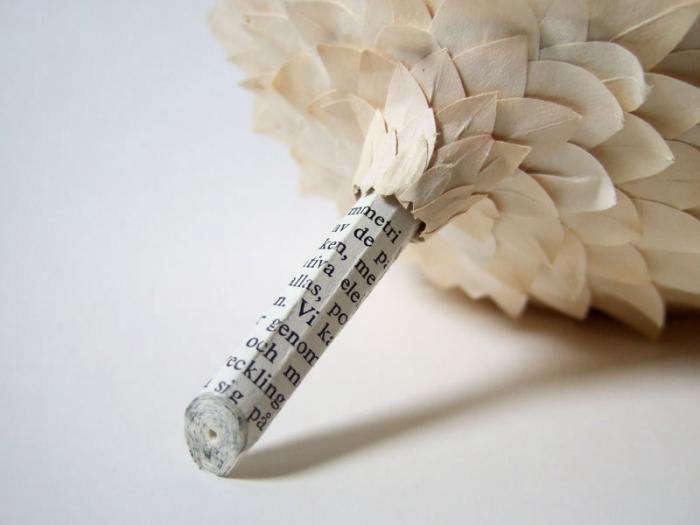
One of the most poetic examples of garden-inspired paper art appears in the work of Swedish artist Cecilia Levy, whose delicate sculptures are made from old book pages. Her teacups, bowls, spoons, and fragile vessels transform discarded or aging paper into objects that feel both domestic and botanical. They are not gardens in the literal sense, yet they carry a garden’s mood: faded, layered, seasonal, and alive with traces of former use.
Levy’s work is especially powerful because she does not treat old paper as blank material. Stains, dog-eared corners, typography, age marks, and the warmth of aged pages become part of the final piece. The result is a kind of recycling that feels less like rescue and more like reincarnation. A page once used to tell one story becomes the surface of another.
Why Old Paper Feels Like a Garden
Old paper has weather. It yellows, wrinkles, tears, softens, and collects evidence of touch. In that way, it resembles a garden path, a leaf in late autumn, or a clay pot with mineral stains around the rim. New paper can be beautiful, but old paper has gossip. It has been places. It has survived readers, shelves, moves, attics, and probably at least one cup of tea placed too close to the edge.
That sense of history is why paper art feels so natural beside garden themes. Gardens are never just new growth. They include compost, fallen leaves, old roots, inherited soil, and the memory of what grew before. Paper, especially reused paper, carries the same layered past.
Herbariums: The Scientific Side of Garden Stories
If paper art is the poetic side of garden storytelling, the herbarium is the scientific side. A herbarium is a collection of preserved plant specimens, typically pressed, dried, mounted on archival paper, labeled, and stored for study. Each specimen becomes a botanical time capsule. It tells researchers what plant was found, where it grew, when it was collected, and often who collected it.
To a casual observer, a herbarium sheet may look like a dried plant glued to paper. To botanists, ecologists, historians, and conservationists, it can be evidence of climate change, species distribution, biodiversity, plant evolution, and environmental history. In other words, it is not “dead plant on paper.” It is a plant with a résumé.
What a Pressed Plant Can Teach Us
A pressed flower from a home garden might preserve a memory. A pressed plant in a research collection can preserve data. It may show how a species looked in a region 100 years ago, whether a plant bloomed earlier in warmer decades, or how invasive species expanded over time. Labels, dates, and locations turn the specimen from decoration into documentation.
Major botanical institutions maintain millions of specimens. These collections matter because plants are not always where we expect them to be, and some are disappearing faster than anyone would like. Paper-mounted specimens help scientists compare the present with the past. They are quiet, flat, and often stored in cabinets, but they can speak loudly when researchers ask the right questions.
Botanical Illustration: Where Beauty Meets Accuracy
Botanical illustration is another form of garden storytelling on paper. Unlike casual flower doodlesthough those are lovely and should never be judged unless the daisy has six legsbotanical illustration aims to show plants with enough detail and accuracy to support identification and study.
Artists often pay careful attention to leaf shape, flower structure, seed pods, roots, stems, and the small diagnostic details that separate one species from another. The work can be breathtakingly beautiful, but beauty is not the only goal. Botanical illustration sits at the lively intersection of art and science, where a petal must look graceful and also botanically honest.
Why Draw Plants When Cameras Exist?
A camera captures what is in front of it. A botanical illustrator can combine multiple views, highlight essential features, clarify structures, and show the life cycle of a plant on one page. A drawing can reveal what a photograph hides behind glare, shadow, or a particularly attention-seeking leaf.
That is why botanical art remains relevant even in a digital world. It helps people look closely. And close looking is the beginning of good gardening, good science, and good storytelling.
Seed Catalogs: The Dreamy Paper Ancestors of Online Shopping
Before gardeners scrolled through endless product pages, they waited for seed catalogs. These catalogs were part shopping guide, part agricultural education, part fantasy novel. A tomato was never simply a tomato. It was “vigorous,” “handsome,” “high-yielding,” and possibly capable of improving one’s entire personality by August.
Historic seed and nursery catalogs are valuable because they show what people grew, what companies promoted, how plants were described, and how garden dreams were sold through illustration and persuasive language. They document trends in flowers, vegetables, fruit trees, landscaping, and home gardening. They also reveal changing tastes: the plants people loved, the colors they craved, and the promises they believed.
Paper Marketing With Petals
The best seed catalogs were not merely lists. They were invitations. Their covers glowed with impossible roses, heroic cabbages, and borders so tidy they seemed governed by a tiny municipal planning office. Gardeners bought seeds, yes, but they also bought a vision of abundance.
Today, old seed catalogs remain useful to historians, designers, gardeners, and artists. Their typography, color plates, and plant descriptions can inspire everything from heritage garden planning to collage art. A vintage catalog page can make even a rutabaga seem glamorous, which is no small achievement.
Garden Journals: The Most Practical Paper Story
A garden journal may not sound glamorous, but it is one of the most powerful tools a gardener can own. It does not need leather covers, handmade paper, or a fountain pen, though those certainly make a person feel like the curator of a very important cabbage museum. A simple notebook works beautifully.
The best garden journals track what was planted, where it was planted, when it was planted, what the weather did, which varieties performed well, what pests appeared, when flowers bloomed, and what the gardener would do differently next time. This information becomes more valuable with each season.
What to Record in a Garden Journal
A useful garden journal can include:
- Plant names and varieties
- Seed-starting and transplant dates
- Garden bed maps
- Weather notes and frost dates
- Soil amendments and watering patterns
- Pest and disease observations
- Harvest amounts and flavor notes
- Sketches, pressed leaves, photos, and seed packet clippings
The point is not perfection. The point is memory. A journal helps answer the classic gardener’s spring question: “What on earth did I plant there last year?” It also prevents repeating mistakes, such as planting six cherry tomato vines for a two-person household unless the household enjoys living under tomato rule.
Pressed Flowers: Small Portraits of Time
Pressed flowers are among the most accessible ways to tell garden stories in paper. A child can press violets between book pages. A wedding bouquet can become framed art. A gardener can save the first bloom of a cherished rose or the last cosmos before frost.
Pressing flowers changes them. Colors may fade, petals flatten, and textures become more graphic. But that transformation is part of the beauty. The flower stops being a fresh object and becomes a symbol. It says: this moment was worth keeping.
Creative Uses for Pressed Garden Materials
Pressed petals and leaves can be used in handmade cards, framed botanical compositions, bookmarks, journals, gift tags, lampshades, and archival scrapbooks. Ferns create delicate silhouettes. Pansies often press beautifully. Herbs such as thyme, sage, and rosemary can bring structure and scent memories, even if the fragrance softens over time.
For best results, gardeners should choose clean, dry plant material and press it soon after picking. Thick flowers may need to be separated into petals or sliced carefully so they dry evenly. The goal is not to mummify the garden like a botanical horror movie. It is to preserve its shape, color, and emotional weather.
Handmade Paper From the Garden
Paper can also be made from garden material. Many plant fibers can be transformed into handmade sheets, and even common garden leftovers can inspire papermaking projects. Leaves, petals, grasses, onion skins, and flower fragments can be embedded into pulp for decorative paper. The result is not just paper about a garden; it is paper containing the garden.
This kind of handmade paper has a tactile magic. Flecks of marigold, lavender, or grass become part of the surface. The paper may be uneven, textured, and slightly unpredictable, which is exactly why it feels alive. Factory-perfect paper has its uses. Garden paper has personality.
Seed Paper: A Story That Grows Back
Seed paper takes the idea one step further. It embeds viable seeds into biodegradable paper so the page can be planted. Invitations, greeting cards, tags, and bookmarks made from seed paper turn reading into gardening. The paper decomposes, the seeds germinate, and the story continues in soil.
Seed paper is especially meaningful for memorials, weddings, community gardens, school projects, and eco-friendly branding. It offers a simple metaphor people immediately understand: plant this, and something will grow.
Paper as a Bridge Between Garden and Home
Garden paper does not belong only in museums, archives, or artist studios. It can live in ordinary homes. A framed seed packet can decorate a kitchen. Pressed herbs can brighten a recipe binder. A garden map can become wall art. A stack of handwritten plant notes can be tied with string and saved for the next generation.
These objects matter because they bring the garden indoors without requiring soil on the carpet. They remind us that gardening is not just outdoor labor. It is design, memory, food, fragrance, family, science, and imagination.
How to Create Your Own Garden Paper Archive
Start small. Save one seed packet from each growing season. Label pressed flowers with the plant name and date. Keep a sketch of your garden layout. Write down the story behind meaningful plants: the peony from a neighbor, the basil your child watered, the sunflower that leaned over the walkway like it was eavesdropping.
Use acid-free paper or archival sleeves for keepsakes you want to preserve. Store pressed plants away from direct sunlight and moisture. Keep journals in a dry place. Label everything, because future you will not remember whether that dried yellow flower was calendula, coreopsis, or “the one near the hose that the bees liked.” Future you is busy. Help future you.
The Emotional Power of Garden Stories on Paper
Paper garden stories endure because they are personal. A garden is never only a collection of plants. It is tied to seasons of life. There are gardens planted after moves, gardens grown during grief, gardens used to feed families, gardens designed for beauty, and gardens that exist mostly because someone could not resist buying “just one more” packet of seeds.
Paper gives these experiences a form. It makes them shareable. A grandparent’s garden notebook can teach a grandchild when to plant beans. A pressed rose can preserve a wedding day. A botanical print can inspire a new border. A seed catalog can carry the optimism of spring through the grayest part of winter.
Garden Stories, Told in Paper: A Modern Renaissance
In a digital age, paper has become more meaningful, not less. Screens are useful, but they rarely feel intimate. A handwritten note has pressure marks. A pressed flower has fragility. A paper sculpture has shadows. A seed packet has creases from being held in muddy hands.
Modern gardeners and artists are returning to paper because it offers slowness. It asks for attention. It rewards touch. Whether through botanical illustration, collage, journaling, papermaking, or archival collecting, paper invites us to notice the garden in a deeper way.
A Garden Is Temporary; Paper Lets It Linger
Every garden is temporary. That is part of its beauty and, occasionally, its rude behavior. Flowers fade. Leaves fall. Vegetables ripen all at once, usually right before a vacation. But paper lets the garden linger. It preserves the evidence of care.
When we tell garden stories in paper, we are not trying to stop time. We are simply giving time a place to sit down.
Additional Experiences: Living With Garden Stories, Told in Paper
My favorite garden paper stories are not always the polished ones. They are the smudged, imperfect, slightly chaotic records that feel alive. A perfect botanical print can be stunning, but a muddy notebook page with “plant carrots earlier!” written in urgent handwriting has its own charm. It contains defeat, wisdom, and probably a snack break.
One memorable experience begins with a packet of zinnia seeds. On the front, the flowers looked like cheerful fireworks. In the ground, they became exactly that: bright, bold, and completely unwilling to stay in their assigned area. By late summer, the garden bed looked less designed than enthusiastically negotiated. I saved the seed packet anyway, along with a few pressed petals. The next winter, those petals reminded me not only of the flowers but of the bees, the heat, the watering can, and the smug satisfaction of cutting a bouquet from plants that had cost less than a cup of coffee.
Another kind of paper experience comes from garden maps. Drawing a garden layout by hand forces you to understand the space differently. You notice where the shade falls, where water collects, where the soil is stubborn, and where you keep pretending there is room for another shrub. There is something humbling about measuring a bed on paper and realizing your dream border requires either fewer plants or a larger continent.
Pressed flowers can also change how you observe a garden. When you know you might press a bloom, you look more carefully. You notice which flowers are too thick, which petals bruise easily, which leaves have interesting veins, and which plants look ordinary from a distance but extraordinary up close. A small violet becomes architecture. A fern becomes lace. A fallen leaf becomes a map of the season.
Garden journaling creates a similar shift. At first, it may feel like homework assigned by a very polite plant. But after a few months, the journal becomes a conversation. You begin to see that the garden is teaching constantly. The peppers struggled because nights stayed cool. The lettuce was excellent until the weather turned warm. The pollinators loved the oregano flowers. The new rose bloomed later than expected but smelled like a tiny luxury hotel.
Paper crafts also make garden memories shareable. A pressed-flower card can carry more feeling than a store-bought greeting. A handmade bookmark with embedded petals can turn a simple gift into something personal. A framed page of seed packets can become kitchen art with a story behind every label. Even children can participate by collecting fallen leaves, making rubbings, drawing insects, or creating a seasonal scrapbook.
The beauty of garden stories told in paper is that they do not require artistic perfection. In fact, imperfection often makes them better. A crooked sketch, a faded petal, a note written in a hurry, a seed packet with dirt on the cornerthese details prove the garden was real. They show that someone knelt, planted, watered, waited, hoped, and paid attention.
In the end, paper helps us keep what the garden cannot keep for itself. It turns a season into a record, a bloom into a memory, and a handful of seeds into a promise. That is why the relationship between gardens and paper remains so enduring. Both begin with fiber, patience, and possibility. Both can be fragile. Both can outlast us in surprising ways.
Conclusion: The Garden Page Is Never Really Blank
Garden Stories, Told in Paper is more than a poetic phrase. It is a way of seeing. Every garden leaves material behind: petals, seeds, plans, labels, sketches, catalogs, notes, and memories. Paper gathers these fragments and gives them shape. It helps gardeners remember, artists reinterpret, scientists study, and families pass stories forward.
Whether you are pressing a pansy, sketching a tomato plant, saving a vintage seed catalog, making handmade paper with flower petals, or simply writing “try again next year” beside a failed crop, you are participating in a long tradition. The garden grows. Paper remembers. Together, they tell a story that keeps unfolding, season after season.