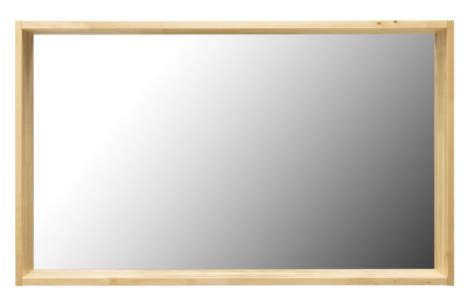
The MOLGER mirror is proof that bathroom design does not need to involve chrome everywhere, blinding LED strith its warm wooden frame, clean rectangular shape, and built-in ledge, this discontinued IKEA favorite brought Scandinavian simplicity into one of the hardest-working rooms in the home.
Although the MOLGER collection is no longer part of IKEA’s current U.S. lineup, the mirror continues to appear in secondhand stores, online marketplaces, renovation photos, and the occasional garage sale where somebody’s dusty bathroom relic turns out to be another person’s design treasure. Its enduring appeal is easy to understand: it looks natural, offers practical storage, and has enough character to warm up a plain bathroom without demanding a full renovation.
This guide explores the MOLGER mirror’s design, materials, dimensions, installation, care, styling possibilities, secondhand value, and real-world ownership experience. In other words, everything you need to know before bringing home a mirror that may be older than your current toothbrush holder.
What Is the MOLGER Mirror?
The MOLGER mirror was part of IKEA’s coordinated MOLGER bathroom furniture collection, designed by Richard Clack. The broader series included benches, shelving units, wall shelves, carts, stools, storage pieces, and mirrored units. Most products shared a slatted wooden construction and a relaxed, spa-inspired appearance.
The best-known MOLGER mirror has a rectangular wooden frame that extends outward to form a shallow ledge around the glass. Unlike a purely decorative frame, this border can function as a narrow shelf for lightweight bathroom essentials such as a soap dish, toothbrush cup, small perfume bottle, or tiny plant.
The mirror could be installed horizontally or vertically, allowing it to work above a vanity, beside a door, in an entryway, or over a dresser. That flexibility was one of its strongest features. Rotate it, mount it securely, and suddenly the same piece has a different personality.
Product details verified using historical IKEA product records and design archives. ion>
MOLGER Mirror Dimensions and Materials
Several MOLGER mirror and mirrored-shelf variations appeared during the collection’s lifespan, so measurements can differ by model and market. One widely documented version measures approximately 31 1/2 inches wide by 23 5/8 inches high, or 80 by 60 centimeters. Larger versions and separate MOLGER shelf-with-mirror products were also sold.
| Feature | Commonly Documented Details |
|---|---|
| Shape | Rectangular |
| Typical compact size | About 31 1/2 x 23 5/8 inches |
| Orientation | Horizontal or vertical |
| Frame | Solid wood with a protective clear finish or stain |
| Mirror surface | Glass |
| Designer | Richard Clack |
| Original purpose | Bathroom mirror with a shallow storage ledge |
The natural version is commonly associated with solid birch and a clear polyurethane or acrylic lacquer. Historical dark-brown versions have also been cataloged with stained solid poplar. Because used listings sometimes combine names, photographs, and measurements from different models, buyers should verify the actual frame material and size rather than trusting a title that merely says “IKEA MOLGER.”
Historical dimensions and material specifications: ion>
Why the MOLGER Mirror Still Looks Good
Warm Wood Softens Cold Bathroom Surfaces
Bathrooms are often dominated by hard materials: porcelain, tile, glass, stone, and metal. These surfaces are practical, but together they can make a room feel slightly like a laboratory where the experiment is “How awake can one person look at 6:30 a.m.?”
The MOLGER mirror introduces natural wood grain and warmer color. That visual contrast makes white tile feel less sterile, gray walls less severe, and chrome fixtures less industrial. Even a small amount of wood can create a calmer, more comfortable atmosphere.
The Frame Is Decorative and Functional
The projecting edge is not a replacement for a full bathroom shelf, but it can hold a few carefully chosen objects. This is particularly useful in a compact powder room or rental bathroom where counter space is limited.
The secret is restraint. A soap dish and a small vase look intentional. Twelve skin-care bottles, three combs, spare toothpaste, and a mysterious hotel shampoo from 2018 look like the mirror has been assigned administrative duties.
Its Shape Is Easy to Coordinate
A simple rectangle works with many decorating styles. The MOLGER mirror can complement Scandinavian, Japanese-inspired, coastal, rustic, modern organic, transitional, and minimalist interiors. It does not rely on a highly specific trend, which helps explain why it still looks relevant despite being discontinued.
Where to Use a MOLGER Mirror
Above a Bathroom Vanity
The most natural location is above a sink or vanity. Before mounting it, compare the mirror’s width with the vanity, faucet, lighting, and nearby wall edges. The mirror does not need to match the vanity width exactly, but the arrangement should feel balanced rather than accidentally shifted to one side.
Place the reflective area at a practical eye level for the household. In homes with users of very different heights, a horizontal orientation usually provides more width, while vertical placement can offer a broader range of viewing heights.
In a Powder Room
A powder room is an excellent setting because the ledge can replace a separate decorative shelf. Add a small hand-soap bottle, a bud vase, or a compact candle that is only lit when safely supervised. The wood frame creates an immediate focal point without overwhelming a small room.
In an Entryway
Mounted vertically near the front door, the mirror becomes a last-minute appearance checker and a shallow landing place for lightweight objects. It is not deep enough for a mountain of mail, which may be a blessing disguised as a measurement limitation.
Above a Dresser or Console
The MOLGER mirror also works outside the bathroom. Over a dresser, it can hold small jewelry dishes or perfume. Above a console, it pairs well with woven baskets, ceramic lamps, and natural textiles. Its bathroom origins are not obvious once it is styled in a living space.
How to Install a MOLGER Mirror Safely
A used MOLGER mirror may arrive without its original instructions, mounting fittings, or hardware. Do not improvise with a single picture hook simply because it happens to be nearby. A wood-framed glass mirror requires secure support appropriate for its weight and the wall material.
1. Inspect the Back
Check for original brackets, slots, mounting plates, or evidence that hardware has been replaced. Look for cracked wood, loose joints, bent fittings, or damaged fastener holes. If the frame moves when gently handled, repair it before hanging.
2. Identify the Wall Type
Drywall, plaster, masonry, and tile require different fasteners. Whenever possible, secure mounting hardware into wall studs. When stud placement does not match the desired location, use correctly rated anchors designed for the wall construction and expected load.
3. Check for Hidden Utilities
Be particularly careful around faucets, outlets, switches, and lighting. Pipes and electrical wiring may run behind the wall. Use suitable detection tools, review the room layout, and consult a professional when the wall contains tile or when utility placement is uncertain.
4. Measure and Level Twice
Mark the mirror’s centerline and the precise mounting points. Use a level rather than relying on eyesight. Human vision is excellent at appreciating sunsets and surprisingly unreliable at identifying a two-degree tilt until every guest mentions it.
5. Confirm the Final Hold
After installation, check that all fittings are fully engaged and that the mirror does not rock, slide, or lift away from the wall. Do not place objects on the ledge until the mounting is confirmed secure.
General mirror-installation guidance synthesized from IKEA, Home Depot, and Lowe’s mounting resources. ion>
Lighting the Mirror Properly
A beautiful mirror cannot rescue bad lighting. A single ceiling fixture often creates shadows beneath the eyes, nose, and chin. For grooming, light placed on both sides of a vanity mirror generally produces a more even result than a strong overhead beam.
When side sconces are not possible, a horizontal fixture above the mirror can provide useful task lighting. Choose a fixture whose scale suits the mirror and position it so that the frame does not cast an awkward shadow across the glass.
Warm-to-neutral light usually complements the wood frame, but color accuracy matters for makeup and grooming. Avoid bulbs that make everyone look either frozen blue or pleasantly toasted unless one of those effects is central to the decorating plan.
Vanity-lighting principles: ion>
How to Clean and Maintain the MOLGER Mirror
Cleaning the Glass
Dust the surface first with a clean microfiber cloth. Apply a small amount of glass cleaner to the cloth rather than spraying the mirror heavily. This reduces the chance of liquid running behind the glass or pooling against the wood frame.
Wipe from top to bottom and finish with a dry, lint-free cloth. Pay attention to the lower edge, where toothpaste droplets and water spots tend to gather for their annual convention.
Caring for the Wood Frame
Use a soft cloth lightly dampened with water or a mild cleaner, then dry the wood immediately. Avoid abrasive pads, soaking-wet cloths, concentrated chemicals, and products that may damage the protective finish.
Ventilate the bathroom during and after showers. Wood products tolerate normal bathroom use more successfully when moisture does not remain trapped in the room for long periods. Wipe up standing water on the ledge instead of allowing bottles and cups to create damp rings.
Repairing Minor Wear
Small scratches may be disguised with a compatible furniture touch-up product, but test any treatment in an inconspicuous area first. If the finish is peeling or the wood has dark moisture staining, determine whether the damage is merely cosmetic or evidence of deeper deterioration.
Major refinishing requires careful preparation around the glass. Protect the mirror from sanding debris, stain, and clear coat. A refinished frame can look excellent, but enthusiastic sanding has a way of turning a quick Saturday project into a three-week relationship.
Care recommendations based on wood and mirror maintenance guidance. ion>
How to Style a MOLGER Mirror
Create a Scandinavian Bathroom
Pair the natural wood frame with white walls, matte ceramic accessories, simple towels, and restrained greenery. Keep the countertop mostly clear. The goal is calm functionality, not a showroom in which nobody appears to own dental floss.
Use Black Accents for Contrast
Black faucets, sconces, hooks, or cabinet pulls give the warm wood a more contemporary edge. Repeat black in two or three locations so the contrast feels deliberate.
Build a Spa-Inspired Palette
Combine the mirror with stone-colored tile, waffle towels, woven baskets, and muted green or beige paint. A small eucalyptus stem or humidity-tolerant plant can reinforce the natural look, provided the plant receives suitable light.
Make the Dark-Brown Version Feel Modern
A dark MOLGER mirror works well with cream walls, brass details, terracotta accessories, or deep green paint. Avoid surrounding it with too many other heavy brown objects. Give the mirror visual breathing room so it reads as a rich accent rather than the captain of a mahogany fleet.
Buying a Used MOLGER Mirror
Because the collection is discontinued, most buyers will encounter the mirror through resale marketplaces, architectural salvage stores, thrift shops, or local furniture listings. Condition is more important than rarity-inspired excitement.
Questions to Ask the Seller
- What are the exact width, height, and depth?
- Is the frame natural birch, dark brown, painted, or refinished?
- Are the original mounting fittings included?
- Does the mirror glass have chips, scratches, silvering loss, or dark spots?
- Has the frame been exposed to prolonged moisture?
- Are any joints loose or repaired?
- Can the seller provide clear photographs of the back?
Inspect the Reflective Surface
Minor surface marks may be acceptable, but cracks and edge chips can create safety concerns. Dark speckles or cloudy areas near the edges may indicate deterioration of the mirror backing. Such aging can add vintage character, but it cannot be removed with a stronger glass cleaner and positive thinking.
Inspect the Wood
Look along the edges for swelling, splitting, discoloration, mildew, or softened areas. Check whether the ledge remains straight. A slightly worn finish can often be refreshed, while warped or structurally weakened wood is a more difficult repair.
Plan Transportation Carefully
Transport the mirror upright when possible, cushion every edge, and prevent other objects from pressing against the glass. A blanket is helpful, but a blanket plus rigid protection is better. Do not leave the mirror loose in a vehicle where one enthusiastic turn can convert a bargain into modern art.
Discontinued status and resale context supported by historical product archives and secondhand listings. ion>
Is the MOLGER Mirror Worth Buying Today?
The MOLGER mirror is worth considering when the frame is structurally sound, the glass is in good condition, the dimensions suit the intended wall, and secure mounting is possible. It is particularly appealing to homeowners who want a genuine wood accent and a more relaxed look than a thin metal or frameless mirror provides.
It may not be ideal for someone who wants integrated lighting, concealed electrical outlets, anti-fog technology, or medicine-cabinet storage. Its ledge is useful but shallow, and its wood frame requires more moisture awareness than plastic or metal.
Value also depends on condition rather than the seller’s dramatic use of words such as “rare,” “iconic,” or “collector.” A discontinued IKEA item can be charming and hard to find without automatically becoming a museum-grade investment. Buy it because it suits the room, not because somebody typed “VINTAGE” in capital letters.
Alternatives to the MOLGER Mirror
When an original MOLGER mirror is unavailable, look for a rectangular wood-framed bathroom mirror with horizontal and vertical mounting options. A model with an integrated shelf will provide the closest functional substitute.
Other alternatives include a plain wood mirror paired with a separate floating shelf, a mirrored medicine cabinet with wood-effect sides, or a custom frame built around an existing mirror. Bamboo bathroom furniture can create a similar light, spa-like impression, although bamboo and birch have different grain patterns and tones.
Match the alternative to the features you actually value. Someone attracted to the natural wood may not need a shelf. Someone desperate for counter space may care more about storage than authentic MOLGER proportions. Design becomes easier once nostalgia and practical needs agree to share the same bathroom.
Living With a MOLGER Mirror: A Real-World Experience
The most noticeable change after installing a MOLGER mirror is not that the bathroom suddenly looks expensive. It is that the room feels less mechanical. In a space filled with white tile, a porcelain sink, chrome hardware, and a glass shower door, the wooden frame becomes the element that makes everything feel connected to an actual home.
Mounted horizontally above a compact vanity, the mirror provides a generous view without dominating the wall. The ledge is just deep enough to be useful and just shallow enough to discourage major clutter. In daily use, it comfortably holds a soap dish, a small fragrance bottle, and a tiny ceramic cup. Add much more, and the arrangement starts looking like a pharmacy operating from a windowsill.
The ledge also changes cleaning habits. Water droplets and toothpaste marks are more visible on horizontal wood than on a flat frame, so it benefits from a quick wipe every few days. This sounds mildly inconvenient, but the task takes less than a minute. The greater risk is allowing wet containers to remain in one place. Moving items during cleaning and drying the surface prevents pale rings and dark moisture marks.
Lighting has a surprisingly large effect on the mirror’s appearance. Under harsh cool bulbs, natural birch can appear washed out. Under soft neutral lighting, the grain becomes warmer and more dimensional. Side lighting is especially flattering because it illuminates both the face and the wood evenly. An overhead fixture still works, but its position should be checked before installation so it does not create a dark band along the upper frame.
The option to rotate the mirror is genuinely useful. Horizontal placement is a natural choice above a vanity, while vertical placement works beautifully in a narrow entry or beside a closet. During a room update, that flexibility can save the mirror from being sold simply because the original wall is no longer available.
A used example often arrives with small signs of age: a softened corner, light scratches, or a slightly dull finish. These imperfections tend to suit the design. The MOLGER mirror is not a glossy luxury object that demands absolute perfection. Its appeal comes from straightforward construction and natural material, so mild wear can make it feel more relaxed rather than neglected.
The biggest challenge is mounting. Original hardware may be missing, and the frame is heavier than a lightweight decorative mirror. Measuring carefully, selecting fasteners for the wall type, and using two people during installation can prevent frustration. Once mounted correctly, the mirror should feel stable when cleaned and should not shift when small items are placed on the ledge.
Over time, the mirror’s greatest strength is its visual adaptability. Change white towels to olive green, replace chrome pulls with black hardware, or repaint the walls a warm beige, and the wood still works. It does not trap the bathroom in a single trend. Instead, it acts as a dependable neutral with enough texture to keep the room from looking flat.
The MOLGER mirror is therefore best experienced not as a collectible object but as a useful piece of everyday design. It reflects a practical idea: bathroom furniture can be simple, warm, and multifunctional without becoming complicated. It also reflects your face before coffee, but no designer can be held responsible for that.
Final Thoughts
The MOLGER mirror remains appealing because it solves several small design problems at once. It provides a useful reflective surface, adds warmth through real wood, offers a narrow display ledge, and can be mounted in two orientations. Its uncomplicated Scandinavian form works in bathrooms, bedrooms, entryways, and other compact spaces.
Buying one today requires more inspection than picking a new mirror from a store. Dimensions vary, mounting parts may be missing, and bathroom moisture may have affected used examples. A carefully examined and securely installed MOLGER mirror, however, can still deliver years of practical service and understated style.
For anyone who appreciates natural materials, flexible design, and furniture that quietly performs more than one job, the MOLGER mirror is more than a discontinued IKEA product. It is a reminder that good design does not have to shout. Sometimes it simply hangs on the wall, holds the soap, and makes the bathroom look considerably more civilized.