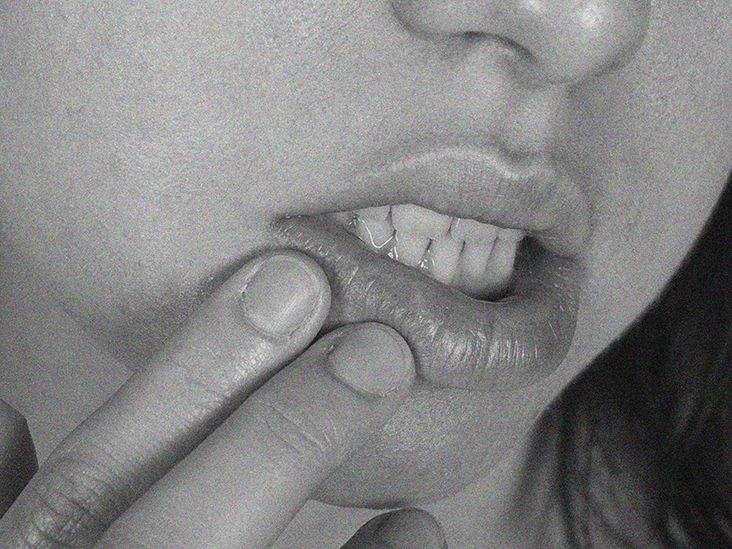
Itchy lips are one of those tiny body annoyances that can instantly hijack your attention. One minute you are answering emails, eating an apple, or applying your favorite lip balm; the next, your lips are tingling, burning, flaking, or demanding to be scratched like they have filed a formal complaint. The good news is that itchy lips are often caused by something simple: dryness, irritation, weather, saliva, cosmetics, or a mild allergic reaction. The less fun news is that persistent lip itching can sometimes point to conditions that need proper treatment, such as allergic contact cheilitis, angular cheilitis, oral allergy syndrome, cold sores, eczema, or sun-related lip damage.
This guide explains the most common causes of itchy lips, the symptoms to watch for, home care that actually helps, treatment options, prevention tips, and signs that it is time to call a healthcare professional. Think of it as lip troubleshooting, minus the panic and minus the mystery tube of “medicated” balm that somehow makes everything worse.
What Do Itchy Lips Mean?
Itchy lips usually mean that the delicate skin of the lips is irritated, inflamed, dry, or reacting to a trigger. The medical word often used for inflamed lips is cheilitis. Cheilitis can be short-term or chronic, mild or severe, and it may affect the pink part of the lips, the corners of the mouth, the surrounding skin, or all of the above.
Lip skin is thinner and more exposed than much of the skin on the rest of the body. Lips also do not have the same oil-producing protection as other areas, so they lose moisture quickly. Add wind, sun, spicy food, toothpaste, cosmetics, saliva, pollen, or a new lip product, and your lips may respond with itching, peeling, redness, burning, swelling, or cracking.
Common Causes of Itchy Lips
1. Dry or Chapped Lips
The most common cause of itchy lips is plain old dryness. Cold weather, dry indoor air, dehydration, sun exposure, and frequent lip licking can all strip moisture from the lips. When the lips become dry, the skin barrier weakens. That can lead to itching, tightness, flaking, and tiny cracks.
Many people lick their lips when they feel dry, but saliva evaporates quickly and leaves the lips even drier. It is the lip-care equivalent of trying to mop up a spill with soup. Temporary relief, long-term chaos.
2. Irritant Contact Dermatitis
Irritant contact dermatitis happens when something directly irritates the skin. On the lips, common irritants include strong flavors, fragrances, menthol, camphor, cinnamon, peppermint, harsh exfoliants, whitening toothpaste, alcohol-based mouthwash, retinoids, acids from skin care products, and even some “plumping” lip products.
Symptoms may include itching, stinging, burning, redness, peeling, and a rash-like border around the lips. If your lips started itching after a new product entered the group chat, that product is highly suspicious.
3. Allergic Contact Cheilitis
Allergic contact cheilitis is an allergic reaction on the lips. It may be triggered by lip balm, lipstick, sunscreen, toothpaste, dental materials, nail polish, fragrances, preservatives, metals, flavorings, or foods that touch the lips. Unlike irritation, an allergy involves the immune system. Symptoms may show up hours or days after exposure, which makes detective work tricky.
Typical signs include itchy lips, swelling, scaling, redness, cracking, and recurring inflammation. If symptoms keep coming back despite basic lip care, a dermatologist may recommend patch testing to identify the allergen.
4. Oral Allergy Syndrome
Oral allergy syndrome, also called pollen-food allergy syndrome, can cause itchy lips shortly after eating certain raw fruits, vegetables, nuts, or spices. It happens when the immune system reacts to proteins in foods that resemble pollen proteins. For example, someone with birch pollen allergy may react to raw apples, peaches, carrots, or celery. Someone with ragweed allergy may notice symptoms after melons or bananas.
Symptoms often appear quickly and may include itching or tingling of the lips, mouth, tongue, throat, or ears. Mild swelling can also happen. Many people tolerate the same food when it is cooked because heat changes the proteins. However, any reaction involving trouble breathing, throat tightness, widespread hives, dizziness, or significant swelling should be treated as urgent.
5. Food Allergy
A true food allergy can also cause itchy lips, but it is usually more serious than oral allergy syndrome. Symptoms may include lip or tongue swelling, hives, vomiting, wheezing, throat tightness, dizziness, and difficulty breathing. Common food allergens include peanuts, tree nuts, shellfish, fish, milk, eggs, wheat, soy, and sesame.
If itchy lips appear with swelling, breathing difficulty, or symptoms in more than one body system, seek emergency care. Lips are cute. Airways are essential.
6. Angular Cheilitis
Angular cheilitis affects the corners of the mouth. It can make the corners itchy, red, cracked, crusty, painful, or soggy-looking. It often happens when saliva collects at the mouth corners, softening the skin and allowing yeast or bacteria to grow. Dentures, braces, drooling during sleep, mouth breathing, nutritional deficiencies, diabetes, and immune system issues may increase risk.
This condition is not the same as a cold sore, although both can appear near the mouth and both are rude guests. Angular cheilitis usually stays in the corners and often looks like cracks or irritated folds rather than grouped blisters.
7. Cold Sores
Cold sores are caused by herpes simplex virus, usually HSV-1. Before blisters appear, many people feel itching, tingling, burning, or tenderness on or around the lips. Then small fluid-filled blisters may develop, break open, crust, and heal.
Cold sores are contagious, especially when blisters or open sores are present. Avoid kissing, sharing utensils, sharing lip balm, or touching the sore and then touching other areas. Antiviral medicine may help shorten outbreaks, especially when started early.
8. Lip Eczema
Lip eczema can cause chronic dryness, itching, redness, flaking, and cracking. It may be linked to atopic dermatitis, allergies, irritants, weather changes, stress, or repeated lip licking. The border of the lips may look inflamed, and the surrounding skin can become irritated too.
People with a history of eczema, asthma, or seasonal allergies may be more prone to lip eczema. Treatment usually focuses on avoiding triggers, repairing the skin barrier, and sometimes using prescription anti-inflammatory medication.
9. Sun Damage and Actinic Cheilitis
Long-term sun exposure can damage the lips, especially the lower lip. Actinic cheilitis is a precancerous condition linked to chronic ultraviolet exposure. It may cause persistent dryness, roughness, scaling, discoloration, tenderness, cracking, or a lip patch that never fully heals.
If one area of the lip stays rough, scaly, crusted, or sore for weeks, do not ignore it. A dermatologist can examine it and decide whether treatment or biopsy is needed.
10. Medications and Medical Treatments
Some medications and treatments can dry or irritate the lips. A well-known example is isotretinoin, a powerful acne medication that commonly causes dry, chapped lips. Other medications may contribute through dehydration, dry mouth, or skin sensitivity.
If itchy lips started after a new medication, do not stop the medication on your own. Ask your healthcare provider or pharmacist whether it could be related and what lip-care options are safe.
Symptoms That May Come With Itchy Lips
Itchy lips may appear alone, but they often bring a few dramatic friends. Common accompanying symptoms include dryness, peeling, redness, burning, stinging, cracking, tightness, tenderness, swelling, bumps, blisters, crusting, bleeding, or irritation around the mouth.
The pattern matters. Itching after a new lip balm suggests irritation or allergy. Itching right after raw fruit suggests oral allergy syndrome. Itching followed by blisters suggests a cold sore. Cracks at the corners suggest angular cheilitis. A rough patch that refuses to heal suggests sun damage or another condition that needs medical attention.
How Are Itchy Lips Diagnosed?
Most mild cases can be understood by looking at timing and triggers. A healthcare provider may ask when symptoms started, what products you use, whether you have allergies or eczema, what foods trigger symptoms, whether the lips swell, and whether sores or blisters appear.
If allergic contact cheilitis is suspected, a dermatologist may recommend patch testing. If infection is possible, a clinician may examine the area and sometimes test for yeast, bacteria, or herpes. If a lip lesion looks suspicious or does not heal, a dermatologist may perform a biopsy to rule out precancerous or cancerous changes.
Treatment Options for Itchy Lips
Start With Gentle Lip Repair
For dry, irritated lips, the first step is barrier repair. Use a bland, fragrance-free ointment or lip balm. Petroleum jelly is a classic option because it seals in moisture and protects cracked skin. Apply it several times daily and before bed.
Choose products labeled fragrance-free and hypoallergenic when possible. Avoid balms with menthol, camphor, peppermint, cinnamon, citrus, fragrance, alcohol, or “plumping” ingredients while your lips are healing. Your lips do not need a spa day with fireworks; they need peace and quiet.
Use Sun Protection
Use a lip balm with broad-spectrum SPF 30 or higher before going outside. Reapply every two hours outdoors and after eating or drinking. This is especially important if you have dry lips, a history of cold sores, outdoor work, fair skin, or lots of sun exposure.
Stop the Licking Cycle
Lip licking is one of the biggest reasons itchy lips do not heal. When you feel the urge, apply balm instead. Keep a simple ointment nearby: desk, bag, bedside table, car, and anywhere else your lips like to start a tiny rebellion.
Remove Possible Triggers
When symptoms flare, simplify everything that touches your mouth. Pause lipsticks, flavored balms, lip scrubs, plumpers, new toothpaste, whitening strips, and strong mouthwash. Switch to a mild toothpaste if needed. Avoid spicy, acidic, or salty foods for a few days if they sting.
If symptoms improve after stopping a product and return when you restart it, congratulations: you have found a suspect. Retire it from active duty.
Treat Allergies Appropriately
For mild allergy-related lip itching, an over-the-counter antihistamine may help, but it depends on the cause. Oral allergy syndrome may improve by avoiding raw trigger foods, peeling them, or eating them cooked. People with more serious food reactions should see an allergist and may need an emergency action plan.
Treat Angular Cheilitis
Angular cheilitis may need antifungal, antibacterial, or anti-inflammatory treatment, depending on the cause. Keeping the mouth corners dry and protected with a barrier ointment can help. If dentures, braces, drooling, or bite changes contribute, dental evaluation may also be useful.
Treat Cold Sores Early
If lip itching is followed by grouped blisters, a cold sore may be developing. Antiviral creams or prescription oral antivirals may shorten the outbreak, especially when started during the tingling stage. Avoid touching the sore, and wash your hands often.
Use Prescription Treatments When Needed
Persistent lip eczema or allergic cheilitis may require prescription treatment from a dermatologist. Options may include short courses of low-strength topical steroids or nonsteroidal anti-inflammatory ointments. Do not use strong steroid creams on the lips unless a clinician instructs you to do so, because lip skin is delicate.
When to See a Doctor
See a healthcare professional if itchy lips last more than two weeks, keep returning, become very painful, bleed, ooze, swell, or develop blisters. You should also get medical advice if you have cracks at the mouth corners that do not improve, a rash spreading beyond the lips, symptoms after eating, or a rough scaly patch that does not heal.
Seek emergency care right away if itchy lips occur with trouble breathing, throat tightness, wheezing, dizziness, fainting, severe swelling of the lips or tongue, or widespread hives. Those signs can indicate a serious allergic reaction.
How to Prevent Itchy Lips
Prevention is usually about consistency, not fancy products. Use a simple lip ointment daily, protect lips from sun, drink enough fluids, avoid licking or picking, and choose fragrance-free products. In dry weather, a humidifier can help. If you use acne treatments, retinoids, exfoliating acids, or strong skin-care products, apply a protective layer of ointment on the lips first so those ingredients do not migrate onto lip skin.
Also pay attention to patterns. If your lips itch after mango, kiwi, melon, nuts, cinnamon gum, mint toothpaste, lipstick, sunscreen, or dental work, write it down. A symptom diary may sound overly organized, but it can save you from blaming twelve innocent lip balms while the real villain is cinnamon flavoring.
Living With Itchy Lips: Practical Experience and Real-Life Tips
Anyone who has dealt with itchy lips for more than a day knows the experience is oddly distracting. It is not usually dramatic enough to cancel plans, but it is annoying enough to make you aware of every smile, sip of coffee, and bite of lunch. One common experience is the “balm spiral.” Your lips itch, so you apply balm. They feel better for ten minutes, then worse. You apply more. By the end of the day, you have used half the tube and your lips feel like they attended a sandpaper convention. Often, the issue is not that you need more product; it is that the product contains an irritating flavor, fragrance, cooling agent, or active ingredient.
A practical approach is to run a short lip reset. For one to two weeks, use only a bland ointment, a gentle toothpaste, and SPF lip protection outdoors. Skip lipstick, scrubs, masks, plumpers, flavored balms, and “tingly” products. Tingle is not always a sign that something is working. Sometimes it is your skin politely screaming into a pillow.
Another real-life pattern is food timing. If your lips itch right after eating raw apples, peaches, cherries, carrots, celery, melons, or nuts, especially during allergy season, oral allergy syndrome may be involved. People often notice that cooked versions do not bother them as much. For example, raw apple may cause lip tingling, while applesauce or baked apple feels fine. That does not mean everyone should experiment freely, especially if swelling or throat symptoms occur. But it does show why details matter.
People with angular cheilitis often describe a cycle at the corners of the mouth: cracking, healing, reopening, repeat. Talking, eating, yawning, and smiling can reopen the irritated corners. A protective barrier before sleep can help reduce saliva irritation overnight, but persistent cases may need antifungal or antibacterial treatment. If it keeps coming back, consider dental fit, mouth breathing, drooling, blood sugar issues, or nutritional factors.
Cold sores bring a different experience. Many people learn to recognize the warning stage: a small area tingles, itches, burns, or feels tender before a blister appears. Starting antiviral treatment early can make a difference for some people. It also helps to avoid sharing cups, kissing, or touching the area during an outbreak.
The biggest lesson from itchy lips is that the lips are sensitive and easily offended. They want moisture, sun protection, and fewer irritating surprises. When you treat them gently and pay attention to triggers, most cases improve. When they do not, a dermatologist, allergist, dentist, or primary care clinician can help identify the real cause.
Conclusion
Itchy lips can come from dryness, irritation, allergies, oral allergy syndrome, angular cheilitis, cold sores, eczema, medications, or sun damage. Most mild cases improve with fragrance-free lip care, petroleum jelly or a bland balm, SPF protection, hydration, and trigger avoidance. However, persistent symptoms, swelling, blisters, bleeding, recurring cracks, or non-healing patches deserve medical attention. Your lips may be small, but they are excellent messengers. Listen early, simplify your routine, and do not let a lip balm with peppermint swagger bully your skin.
Note: This article is for general educational purposes and should not replace professional medical advice, diagnosis, or treatment.