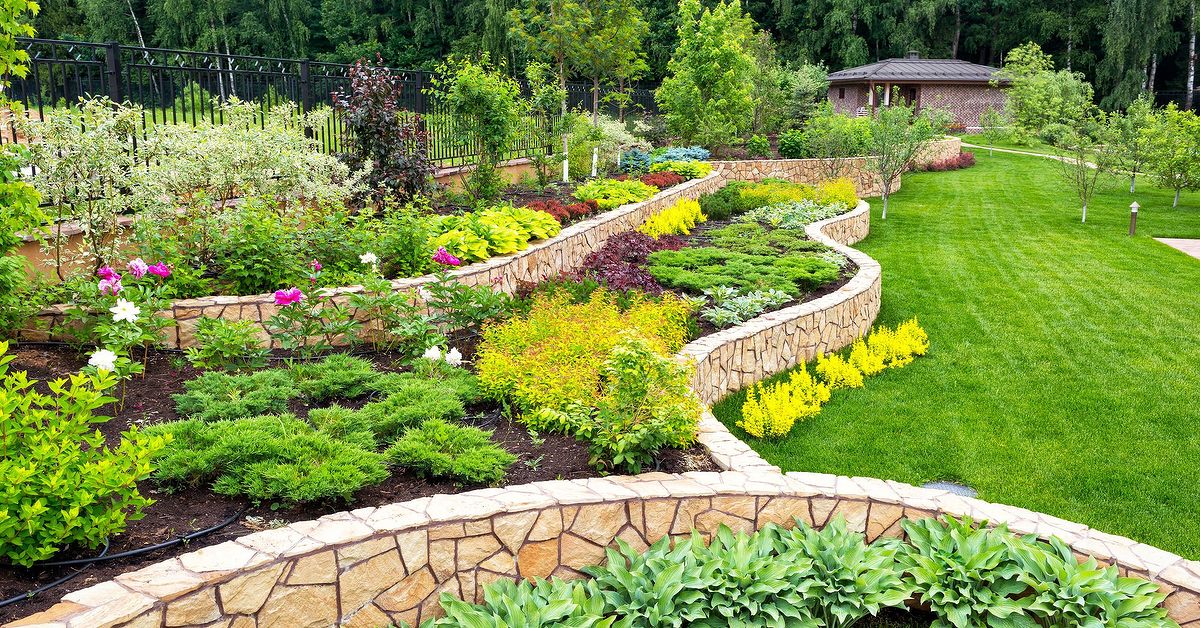
Backyard landscaping sounds fancy, doesn’t it? Like something that requires a designer in linen pants, a tiny espresso, and a budget that makes your wallet whisper, “Please don’t.” But the truth is much friendlier: with a little planning, a few smart materials, and the willingness to get dirt under your fingernails, you can transform a plain backyard into a space that feels welcoming, useful, and surprisingly polished.
The best DIY backyard landscaping ideas are not about copying a magazine-perfect garden where every leaf behaves like it has a contract. They are about creating outdoor spaces that fit your real life. Maybe you want a cozy fire pit corner, a low-maintenance flower bed, a winding garden path, a spot for vegetables, or simply a yard that no longer looks like it gave up in 2017.
This guide walks through 13 easy backyard landscaping ideas that are practical for beginners, friendly to modest budgets, and flexible enough for small yards, sloped yards, suburban lawns, and “what even is this patch of dirt?” situations. Let’s make your backyard work harder, look better, and require less dramatic sighing every time you glance out the window.
Why DIY Backyard Landscaping Works
DIY landscaping gives you control over your budget, pace, and style. Instead of trying to complete a full backyard makeover in one exhausting weekend, you can build your landscape in stages. Start with one area, finish it well, then move to the next. That approach keeps the project manageable and helps you avoid the classic homeowner mistake: buying 47 plants before knowing where the afternoon sun lands.
Good backyard design starts with observation. Watch where water collects after rain, where shade falls during the hottest part of the day, where people naturally walk, and which views you want to highlight or hide. A backyard is not just decoration. It is an outdoor room, a mini ecosystem, a relaxation zone, a play area, a garden, and occasionally a squirrel theater.
13 Easy DIY Backyard Landscaping Ideas
1. Create Simple Garden Zones
One of the easiest ways to improve a backyard is to divide it into zones. You might have one zone for dining, one for lounging, one for gardening, and one open area for kids, pets, or your heroic attempt at outdoor yoga. Zones make a yard feel intentional instead of random.
You do not need walls or expensive structures. Use outdoor rugs, gravel pads, mulch beds, potted plants, trellises, or stepping stones to visually separate each area. A small bistro table under a tree can become a breakfast corner. A pair of chairs around a small fire pit can become a conversation area. Suddenly your yard has “flow,” which is designer-speak for “people know where to sit.”
2. Add a Mulch Bed Around Trees and Shrubs
Mulch is the quiet hero of easy DIY landscaping. It makes beds look neat, helps retain soil moisture, reduces weeds, moderates soil temperature, and gives your yard an instant finished look. If your backyard currently has lonely trees surrounded by struggling grass, a clean mulch ring can make them look like part of a plan.
Use shredded bark, wood chips, pine straw, or another organic mulch suitable for your region. Spread it about two to three inches deep, but keep it a few inches away from trunks and stems. Mulch piled against a tree like a tiny volcano may look dramatic, but trees do not appreciate being turned into mulch sundaes.
3. Build a Budget-Friendly Garden Path
A garden path adds charm and function at the same time. It guides people through the yard, protects grass from foot traffic, and creates a sense of movement. Best of all, DIY paths can be made with affordable materials such as pea gravel, mulch, stepping stones, pavers, brick, or flat natural stones.
For a simple weekend project, mark the path with a garden hose, remove weeds or sod, add landscape edging, lay down compacted base material where needed, and fill the path with gravel or mulch. Curved paths feel relaxed and natural, while straight paths feel clean and formal. Either way, your shoes will thank you after the next rainstorm.
4. Install Raised Garden Beds
Raised beds are excellent for backyard landscaping because they are both attractive and useful. They provide better control over soil quality, can improve drainage, and make planting easier on your back. Vegetables, herbs, flowers, strawberries, and pollinator plants can all thrive in raised beds when placed in the right light conditions.
You can build raised beds from cedar, pine, concrete blocks, galvanized metal, or repurposed materials. Keep the width manageable so you can reach the center without stepping into the bed. A common beginner-friendly size is about four feet wide and six to eight feet long. Fill it with a quality soil mix and compost, then plant what you actually use. There is no shame in growing basil instead of eggplant if basil is what keeps your pasta happy.
5. Plant Native Flowers for Low-Maintenance Beauty
Native plants are adapted to local conditions, which often makes them easier to maintain once established. They can support pollinators, birds, and beneficial insects while adding color and texture to your backyard. Instead of fighting your climate, native planting works with it.
Choose plants based on your region, sunlight, soil moisture, and available space. For example, many yards benefit from a mix of spring, summer, and fall bloomers so something is always happening. Group plants in clusters rather than scattering one of each across the yard. A group of three, five, or seven plants looks more intentional and is easier for pollinators to find. Bees are busy. Do not make them use a treasure map.
6. Use Containers to Add Color Instantly
Container gardens are perfect for renters, small yards, patios, decks, and anyone who wants fast results without digging up half the lawn. Large pots can frame a doorway, brighten a dull fence, soften a concrete patio, or bring herbs close to the kitchen.
For easy container success, use pots with drainage holes, fill them with potting mix rather than garden soil, and combine plants with similar water and light needs. A classic formula is “thriller, filler, spiller”: one tall dramatic plant, several medium plants, and trailing plants that spill over the sides. It sounds like a movie cast, but it works beautifully.
7. Create a Cozy Fire Pit Area
A fire pit area can turn a backyard into a gathering place. You can buy a portable fire bowl or build a simple gravel fire pit zone with pavers, blocks, or a metal ring. Before starting, check local fire rules, property setbacks, and safety guidelines. Fire is delightful; explaining a scorched fence to your neighbor is less delightful.
Place the fire pit on a nonflammable surface such as gravel, stone, or pavers. Add a few weather-resistant chairs, a small side table, and maybe a storage box for blankets. Keep seating far enough from flames for comfort and safety. Even a small fire pit corner can make an ordinary backyard feel like a weekend retreat.
8. Add Outdoor Lighting for Evening Ambience
Backyard lighting is one of the most satisfying DIY upgrades because it changes the mood instantly. Solar path lights, string lights, lanterns, and low-voltage landscape lights can make your yard safer and more inviting after sunset.
Use lights to define paths, highlight trees, brighten seating areas, and add sparkle to fences or pergolas. Avoid blasting the whole yard like a sports stadium. Soft pools of light are usually more flattering and relaxing. Your patio should say “cozy evening,” not “airport runway.”
9. Build a Small Privacy Screen
Privacy makes a backyard feel more comfortable, especially in neighborhoods where everyone’s patio seems to be performing for everyone else’s patio. A DIY privacy screen can be made from lattice panels, wood slats, bamboo fencing, outdoor curtains, trellises, or tall container plants.
Instead of trying to block every view, focus on the spots where privacy matters most: around a dining area, hot tub, lounge chair, or deck. Add climbing vines, hanging planters, or ornamental grasses to soften the screen. The goal is not to build a fortress. The goal is to sip coffee without making accidental eye contact with Gary from next door.
10. Turn a Bare Corner Into a Seating Nook
Most backyards have at least one awkward corner. Maybe it is shady, oddly shaped, or ignored because nobody knows what to do with it. Turn that forgotten space into a seating nook with gravel, pavers, mulch, or a small deck platform.
Add a bench, two chairs, a side table, and a few plants. If the area is shady, choose shade-tolerant plants such as hostas, ferns, coral bells, or regionally appropriate native shade plants. If the corner is sunny, try ornamental grasses, flowering perennials, herbs, or drought-tolerant plants. A seating nook gives the backyard another reason to be used, which is the whole point of landscaping.
11. Install a Rain Garden in a Wet Spot
If your yard has an area where water naturally collects after rain, consider turning the problem into a feature with a rain garden. A rain garden is a shallow planted depression designed to collect runoff from roofs, patios, driveways, or lawn areas and allow water to soak into the ground.
Rain gardens can reduce runoff, help filter pollutants, and provide habitat for butterflies, birds, and beneficial insects. They work best when planted with moisture-tolerant native grasses, sedges, and flowering perennials. Choose the location carefully, keeping it away from foundations and septic systems. A muddy patch may not look promising now, but with the right plants, it can become the backyard’s most responsible overachiever.
12. Replace Some Lawn With Groundcovers
A full lawn can be useful, especially for pets, children, and games. But not every square foot of backyard needs to be grass. Hard-to-mow slopes, narrow side yards, shady patches, and dry corners may do better with groundcovers, mulch, stepping stones, native plants, or planting beds.
Groundcovers can reduce mowing, add texture, and help stabilize soil. Options vary by region and light conditions, so choose carefully. Creeping thyme, sedges, clover mixes, native violets, and low-growing ornamental plants can work in different situations. Start with a small area first, observe how it performs, then expand. Your mower does not need to retire completely; maybe just let it take Fridays off.
13. Add a Simple Focal Point
Every good landscape needs something that catches the eye. A focal point gives the backyard structure and helps the design feel complete. It can be a small tree, birdbath, fountain, sculpture, large planter, bench, trellis, arbor, or dramatic cluster of plants.
The key is restraint. One strong focal point is elegant. Seven unrelated focal points may look like a garden center exploded. Place your focal point where it can be seen from the house, patio, or main seating area. Then surround it with simpler plants or materials so it shines without competing for attention.
How to Plan Your DIY Backyard Landscape
Start With a Simple Sketch
You do not need professional drafting skills. Draw a rough outline of your yard and mark existing features such as trees, fences, patios, sheds, slopes, and wet areas. Then add your wish list: seating, garden beds, paths, privacy, lighting, fire pit, play space, or vegetable garden.
Study Sun, Shade, and Water
Plant success depends heavily on site conditions. Full sun plants need plenty of direct light. Shade plants may scorch in hot afternoon sun. Wet areas require different plants than dry slopes. Before buying anything, spend a few days observing how your backyard behaves. The yard is already giving you clues; it just does not use PowerPoint.
Choose Materials That Match Your Lifestyle
If you want low maintenance, lean toward mulch beds, native plants, durable paths, drip irrigation, and simple plant groupings. If you enjoy gardening, raised beds and flower borders may be worth the extra care. If your weekends are already full, avoid designs that require constant pruning, watering, and emotional negotiations with delicate plants.
Budget Tips for Backyard Landscaping
Backyard landscaping does not have to happen all at once. In fact, phased projects often turn out better because you can learn from each step. Start with the areas you use most or see most often. A small patio refresh near the back door may improve daily life more than an elaborate far corner you rarely visit.
Save money by using local mulch, dividing perennials, buying smaller plants, repurposing bricks or stones, building simple raised beds, and choosing gravel or mulch paths instead of expensive hardscaping. Watch for end-of-season plant sales, but do not buy plants just because they are discounted. A half-price shrub in the wrong place is still a full-price headache.
Common DIY Landscaping Mistakes to Avoid
One common mistake is planting too close together. Baby plants look tiny and innocent, but many grow wider and taller than expected. Read mature size labels and give plants room. Another mistake is ignoring drainage. If water flows toward your foundation, do not solve the problem with a flower bed and optimism. Address grading and runoff first.
A third mistake is overcomplicating the design. Simple landscapes are often more beautiful and easier to maintain. Repeat a few plants, use consistent materials, and create clear edges. A backyard does not need every trend at once. It needs a plan, a purpose, and maybe a chair where you can admire your work while pretending not to notice one weed.
Experience-Based Tips for DIY Backyard Landscaping
After working through backyard projects, one lesson becomes clear quickly: the easiest landscaping ideas are the ones that respect how people actually live. A beautiful garden bed in a spot nobody sees may be satisfying, but a simple seating area near the kitchen door often gets used every day. Before starting any DIY backyard landscaping project, walk through your normal routine. Where do you drink coffee? Where do kids run? Where does the dog patrol like a tiny security guard with fur? Design around those habits.
Another practical experience is to start with edges. Clean edges around beds, paths, patios, and lawn areas can make even a simple yard look organized. You can use metal edging, stone, brick, plastic edging, or a sharply cut trench. The material matters less than the neat line. A fresh edge and new mulch can make an old flower bed look like it received a polite but firm makeover.
It also helps to buy fewer plants than you think you need at first. Many beginners fill every gap immediately, but landscapes improve when they have breathing room. Plants grow. Mulch fills space while young plants mature. If a bed still looks empty after a season, you can add more. This is much better than creating a crowded plant traffic jam where every shrub is silently elbowing its neighbor.
Watering is another area where experience saves frustration. New plants need consistent moisture while their roots establish, even if they are drought-tolerant later. A soaker hose under mulch can make watering easier and more efficient than standing outside with a hose while mosquitoes treat you like a buffet. Grouping plants with similar water needs also prevents drama. Moisture-loving plants and dry-loving plants should not be roommates.
One of the best DIY habits is keeping a small backyard notebook or phone note. Record what you planted, when it bloomed, what struggled, where water collected, and what you want to change. Landscapes are living projects. The first version rarely stays the final version, and that is perfectly fine. A backyard should evolve as your family, climate, budget, and taste evolve.
Finally, remember that “easy” does not mean “instant.” Mulch beds settle, plants fill in, paths weather naturally, and seating areas become better as you use them. Give your backyard time. Do one project well, enjoy it, then move to the next. The reward is not just a prettier yard. It is having an outdoor space that invites you outside more often, whether you are hosting friends, growing herbs, reading under a tree, or proudly staring at your new garden path like it just won an award.
Conclusion
These 13 easy DIY backyard landscaping ideas prove that you do not need a massive budget or professional crew to create an outdoor space you love. Start with simple improvements: define zones, add mulch, build a path, plant native flowers, create privacy, improve lighting, and turn awkward corners into useful spaces. The best backyard is not the most expensive one. It is the one that fits your life, supports your local environment, and gives you a reason to step outside with a smile.
Whether you begin with one raised bed or a complete weekend refresh, each project adds comfort, beauty, and function. Take your time, choose plants wisely, and let your backyard become a place that feels less like unfinished chores and more like an outdoor room with fresh air, birdsong, and fewer throw pillows to arrange.