If your window has ever made you feel like you’re living in a fishbowltoo much view for strangers, not enough daylight for youthen
a top down bottom up room darkening roman shade is basically the “have it all” option… without requiring you to move into a cave.
It’s the window treatment equivalent of wearing sunglasses and a hoodie: you still exist in public, but on your terms.
In this guide, we’ll break down what this shade actually is, why “room darkening” doesn’t always mean “pitch black,” how top-down/bottom-up
changes the way you use a room, and what to check before you buyso you don’t end up with gorgeous fabric that also doubles as a spotlight.
What You’re Buying (In Plain English)
Roman shade: soft folds, big style energy
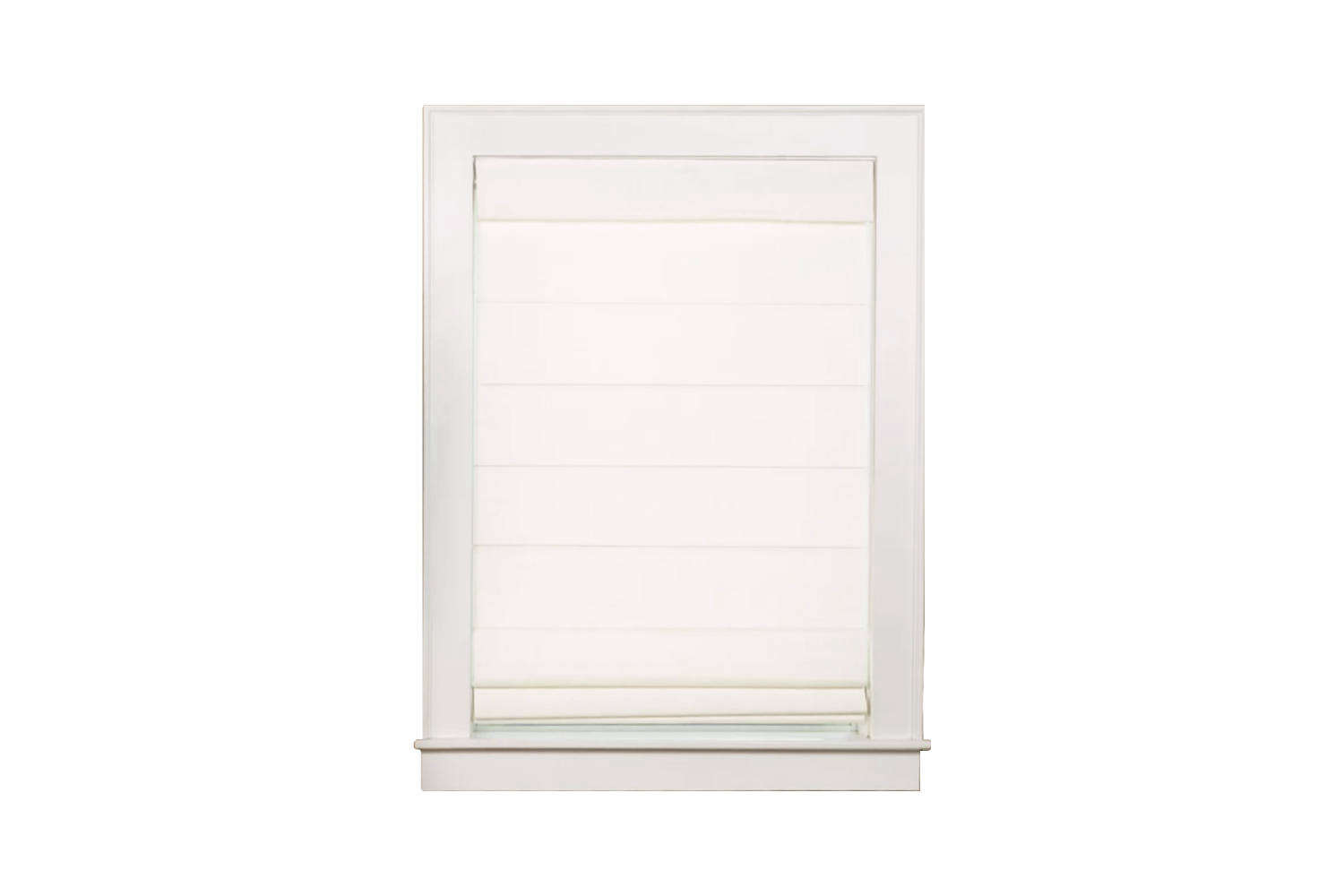
A roman shade is a fabric window shade that stacks into tidy folds when raised and lies flatter when lowered. Compared with blinds, it feels more
like a tailored piece of décorless “office building,” more “someone here owns throw pillows on purpose.”
Top down / bottom up: privacy where you want it
Traditional shades move from the top down only (you raise them from the bottom). Top-down/bottom-up adds a second moving edge so you can:
- Lower the top to let daylight in while keeping the lower half covered (hello, privacy).
- Raise the bottom like a standard shade.
- Do both to create a “daylight slot” exactly where you want it.
This is especially handy for street-facing rooms, bathrooms with frosted-glass vibes (but not frosted-glass budgets), and any space where you want
light without giving your neighbors a reality show.
Room darkening: dim, cozy, not always movie-theater black
“Room darkening” generally means the fabric and liner are designed to block most incoming lightgreat for reducing glare, supporting naps,
and making bedrooms feel calmer. But it’s not the same as “blackout,” which aims for near-total light control.
Translation: room darkening is “late afternoon ambiance.” Blackout is “vampire-friendly.”
Why This Shade Type Is So Popular
It solves the privacy/daylight fight
Many window coverings force a choice: open for light (and lose privacy) or close for privacy (and lose light). Top-down/bottom-up changes the game.
You can keep the lower half covered while still borrowing daylight from the top portionperfect for living rooms, kitchens, and home offices.
It looks custom even when your life is not
Roman shades soften hard lines (trim, glass, tile) and work with everything from modern minimal to farmhouse cozy. If you’ve ever thought,
“My room looks fine, but it needs… texture,” this is a strong answer.
It can improve comfort, not just aesthetics
Any shade adds a layer between your room and the window. With room-darkening fabric and a good liner, you can reduce harsh glare and help your space feel
less like it’s being heated by a giant flashlight.
Room Darkening vs Blackout: Set Expectations Like a Pro
The biggest surprise: light leaks around the edges
Even with room-darkening fabric, you may still see light around the sides, top, or bottomespecially with an inside mount (installed inside the
window frame). That gap is normal: the shade needs a little clearance to move.
If your goal is the darkest possible room, the solution is usually not “angrier fabric,” it’s smarter coverage.
How to get a darker result without losing your mind
- Choose an outside mount (installed above/around the window) so the shade overlaps the frame and reduces edge gaps.
- Consider blackout lining if you’re sensitive to light, work night shifts, or want a true media-room feel.
- Layer thoughtfully: side panels, drapery, or a cornice can reduce top and side seepage and add polish.
- Be realistic about “top-down” use at night: if the top is lowered while the middle is open, you’re inviting light (and streetlamps) in.
Choosing the Right Materials and Features
Fabric opacity matters more than color
Dark colors can feel moodier, but opacity is what controls light. Many room-darkening roman shades use a privacy or room-darkening liner that
blocks a large percentage of light while keeping the front fabric stylish.
Lining options: the “secret sauce” behind room darkening
When shopping, you’ll typically see something like:
- Unlined / light filtering: soft glow, daytime privacy, not for sleepers.
- Privacy / room darkening lining: dims the room, reduces glare, improves privacy at night.
- Blackout lining: aims for maximum light reduction (best for bedrooms, nurseries, media rooms).
Style choices: flat, soft fold, relaxed
Roman shades come in different “fold personalities.” A flatter look feels modern and clean. A soft-fold style feels more traditional and cozy.
A relaxed style has that gentle curve at the bottomlike the shade is exhaling.
Your pick should match the room’s vibe. For example:
- Modern bedroom: flat roman with room-darkening liner, outside mount for cleaner coverage.
- Farmhouse kitchen: soft-fold in a textured weave, top-down for daytime privacy.
- Nursery: blackout liner + cordless or motorized lift (more on safety in a second).
How Top-Down/Bottom-Up Actually Works Day to Day
The magic is in the two operating points. Many versions use a cordless system with handles or a rail, while others may be motorized.
You’ll typically position the shade in one of these “real life” modes:
Mode 1: “Daylight slot”
Lower the top a few inches, keep the bottom down. You get natural light from above eye level while the lower half stays private. Great for
street-facing windows or a bathroom where you want daylight without starring in your neighbor’s morning routine.
Mode 2: “Café style”
Raise the bottom halfway, leave the top up. This is the classic “let me see the sky but hide the clutter” approachperfect for kitchens and living rooms.
Mode 3: “Close it, the sun is being loud”
Pull it fully down when glare is hitting screens or the room is overheating. Room darkening helps, but remember: the mount style and lining determine
how dramatic the darkness feels.
Safety and Lift Options (Especially for Homes With Kids or Pets)
Window covering cords can be hazardous for young children, which is why modern designs increasingly push toward cordless or inaccessible-cord systems.
If you’re outfitting a nursery, child’s bedroom, playroom, or anywhere a little climber might explore, choose:
- Cordless lift (clean look, easier operation, fewer hazards)
- Motorized lift (best for tall windows, daily convenience, and a polished feel)
- Compliant cord systems only when cords are properly designed/installed and meet current safety requirements
Practical tip: if your household includes kids, prioritize safety features first, then pick fabric. Style is fun. Safety is non-negotiable.
Measuring and Mounting: Where Great Shades Go to Live (or Die)
Most “shade disappointment” isn’t about color. It’s about measurements. Take a breath. Grab a steel tape measure. You’ve got this.
Inside mount: clean, trim-forward, but allows small gaps
Inside mount installs within the window frame for a built-in look that shows off trim. It’s popular because it looks tidy and intentional.
But you’ll usually have light gaps at the sides because the shade needs clearance.
Many manufacturers recommend ordering slightly narrower than your inside width (often around 1/4 inch) so the shade fits and operates smoothly.
Always follow the brand’s measuring rulesdifferent headrails and mechanisms can require different deductions.
Outside mount: best coverage for darker rooms
Outside mount installs above the window and overlaps the frame. If your priority is room darkening (or near-blackout), this is often the better route
because it reduces edge gaps and can make windows look larger.
Step-by-step measuring habits that prevent regret
- Measure width in three spots (top, middle, bottom). Use the smallest for inside mount.
- Measure height in three spots (left, center, right). Use the largest.
- Check depth if you want inside mountsome windows simply aren’t deep enough for certain roman shade headrails.
- Decide coverage goals: if you want darker rooms, plan for overlap (outside mount).
Where These Shades Work Best (With Specific Examples)
Bedrooms
Room-darkening roman shades are a great bedroom upgrade when you want softer style than blinds and better light control than sheers.
If you’re sensitive to morning light, consider blackout lining or layering with curtains.
Nurseries
For nap schedules that don’t care what the sun thinks, blackout lining is often the winner. Pair it with cordless or motorized operation for safety and convenience.
Bonus: reduced glare for those middle-of-the-night “where did the pacifier go?” missions.
Bathrooms
Top-down is the MVP here. You can let light in from the top while keeping the lower portion covered. Just choose a fabric that can handle humidity,
or ensure the room has good ventilation if you’re using natural fibers.
Home offices and living rooms
If you battle screen glare, room darkening helps without turning the room into a bunker. The top-down option is perfect for daylight while keeping distractions
outside (or inside) under control.
Care and Maintenance: Keep Them Looking Expensive
Roman shades are fabric, so treat them like fabric. Most day-to-day care is simple:
- Dust regularly (a duster or vacuum brush attachment works well).
- Spot-clean carefully if the manufacturer allows it; test an inconspicuous area first.
- Avoid soaking unless the shade is explicitly designed to be washable.
- Raise/lower evenly to avoid uneven stacking over time.
If you’re placing shades in a high-sun window, consider how UV exposure can affect fabric over years. Linings can help, and so can rotating how you
position the shade (yes, your window treatment deserves variety too).
Cost and Value: What You’re Really Paying For
Prices vary widely because you’re not just buying fabricyou’re buying a mechanism, a headrail, safety features, and (often) custom sizing.
The biggest cost drivers usually include:
- Custom sizing (especially for oversized or unusual windows)
- Lift system (cordless and motorized typically cost more)
- Lining type (privacy vs blackout)
- Fabric quality (texture, weave, designer collections)
- Mounting complexity (outside mount, multiple windows, bay setups)
If you’re deciding where to splurge, prioritize the rooms you use daily: the bedroom, the main living space, and any street-facing room that makes you
feel “on display.”
A Quick Buyer Checklist (So You Don’t Buy Twice)
- Goal: dim room (room darkening) or near-dark (blackout lining)?
- Mount: inside for a built-in look, outside for better light blocking?
- Operation: cordless or motorized for safety and ease?
- Daily use: do you want top-down daylight privacy, or mostly bottom-up control?
- Room needs: humidity (bath), glare (office), naps (nursery), sleep (bedroom)?
- Expectations: are you okay with tiny side gaps, or do you need maximum coverage?
Conclusion
A top down bottom up room darkening roman shade is one of the smartest ways to get flexible privacy, softer style, and better light control
without making your home look like an interrogation room. The secret to loving it long-term is matching the shade to your real goal:
dim and cozy versus near-total darkness, plus choosing the right mount and lining to support that goal.
Do that, and you’ll end up with a window treatment that feels custom, works hard, and lets you keep daylightwithout sharing your entire life with the sidewalk.
Experience Notes: What It’s Like Living With These Shades (About )
People often imagine top-down/bottom-up room-darkening roman shades as a single upgrade that magically solves every window problem at once: privacy, sleep,
glare, style, energy comfortboom. In reality, the experience is more like getting a really good multi-tool. It’s incredibly useful, but it works best when you
learn the “right tool for the moment.”
One common story: the street-facing living room. Homeowners want sunlight, but they don’t want to wave at strangers every time they walk past.
The top-down function becomes the daily favorite. The shade stays down on the bottom half, the top is lowered just enough to brighten the room, and suddenly
the space feels private without feeling closed off. The surprise benefit is mood: that higher, softer daylight makes the room feel calmeralmost like the window
is giving you light without giving you performance anxiety.
Another frequent experience shows up in bedrooms: the expectation gap. “Room darkening” sounds like it should mean “sleep at noon like it’s midnight.”
Then the first morning arrives, and there’s a bright line at the sides because of normal clearance inside the frame. Nobody did anything wrongthis is just physics
and geometry being their usual unromantic selves. The fix is usually simple: switching to an outside mount on the next window, adding blackout lining, or layering
curtains. Once people adjust their approach, they end up thrilled, but the lesson is real: the darkness you feel is a team effort between fabric, lining, and installation.
In nurseries, the experience tends to be “I should’ve done this sooner.” Parents often report that a darker room helps with naps, and the top-down option
is surprisingly handy for gentle wake-upsletting a slim band of daylight in from above without blasting the whole room. Cordless or motorized operation becomes less
of a luxury and more of a sanity feature: one hand on a baby, one hand on the shade, and suddenly you’re basically a magician. (A tired magician, but still.)
Then there’s the home office crowd. They don’t always want the room dark, they want the glare gone. The shade gets used like a dimmer switch:
lowered a bit when the sun hits the screen, raised when the meeting ends. Over time, people develop their own “default positions”a morning setting, an afternoon setting,
and a “deadline panic” setting when they shut everything for focus. The shade becomes part décor, part routine.
The biggest long-term win people mention is control. Not just light controllife control. A top-down/bottom-up room-darkening roman shade lets you
choose how the room feels at different times of day, which sounds small until you live with it. And once you do, regular shades start to feel oddly bossylike they only
know two moods: open or closed. These shades? They understand nuance.