Metal pendant lights are the little black dress of interior lighting: dependable, stylish, surprisingly dramatic, and willing to make almost any room look as if an adult with excellent taste lives there. Whether you are lighting a kitchen island, dining nook, hallway, bedroom corner, or home bar, a good metal pendant can do three jobs at once: provide useful task lighting, create atmosphere, and act like jewelry for the ceiling.
The beauty of metal pendant lighting is its range. A matte black dome can look crisp and architectural. A brushed brass shade can warm up a white kitchen faster than a fresh loaf of bread. A hammered pewter or aged bronze pendant can give a plain room instant texture, like it has been quietly reading design magazines while you were at work.
This guide rounds up ten easy metal pendant light styles worth knowing, plus practical advice on scale, finish, bulb choice, installation, and real-life living. No fluff, no “just add ambiance” nonsense without explanation. We are talking about what works, why it works, and how to avoid hanging a pendant so low that your dinner guests need to duck like they are entering a submarine.
Why Metal Pendant Lights Work So Well
Metal has a design superpower: it can look vintage, modern, industrial, farmhouse, minimal, glamorous, or quietly expensive depending on shape and finish. Unlike fabric shades, metal shades usually feel more structured. Unlike clear glass, they can hide bulbs and reduce glare. Unlike rattan, they do not immediately announce that you have considered buying linen pants.
From a functional perspective, metal pendant lights are especially useful because they often direct light downward. That makes them excellent over kitchen islands, desks, dining tables, and reading corners. Dome, cone, and bell shapes can focus illumination where you need it most, while reflective interiors in white, brass, gold, or polished metal can soften and bounce light beautifully.
Metal pendants also age well when chosen carefully. Matte black, oil-rubbed bronze, brushed nickel, antique brass, unlacquered brass, chrome, and pewter are not trend-only finishes. They have been used in homes, workshops, restaurants, factories, and public buildings for decades. That staying power matters when you are hardwiring something into the ceiling instead of swapping a throw pillow.
How to Choose the Right Metal Pendant Light
Start With Scale
A pendant should feel proportional to the surface below it and the room around it. Over a kitchen island, two or three medium pendants often look better than one lonely fixture floating like a UFO. For a dining table, one large metal pendant or a pair of smaller ones can create a strong focal point. In a hallway or powder room, a smaller metal pendant can add polish without stealing all the oxygen.
As a general rule, leave visual breathing room between the pendant and the edges of the island, table, or counter. Oversized fixtures can be gorgeous, but only when they look intentional. If the shade is wider than your dog, measure twice.
Think About Height
For kitchen islands and dining tables, many designers place pendant lights roughly 30 to 36 inches above the surface, adjusting for ceiling height, shade size, and sightlines. The goal is simple: light the space without blocking faces, views, or the heroic entrance of dessert.
If you have high ceilings, rods or adjustable cords can help position the pendant correctly. If you have low ceilings, choose shallow domes, mini pendants, or semi-flush designs. A beautiful fixture becomes less beautiful when your tallest friend meets it with his forehead.
Choose the Right Bulb and Color Temperature
Metal pendants can be dramatic, but the bulb determines whether the drama is romantic or interrogation-room chic. For most homes, warm white bulbs around 2700K to 3000K create a comfortable glow. Dimmable LEDs are usually the smartest choice because they reduce energy use, last longer than incandescent bulbs, and let one fixture shift from breakfast prep to dinner party mood lighting.
Check the socket type, maximum wattage, bulb shape, and whether the pendant works with dimmer switches. Many metal shades look best with globe, Edison-style, or compact LED bulbs that fit fully inside the shade. If the bulb sticks out awkwardly, the pendant starts looking like it got dressed in a hurry.
10 Easy Pieces: Metal Pendant Lights Worth Considering
1. The Classic Metal Dome Pendant
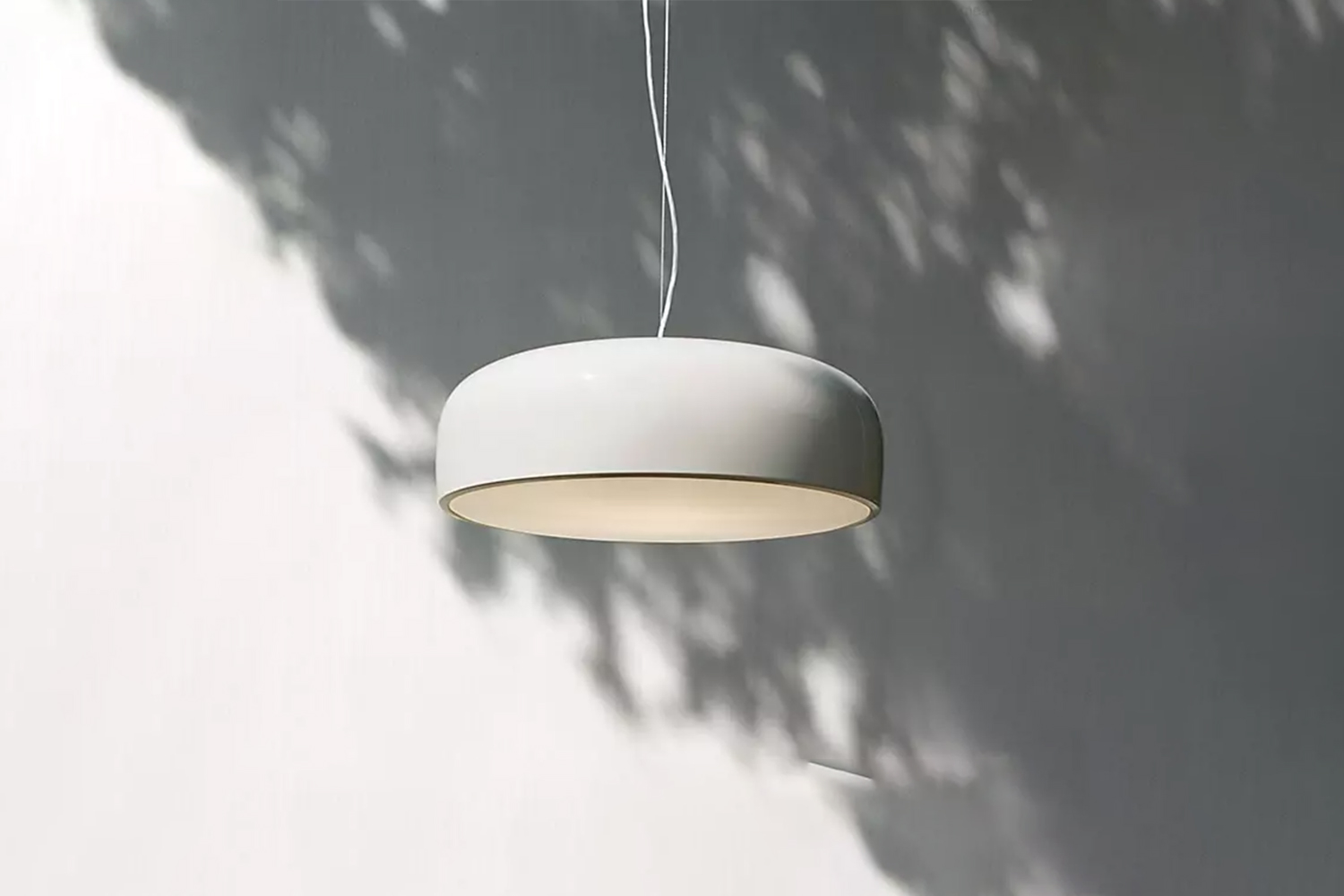
The dome pendant is the dependable hero of metal lighting. Its rounded shade directs light downward, making it ideal for kitchen islands, breakfast bars, dining tables, and work surfaces. A black metal dome feels crisp and modern. A brass dome adds warmth. A hammered metal dome brings texture and a little old-world charm without requiring you to own antique maps.
Choose a large dome when you want a strong visual statement over a dining table or a spacious island. Choose smaller domes in pairs or trios when you need even coverage. A white or brass interior can help reflect light warmly, while a dark interior creates a moodier, more focused beam.
2. The Cone-Shaped Metal Pendant
Cone pendants are slimmer and sharper than domes. They feel a bit more tailored, like the blazer version of pendant lighting. Their angled shade directs light cleanly onto counters, tables, and bedside surfaces, making them excellent for task lighting.
Matte black cone pendants work beautifully in modern kitchens, especially with white cabinets, stone counters, or wood accents. Brass cone pendants feel more elegant and transitional. For a playful twist, look for contrasting interiors, such as black outside and white inside, or brass outside and matte white inside.
3. The Bell Metal Pendant
Bell pendants soften the geometry of metal. They curve outward at the bottom, giving the fixture a more relaxed, traditional silhouette. A bell-shaped metal pendant can bridge farmhouse, cottage, industrial, and classic kitchen styles without looking confused.
This style works well when you want metal lighting that feels friendly rather than severe. Use bell pendants over islands, sinks, mudroom benches, or small dining tables. In aged brass, they feel vintage. In polished nickel, they feel clean and timeless. In powder-coated color, they can add personality without turning the room into a circus tent.
4. The Industrial Factory Pendant
Industrial metal pendant lights borrow from old factories, workshops, warehouses, and utility spaces. They often feature exposed hardware, visible screws, cage details, dark finishes, or heavy-gauge shades. When used well, they bring character and toughness to a home. When overused, they can make your kitchen look like it requires a hard hat.
The trick is balance. Pair an industrial pendant with warm wood, handmade tile, soft textiles, or simple cabinetry. A single factory-style pendant over a small table can look charming. Three massive cage pendants in a tiny kitchen may look like you are preparing to interrogate soup.
5. The Brass Bowl Pendant
A brass bowl pendant is warm, sculptural, and flattering. Brass has a way of making a room feel finished, especially when paired with marble, soapstone, walnut, cream cabinets, navy paint, or deep green tile. It is also forgiving: brushed and aged brass hide fingerprints better than mirror-polished finishes.
Use brass bowl pendants where you want a glow rather than a glare. Over a dining table, a wide brass bowl can feel intimate and luxurious. Over a kitchen island, smaller brass pendants can add warmth to cool countertops and stainless appliances. Brass does not need to match every metal in the room; in fact, mixed metals often look more collected and less showroom-staged.
6. The Matte Black Metal Pendant
If your room needs punctuation, choose matte black. Black metal pendant lights add contrast, structure, and a graphic edge. They work especially well in white kitchens, Scandinavian interiors, modern farmhouses, and spaces with black window frames or dark cabinet hardware.
The advantage of matte black is that it rarely looks fussy. The disadvantage is that it can feel heavy if the shade is too large or the room lacks other dark elements. Repeat black elsewhere in small doses: cabinet pulls, chair legs, picture frames, faucet finishes, or a thin line in the countertop. That way, the pendant looks intentional instead of randomly assigned by the ceiling committee.
7. The Mini Metal Pendant
Mini metal pendants are small but mighty. They are excellent above narrow islands, compact breakfast bars, vanities, bedside tables, reading nooks, and apartment kitchens where a giant pendant would look like it was purchased during a moment of optimism.
Because mini pendants have less visual weight, you can often use them in multiples. Three small metal pendants can create rhythm over a counter without overpowering the room. Look for simple shapes and adjustable cords or rods. The cleaner the silhouette, the less likely you are to regret buying several of them.
8. The Perforated or Mesh Metal Pendant
Perforated metal and mesh pendants are for people who want shadow play. Tiny openings in the shade allow light to escape in patterns, creating texture on nearby surfaces. This can look magical in an entryway, powder room, bedroom, or moody dining space.
However, perforated pendants are not always the best choice for serious task lighting. They may scatter light rather than focus it. Use them when atmosphere matters most. In a kitchen, pair them with recessed or under-cabinet lighting so you are not chopping onions by decorative speckles alone.
9. The Linear Metal Pendant
A linear metal pendant is a strong option over long dining tables and kitchen islands. Instead of multiple individual fixtures, one elongated design provides a clean, organized look. Linear pendants may include several small metal shades, a long bar with integrated LEDs, or a row of suspended metal cylinders.
This style is especially useful in modern spaces where symmetry matters. It reduces ceiling clutter and can make a room feel more intentional. The key is length: the fixture should relate to the table or island without matching it edge to edge. Leave room at both ends so it feels balanced, not like a metal bridge has been installed indoors.
10. The Indoor-Outdoor Metal Pendant
Covered porches, patios, breezeways, and screened rooms can benefit from metal pendant lighting, but outdoor use requires the right rating. Look for fixtures listed for damp or wet locations depending on exposure. Covered outdoor spaces often need damp-rated fixtures; areas exposed directly to rain require wet-rated lighting.
Black aluminum, bronze, and powder-coated metal pendants are common choices outside because they resist corrosion better than delicate finishes. For coastal homes, durability matters even more. Salt air is not sentimental. It will attack the wrong metal finish while you are trying to enjoy lemonade.
Best Rooms for Metal Pendant Lights
Kitchen Islands
The kitchen island is the natural habitat of the metal pendant light. Metal shades focus light on food prep, homework, coffee pouring, and late-night snacking. For a standard island, two or three pendants usually create a balanced look. Large islands may need bigger fixtures or a linear pendant. Smaller islands may look better with mini pendants.
Dining Rooms
A metal pendant over a dining table can replace a traditional chandelier with something cleaner and more contemporary. Brass adds warmth, black adds contrast, nickel adds polish, and bronze adds depth. Dimmers are essential here because dining rooms need to handle both “family taco night” and “we cleaned because guests are coming.”
Bedrooms
Metal pendants can also work as bedside lighting. Hanging a small pendant on each side of the bed frees up nightstand space and creates a boutique-hotel effect. Choose warm bulbs and soft shapes so the room still feels restful. A bedroom is not the place for lighting that says, “Welcome to the loading dock.”
Entryways and Hallways
In an entry, a metal pendant creates a strong first impression. A small aged brass pendant can make a modest foyer feel polished. A black lantern-style pendant can add architectural definition. In hallways, use smaller fixtures and keep the drop height practical so people can walk comfortably underneath.
Finish Guide: Which Metal Looks Best?
Brass is warm, classic, and flattering. It works with white, cream, green, blue, black, walnut, marble, and natural stone. Brushed brass is easier to live with than polished brass because it hides smudges better.
Matte black is graphic and modern. It pairs well with high-contrast spaces and helps define open rooms. Use it when the space needs structure.
Polished nickel is bright, timeless, and slightly formal. It suits traditional and transitional interiors, especially bathrooms and kitchens with cool-toned stone.
Oil-rubbed bronze feels rich and grounded. It works well in rustic, Mediterranean, farmhouse, and traditional rooms.
Chrome is sleek and reflective. It looks best in modern spaces but can feel cold if the room lacks warmth.
Pewter and gunmetal are quieter alternatives to black. They add depth without the stark contrast of matte black or the shine of chrome.
Common Mistakes to Avoid
Choosing Style Before Function
A pendant may look stunning online but fail in real life if it casts harsh shadows, exposes a glaring bulb, or hangs at the wrong height. Always consider how the light will actually behave. A metal shade with a dark interior may look chic but provide less reflected light than a white or brass interior.
Ignoring the Rest of the Lighting Plan
Pendants should not be expected to light an entire kitchen alone. They are part of a layered lighting system that may include recessed lights, under-cabinet lights, sconces, and natural light. Asking one pendant to do everything is like asking one chair to host Thanksgiving.
Forgetting About Cleaning
Metal pendant lights collect dust, grease, and fingerprints, especially in kitchens. Smooth shades are easier to wipe than ribbed, perforated, or highly detailed designs. If you cook often, choose finishes and shapes that can survive real life. A pendant above a stove-adjacent island should not require museum-level maintenance.
Matching Every Metal Too Perfectly
Your pendant does not need to match the faucet, cabinet hardware, appliances, and chair legs exactly. A thoughtful mix of metals can look layered and personal. The secret is repetition. If you use brass pendants, repeat brass somewhere else. If you use black pendants, echo black in hardware, seating, frames, or trim.
Real-Life Experience Notes: Living With Metal Pendant Lights
After living with metal pendant lights in different rooms, the biggest lesson is that the shade shape matters almost as much as the finish. A dome pendant over a kitchen island feels practical because it pushes light downward and gives the counter a clear zone of brightness. That sounds obvious until you install a pretty fixture that glows everywhere except where you are trying to slice tomatoes. A metal dome with a pale interior is one of the safest choices for busy kitchens because it combines style with actual usefulness.
The second lesson is that dimmers are not optional if the pendant is in a dining area. Without a dimmer, even a beautiful metal pendant can feel too bright at night. With a dimmer, the same fixture becomes flexible. It can help with breakfast, laptop work, family dinner, and the kind of evening where everyone pretends the kitchen is clean by turning the lights down. Warm LED bulbs make a huge difference too. A brass pendant with a cold bulb is like a cozy sweater made of aluminum foil: technically impressive, emotionally confusing.
Another practical experience: matte black hides a lot, but it also shows dust in certain light. Brushed brass hides fingerprints better than polished brass, especially if people in your household believe touching the light fixture is somehow part of daily life. Hammered finishes are wonderfully forgiving because texture disguises small smudges and imperfections. Smooth glossy finishes look sleek, but they demand more frequent wiping.
Scale is the mistake people notice first and forgive least. A pendant that is too small looks timid, as if it wandered into the room by accident. A pendant that is too large can dominate everything below it. Before buying, mock up the size with cardboard, painter’s tape, or even a mixing bowl held under the ceiling while someone else judges from across the room. It feels ridiculous for five minutes and can save you from years of regret.
Metal pendants also change how a room feels during the day. In natural light, brass warms the space even when the bulb is off. Black adds crisp outlines. Nickel and chrome bounce daylight and feel cleaner. At night, the interior of the shade becomes more important than the exterior. A white-lined shade spreads light softly. A brass-lined shade creates a golden glow. A black-lined shade feels dramatic but may need backup lighting.
The final lived-in lesson is simple: choose the pendant for the way you actually use the room. If your kitchen island is command central for cooking, email, homework, snacks, mail, and mysterious piles of keys, choose durable metal shades with strong downward light. If your dining room is mostly for atmosphere, choose a sculptural pendant with dimming. If your bedroom needs calm, keep the shape simple and the bulb warm. Metal pendant lights can be stylish, but the best ones earn their place every single evening.
Conclusion: The Best Metal Pendant Light Is the One That Works Hard and Looks Easy
Metal pendant lights are popular for a reason: they are durable, versatile, and visually powerful without being complicated. A black dome can sharpen a soft kitchen. A brass bowl can warm a cool dining room. A mini pendant can make a tiny nook feel deliberate. A perforated shade can turn a hallway into a little moment of drama. The right pendant does not just hang there looking pretty; it improves how the room functions.
To choose well, focus on scale, height, finish, bulb quality, and the type of light the shade produces. Think about the room in daylight and at night. Consider whether you need task lighting, mood lighting, or a decorative focal point. And please, for the sake of foreheads everywhere, measure before installation.
In the end, metal pendant lighting is one of the easiest upgrades with one of the biggest visual payoffs. It can make a basic room feel tailored, a cold room feel warm, and a builder-grade space feel thoughtfully designed. That is a lot of work for something hanging from a cord, but good lighting has always been a little magical.