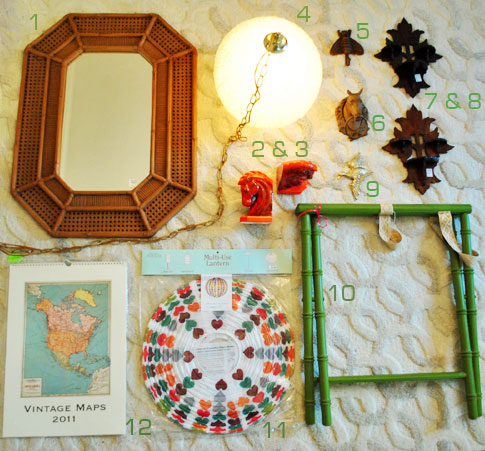
Decorating your home on a budget is not about pretending your thrift-store lamp is a European heirloom with a dramatic backstory. It is about making smart, stylish choices that help your space feel warm, personal, and pulled together without forcing your wallet to file a complaint. The good news? Inexpensive home decor ideas are everywhere once you stop thinking of decorating as “buying new things” and start thinking of it as “using what you have better.”
A beautiful home does not need marble countertops, custom drapes, or a sofa that costs more than a used car. It needs balance, texture, good lighting, a little personality, and fewer random items silently forming a clutter committee on every flat surface. Whether you live in a small apartment, a starter home, a rental, or a house that has seen more paint colors than a nail salon wall, there are affordable ways to refresh every room.
This guide shares practical, inexpensive home decor ideas inspired by real design principles: rearranging furniture, using paint wisely, styling thrifted finds, improving lighting, adding storage that looks intentional, and creating a home that feels like younot like page 47 of a catalog had a baby with a coupon code.
Why Budget Decorating Works Better Than You Think
Budget decorating works because good design is less about price and more about visual decisions. A room can look expensive with affordable pieces if the colors feel cohesive, the furniture layout makes sense, and the accessories are edited instead of scattered like confetti after a toddler parade.
Many professional decorators use the same core tricks again and again: repeat colors, vary textures, create focal points, mix old and new pieces, and add lighting at different heights. None of those require luxury spending. In fact, a small budget can make your home more interesting because it encourages creativity. A vintage mirror, a painted side table, or framed family photos can feel more soulful than a room filled with matching showroom furniture.
Start With the Free Decor Upgrade: Decluttering
Before you buy anything, clear the room. Not foreverdo not panic. Just remove extra items from surfaces, shelves, counters, and corners. When a space has too much stuff, even beautiful decor starts to look like it is waiting in line at the DMV.
Try the “blank slate” method. Take everything off a coffee table, bookshelf, dresser, or kitchen counter. Then put back only the items that are useful, beautiful, or meaningful. This one step can make a room feel fresher, brighter, and more intentional without costing a single dollar.
Quick decluttering wins
Clear nightstands, remove outdated paperwork from entry tables, hide remote controls in a tray or basket, and group small objects instead of spreading them around. Three items styled together usually look better than twelve tiny things competing for attention like they are auditioning for a reality show.
Rearrange Furniture Before Buying New Pieces
One of the most underrated inexpensive home decor ideas is simply moving furniture. Many people push every piece against the wall because it feels like the room will look bigger. Sometimes it does the opposite. A sofa pulled a few inches away from the wall, a chair angled toward conversation, or a rug used to define a seating area can make the room feel more designed.
Start by choosing a focal point. It might be a fireplace, a window, a TV, a large piece of art, or a cozy conversation area. Arrange furniture around that purpose. If your living room currently feels like a bus station waiting area, bring pieces closer together. Comfort is part of style.
Use Paint for Maximum Impact
Paint is one of the most affordable tools in home decorating. A fresh wall color can change the mood of a room faster than caffeine changes a Monday morning. Soft neutrals can make a room feel calm and bright, while deeper colors such as navy, olive, charcoal, or warm brown can create a cozy, high-end feeling.
If painting an entire room sounds like too much work, try an accent wall, painted trim, a colorful front door, or a refreshed piece of furniture. A tired dresser can become a statement piece with sanding, primer, paint, and new hardware. Even painting old picture frames in one consistent color can make mixed artwork feel more polished.
Budget paint ideas that look expensive
Paint a bathroom vanity, refresh kitchen cabinets, add color to the inside of a bookcase, or use leftover paint to create a simple geometric wall pattern. The goal is not perfection. The goal is “Wow, did you hire someone?” while you casually hide the paint-splattered sweatpants.
Try Peel-and-Stick Wallpaper
Peel-and-stick wallpaper is a renter-friendly, budget-friendly way to add personality. It works especially well in small spaces such as powder rooms, entryways, laundry rooms, closets, and the back of shelves. Because you are covering a smaller area, you can choose a bold pattern without spending a fortune.
For a high-end look, use wallpaper where it feels intentional: behind a bed as a headboard effect, above wainscoting, inside a nook, or behind open shelves. Avoid covering every surface in a busy pattern unless your design goal is “charming boutique hotel or possibly magic eye puzzle.”
Upgrade Lighting Without Rewiring Your Life
Lighting can make inexpensive decor look richor make expensive decor look like it is being interrogated in a basement. The secret is layering. Instead of relying on one harsh overhead light, add table lamps, floor lamps, plug-in sconces, battery-operated picture lights, or small accent lamps.
Warm bulbs instantly make a room feel cozier. A lamp with a fabric shade softens the space. A thrifted lamp base can look brand new with a fresh shade. Even a small lamp on a kitchen counter, bathroom vanity, or bookshelf can add a boutique feel for very little money.
Swap Hardware for an Instant Refresh
Cabinet knobs, drawer pulls, door handles, curtain rods, and switch plates are small details, but they have big visual power. Replacing dated brass knobs, plastic pulls, or builder-basic hardware can make furniture and cabinets feel more current.
You do not need to replace everything at once. Start with one bathroom vanity, a nightstand, or a kitchen island. Matte black, brushed brass, oil-rubbed bronze, polished nickel, and simple wood knobs can all look stylish depending on your home’s color palette.
Decorate With Textiles
Textiles are the cozy magicians of home decor. Throw pillows, blankets, curtains, rugs, bedding, table runners, and cloth napkins can change a room’s personality without changing the furniture. A plain sofa becomes more inviting with layered pillows in different textures. A bedroom feels finished with a throw blanket folded across the foot of the bed.
For a designer look, mix textures rather than buying everything in the same fabric. Pair linen with velvet, cotton with chunky knit, or woven materials with smooth leather. Keep colors connected so the room feels collected, not chaotic.
Affordable textile tricks
Use curtain panels to make ceilings look higher by hanging rods closer to the ceiling and wider than the window frame. Add washable slipcovers to tired dining chairs. Layer a smaller vintage rug over a larger natural-fiber rug. Replace pillow covers instead of buying entirely new pillows.
Use Mirrors to Brighten and Expand a Room
Mirrors are one of the best inexpensive home decor ideas for small spaces. They reflect light, create depth, and add a decorative element without taking up much room. A large mirror leaning against a wall can make a living room or bedroom feel bigger. A round mirror over a console table can soften a boxy entryway.
Thrift stores, estate sales, discount retailers, and online marketplaces are great places to find mirrors. If the frame looks outdated, paint it. Suddenly, “old and dusty” becomes “vintage and curated,” which is home decor’s favorite glow-up.
Shop Secondhand Like a Design Detective
Thrift stores, flea markets, estate sales, yard sales, consignment shops, and online resale groups are treasure hunts for affordable home decor. Look for solid wood furniture, ceramic vases, baskets, art frames, lamps, mirrors, trays, stools, and coffee table books.
The trick is to shop for shape and quality, not current appearance. A scratched wood table can be refinished. A strange-colored vase can be spray-painted. A dated lamp can be rescued with a modern shade. A sturdy stool can become a plant stand, side table, or bathroom accent.
Best secondhand decor items to buy
Look for art, frames, mirrors, baskets, candlesticks, books, lamps, small tables, wooden chairs, ceramic bowls, and glassware. Avoid upholstered items with suspicious smells, wobbly furniture that cannot be repaired, and anything that makes you say, “Maybe it will look better in different lighting.” It usually will not. That is how clutter begins.
Create Affordable Wall Art
Blank walls can make a home feel unfinished, but art does not have to be expensive. Frame family photos, vintage postcards, fabric scraps, calendar pages, children’s artwork, pressed flowers, maps, sheet music, or downloadable prints. Matching frames can make affordable art look cohesive.
For a gallery wall, choose a loose theme: black-and-white photos, warm wood frames, botanical prints, travel memories, or abstract shapes. Lay the arrangement on the floor first before hammering holes into the wall with the confidence of someone who may regret everything in ten minutes.
Style Shelves With What You Already Own
Shelves are not storage dumping grounds; they are tiny stages. The best shelf styling mixes height, shape, texture, and negative space. Use books horizontally and vertically. Add a small plant, a framed photo, a bowl, a candle, or a meaningful object. Leave some empty space so the shelf can breathe.
Group items in odd numbers and vary the scale. A large vase, two stacked books, and a small object often look better than a row of items all the same size. If your shelf looks messy, remove half the items. If it looks boring, add texture: woven baskets, pottery, wood, greenery, or metal accents.
Add Plants for Life and Color
Plants bring freshness, movement, and color to a room. Even one large plant can make a space look more finished. If you do not have a green thumb, choose low-maintenance options such as pothos, snake plant, ZZ plant, or philodendron. If you have no thumb at allgreen, beige, emotionally unavailablegood faux plants are perfectly acceptable.
Use affordable planters, baskets, ceramic bowls, or thrifted containers. A plant stand can be a stool, crate, side table, or stack of books. The goal is to add height and organic shape, not build a rainforest unless you are prepared for that level of commitment.
Make Storage Look Like Decor
Clutter is not always a sign that you own too much. Sometimes it means your home needs better storage. Decorative baskets, lidded boxes, storage ottomans, wall hooks, trays, and cabinets can hide everyday items while adding style.
Use baskets for blankets, toys, shoes, pet supplies, or workout gear. Place a tray on a coffee table to corral candles, remotes, and coasters. Add hooks near the entry for bags and jackets. In small homes, storage that doubles as decor is not just helpfulit is basically a peace treaty.
Refresh the Bathroom on a Small Budget
Bathrooms are great candidates for inexpensive upgrades because small changes show quickly. Replace an old shower curtain, add fresh towels, use a refillable soap dispenser, frame a plain mirror, add peel-and-stick floor tiles, or paint the vanity. A small piece of art, a plant, or a tray can make the room feel less like a utility zone and more like a place where you have your life together.
Choose one color direction and repeat it. For example, white towels, black hardware, a wood stool, and a small framed print create a clean modern look. Soft blue towels, woven baskets, and brushed nickel can feel calm and coastal.
Give the Kitchen a Low-Cost Lift
You do not need a full renovation to make a kitchen feel fresher. Start by clearing counters. Then add practical beauty: a wooden cutting board, a bowl of fruit, a small lamp, a plant, matching soap dispensers, or a runner rug. If cabinets look dated, consider new knobs or pulls. If the backsplash is boring, peel-and-stick tile can add pattern and texture.
Open shelves or glass-front cabinets look better when items are edited. Stack matching plates, group glassware, and use baskets to hide less attractive necessities. Nobody needs to see the chaotic collection of takeout sauce packets. Some mysteries should remain hidden.
Use Rugs to Define Spaces
Rugs add warmth, color, and structure. In open layouts or small apartments, a rug can define a living area, dining zone, or reading corner. The biggest mistake is choosing a rug that is too small. In a living room, at least the front legs of the sofa and chairs should usually sit on the rug so the space feels connected.
If large rugs are too expensive, look for natural-fiber rugs, washable rugs, vintage-style printed rugs, or secondhand options. Layering rugs can also help: place a smaller patterned rug over a larger neutral one for texture and personality.
Decorate Seasonally Without Buying a Storage Unit
Seasonal decorating can be inexpensive if you focus on flexible basics. Instead of buying bins of holiday-specific items, rotate pillow covers, throws, flowers, branches, candles, table linens, and small accents. A clear vase can hold spring flowers, summer greenery, fall branches, or winter ornaments.
Shop your own home first. Move a mirror from the bedroom to the entry. Bring a lamp into the dining room. Use a scarf as a table runner. Place books under a plant for height. Your house is probably already hiding decor possibilities like a very stylish squirrel.
Inexpensive Home Decor Ideas by Room
Living room
Rearrange seating, add layered lighting, update pillow covers, style the coffee table with a tray, hang curtains higher, bring in a large plant, and create a simple gallery wall.
Bedroom
Upgrade bedding, add a throw blanket, use matching lamps, paint nightstands, create a fabric headboard, declutter surfaces, and hang art above the bed.
Entryway
Add hooks, a mirror, a small bench, a washable runner, and a basket for shoes. Even the smallest entry can feel welcoming with good lighting and a landing spot for keys.
Dining area
Try a table runner, thrifted candlesticks, mismatched vintage chairs, framed art, a pendant light, or a centerpiece made from fruit, greenery, or branches.
Home office
Use a stylish lamp, add wall shelves, frame inexpensive prints, organize cords, and use boxes or baskets to hide paperwork. A clean desk is cheaper than therapy and almost as satisfying.
Common Budget Decorating Mistakes to Avoid
The first mistake is buying too many small cheap items instead of saving for one better-looking statement piece. Ten tiny decorations can cost as much as one great lamp, mirror, or rug. The second mistake is copying trends too literally. Your home should not look like it is wearing a costume from the internet.
Another mistake is ignoring scale. Small rooms do not always need tiny furniture. Sometimes one larger piece looks calmer than several small ones. Also avoid matching every item perfectly. A room with all matching furniture can feel flat. Mixing wood tones, textures, and eras creates depth.
of Real-Life Experience: What Actually Works
The most successful inexpensive home decor projects usually begin with one honest question: “What is bothering me most about this room?” Not what is trendy, not what an influencer bought, and not what a glossy magazine says your coffee table should be doing with seventeen art books and one mysterious marble object. The answer is usually practical. The room feels dark. The sofa looks tired. The entryway collects shoes like it is training for the Olympics. The bedroom has no softness. Once the real problem is clear, budget decorating becomes much easier.
One of the best experiences with inexpensive decorating is seeing how much a room changes after removing things rather than adding them. A crowded living room can suddenly feel larger when extra side tables, old magazines, and mismatched decor are cleared away. Then, instead of buying new accessories, you can restyle what remains. A stack of books, a thrifted bowl, and a small vase of grocery-store flowers can look better than a dozen random objects. Editing is free, and it has the confidence of a designer wearing excellent glasses.
Another budget lesson: lighting is often the missing ingredient. A room with only overhead lighting can feel cold, even if the furniture is nice. Adding a table lamp from a discount store or thrift shop can completely change the mood. A warm bulb, a simple shade, and a cozy corner suddenly make the room feel intentional. This is especially helpful in rentals where you may not be able to change ceiling fixtures. Plug-in lamps, battery lights, and floor lamps are small-budget heroes.
Paint also delivers real results. A plain bathroom vanity can look custom after a weekend paint project and new knobs. An old wooden chair can become charming with a fresh color. Even painting mismatched frames the same shade can turn scattered art into a collection. The key is preparation: clean, sand if needed, prime when appropriate, and take your time. Rushing a paint project is how you end up with fingerprints, regret, and a drawer that has become emotionally attached to its frame.
Thrifting is another experience that proves style does not have to be expensive. The best finds are often not obvious at first. A dated brass lamp might have a beautiful shape. A scratched side table might be solid wood. An ugly frame might be the perfect size for a print. Shopping secondhand teaches you to look at bones, not outfits. If the shape, material, and size are good, the finish can usually be changed.
Finally, the most personal homes are built slowly. A budget can actually help because it prevents panic-buying a whole room in one afternoon. Collect pieces over time. Frame a photo from a trip. Display a bowl from a flea market. Use books you actually read. Choose colors that make you happy. The goal of inexpensive home decor is not to fool anyone into thinking you spent more. The goal is to create a home that feels comfortable, useful, and unmistakably yours. When a room supports your daily life and makes you smile when you walk in, that is good designreceipt total optional.
Conclusion
Inexpensive home decor ideas are not second-best solutions. They are often the smartest, most creative ways to make a home feel stylish and personal. Start with what you already own, edit clutter, improve lighting, move furniture, use paint, shop secondhand, add texture, and choose decor that works hard. A beautiful home does not need to be expensive. It needs intention, warmth, and maybe one very good basket to hide the things nobody wants to fold.
Whether you are decorating a rental apartment, refreshing a family home, or making one room feel less “temporary storage facility” and more “peaceful retreat,” small updates can create a big difference. The best budget decorating strategy is simple: spend where it matters, save where you can, and let your home tell your story without draining your bank account.
Note: This article is written for web publication in standard American English and uses practical, research-based home decorating guidance synthesized into original content.