Note: This article is written as a polished retrospective feature based on documented event details and venue context. It is formatted for direct web publishing and contains no source-code citation clutter.
Some holiday markets feel like a high-speed blur of folding tables, panic buying, and one lonely candle trying to hold the whole mood together. The Remodelista Market San Francisco at Heath Ceramics was not that. It was the cooler, calmer, better-dressed cousin of the typical seasonal shopping event: the kind of place where you could browse ceramics, textiles, jewelry, pantry treats, and beautifully useful objects while standing inside one of San Francisco’s most admired design spaces.
For several years, Remodelista teamed up with Heath Ceramics to host a Bay Area market that felt less like a retail stampede and more like a live-action design magazine. The appeal was obvious. Remodelista brought its sharply edited eye for considered living; Heath brought its deep California craft legacy, industrial-chic Mission setting, and maker-friendly energy. Put the two together and you had a holiday event that managed to feel curated, local, stylish, and surprisingly human. In a retail world increasingly dominated by endless scrolling and suspiciously perfect product photos, that was no small trick.
This is what made the event memorable, why Heath Ceramics in San Francisco was the ideal host, and why the market still feels relevant as a snapshot of Bay Area design culture at its best. Even though the original market has concluded, it remains a compelling example of how a shopping event can become something bigger: a gathering place for makers, editors, design obsessives, and people who simply wanted to buy one beautiful thing instead of fourteen regrettable ones.
What Was the Remodelista Market in San Francisco?
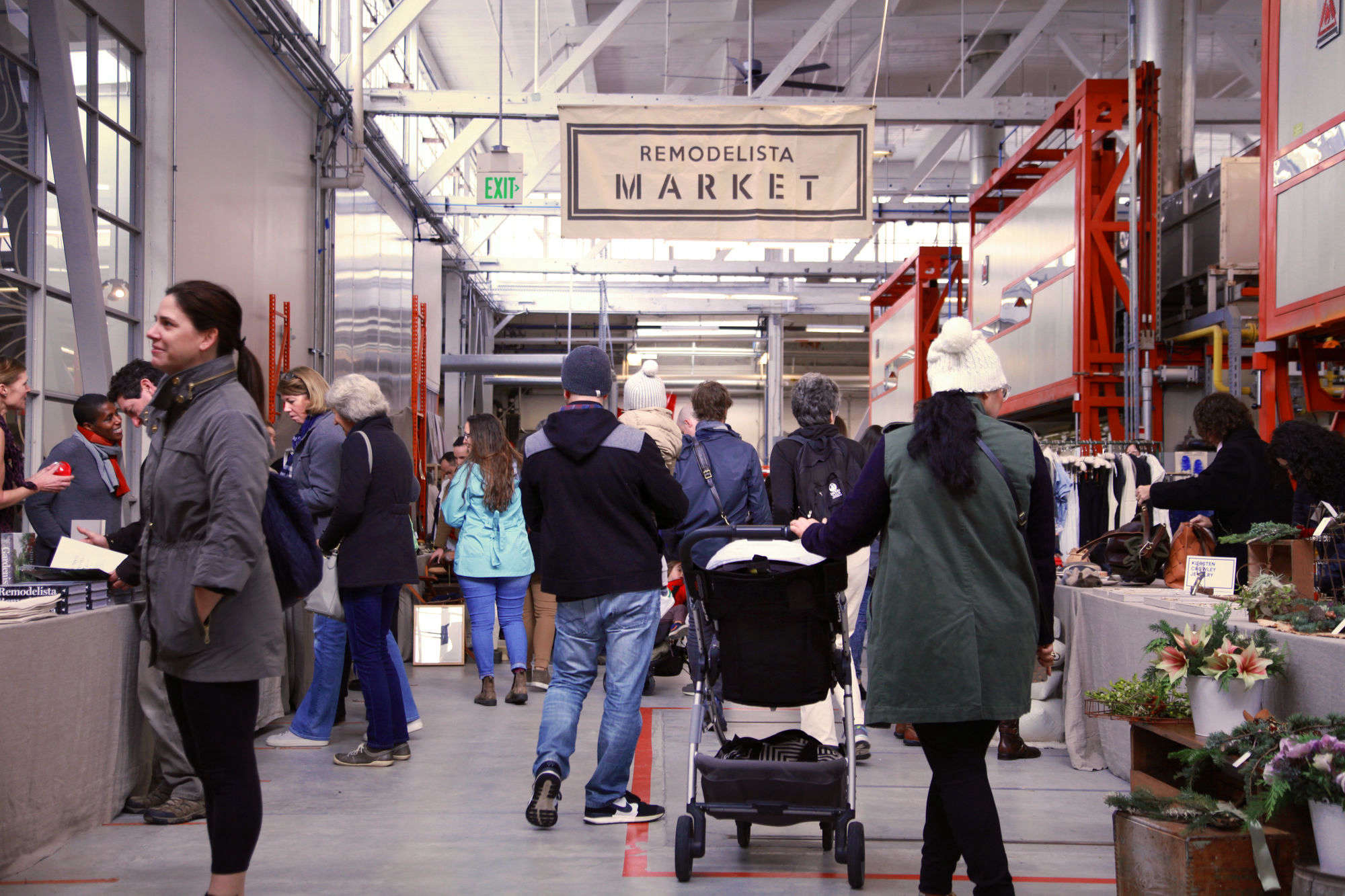
The San Francisco edition of the Remodelista Market was a recurring holiday shopping event hosted at Heath Ceramics’ Mission location on 18th Street. Over the years, the market grew into a recognizable seasonal fixture for design-minded shoppers in the Bay Area. It featured dozens of local artisans and independent brands, with categories that stretched far beyond the predictable gift-shop formula. Think homewares, ceramics, bedding, jewelry, botanicals, pantry goods, textiles, and small-batch pieces that looked as if they had actual stories behind thembecause they did.
Part of the market’s charm was its scale. It was large enough to feel exciting, but not so huge that it became a maze of visual chaos. Remodelista’s editors were part of the draw, too, turning the event into more than a place to buy. Visitors could shop, browse, talk design, and in some years even meet editors or catch book signings. In other words, it brought the editorial world off the screen and into a room full of real people holding real mugs.
That balance mattered. Remodelista had built its reputation by championing the “considered home”a world where materials, function, and restraint matter. The market translated that editorial philosophy into physical form. Instead of overwhelming visitors with too many choices, it offered a carefully selected group of makers whose work aligned with that same idea of beauty plus usefulness. It felt edited, not random. That alone is enough to make many design lovers emotional.
Why Heath Ceramics Was the Perfect Host
A California design institution with serious credibility
You cannot talk about this market without talking about Heath Ceramics. Founded by Edith and Brian Heath in the mid-20th century and producing in California since 1948, the brand has long occupied a special place in American design. Heath’s dinnerware and tile are admired for their tactile simplicity, durable craftsmanship, and unmistakably West Coast restraint. Their pieces are the opposite of trend-chasing. They are quiet, useful, and so well proportioned that they make other ceramics look like they are trying too hard.
That legacy gave the market instant substance. Hosting at Heath was not a random venue decision; it was an aesthetic match. Remodelista’s audience already responded to clean lines, honest materials, and objects that age well. Heath had been practicing that philosophy for decades. The pairing felt natural because it was natural.
A Mission campus designed for making and gathering
The San Francisco location itself added another layer of magic. Heath’s Mission campus, opened in 2012, transformed a former industrial laundry building into a warm, airy design destination centered on making. The site brought together showroom space, a tile factory, event areas, creative studios, and later additions like the Heath Newsstand and neighboring food and design destinations. It was not a fake-industrial backdrop created to impress Instagram. It was a working place, with the texture and scale to prove it.
That physical setting mattered because the market was built around the idea of connection between design and production. Visitors were not entering a generic event hall. They were stepping into a place where objects were actually made, discussed, displayed, and celebrated. Large windows, industrial bones, natural light, and the visible presence of craft gave the event a grounded quality. Even people who arrived “just to browse” probably left feeling like they had accidentally enrolled in a master class on good taste.
There was also a broader San Francisco story here. Heath’s Mission location became part of a neighborhood known for independent shops, design studios, artisanal food, and repurposed industrial spaces. In that context, the market felt deeply local. It belonged to the area rather than dropping in from nowhere with a branded banner and a clipboard.
What Shoppers Could Actually Find There
The vendor mix is a big reason the Remodelista Market at Heath Ceramics stood out. This was not a market where every third table sold interchangeable soy candles with vaguely inspirational labels. The lineup reflected a wide range of craft disciplines and useful luxuries.
Ceramics were a natural star, with makers whose work fit the tactile, handmade spirit of the venue. Textiles and bedding also played a major role, from organic cotton goods to woven pieces that felt collected rather than mass-produced. Jewelry vendors added sparkle without turning the event into a mall kiosk convention. There were pantry gifts and edible treats, including chocolate and preserves, plus home accessories, bags, botanicals, and design objects that straddled the line between practical and giftable.
That range mattered for SEO and for actual humans. A strong market has breadth, but it also needs coherence. Here, the categories made sense together because they all supported the same lifestyle fantasy: thoughtful, modern, quietly beautiful living. One shopper might come for handmade ceramics and leave with jams, linen, a leather accessory, and the sinking realization that they now cared deeply about artisanal wrapping paper.
The vendor lists from different years make that curation clear. Brands and makers associated with the San Francisco market included names in ceramics, bedding, jewelry, textiles, pantry goods, botanical beauty, and globally informed homewares. Some were firmly local; others reflected the broader Remodelista taste for independent design with a strong point of view. The common thread was quality, not category.
Why the Event Worked So Well
It was an antidote to anonymous online shopping
One of the smartest things about the market was its timing and purpose. It landed during holiday shopping season, when many people are tired, over-clicked, and one algorithm away from buying a “minimalist” lamp that arrives looking like a plastic mushroom. Remodelista’s market offered the opposite experience. Shoppers could meet makers, ask questions, touch materials, compare finishes, and hear the stories behind the work.
That human connection was not a side benefit; it was central to the event’s identity. Buying a hand-thrown bowl after speaking with the person who made it is very different from ordering a bowl from a product grid at 11:47 p.m. while eating crackers over the sink. The market restored a sense of context and care to the act of shopping.
The curation felt editorial, not commercial
Remodelista’s strength has always been its eye. The market translated that editorial sensibility into a physical environment where shoppers could trust the selection. That trust is powerful. It saves time, reduces fatigue, and makes discovery more pleasurable. You did not need to inspect every booth with suspicion. The event had already done the filtering for you.
That is one reason the market resonated so strongly with design enthusiasts. It did not merely sell products; it staged a point of view. The message was subtle but clear: here are makers, materials, and objects that belong in the same conversation. The result was a shopping environment that felt calm, coherent, and aspirational without being stiff.
The venue made the mood
Place matters in retail, and it matters even more in design events. At Heath, the market was surrounded by architecture, production, and neighborhood energy that reinforced its purpose. The Mission district setting added cultural texture. The industrial building signaled authenticity. The nearby food scene and creative ecosystem made the whole outing feel like a day in design-loving San Francisco, not just an errand with better tote bags.
Even little details helped. In some years, shoppers could refuel with food from notable local vendors. That sounds minor, but anyone who has tried to make thoughtful purchasing decisions while hungry knows it is actually heroic planning.
A Snapshot of San Francisco Design Culture
The Remodelista Market San Francisco at Heath Ceramics also captured a very specific urban moment. It reflected a city deeply interested in local manufacturing, creative entrepreneurship, and beautiful everyday objects. Heath’s Mission complex itself represented a larger argument about keeping making visible in San Francisco. Rather than treating production as something that must happen elsewhere, the site kept design, manufacturing, retail, and community under one roof.
That idea still feels relevant. In many cities, “design” can drift into abstractionsomething discussed in magazines, admired in showrooms, and detached from how things are actually made. Heath pushed in the other direction. Its San Francisco campus emphasized process, locality, and material knowledge. Remodelista’s market amplified that message by inviting small makers into the same ecosystem.
There is also a sustainability angle worth noting. Heath’s long-running emphasis on durable products, local production, and lower-waste manufacturing practices gave the venue moral weight as well as visual appeal. The market did not just look thoughtful; it sat inside a brand culture that has consistently linked design with responsibility. That makes a difference in how an event is remembered. A beautiful setting is nice. A beautiful setting with principles is nicer.
Why the Market Still Matters
Even as a concluded event, the market remains a useful case study in how to build a meaningful design gathering. First, it proves that curation beats quantity. People do not necessarily want more choices; they want better ones. Second, it shows that venue and philosophy should match. The partnership worked because Heath and Remodelista shared values around craft, utility, and good design. Third, it reminds us that retail is strongest when it creates community. The event was not memorable because it had products. It was memorable because it had atmosphere, context, and actual human interaction.
For anyone interested in Bay Area design, independent makers, or the continuing appeal of tactile shopping experiences, the market remains an excellent reference point. It demonstrated that a holiday event can be festive without being cheesy, stylish without being cold, and commercial without feeling soulless. That is harder to pull off than it sounds.
A Longer Experience: Spending a Day at Remodelista Market San Francisco at Heath Ceramics
Arriving at the market likely felt less like entering a sales event and more like walking into a particularly well-composed scene from a film about people with excellent shelves. Before you even focused on the vendor tables, the building itself set the tone. Heath’s Mission space carried the kind of industrial calm that makes you stand up straighter and suddenly care about the glaze on a mug. The light came in gently. The materials did the talking. Nothing screamed for attention, which, ironically, made everything more interesting.
The first few minutes were probably all about recalibration. Most holiday markets train people to scan fast, move faster, and buy in self-defense. This one encouraged lingering. You might start with ceramics because, well, you were at Heath Ceramics and your self-control had already filed a polite resignation. Then a few steps later you would spot handwoven textiles, naturally dyed fabric, small-batch pantry goods, jewelry with sculptural restraint, and objects that looked practical enough to justify but beautiful enough to brag about later.
One of the best parts of the experience was the shift from passive shopping to active curiosity. Instead of reading a tiny product card and making your best guess, you could talk to the maker. Where was this made? Why this material? How did you arrive at that finish, shape, or pattern? The answers turned objects into stories. A wooden spoon became a reflection of craft technique. A textile became a lesson in material culture. A jar of preserves somehow became a personality trait.
There was also the social rhythm of the event. Some visitors came with a shopping list, determined to find gifts for the impossible people in their lives: the sister who only wants “useful but special” things, the friend whose apartment looks accidentally perfect, the parent who claims to want nothing and then quietly steals your best serving bowl. Others came mainly for inspiration, drifting from table to table with the energy of someone collecting future ideas for kitchens, shelves, tablescapes, or maybe an entirely different life.
And then there was the sensory layering that made the market feel like San Francisco in miniature. Ceramics under your fingertips. The sightlines through an industrial building turned design campus. Good paper goods. Good textiles. Good bread and food nearby. Conversations about glaze, linen, provenance, craftsmanship, and whether one can own too many hand-thrown cups. Officially, the answer is probably yes. Emotionally, the answer is absolutely not.
What made the experience stick was that it did not rely on spectacle. There were no giant branded gimmicks, no frantic discount energy, no pressure to buy five things because a sign told you to. The market trusted its materials, its makers, and its setting. That confidence changed the pace. Visitors could browse with intention, leave with fewer things, and feel better about every purchase. In an age of fast everything, that slower rhythm felt almost radical.
By the time you left, you likely had more than a shopping bag. You had a sharpened sense of what “good design” actually feels like in person. You had seen how a thoughtful venue can elevate an event, how curation can reduce noise, and how meeting the people behind objects changes the value of those objects. Maybe you also had chocolate, a new linen towel, and a ceramic piece you promised yourself was the last one. That promise, of course, was between you and your future shelf space.