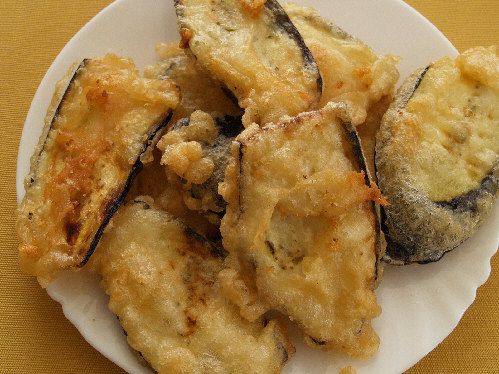
Note: This article is written for web publishing and is based on real Greek-style cooking techniques commonly used for melitzanes tiganites, including salting eggplant, preparing a light batter, frying in hot oil, and serving with bright Mediterranean sides.
If eggplant had a publicist, Greek batter-fried eggplant would be the glossy magazine cover. Crisp at the edges, tender in the middle, lightly salty, and ready to be dipped into tzatziki like it has somewhere important to be, this dish proves that humble vegetables can absolutely arrive at the table wearing sunglasses.
Known in Greek as melitzanes tiganites, this classic appetizer is often served as part of a mezze spread, beside grilled meats, fresh salads, lemony potatoes, olives, feta, and plenty of warm bread. The idea is beautifully simple: slice eggplant, season it properly, coat it in a thin batter, and fry until golden. The result is a plate of crispy fried eggplant that tastes rich without feeling complicated.
This Greek batter-fried eggplant recipe is perfect when you want something savory, vegetarian, and deeply satisfying. It works as an appetizer, side dish, snack, or “I was only going to eat one piece but now the plate is mysteriously empty” situation. Let’s make it the right way.
What Makes Greek Batter-Fried Eggplant Special?
Greek fried eggplant is not just eggplant tossed into oil and wished good luck. The best versions balance texture and flavor: the eggplant should become creamy inside, while the outside turns crisp and lightly blistered. A thin batter helps protect the eggplant from soaking up too much oil, while still giving each slice that golden crunch people tend to chase around the plate with a fork.
The Greek approach is also very flexible. Some cooks use a flour-and-water batter. Others add beer or sparkling water for extra lightness. Some include an egg yolk for richness, while others keep the batter fully plant-based. The serving style is just as customizable. You can finish the slices with sea salt and lemon, pair them with garlic yogurt, serve them with tzatziki, or pile them next to a tomato-cucumber salad for a bright, summery meal.
Ingredients for Greek Batter-Fried Eggplant
For the Eggplant
- 2 medium eggplants, firm and glossy
- 1 1/2 teaspoons kosher salt, plus more for finishing
- Neutral oil or light olive oil, for frying
- Lemon wedges, for serving
- Fresh parsley or dill, chopped, for garnish
For the Batter
- 1 cup all-purpose flour
- 2 tablespoons cornstarch, for extra crispness
- 1 teaspoon baking powder
- 1/2 teaspoon kosher salt
- 1/4 teaspoon black pepper
- 1/2 teaspoon dried oregano
- 3/4 cup cold sparkling water or cold beer
- 1 large egg yolk, optional, for a richer batter
Optional Serving Sauces
- Tzatziki
- Garlic yogurt sauce
- Whipped feta dip
- Tomato sauce with garlic and oregano
- Honey with a pinch of chili flakes, for a sweet-savory twist
How to Choose the Best Eggplant
For this Greek batter-fried eggplant recipe, choose eggplants that feel heavy for their size and have smooth, shiny skin. A fresh eggplant should feel firm but not rock-hard. Avoid eggplants with soft spots, wrinkled skin, or dull patches. Those are signs that the eggplant has been sitting around too long, possibly thinking about its life choices.
Medium eggplants are usually easier to work with than very large ones. Large eggplants may have tougher skin and more seeds, which can bring a slightly bitter flavor. You do not have to peel the eggplant unless the skin feels thick or leathery. In most cases, leaving some or all of the skin on helps the slices hold their shape while frying.
Step-by-Step Greek Batter-Fried Eggplant Recipe
Step 1: Slice the Eggplant
Trim off the stem ends of the eggplants. Slice them into rounds about 1/4 inch thick. You can also cut them lengthwise into long strips if you want a more dramatic taverna-style presentation. Just keep the thickness consistent so every piece cooks at the same speed.
Step 2: Salt the Eggplant
Place the eggplant slices in a colander and sprinkle them evenly with kosher salt. Let them rest for 25 to 35 minutes. This step draws out excess moisture, helps season the slices from within, and improves the final texture. Salting is especially helpful for fried eggplant because drier slices brown better and are less likely to become soggy.
After resting, rinse the slices lightly under cool water, then pat them very dry with paper towels or a clean kitchen towel. Do not skip the drying step. Wet eggplant and hot oil are not friends. They are not even polite acquaintances.
Step 3: Prepare the Batter
In a mixing bowl, whisk together the flour, cornstarch, baking powder, salt, black pepper, and dried oregano. Add the cold sparkling water or cold beer slowly while whisking. If using the egg yolk, whisk it in with the liquid before adding it to the dry ingredients.
The batter should be smooth and pourable, similar to thin pancake batter. It should coat the back of a spoon but not sit on the eggplant like cement. If it feels too thick, add another tablespoon or two of cold liquid. A lighter batter creates a better crunch.
Step 4: Heat the Oil
Add about 1 inch of oil to a heavy skillet or Dutch oven. Heat over medium-high heat until the oil reaches about 350°F. If you do not have a thermometer, drop a tiny bit of batter into the oil. It should sizzle immediately and float to the surface without turning dark too quickly.
Hot oil is important. If the oil is too cool, the eggplant absorbs more of it and becomes heavy. If the oil is too hot, the batter browns before the eggplant softens. The goal is confident sizzling, not volcanic drama.
Step 5: Dip and Fry
Dip each eggplant slice into the batter, letting the excess drip back into the bowl. Carefully lower the slices into the hot oil. Fry in small batches so the pan is not crowded. Crowding drops the oil temperature and turns frying into steaming, which is how crispy dreams go to take a nap.
Fry for 2 to 3 minutes per side, or until the slices are golden brown and crisp. Turn them gently with tongs or a slotted spatula. Transfer the fried eggplant to a wire rack or a paper towel-lined plate. Sprinkle lightly with salt while still hot.
Step 6: Serve Immediately
Greek batter-fried eggplant is best served hot, when the crust is still crisp and the inside is creamy. Add lemon wedges, fresh herbs, and your favorite dipping sauce. Tzatziki is a classic choice, but garlic yogurt sauce is also excellent. For something bold, try a spoonful of tomato sauce with oregano and garlic.
Tips for Crispy Fried Eggplant
Use Cold Liquid in the Batter
Cold sparkling water or beer helps create a lighter coating. The bubbles add air to the batter, which can make the crust more delicate and crisp. Keep the liquid cold until the moment you mix it in.
Dry the Eggplant Thoroughly
Moisture is the enemy of crispness. After salting and rinsing, press the slices gently between towels. The drier the surface, the better the batter will cling.
Do Not Overmix the Batter
Whisk only until the batter comes together. A few tiny lumps are fine. Overmixing can make the coating tougher, and nobody invited tough batter to the party.
Fry in Small Batches
Give each slice enough room. When too many pieces enter the pan at once, the oil temperature drops, and the eggplant can become greasy. Small batches take a little more patience but produce a much better result.
Drain on a Rack When Possible
A wire rack keeps air flowing around the fried slices, which helps preserve crunch. Paper towels work too, but avoid stacking the slices while they are still hot because steam softens the coating.
What to Serve with Greek Batter-Fried Eggplant
This dish loves company. Serve it as part of a Greek mezze platter with olives, feta, pita bread, hummus, dolmades, roasted peppers, and cucumbers. It also pairs beautifully with grilled chicken, lamb, fish, or a simple Greek salad.
For a vegetarian meal, serve the fried eggplant with lemon rice, chickpea salad, tzatziki, and warm flatbread. You can also turn it into a sandwich by layering the slices in pita with tomatoes, lettuce, red onion, feta, and yogurt sauce. It is basically a Greek vegetable sandwich with a crispy little attitude.
Flavor Variations
Beer-Battered Greek Eggplant
Replace the sparkling water with cold lager or pilsner. Beer adds subtle flavor and helps create a light crust. This version is especially good with lemon and garlic yogurt.
Vegan Greek Fried Eggplant
Skip the egg yolk and use sparkling water. The batter will still crisp nicely, especially with cornstarch and baking powder. Serve with dairy-free garlic sauce, tahini lemon sauce, or tomato relish.
Spicy Fried Eggplant
Add 1/4 teaspoon cayenne pepper or crushed red pepper flakes to the batter. Serve with honey and lemon for a sweet-spicy finish.
Herby Greek Eggplant
Add chopped fresh dill, parsley, or mint after frying. Fresh herbs brighten the richness and make the plate look like it came from a sunny Greek island instead of your very real kitchen counter.
Common Mistakes to Avoid
Cutting the Eggplant Too Thick
Very thick slices may brown outside before becoming tender inside. Aim for 1/4-inch slices for the best balance of creamy center and crisp coating.
Skipping the Salt
You can make fried eggplant without salting, but salting improves texture and helps the slices fry more evenly. It is a small step with a big payoff.
Using Heavy Batter
A thick batter can hide the flavor of the eggplant and create a doughy coating. Greek batter-fried eggplant should taste like eggplant in a crisp jacket, not like a vegetable trapped inside a pancake.
Serving Too Late
Fried eggplant is at its best shortly after cooking. If you need to hold it for a few minutes, place it on a rack in a warm oven at about 200°F. Do not cover it tightly, or the steam will soften the crust.
Can You Make Greek Batter-Fried Eggplant Ahead?
This recipe is best fresh, but you can prepare parts ahead. Slice and salt the eggplant up to a few hours in advance, then rinse, dry, and refrigerate between towels. You can also mix the dry batter ingredients ahead of time. Wait to add the cold liquid until just before frying.
Leftovers can be refrigerated in an airtight container for up to 2 days. Reheat them in an oven or air fryer until warmed and slightly crisp again. Avoid microwaving if you care about texture. The microwave will make the coating soft, and then everyone will be sad, including the eggplant.
Why This Recipe Works
This Greek batter-fried eggplant recipe works because every step has a purpose. Salting removes excess moisture. Drying helps the batter stick. Cornstarch supports crispness. Baking powder adds lift. Cold sparkling water or beer lightens the coating. Hot oil cooks the exterior quickly while the inside turns silky.
The result is a dish that feels rustic and special at the same time. It is easy enough for a weeknight appetizer but impressive enough for guests. It also turns eggplant skeptics into curious snackers, which is no small accomplishment. Eggplant has been misunderstood for years; this recipe gives it a very crispy redemption arc.
Extra Experience: What I Learned Making Greek Batter-Fried Eggplant at Home
The first time I made Greek batter-fried eggplant, I made the classic beginner mistake: I rushed. I sliced the eggplant, gave it a polite sprinkle of salt, waited about seven minutes, and decided that was probably enough because patience is apparently not sold in the spice aisle. The result tasted fine, but the slices were softer than expected and the coating did not cling as well as I wanted.
The second time, I let the eggplant rest properly after salting. That changed everything. The slices released moisture, the texture became firmer, and the batter hugged the eggplant instead of sliding off like it had other weekend plans. I also learned that drying the slices is not a suggestion. It is the difference between crisp fried eggplant and a pan full of dramatic oil splatter.
Another useful lesson: batter consistency matters more than people think. When the batter is too thick, the eggplant loses its personality. It becomes heavy and bread-like. A thin batter lets the vegetable shine while still adding crunch. I like the version with cold sparkling water because it keeps the flavor clean, but beer gives the crust a slightly deeper taste that works beautifully with lemon.
I also discovered that the serving sauce can change the whole mood of the dish. With tzatziki, the fried eggplant feels cool, fresh, and very Greek. With garlic yogurt, it becomes rich and tangy. With tomato sauce, it leans cozy and almost casserole-like. With honey and chili flakes, it suddenly becomes the appetizer everyone asks about before quietly stealing the last piece.
One of my favorite ways to serve this recipe is on a big platter with lemon wedges, chopped parsley, crumbled feta, and a bowl of sauce in the center. It looks generous without being fussy. People can grab a slice, dip, squeeze lemon, and repeat. No ceremony required. Just crispy eggplant and happy silence, which is the sound of a recipe doing its job.
For weeknight cooking, I recommend setting up a simple frying station before turning on the stove: dried eggplant on one plate, batter in a bowl, hot oil in the skillet, and a rack ready for draining. Once the oil is hot, things move quickly. Having everything prepared prevents the kitchen from turning into a one-person cooking game show.
The biggest takeaway is this: Greek batter-fried eggplant is simple, but it rewards attention. You do not need fancy equipment or rare ingredients. You just need fresh eggplant, a light batter, properly heated oil, and the discipline not to eat half the batch while standing at the stove. That last part is optional, but good luck.
Conclusion
Greek batter-fried eggplant is the kind of recipe that makes simple ingredients feel exciting. With a few smart techniques, eggplant becomes crisp outside, creamy inside, and full of Mediterranean flavor. Serve it with lemon, herbs, and a cool dipping sauce, and you have an appetizer that fits everything from casual family dinners to weekend mezze nights.
Whether you call it Greek fried eggplant, crispy eggplant slices, or melitzanes tiganites, this dish deserves a place in your kitchen. It is affordable, flexible, vegetarian-friendly, and almost suspiciously delicious. Just remember: salt well, dry thoroughly, fry hot, and serve fast. The eggplant will take care of the applause.