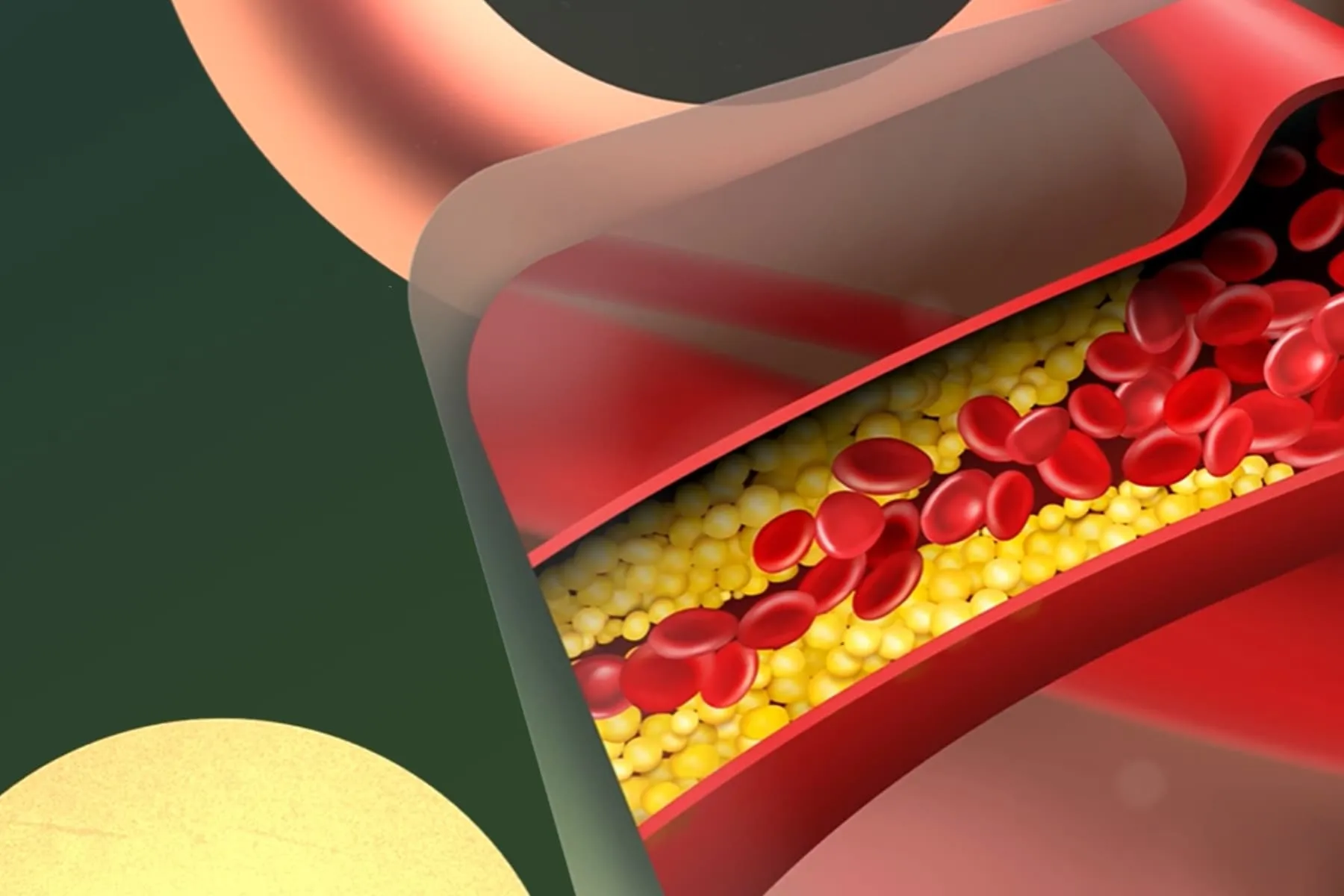
Coronary artery disease, often shortened to CAD, is one of those health terms that sounds like it belongs in a medical textbook, a cardiologist’s office, or a very serious commercial where everyone walks in slow motion. But in real life, CAD is much closer to home. It is the most common type of heart disease, and it happens when the arteries that supply blood to the heart become narrowed, stiff, or blocked by plaque.
Think of your coronary arteries as the heart’s private delivery roads. Their job is to bring oxygen-rich blood to the heart muscle so it can keep pumping like the tiny overachiever it is. When plaque builds up inside those arteries, traffic slows down. If the blockage becomes severe, the heart may not get enough oxygen, especially during exercise, emotional stress, or illness. In some cases, a plaque can rupture and trigger a blood clot, causing a heart attack.
The good news is that coronary artery disease is not a mystery villain hiding in the shadows. Doctors understand a great deal about what causes it, how to diagnose it, and how to reduce the risk of serious complications. Lifestyle choices, medications, and medical procedures can all play a role in helping people live longer, healthier lives with CAD.
What Is Coronary Artery Disease?
Coronary artery disease is a condition in which the coronary arteries become narrowed or blocked, most often because of a process called atherosclerosis. Atherosclerosis occurs when cholesterol, fat, calcium, inflammatory cells, and other substances collect inside the artery walls. Over time, this buildup forms plaque.
Plaque does not usually appear overnight. It is more like a slow home renovation project that nobody approved. At first, the artery may still allow enough blood to pass through. But as plaque grows, the opening inside the artery becomes smaller. Blood flow decreases, and the heart muscle may struggle to get enough oxygen.
CAD may be called coronary heart disease or ischemic heart disease. These terms are closely related and are often used in similar ways. “Ischemic” simply means that a tissue is not getting enough blood and oxygen. In CAD, the tissue at risk is the heart muscle.
How Plaque Affects the Heart
Plaque can cause problems in two main ways. First, it can gradually narrow the artery. This may lead to stable angina, which is chest discomfort that often appears during physical activity and improves with rest. Second, plaque can suddenly rupture. When that happens, the body may form a clot at the rupture site. A clot can partly or completely block blood flow, leading to unstable angina or a heart attack.
This is why a person can feel “mostly fine” for years and then suddenly experience a major heart event. Coronary artery disease often develops quietly. In the early stages, there may be no symptoms at all. That silence is convenient for the disease and deeply inconvenient for everyone else.
Common Symptoms of Coronary Artery Disease
The most common symptom of coronary artery disease is angina. Angina is chest pain, pressure, tightness, heaviness, burning, or discomfort caused by reduced blood flow to the heart. People describe it in different ways. Some say it feels like an elephant sitting on the chest. Others say it feels like indigestion, squeezing, or a band tightening around the ribs.
Typical symptoms may include:
- Chest pain, pressure, or tightness
- Shortness of breath
- Pain or discomfort spreading to the arm, shoulder, back, neck, jaw, or upper stomach
- Fatigue during normal activities
- Nausea or lightheadedness
- Cold sweat
- Fast, irregular, or pounding heartbeat
Symptoms may appear during exercise, climbing stairs, emotional stress, cold weather, or after a heavy meal. In some people, especially older adults, women, and people with diabetes, symptoms can be less obvious. Instead of dramatic chest pain, they may notice unusual fatigue, shortness of breath, nausea, or discomfort that feels like heartburn.
Anyone with new, severe, or unexplained chest discomfort, especially with shortness of breath, sweating, nausea, faintness, or pain spreading to the arm or jaw, should seek emergency medical care. The heart is not a “wait and see” organ when it is waving red flags.
What Causes Coronary Artery Disease?
The main cause of coronary artery disease is atherosclerosis. However, atherosclerosis is influenced by many factors. Some are related to lifestyle, some are medical, and some are inherited. CAD usually develops because several risk factors team up like a very unhelpful committee.
Major risk factors include:
- High LDL cholesterol, often called “bad” cholesterol
- Low HDL cholesterol, often called “good” cholesterol
- High blood pressure
- Smoking or exposure to secondhand smoke
- Diabetes or insulin resistance
- Obesity, especially excess weight around the waist
- Physical inactivity
- Unhealthy eating patterns
- Chronic stress
- Family history of early heart disease
- Older age
- Sleep apnea or poor sleep quality
- Chronic kidney disease and other inflammatory conditions
Some risk factors cannot be changed, such as age and family history. But many can be improved. That distinction matters because CAD prevention is not about blaming people for their arteries. It is about identifying what can be controlled and then making realistic changes that actually stick.
Why High Blood Pressure and Cholesterol Matter
High blood pressure damages artery walls over time. When the inner lining of the arteries becomes irritated or injured, plaque can develop more easily. Meanwhile, high LDL cholesterol contributes to fatty buildup inside the arteries. The combination of high blood pressure and high LDL cholesterol is like letting a wrecking ball and a cluttered storage unit share the same hallway.
HDL cholesterol helps carry cholesterol away from the arteries, but HDL alone does not cancel out other risks. Modern heart care focuses on the full picture: LDL cholesterol, blood pressure, diabetes status, smoking, age, family history, and overall cardiovascular risk.
Coronary Artery Disease and Diabetes
Diabetes is a major risk factor for coronary artery disease. High blood sugar can damage blood vessels and nerves that control the heart. People with diabetes are also more likely to have high blood pressure, abnormal cholesterol levels, inflammation, and obesity, all of which can increase the chance of CAD.
Another important point: people with diabetes may have less typical symptoms during a heart event. A heart attack may not always announce itself with classic chest pain. That is one reason regular checkups, blood pressure control, cholesterol management, and blood sugar management are so important.
How Doctors Diagnose Coronary Artery Disease
Diagnosing coronary artery disease begins with a conversation. A healthcare provider will ask about symptoms, personal medical history, family history, medications, smoking, physical activity, diet, and risk factors. Then they may recommend tests based on the person’s situation.
Common tests may include:
- Electrocardiogram: Records the heart’s electrical activity and may show signs of reduced blood flow or past heart damage.
- Blood tests: Check cholesterol, blood sugar, kidney function, inflammation markers, and signs of heart muscle injury if a heart attack is suspected.
- Stress test: Measures how the heart performs during exercise or medicine-induced stress.
- Echocardiogram: Uses ultrasound to show heart structure, pumping strength, and valve function.
- Coronary calcium scan: A CT scan that measures calcified plaque in the coronary arteries.
- Coronary CT angiography: Uses imaging to look at coronary artery narrowing.
- Cardiac catheterization and coronary angiography: Uses a thin tube and contrast dye to view artery blockages directly.
Not every person needs every test. A healthy 35-year-old with mild risk factors and a 70-year-old with chest pain while walking uphill need very different evaluations. Good medicine is not one-size-fits-all; it is more like tailoring, except with fewer measuring tapes and more blood pressure cuffs.
Treatment Options for Coronary Artery Disease
Treatment for CAD aims to improve blood flow, reduce symptoms, lower the risk of heart attack, and prevent the disease from getting worse. Most treatment plans combine lifestyle changes with medication. Some people also need procedures to open or bypass blocked arteries.
Lifestyle changes
Heart-healthy habits are the foundation of CAD care. They are recommended whether a person has mild plaque, stable angina, a past heart attack, or a stent. Lifestyle changes may not sound as exciting as high-tech procedures, but arteries appreciate the basics.
- Stop smoking and avoid secondhand smoke.
- Eat more vegetables, fruits, beans, whole grains, nuts, and fish.
- Limit trans fats, excess saturated fat, added sugar, and highly processed foods.
- Choose lean proteins and heart-healthy fats, such as olive oil and nuts.
- Get regular physical activity as approved by a healthcare provider.
- Maintain a healthy weight.
- Manage stress with practical tools like breathing exercises, counseling, sleep routines, or social support.
- Control blood pressure, cholesterol, and blood sugar.
Medications
Medications may be used to reduce symptoms, prevent clots, lower cholesterol, control blood pressure, and reduce the heart’s workload. Common medication classes include statins, antiplatelet medicines, beta blockers, ACE inhibitors, ARBs, calcium channel blockers, nitrates, and other cholesterol-lowering drugs.
Statins are commonly prescribed because they lower LDL cholesterol and help stabilize plaque. Antiplatelet medicines may help prevent clots in people who already have CAD, especially after a heart attack or stent. However, aspirin is not something to start casually for prevention without medical advice, because it can increase bleeding risk. The right medication plan depends on a person’s age, symptoms, test results, medical history, and overall risk.
Procedures
Some people with coronary artery disease need a procedure. Angioplasty and stent placement, also called percutaneous coronary intervention, can open a narrowed artery. A tiny balloon is inflated inside the artery, and a small mesh tube called a stent may be placed to help keep the artery open.
Another option is coronary artery bypass graft surgery, or CABG. In this surgery, a healthy blood vessel from another part of the body is used to create a new route around blocked coronary arteries. CABG may be recommended for people with severe blockages, multiple narrowed arteries, diabetes with extensive disease, or left main coronary artery disease.
Can Coronary Artery Disease Be Prevented?
Coronary artery disease is not always completely preventable, especially when genetics and age are involved. But many cases can be delayed, reduced, or managed through prevention. The earlier a person starts, the better. Still, it is never “too late” to improve heart health. Your arteries do not hold grudges forever; they respond to better conditions.
Prevention begins with knowing your numbers: blood pressure, LDL cholesterol, HDL cholesterol, triglycerides, blood sugar, weight, and waist size. These numbers give clues about cardiovascular risk before symptoms appear. Regular checkups are especially important for people with family history, diabetes, high blood pressure, kidney disease, or a history of smoking.
What to Eat for Better Heart Health
A heart-healthy eating pattern does not require surviving on plain lettuce and sadness. A practical approach focuses on foods that nourish the body and protect blood vessels. Think colorful vegetables, berries, oats, beans, lentils, whole grains, fish, poultry, nuts, seeds, olive oil, and low-fat or unsweetened dairy if tolerated.
It also helps to reduce foods that raise LDL cholesterol or blood pressure, such as processed meats, fried foods, sugary drinks, refined carbohydrates, and salty packaged snacks. Sodium matters because it can raise blood pressure in many people. Added sugar matters because it can contribute to weight gain, insulin resistance, and abnormal triglycerides.
A realistic example: breakfast could be oatmeal with berries and walnuts, lunch could be a turkey and avocado whole-grain wrap with vegetables, and dinner could be grilled salmon with brown rice and roasted broccoli. No dramatic food funeral required.
Exercise and Coronary Artery Disease
Regular movement helps lower blood pressure, improve cholesterol, support blood sugar control, reduce stress, and strengthen the heart. For many adults, a common goal is at least 150 minutes of moderate-intensity aerobic activity per week, such as brisk walking, cycling, or swimming, plus strength training on two or more days per week.
People with known CAD, chest pain, shortness of breath, or a history of heart attack should talk with a healthcare provider before starting a new exercise program. Cardiac rehabilitation may be recommended after a heart attack, stent, bypass surgery, or certain heart procedures. Cardiac rehab combines supervised exercise, education, medication support, nutrition guidance, and stress management.
Living With Coronary Artery Disease
Living with CAD means building routines that protect the heart without turning life into a full-time medical spreadsheet. It may involve taking medications every day, attending follow-up appointments, monitoring blood pressure, improving meals, walking regularly, and knowing when symptoms are serious.
It also means paying attention to mental health. A heart diagnosis can create anxiety, frustration, or fear. That is normal. Support from family, friends, healthcare professionals, therapists, or cardiac rehab groups can make a huge difference. The goal is not to become perfect. The goal is to become consistent.
When to Seek Medical Help
Call emergency services right away if chest pain is severe, new, or lasts more than a few minutes, especially if it comes with shortness of breath, sweating, nausea, fainting, weakness, or pain spreading to the arm, jaw, neck, back, or stomach. Do not drive yourself to the hospital if a heart attack is possible.
Schedule a medical appointment if you notice chest discomfort during activity, unusual fatigue, shortness of breath, leg swelling, irregular heartbeat, or reduced ability to exercise. Early evaluation can catch problems before they become emergencies.
Personal and Practical Experiences Related to Coronary Artery Disease
One of the most common experiences people describe with coronary artery disease is surprise. Many assume heart disease will feel dramatic, like a movie scene with sudden chest-clutching and instant certainty. In real life, CAD can be subtle. A person may first notice they cannot climb the same stairs as easily. Someone else may feel pressure in the chest while carrying groceries, then feel better after resting. Another person may think they have indigestion after meals, only to learn the discomfort was related to reduced blood flow to the heart.
Families often notice changes before patients do. A spouse may say, “You keep stopping during walks.” A friend may point out that a once-energetic person now avoids hills. These small observations matter. Coronary artery disease often enters daily life quietly, disguised as aging, stress, being out of shape, or having “just a busy week.” Listening to these clues can lead to earlier care.
Another real-world experience is the medication adjustment period. After diagnosis, people may start a statin, blood pressure medicine, aspirin or another antiplatelet medicine, or drugs for angina. At first, the list can feel overwhelming. Pill organizers, phone reminders, and linking medicine to daily routines can help. For example, some people keep morning medicines near the coffee makernot in the coffee, obviously, because cardiology has limits, but nearby as a visual reminder.
Food changes can also feel intimidating at first. Many people imagine they must abandon flavor forever and enter a solemn relationship with steamed vegetables. In practice, heart-healthy eating can be flexible. A person might start by swapping sugary drinks for water, adding vegetables to dinner, using olive oil instead of butter more often, or choosing grilled chicken instead of fried chicken. Small changes repeated over months often work better than dramatic plans that collapse by Thursday.
Exercise after a CAD diagnosis can bring mixed emotions. Some people are eager to move; others are afraid activity will trigger symptoms. This is where medical guidance matters. Cardiac rehabilitation can be especially reassuring because exercise is supervised and personalized. Patients learn what safe effort feels like, how to warm up, when to slow down, and which symptoms need attention. Confidence grows when movement becomes familiar instead of frightening.
Stress management is another practical part of CAD life. Stress does not “cause” every blockage, but chronic stress can worsen habits, sleep, blood pressure, and inflammation. People often benefit from simple routines: walking after dinner, practicing slow breathing, keeping regular sleep hours, reducing late-night doomscrolling, or talking with someone instead of bottling everything up like a shaken soda can.
The most encouraging experience many people report is that CAD can become manageable. A diagnosis may be serious, but it is also a turning point. With treatment, follow-up care, better habits, and awareness of symptoms, many people return to work, hobbies, travel, family life, and exercise. The heart may need more attention than before, but attention is not the same as limitation. It is maintenance for the engine that has been working since before you knew how to spell “cholesterol.”
Conclusion
Coronary artery disease is a common but serious condition in which plaque narrows or blocks the arteries that supply blood to the heart. It can cause chest pain, shortness of breath, fatigue, heart rhythm problems, heart attack, and heart failure. But CAD is also highly treatable. With early diagnosis, heart-healthy habits, appropriate medications, and procedures when needed, many people can reduce symptoms and lower their risk of future heart problems.
The best approach is proactive: know your numbers, understand your risk factors, do not ignore warning signs, and work with a healthcare provider to build a plan that fits your life. Your heart does not need perfection. It needs steady support, smart choices, and the occasional reminder that vegetables are not the enemy.