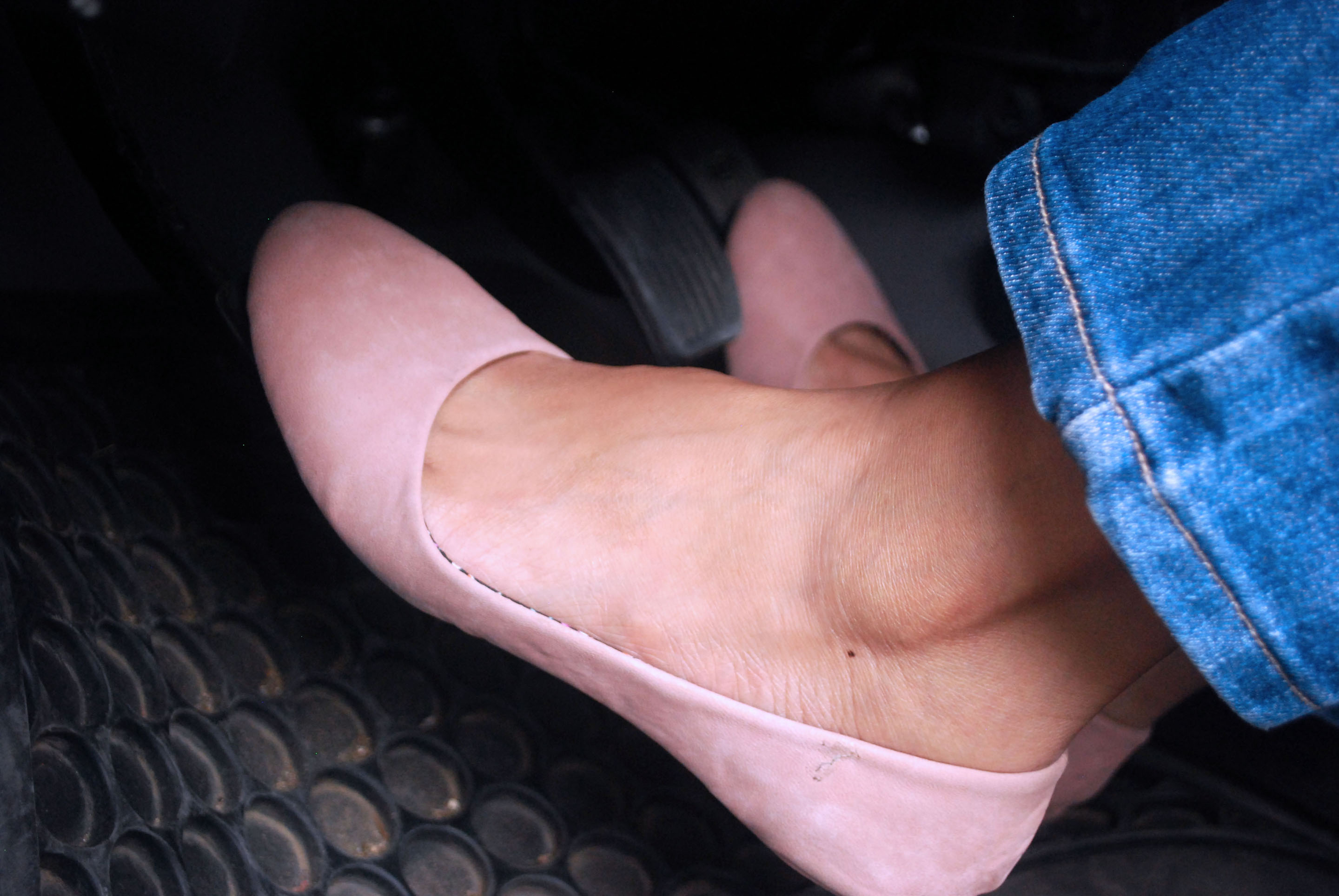
Learning how to shift from 1st to 2nd gear in a standard transmission car is one of those rites of passage that can make you feel either wildly capable or personally attacked by a clutch pedal. One moment you’re rolling forward like a future race legend, and the next moment the car bucks like it just remembered an unpaid parking ticket. The good news? This is completely normal.
For most beginners, the shift from first to second is the hardest one to smooth out. Starting from a stop takes coordination, yes, but the 1-to-2 shift is where timing, pedal control, engine sound, and hand movement all have to work together without drama. Once you get it, though, driving a manual transmission starts feeling less like a mechanical puzzle and more like a conversation with the car.
In this guide, you’ll learn exactly how to shift from 1st to 2nd gear, what your feet and hand should be doing, how to avoid the most common mistakes, and how to practice until the whole thing feels natural. No fluff, no robotic instructions, and no “simply become one with the gearbox” nonsense. Just real-world help.
Why the 1st-to-2nd Shift Feels So Awkward at First
The reason this shift feels tricky is simple: first gear is all about getting the car moving, while second gear is about carrying that motion smoothly. In first, the engine works harder and the car responds quickly to small pedal inputs. In second, the engine settles down, the car wants a cleaner handoff, and your timing matters more.
That means if you release the clutch too fast, the car can jerk. If you stay off the gas too long, the car can bog down. If you rush the lever like you’re yanking a lawn mower cord, the shift feels rough. And if you panic, congratulations, you’ve now invented a new dance move with both feet.
None of this means you’re bad at driving stick. It means you’re learning coordination. And coordination gets better with repetition.
What Has to Happen During the Shift
When you shift from 1st to 2nd gear in a manual car, you are doing five things in a short sequence:
- Accelerate in first gear until the car is ready for the next gear.
- Lift off the gas.
- Press the clutch pedal all the way down.
- Move the shifter from first gear to second gear.
- Release the clutch smoothly while adding gas again.
That is the whole recipe. Smooth shifting is not about magic. It is about doing those actions in the right order, at the right pace, without freezing in the middle.
Step-by-Step: How to Shift from 1st to 2nd Gear
1. Get the Car Moving Cleanly in First Gear
Before you even think about second gear, make sure the car is fully rolling in first. Your clutch should be all the way up, the car should be moving steadily, and you should not still be hovering in that awkward half-clutch zone. If you try to shift while the launch is still messy, the next gear will be messy too.
In plain English: do not rush second gear just because you’re excited. First, let first gear actually do its job.
2. Notice When the Car Sounds Ready
You do not need to stare at the tachometer like it owes you money. Most beginners eventually learn the 1-to-2 shift by sound and feel. The engine in first gear will begin to sound busier and the car will feel eager for the next gear. That is your cue.
Some cars like an earlier shift, some like a slightly later one, and hills or heavy loads can change the timing. The exact moment depends on the vehicle, but the principle is the same: shift once first gear has done enough work to get the car moving comfortably.
3. Ease Off the Gas
As you prepare to shift, come off the accelerator. Do not keep pressing the gas while trying to upshift. The idea is to let the engine stop pulling so the clutch can disconnect the engine cleanly from the transmission.
This does not need to be dramatic. You are not stomping off the gas like it insulted your family. Just lift your right foot off smoothly.
4. Press the Clutch All the Way Down
Push the clutch pedal fully to the floor with your left foot. Fully means fully. “Mostly down” is a great way to create a rough shift, make the transmission unhappy, or wonder why the car suddenly feels offended.
A complete clutch press disconnects engine power from the wheels long enough for the next gear to be selected cleanly.
5. Move the Shifter Straight into Second
In most standard transmission cars, second gear is directly below first gear. That means the movement is usually a straight pull backward. Use a calm, firm motion. Not slow enough to linger in neutral, and not aggressive enough to make the shifter feel like a gym machine.
Let the lever move through the gate naturally. If it doesn’t want to go, do not force it. A manual gearbox responds better to deliberate control than brute force.
6. Start Releasing the Clutch Smoothly
Once the shifter is in second, begin lifting your left foot off the clutch pedal in a smooth, controlled motion. This is the transition point that makes or breaks the shift.
If you dump the clutch, the car will likely jerk. If you release it too slowly, the shift can feel lazy and you may wear the clutch more than necessary. What you want is a steady release with no panic and no hesitation.
7. Feed the Gas Back In
As the clutch comes up and begins to reconnect the engine to the transmission, start adding light throttle. The key word is light. You are blending the power back in, not launching the car into low orbit.
Once the clutch is fully released, continue accelerating normally in second gear.
What a Smooth 1-to-2 Shift Feels Like
A good shift from 1st to 2nd gear feels boring in the best possible way. The car keeps moving forward without a lurch, the engine settles into a calmer sound, and your passengers do not give you that subtle “everything okay up there?” look.
If the shift is smooth, you will feel:
- No sudden head snap forward or backward.
- No grinding from the gearbox.
- No sharp drop in momentum.
- No panicked stab at the gas pedal afterward.
The best manual drivers are not the ones who shift the fastest. They are the ones who make the car feel settled.
Common Mistakes and How to Fix Them
Letting the Clutch Out Too Fast
This is the classic beginner move. The car jerks, your coffee loses faith in you, and everyone remembers it. The fix is simple: slow down the release slightly, especially through the point where the clutch starts to engage.
Waiting Too Long in Neutral
If you pause too long between gears, the car loses momentum and the shift can feel clumsy. Try making the movement from first to second one continuous action.
Adding Too Much Gas Too Soon
Heavy throttle before the clutch is properly re-engaged can make the shift harsh. Think “blend” instead of “pounce.”
Not Pressing the Clutch Fully
A partial clutch press can make the transmission resist the shift. Always go all the way to the floor.
Looking Down at the Shifter
Your hand should learn the pattern by feel. Glancing down every time makes you late, distracted, and less confident. Practice the shift pattern while parked until your hand knows where second gear lives.
Resting Your Foot on the Clutch
Once you complete the shift, get your left foot off the clutch pedal and onto the dead pedal or footrest. Hovering on the clutch is not a personality trait. It is just extra wear.
A Simple Practice Drill That Actually Works
The best place to learn how to shift from 1st to 2nd gear is an empty parking lot or a quiet, flat road with very little traffic. Practice where your brain can focus on the car instead of juggling pedestrians, buses, scooters, dogs, and one guy who believes every road is a qualifying lap.
Try this drill:
- Start from a complete stop.
- Pull away smoothly in first gear.
- Shift into second.
- Drive a short distance in second.
- Slow down, stop safely, and repeat.
Do this over and over until the shift becomes predictable. Then try the same drill on a slight incline, then in light neighborhood traffic, and only later in busier conditions.
How to Know Whether You Shifted Too Early or Too Late
If you shift too early, the engine may feel weak, lazy, or slightly unhappy in second gear. The car may seem like it suddenly lost enthusiasm for the entire idea of moving.
If you shift too late, the engine may sound overly busy in first and the car may feel like it is begging for the next gear. Neither mistake is the end of the world. The point is to learn what your car likes.
A standard transmission car teaches you through feedback. It talks through engine sound, vibration, and how the car responds to your feet. Listen to it.
Does Every Standard Transmission Car Feel the Same?
Not even close. One car may have a clutch that engages high, another low. One shifter may feel crisp and short, another may feel longer and more relaxed. Some engines are forgiving at lower speed, while others prefer a little more rev before the shift.
That means if you learned on one manual car and jump into another, the 1-to-2 shift may feel different at first. That is normal. The fundamentals stay the same, but the timing and pedal feel may change.
Tips for Smoother Shifting in Real Traffic
- Leave extra space ahead so you do not rush the shift.
- Finish the shift before entering a turn whenever possible.
- Do not coast around with the clutch pressed down longer than necessary.
- Keep both hands on the wheel except when you are actively shifting.
- Practice calm feet. Most rough shifts come from tense legs and hurried inputs.
Also, give yourself permission to be new at this. Every experienced manual driver was once the person stalling in a parking lot and pretending it was “part of the lesson.”
of Real-World Experience With the 1st-to-2nd Shift
One of the most common experiences beginners have with shifting from 1st to 2nd gear is believing they understand it perfectly while the car strongly disagrees. The first few tries often go like this: the launch in first is surprisingly decent, confidence spikes immediately, and then the shift to second arrives with all the grace of a dropped toolbox. The car jerks, the driver apologizes to nobody in particular, and a valuable lesson is learned: first gear can flatter you, but second gear tells the truth.
A lot of learners notice that their biggest problem is not getting into second gear itself. It is what happens right after. They move the shifter correctly, but then they either release the clutch too quickly or wait too long to reapply the gas. That split second feels tiny on paper and enormous in real life. It is where many people go from “I think I’ve got it” to “why does this car suddenly hate me?”
Another very real experience is overthinking. New drivers often try to monitor the tachometer, listen to the engine, remember foot placement, watch the road, and mentally recite the gear pattern all at once. That usually creates stiffness. The smoother shifts tend to happen when the driver simplifies the process: roll in first, off the gas, clutch in, pull to second, clutch out smoothly, light gas. Once that sequence becomes rhythmic, the stress level drops fast.
Many people also discover that a calm left foot matters more than a fast right hand. Beginners often assume the shifter is the star of the show, but the real hero is clutch control. A driver can make an average shift lever feel good with a smooth clutch release, while even a nice gearbox can feel awkward if the clutch is dumped like a hot potato.
There is also the emotional side of learning stick shift, which deserves more respect than it usually gets. A rough 1-to-2 shift in an empty parking lot is mildly annoying. The same rough shift at a traffic light with another car behind you can feel like a public performance review. That pressure makes many learners rush. Ironically, rushing is exactly what makes the shift worse. Experienced drivers usually get smoother because they stop trying to “win” the shift and start trying to match the car’s rhythm.
Over time, the experience changes. The jerky handoff becomes a smooth transition. The engine note starts making sense. Your hand finds second gear without a glance. You stop wondering whether the car is ready and just know. That is the point where driving a standard transmission becomes fun instead of theatrical. The car feels lighter, your inputs get cleaner, and the shift from 1st to 2nd becomes just another small, satisfying motion in a drive full of them.
Final Thoughts
If you want to learn how to shift from 1st to 2nd gear in a standard transmission car, focus on sequence, smoothness, and repetition. Get rolling cleanly in first, come off the gas, press the clutch all the way down, move the shifter calmly into second, release the clutch smoothly, and blend the gas back in. That is the skill.
It will probably feel clunky before it feels natural. That is not failure. That is training. Stick-shift driving rewards patience more than bravado, and once this shift clicks, the rest of manual driving becomes much easier. One day, without much warning, you will make the perfect 1-to-2 shift and barely notice it. That is when you’ll know you’re getting good.
Note: Clutch bite point, ideal shift timing, and engine feel vary by vehicle. Practice in a safe, open area and check your owner’s manual for your car’s specific guidance.