Some champagne flutes quietly sit in a cabinet waiting for New Year’s Eve. Jochen Holz’s Incalmo Champagne Flutes do not quietly sit anywhere. They shimmer, lean into color, flirt with imperfection, and look as if they were made for the sort of toast where someone says, “Just one glass,” and then immediately starts telling a dramatic story about dinner reservations.
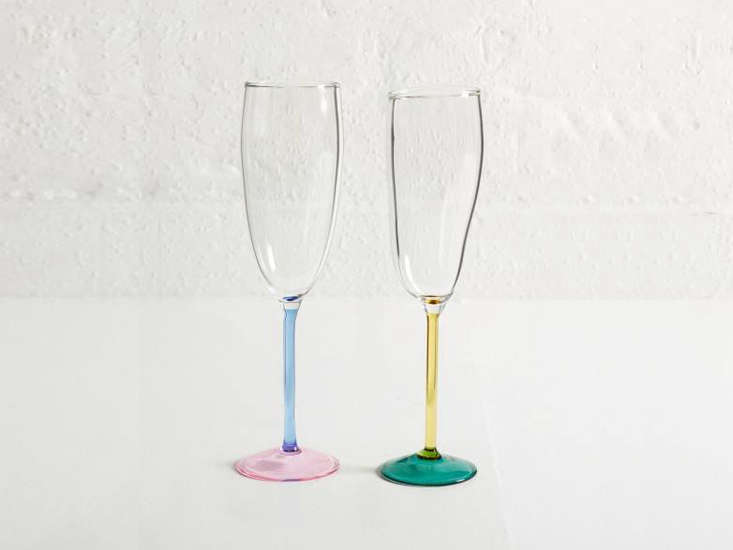
This pair of handmade incalmo champagne flutes combines a clear upper bowl with a colored stem and foot, creating a striking two-tone design that feels playful, modern, and deeply rooted in glassmaking history. They are not mass-produced glasses marching in identical formation. They are free-blown borosilicate glass pieces, shaped by hand, heat, breath, and timing. In other words, they have personality. If ordinary flutes are tuxedos, these are tuxedos with bright socks and excellent taste.
At first glance, the appeal is obvious: color, height, delicacy, and a sculptural silhouette. But the deeper story is more interesting. These flutes sit at the crossroads of Venetian technique, scientific lampworking, contemporary collectible design, and the ritual of opening sparkling wine. They are functional objects, yes, but also miniature performances in glass.
What Are Jochen Holz’s Incalmo Champagne Flutes?
Jochen Holz’s Incalmo Champagne Flutes are a pair of handmade champagne glasses created using the incalmo technique, a traditional and demanding glassmaking method in which separate glass elements are joined while hot to become one continuous object. In this design, the clear drinking section is paired with a colored stem and base, giving each flute a crisp visual contrast without losing the elegance expected from champagne glassware.
The original product listing described the flutes as free-blown from borosilicate, also known as laboratory glass. That detail matters. Borosilicate is admired for heat resistance and durability compared with many ordinary soda-lime glasses. It is also well suited to lampworking, the torch-based glass process that Holz has transformed from a technical discipline into an expressive art form.
The listed proportions are tall and narrow, about 24.5 centimeters high with a 6-centimeter width, which gives the pair the celebratory verticality people expect from champagne flutes. Yet the handmade nature prevents them from feeling stiff. The slight organic variation in form is not a flaw; it is the whole point. A machine can make perfect sameness. Holz gives us controlled mischief.
Who Is Jochen Holz?
Jochen Holz is a German-born glass artist based in London, known for pushing lampworking into the territory of collectible design, tableware, lighting, and sculpture. His background in scientific glassblowing is central to his work. Lampworking has long been associated with laboratory equipment, precise tubes, and practical instruments. Holz takes that technical foundation and uses it creatively, turning glass tubing into vessels, goblets, jugs, neon works, and sculptural objects.
That shift from scientific utility to expressive design is what makes his pieces stand out. He understands the material from the inside out: how it softens, stretches, resists, collapses, bulges, and behaves when heat has the steering wheel. His work often celebrates the very qualities that industrial glass tries to hide, such as wobble, texture, variation, and asymmetry.
Holz’s tableware has been described as spontaneous yet precise, and that phrase fits these champagne flutes beautifully. They are carefully made, but they do not look nervous about being alive. The slight waves and irregularities give them a human quality, as if the glass remembers the moment it was formed.
Understanding the Incalmo Technique
Incalmo is one of those words that sounds elegant before you even know what it means. In glassmaking, it refers to the process of joining two or more blown glass sections together while they are still hot. The technique requires the edges of the separate elements to match with extreme accuracy. Too large, too small, too cool, too hot, too lateany of these can turn a promising object into a very expensive lesson in humility.
Historically associated with Venetian glass traditions, incalmo allows makers to create bands of different colors or materials within a single vessel. For Holz’s champagne flutes, the method makes it possible to combine a transparent upper section with a colored stem and foot. The result is both clean and lively: clear where the wine needs to be seen, colorful where the object can show off.
Incalmo is not decoration pasted onto a finished glass. It is structure, color, and technique fused together. That is why these flutes feel different from tinted supermarket glassware. The color is not merely an accessory; it is part of the way the object exists.
Why Borosilicate Glass Matters
Borosilicate glass has a reputation for being tough under thermal stress, which is why it appears in laboratory equipment, cookware, lighting, and specialized design objects. For champagne flutes, that does not mean you should start juggling them over a tile floor like a circus act with poor insurance. Glass is still glass. But borosilicate offers a practical advantage: it is resilient, clear, and especially compatible with lampworking.
Holz’s choice of borosilicate also connects his work to his scientific glassblowing roots. The material has a technical personality, but in his hands it becomes expressive. A borosilicate tube that might have become a lab instrument instead becomes a wavy, colorful flute designed for celebration. That is a delightful career change for a glass tube.
Design: Clear Bowl, Colored Stem, Big Personality
The design language of these incalmo champagne flutes is deceptively simple. A clear upper bowl lets the champagne, sparkling wine, prosecco, cava, or pét-nat remain visible. The colored stem and foot add visual interest without interfering with the drink itself. This balance is smart because sparkling wine is already theatrical: bubbles rising, gold or rosé tones glowing, a little foam collar appearing after the pour. The glass should enhance that moment, not compete with it like a guest who brings a guitar to every party.
The colored base also makes the pair feel modern and collectible. Two-tone glassware has been popular in design circles because it adds warmth and playfulness to tables that might otherwise be trapped in neutral-land. These flutes can work with minimalist ceramics, vintage linens, marble counters, colorful dinnerware, or an aggressively normal cheese board that suddenly feels gallery-worthy.
Why the Pair Format Works
A pair of champagne flutes carries built-in romance, but not necessarily the candlelit kind. It could be romance for a birthday toast, a promotion, a tiny apartment dinner, a Friday night victory over laundry, or a “we survived the group chat” moment. Because each handmade flute may vary slightly, the pair feels related rather than cloned. They are siblings, not photocopies.
Champagne Flute vs. Modern Sparkling Wine Glass
Wine professionals increasingly debate whether traditional flutes are the best glasses for serious Champagne tasting. Wider tulip or white wine glasses can offer better aromatic expression, especially for complex vintage Champagne. Flutes, however, remain beloved because they preserve the visual drama of bubbles, feel festive, and create an unmistakable celebration silhouette.
Holz’s flutes are best understood as design-forward celebration glasses. They are not trying to replace every sommelier-approved tasting stem. Instead, they elevate the visual and emotional ritual of sparkling wine. For a young Champagne, prosecco, crémant, cava, or sparkling rosé, these flutes bring charm and ceremony. For an old prestige cuvée that needs aromatic space, a broader glass may be more technically ideal. But let us be honest: sometimes the occasion calls for beauty first, analysis second. Not every toast needs a spreadsheet.
How to Style Jochen Holz’s Incalmo Champagne Flutes
Because the flutes combine clear glass with color, they are surprisingly versatile. On a white tablecloth, they become bright sculptural accents. On a wood table, they look warm and handmade. On open shelving, they behave like small art objects waiting for an excuse to be useful.
For a modern dinner setting, pair them with simple plates, linen napkins, and one strong floral color that echoes the stems. For a more eclectic look, mix them with vintage coupes, colored tumblers, and handmade ceramics. The trick is not to make everything match too perfectly. Holz’s glassware has an improvised quality, so the surrounding table should breathe a little.
They also make excellent bar-cart pieces. A bar cart can easily become a crowded parking lot for bottles, bitters, and that one mystery liqueur nobody remembers buying. Add these flutes and the scene immediately becomes intentional. Suddenly it is not clutter; it is “curated.” Interior design: sometimes it is just moving things three inches and adding handmade glass.
Care and Use: Beautiful, Not Untouchable
The product description notes that the flutes are heat and dishwasher proof, which is practical good news. Still, handmade glass deserves thoughtful handling. If you want the pieces to remain beautiful for years, hand-washing is the gentler option, especially because stems and bases are more vulnerable to knocking against other dishes.
Use warm water, mild soap, and a soft cloth. Avoid aggressive scrubbing pads. Dry them carefully with a lint-free towel to prevent water spots. When storing them, give each flute enough space so the rims do not tap against neighboring glassware. The goal is not to treat them like museum artifacts, but also not to toss them into a cabinet like gym socks.
Why Collectors and Design Lovers Notice Them
Collectors are often drawn to objects that show both skill and identity. Jochen Holz’s incalmo champagne flutes do exactly that. The incalmo join demonstrates technical difficulty. The borosilicate material connects to scientific lampworking. The color combination makes each piece visually memorable. The handmade shape signals that a person, not a production line, made the final call.
This is why the flutes appeal beyond their function. Yes, they hold sparkling wine. But they also represent a broader movement in contemporary design: a return to objects with touch, evidence, and individuality. In a world full of identical things arriving in identical boxes, one-off glassware feels refreshingly specific.
Are They Worth It?
Worth depends on what you want from glassware. If you need twelve inexpensive flutes for a large party where one guest may place a glass on the floor “just for a second,” these are probably not the practical choice. If you want a pair of handmade champagne flutes with artistic presence, technical depth, and everyday celebratory energy, then Jochen Holz’s incalmo flutes make a strong case.
They are especially suited for people who enjoy design objects that remain usable. Some art sits on a pedestal and demands silence. These flutes ask for bubbles. That is a friendlier arrangement.
Experience: Living With Jochen Holz’s Incalmo Champagne Flutes
The first thing you notice when using a pair of Jochen Holz’s Incalmo Champagne Flutes is that they change the mood before anything is poured. Place them on a table and the room seems to understand that something pleasant is about to happen. They are tall enough to feel ceremonial, colorful enough to feel relaxed, and irregular enough to remind you that celebration does not require perfect symmetry.
Imagine setting them out before guests arrive. The bottle is chilling, the glasses are waiting, and the colored stems catch the light like tiny architectural details. Someone walks in and asks about them before asking what is for dinner. This is one of the secret pleasures of handmade tableware: it starts conversation without requiring you to perform one. You can simply say, “They are incalmo glass by Jochen Holz,” and enjoy the brief silence that follows when everyone decides whether they should already know what incalmo means.
Pouring into them feels special. The clear upper bowl keeps attention on the sparkling wine, while the colored base anchors the glass visually. With pale Champagne, the contrast is crisp and elegant. With sparkling rosé, the whole object becomes warmer and more playful. With prosecco, it feels breezy and generous. Even nonalcoholic sparkling tea or cider looks elevated, which is useful because great glassware should not discriminate against designated drivers.
The experience is not only visual. Handmade glass changes how people behave at the table. Guests tend to hold the flutes more carefully, look at them longer, and place them down with a little more respect. That does not make the evening formal; it makes it attentive. The glasses invite people to slow down, notice texture, notice bubbles, notice color, and maybe stop checking their phones for an entire eleven seconds. A miracle, really.
They also bring charm to small celebrations. You do not need a wedding, anniversary, or major holiday. These flutes work beautifully for smaller rituals: finishing a difficult project, cooking dinner on a rainy night, celebrating a new apartment, or opening a bottle because the cheese was expensive and deserved company. In that sense, their greatest value may be emotional. They turn ordinary sparkling wine into an occasion and ordinary occasions into memories.
There is also pleasure in the slight unpredictability of handmade work. One flute may have a tiny variation in curve; another may catch light differently at the join. Those differences make the pair feel alive. They also remove the pressure of perfection from the table. If the napkins are mismatched or the roast chicken is five minutes over, the glasses seem to say, “Relax. Beauty has room for wobble.”
Over time, these flutes can become part of household mythology. People remember the glass they used for a first toast in a new home, a birthday dinner, a quiet holiday, or the night someone gave a speech that was supposed to be short and absolutely was not. Jochen Holz’s Incalmo Champagne Flutes are ideal for that role because they are memorable without being fussy. They are elegant, but they have a wink.
That is the real experience of owning them: not simply drinking from handmade glass, but giving your celebrations a small visual signature. Every home has objects that do more than their job. A favorite chair makes reading better. A handmade bowl makes soup feel kinder. These flutes make bubbles feel like an event. And honestly, bubbles were already doing pretty well.
Conclusion
Jochen Holz’s Incalmo Champagne Flutes are more than a pair of pretty glasses. They combine the precision of lampworking, the historic complexity of incalmo, the resilience of borosilicate glass, and the joyful drama of colored contemporary tableware. Their clear bowls and colored stems create a refined but playful contrast, while their handmade variations give each pair a one-off character.
For collectors, they offer technical and artistic value. For design lovers, they bring color and sculptural presence to the table. For hosts, they turn a simple pour into a memorable toast. And for anyone who believes that everyday objects should carry a little magic, these flutes are proof that glass can have plenty of auraespecially when filled with something sparkling.