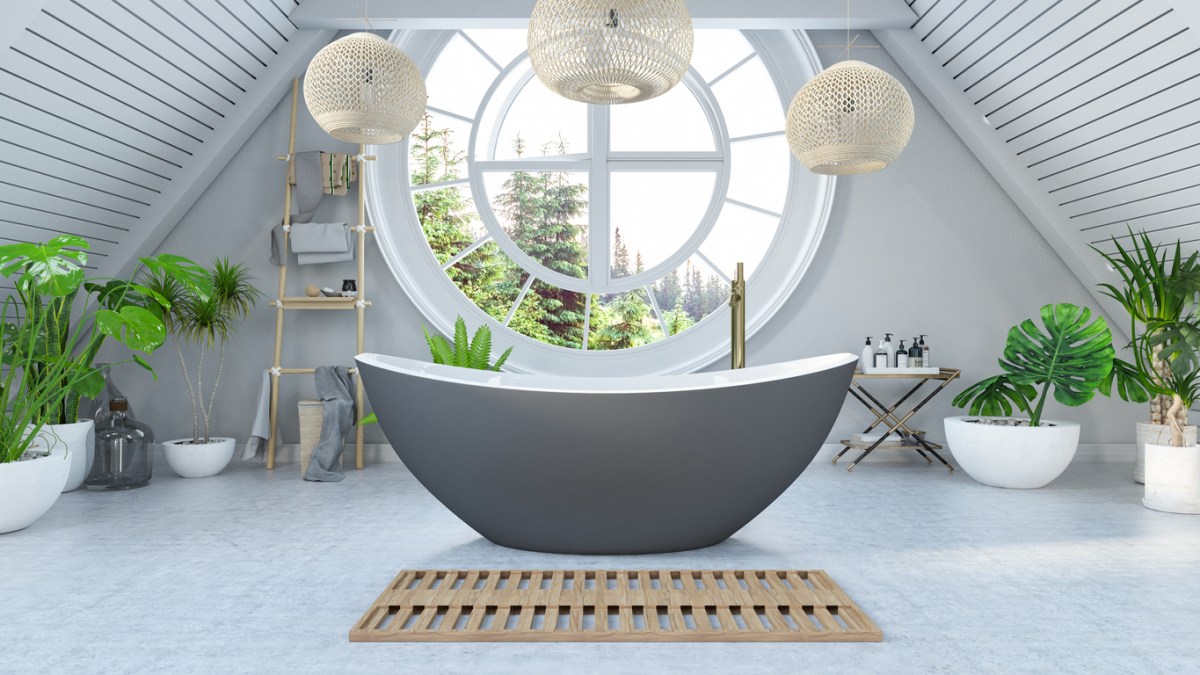
Few home design debates can divide a dinner party faster than the bathtub question. Some people see a tub as a nonnegotiable household essential, right up there with a roof, a refrigerator, and a place to hide the holiday wrapping paper. Others look at a bathtub and see a large porcelain parking spot for shampoo bottles, laundry baskets, and one ambitious houseplant that never quite recovered.
So, does every home need a bathtub? The honest answer is wonderfully annoying: it depends. A bathtub can be a smart choice for families, resale value, pets, relaxation, and flexibility. A walk-in shower can be better for accessibility, space, daily convenience, and modern bathroom design. The right decision depends on who lives in the home, who might buy it later, how many bathrooms the house has, and whether the existing tub is charming or just quietly judging everyone from behind a stained shower curtain.
This guide breaks down the bathtub vs. shower debate in a practical, real-world way so homeowners can make a confident decision before swinging a sledgehammer or ordering a freestanding tub big enough to qualify as a small boat.
Why Bathtubs Still Matter in Modern Homes
Bathtubs may not be the daily default for every homeowner, but they remain surprisingly useful. The biggest reason is flexibility. A tub can function as a soaking space, a child-friendly bath zone, a pet-washing station, a laundry-soaking basin, and sometimes a temporary storage area during chaotic remodeling projects. A shower is excellent at one thing: showering. A tub is less specialized, which is exactly why many people still want one.
For households with young children, a bathtub is often the easiest option. Bathing a toddler in a shower can feel like trying to rinse a slippery seal while negotiating with a tiny CEO. A standard alcove tub provides containment, comfort, and convenience. Parents, grandparents, and caregivers often see at least one bathtub as a practical feature rather than a luxury.
Bathtubs also support the “home as sanctuary” trend. Many homeowners now want bathrooms that feel calm, warm, and spa-like. A soaking tub, especially when paired with soft lighting, natural materials, and clutter-free storage, can turn a bathroom from a purely functional space into a personal recharge zone. Not everyone has time for a long soak, of course, but the idea is powerful: a tub suggests comfort, even when Monday morning says otherwise.
Why Walk-In Showers Are Winning Fans
Walk-in showers have earned their popularity. They are efficient, stylish, and often easier to use than tubs. In many remodeling projects, homeowners are enlarging showers, lowering thresholds, adding benches, choosing handheld showerheads, and creating open wet-room layouts. The modern shower is no longer a sad little stall with a mystery drain. It can be spacious, bright, elegant, and wonderfully low-maintenance.
Accessibility is one of the strongest arguments for replacing a tub with a shower. Stepping over a tub wall can be difficult for older adults, people with mobility challenges, or anyone recovering from surgery or injury. A curbless or low-curb shower with grab bars, a bench, slip-resistant flooring, and good lighting can make the bathroom safer and more comfortable for long-term living.
Showers also make sense in smaller bathrooms. A bathtub can dominate a compact room, leaving little space for storage, movement, or a vanity that does not require gymnastic flexibility. Replacing an underused tub with a walk-in shower can make the bathroom feel larger, cleaner, and more modern. For homeowners who never take baths, this can be the design equivalent of finally deleting 6,000 unread emails.
The Resale Question: Will Removing a Bathtub Hurt Home Value?
This is where the debate gets spicy. Real estate professionals often advise homeowners to keep at least one bathtub in the house if possible. The reason is simple: a home with no bathtub may turn away certain buyers, especially families with young children. A house with one tub and one great shower can appeal to more people than a house with showers only.
That does not mean every bathroom needs a tub. In many homes, the best compromise is to keep a bathtub in a secondary bathroom and upgrade the primary bathroom with a large walk-in shower. This gives future buyers options. Parents can bathe kids in the hall bath, while adults can enjoy a more open, accessible shower in the primary suite. Everyone wins, and no one has to defend a giant jetted tub from 1998 that has not been used since flip phones roamed the Earth.
However, resale value is local. In a family-heavy suburban neighborhood, removing the only tub may be risky. In a downtown condo marketed to young professionals or empty nesters, a sleek shower may be more appealing than a cramped tub-shower combo. Homeowners should consider the likely buyer, the price point, the number of bathrooms, and the local market before making a permanent change.
When a Home Really Should Have a Bathtub
1. The Home Has Only One Full Bathroom
If a house has one full bathroom, removing the only tub can narrow the buyer pool. A shower-only bathroom may work beautifully for the current owner, but future buyers may wonder where they will bathe a child, soak a dog, or relax after a long day. In one-bath homes, keeping a tub-shower combo is often the safest and most flexible choice.
2. The Home Is in a Family-Oriented Neighborhood
If the area attracts families, a bathtub can be a quiet but meaningful selling point. Buyers with babies, toddlers, or visiting grandchildren often look for at least one tub. Even if the rest of the home is beautifully updated, the lack of a bathtub can become an objection during showings.
3. The Existing Tub Is Attractive and Functional
Not every tub is a problem. A clean alcove tub, a restored cast-iron tub, or a comfortable soaking tub can add charm and value. If the tub is in good shape and the bathroom layout works, replacing it just because showers are trendy may be unnecessary. Trends change; a useful bathroom rarely goes out of style.
4. The Bathroom Has Enough Space
In larger bathrooms, a separate tub and shower can create a luxury feel. A freestanding tub can serve as a visual centerpiece, especially in a primary bathroom with good natural light. The key is proportion. A beautiful tub should feel intentional, not like someone dropped a cruise ship into a powder room.
When a Shower-Only Bathroom Makes More Sense
1. The Tub Is Never Used
If a bathtub sits untouched year after year, it may be wasting valuable space. Some homeowners use their tubs only to store extra towels or to give the dog a deeply dramatic bath twice a year. If daily life revolves around quick showers, a walk-in shower may offer more comfort and better function.
2. Accessibility Is a Priority
A low-threshold or curbless shower can be a smart upgrade for aging in place. Features like grab bars, built-in seating, handheld showerheads, and slip-resistant surfaces can make bathing easier and safer. A traditional tub may become harder to use over time, especially in homes where long-term independence matters.
3. The Bathroom Is Small
Small bathrooms need every inch to work hard. Replacing a bulky tub with a glass-enclosed shower can improve flow, sightlines, and storage opportunities. A shower can make a compact bathroom feel more open, especially when paired with lighter finishes, recessed niches, and smart lighting.
4. There Is Another Tub Elsewhere
If the home already has a bathtub in another bathroom, converting one tub to a shower is usually less risky. This is one of the most practical remodeling strategies: keep one tub for flexibility, then design the other bathroom around comfort, accessibility, and daily routines.
Cost Considerations: Tub, Shower, or Combo?
Bathroom remodeling costs can vary widely depending on materials, labor, plumbing changes, tile work, waterproofing, and local rates. Replacing a tub with a similar tub is often less complicated than moving plumbing or building a custom shower. A basic tub-shower combo may be budget-friendly, while a high-end wet room, steam shower, or freestanding tub installation can climb quickly.
The most expensive choice is usually not the tub or shower itself; it is everything around it. Waterproofing, tile, wall repair, flooring, glass doors, plumbing adjustments, ventilation, and permits can all affect the final price. This is why homeowners should price the full project rather than comparing only the fixture. A bargain tub surrounded by costly tile work is no longer a bargain. It is just a tub wearing a very expensive outfit.
For homeowners on a budget, refinishing an existing tub may be worth considering if the tub is structurally sound but cosmetically tired. Reglazing can refresh the surface for less than full replacement. However, if there are leaks, major cracks, hidden water damage, or layout problems, replacement may be the better long-term investment.
Water Use and Everyday Efficiency
Showers are often seen as the water-saving choice, and in many cases they are. A short shower with an efficient showerhead generally uses less water than filling a bathtub. However, shower length matters. A quick five-minute rinse is very different from a twenty-minute “thinking about life choices” shower. Efficient fixtures, good habits, and proper maintenance all play a role.
Bathtubs use a set amount of water depending on their size and fill level. Large soaking tubs can require significantly more water than standard tubs, especially if users fill them deeply. That does not mean tubs are wasteful by default, but it does mean homeowners should think honestly about how often they bathe and whether the tub size matches their lifestyle.
Design Trends: Are Bathtubs Outdated?
Bathtubs are not outdated, but their role is changing. The old formula of “large primary bathroom equals giant tub” is no longer automatic. Many homeowners now prefer oversized showers, wet rooms, double vanities, better storage, and finishes that are easier to clean. The bathtub has moved from default feature to intentional feature.
That shift is good news. It means a tub should earn its place. A thoughtfully chosen soaking tub can still feel luxurious and timeless. A cramped, unused, hard-to-clean tub may not. In modern bathroom design, the best layouts reflect real habits rather than outdated assumptions. A bathroom should serve the people who live there, not a checklist from a house-flipping show filmed during the beige tile era.
The Best Compromise: Keep One Tub, Upgrade the Rest
For many homes, the smartest answer is not “all tubs” or “no tubs.” It is “one good tub.” Keeping at least one bathtub preserves flexibility for families, guests, pets, and resale. Meanwhile, other bathrooms can be designed around showers, accessibility, and personal comfort.
This approach is especially strong in homes with two or more full bathrooms. A secondary bathroom can keep a practical tub-shower combo, while the primary bathroom becomes a more spacious shower-focused retreat. This setup gives homeowners modern convenience today and broader market appeal tomorrow.
Practical Decision Checklist
Before removing a bathtub, homeowners should ask a few clear questions:
- Is this the only bathtub in the home?
- Do children, pets, or guests regularly need a tub?
- Is the home likely to attract families when sold?
- Would a walk-in shower improve safety or accessibility?
- Is the bathroom too small for the current tub?
- Will the remodel improve daily life enough to justify the cost?
- Could refinishing or updating the tub solve the problem instead of removing it?
If the answer to “Is this the only tub?” is yes, think carefully before removing it. If the answer is no, a shower conversion may be a very reasonable upgrade.
Experience-Based Notes: What Homeowners Often Learn After the Remodel
One of the most common experiences homeowners report after replacing a tub with a shower is surprise at how much larger the bathroom feels. The change is not always about square footage. Sometimes it is about visual space. A glass shower door, lighter tile, and a lower threshold can make a once-cramped bathroom feel calmer and more open. People often say they wish they had done it sooner, especially when the old tub was rarely used.
On the other hand, some homeowners discover that removing the only bathtub creates unexpected inconvenience. A visiting relative brings a toddler. The family dog rolls in something suspiciously organic. Someone wants to soak sore muscles after a long weekend of yard work. Suddenly, the missing tub becomes the star of the household complaint department. This does not happen to everyone, but it happens often enough to take seriously.
Another real-world lesson: maintenance matters. A beautiful freestanding tub can look stunning in photos, but it needs enough clearance for cleaning around the base. A large glass shower can feel luxurious, but glass doors require regular wiping if the home has hard water. A tiled shower niche is convenient, but poor waterproofing can cause expensive problems. The best bathroom is not just beautiful on installation day; it is livable on a random Tuesday six years later.
Families often find that the best bathroom setup changes over time. When children are small, a tub feels essential. When those children become teenagers, the same tub may sit unused while everyone fights over the shower. Later, homeowners may care more about accessibility, easy cleaning, and safe entry. This is why flexible design is so valuable. A tub-shower combo in one bathroom and a walk-in shower in another can support many life stages without forcing a major remodel every decade.
Home sellers also learn that buyers are not all looking for the same thing. Some buyers walk into a primary bathroom with a big soaking tub and picture candles, quiet, and a locked door. Others see the same tub and think, “Great, a dust bowl with plumbing.” The safest resale strategy is usually to avoid extremes. A home with no bathtub may feel too limited for some buyers. A home with multiple oversized tubs and tiny showers may feel outdated. Balance tends to age better than bold assumptions.
Contractors and designers often recommend thinking about the bathroom as a daily-use space first and a resale asset second. That is smart advice. If a homeowner plans to stay for many years, the bathroom should support real routines. If a walk-in shower makes mornings easier, improves safety, and reduces cleaning headaches, that value is real even if it does not show up perfectly on an appraisal. A home is not only an investment; it is also where people brush their teeth while half-awake and wonder why towels never stay folded.
The best personal experience many homeowners can aim for is confidence. Keep a tub where it genuinely adds function. Remove one where it blocks better living. Upgrade fixtures, improve lighting, add storage, and make the room easier to clean. Whether the final answer is tub, shower, or both, the goal is the same: a bathroom that works beautifully without creating future regret.
Conclusion: So, Does Every Home Need a Bathtub?
Every home does not need a bathtub in every bathroom. But many homes benefit from having at least one. A bathtub still matters for families, resale flexibility, soaking, pets, and general household usefulness. A walk-in shower, meanwhile, may be the better choice for accessibility, space, style, and daily convenience.
The strongest answer is practical, not emotional: keep at least one bathtub if your home has room for it, especially if it is the only tub or the home is likely to attract families. If you already have another tub, converting an unused one into a beautiful walk-in shower can be a smart, modern upgrade. In the great bathtub debate, the winner is not the tub or the shower. The winner is the bathroom that fits your life, your home, and your future buyer without making anyone climb over a porcelain wall before coffee.