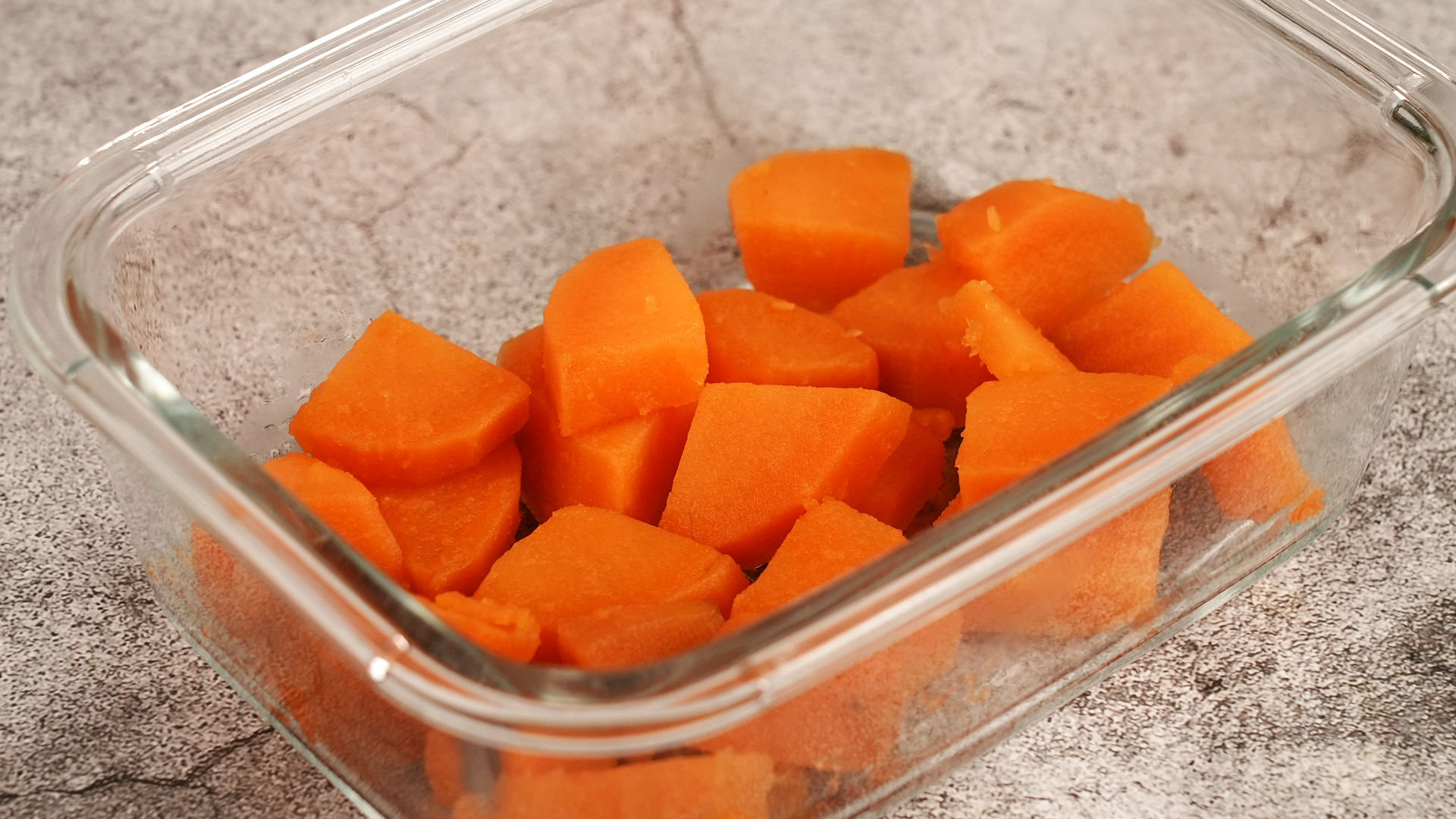
Cutting sweet potatoes ahead of time feels like a tiny kitchen victory. You chop once, clean the cutting board once, and later your future self gets to waltz into the kitchen like a meal-prep genius. But sweet potatoes are not quite as carefree as they look. Once peeled, sliced, diced, or cooked, they need the right storage method to keep their flavor, texture, color, and food safety in good shape.
The good news? Learning how to store cut sweet potatoes is simple once you know the three best methods: keep raw cut sweet potatoes in cold water for short-term prep, refrigerate cooked cut sweet potatoes for quick meals, or freeze cooked sweet potatoes for longer storage. Each method has a purpose, and choosing the right one can save you money, reduce food waste, and protect your dinner from becoming a sad orange science project.
This guide breaks down the practical, food-safe ways to store peeled sweet potatoes, sliced sweet potatoes, cubed sweet potatoes, and cooked sweet potatoes. You will also learn what not to do, how to spot spoilage, and how to make your meal prep taste like you planned itnot like you forgot it behind the almond milk.
Why Cut Sweet Potatoes Need Special Storage
Whole raw sweet potatoes are best stored in a cool, dry, dark, well-ventilated place such as a pantry, cabinet, or basement. Refrigerating whole uncooked sweet potatoes is usually not recommended because cold refrigerator temperatures can affect their texture and flavor, sometimes creating hard centers or off-flavors. But once a sweet potato is cut, the rules change.
Cutting exposes the flesh to air, moisture loss, and microorganisms from hands, knives, cutting boards, and the environment. That bright orange interior can dry out, brown, become slimy, or pick up refrigerator odors if it is not stored correctly. Cut sweet potatoes also lose their natural protective skin, which is basically their tiny edible security guard.
That is why storage depends on whether the sweet potato is raw or cooked, and how soon you plan to use it. Raw cut sweet potatoes are best for short-term meal prep. Cooked cut sweet potatoes are better for several days of refrigerated meals. Cooked and properly packed sweet potatoes are best for freezing.
Method 1: Store Raw Cut Sweet Potatoes in Cold Water
This is the best method when you want to peel and cut sweet potatoes ahead for tomorrow’s dinner, holiday cooking, sheet-pan meals, breakfast hash, fries, or soup. Raw cut sweet potatoes can dry out and discolor quickly when exposed to air. Submerging them in cold water slows that process and helps them stay firm until cooking time.
Best for:
Peeled sweet potatoes, cubed sweet potatoes, sliced sweet potatoes, wedges, fries, and chunks you plan to cook within about 24 hours.
How to do it:
- Wash the whole sweet potatoes under cool running water before peeling or cutting.
- Scrub the skin gently with a clean vegetable brush to remove dirt.
- Peel if desired, then cut into even pieces.
- Place the cut sweet potatoes in a clean bowl or food-safe container.
- Cover completely with cold water.
- Seal or cover the container and place it in the refrigerator.
- Use within 24 hours for the best flavor, texture, and safety.
Before cooking, drain the sweet potatoes well and pat them dry with a clean towel or paper towel. This step matters, especially if you plan to roast, air-fry, or pan-sear them. Wet sweet potatoes steam instead of crisping, and nobody signed up for limp orange fries wearing a moisture jacket.
Why cold water works
Cold water protects the exposed flesh from air, which helps reduce browning and drying. Refrigeration slows microbial growth. Together, they buy you a short window of convenience. This method is not meant for several days of storage. Raw cut sweet potatoes sitting in water too long can become waterlogged, lose flavor, and develop an unpleasant texture.
Important tips for raw cut sweet potatoes
Use a container with enough room so every piece stays submerged. If pieces float above the waterline, they may discolor or dry out. Change the water if it looks cloudy, but do not treat water storage as a long-term solution. If the sweet potatoes smell sour, feel slimy, or look unusually dark and mushy, throw them out.
Also, keep the container in the refrigerator at 40°F or below. Do not leave raw cut sweet potatoes on the counter for hours while you “circle back later.” The kitchen counter is where good intentions go to lose a food-safety argument.
Method 2: Store Cooked Cut Sweet Potatoes in the Refrigerator
If you have already roasted, boiled, steamed, microwaved, or sautéed your sweet potatoes, refrigeration is the easiest storage method. Cooked cut sweet potatoes are excellent for quick lunches, grain bowls, tacos, salads, soups, omelets, and side dishes. They are also easier to reheat than raw pre-cut pieces because most of the work is already done.
Best for:
Roasted cubes, baked sweet potato halves, boiled chunks, steamed slices, mashed sweet potatoes, and leftover sweet potato fries that you plan to eat within a few days.
How to do it:
- Cook the sweet potatoes until tender.
- Cool them quickly, ideally in shallow portions rather than one huge hot mountain.
- Transfer them to an airtight container.
- Label the container with the date.
- Refrigerate at 40°F or below.
- Use within 3 to 5 days for best quality.
The airtight container is not optional decoration. It helps prevent moisture loss, keeps refrigerator odors away, and reduces the chance of contamination. Sweet potatoes are delicious. Sweet potatoes that taste faintly like last night’s onion leftovers are less charming.
Cool before sealing
Hot food should not sit out for long, but sealing very hot sweet potatoes in a deep container can trap steam and create excess condensation. That condensation can make roasted sweet potatoes soggy and shorten quality. A better approach is to spread cooked pieces in a shallow container, let them stop steaming, then seal and refrigerate promptly.
As a general food-safety rule, cooked perishable foods should not remain at room temperature for more than two hours. If the room is very hot, that window gets shorter. When in doubt, refrigerate sooner rather than later.
How to reheat refrigerated cooked sweet potatoes
For crispy roasted cubes or wedges, reheat in an oven or air fryer until hot. For softer pieces, use the microwave with a loose cover to prevent drying. For mashed sweet potatoes, stir in a splash of milk, broth, or water before reheating to bring back creaminess.
Do not reheat the same container over and over. Take out only the portion you need, then return the rest to the refrigerator. Repeated warming and cooling can hurt quality and safety. Think of your leftovers as VIP guests: invite them out once, serve them well, and do not keep dragging them back and forth through the temperature danger zone.
Method 3: Freeze Cooked Cut Sweet Potatoes for Long-Term Storage
Freezing is the best method when you have more cut sweet potatoes than you can use in a few days. The key word is cooked. Raw sweet potatoes do not freeze beautifully because their texture can become unpleasant once thawed. For better results, cook them until almost tender or fully cooked before freezing.
Best for:
Cooked slices, cubes, halves, mashed sweet potatoes, roasted sweet potatoes, boiled sweet potato chunks, and meal-prep portions for soups, casseroles, smoothies, baby food, muffins, quick breads, and side dishes.
How to freeze cooked cut sweet potatoes:
- Wash, peel if desired, and cut the sweet potatoes.
- Cook until almost tender or fully tender, depending on how you plan to use them later.
- Cool completely.
- For slices or cubes, spread pieces on a parchment-lined baking sheet and freeze until firm.
- Transfer frozen pieces to freezer bags or airtight freezer-safe containers.
- Press out extra air, seal tightly, label with the date, and freeze at 0°F or below.
Freezing pieces on a tray first keeps them from clumping into one giant sweet potato brick. This is especially helpful if you want to grab one cup at a time for soups, bowls, breakfast hash, or quick side dishes.
How long do frozen cut sweet potatoes last?
Frozen foods kept continuously at 0°F remain safe for a long time, but quality changes over time. For best flavor and texture, use frozen cooked sweet potatoes within about 10 to 12 months. They may still be safe after that if kept properly frozen, but freezer burn can make them dry, dull, and less exciting than a Monday morning meeting.
Preventing discoloration
Sweet potatoes can darken after cooking or freezing. A small amount of lemon juice or orange juice can help preserve color, especially for mashed sweet potatoes. For slices, a brief dip in lemon-water before packing can also help reduce darkening. Do not overdo the citrus unless you want your sweet potatoes to taste like they accidentally joined a lemonade stand.
How to thaw and use frozen sweet potatoes
For soups, stews, and casseroles, you can often add frozen sweet potato cubes directly to the dish. For mashed sweet potatoes, thaw overnight in the refrigerator and reheat gently, stirring to restore texture. For roasted pieces, reheat from frozen in a hot oven or air fryer for the best chance of bringing back browned edges.
Never thaw frozen sweet potatoes on the counter for hours. Thaw in the refrigerator, in a microwave if cooking immediately, or directly in a hot dish. Safe thawing is not glamorous, but neither is food poisoning.
Quick Comparison: Which Storage Method Should You Choose?
| Storage Method | Best For | Storage Time | Key Tip |
|---|---|---|---|
| Raw cut in cold water | Meal prep for next-day cooking | Use within 24 hours | Keep fully submerged and refrigerated |
| Cooked cut in refrigerator | Leftovers and weekly meals | About 3 to 5 days | Use airtight shallow containers |
| Cooked cut in freezer | Long-term storage | Best within 10 to 12 months | Cook first, cool, label, and freeze tightly sealed |
Common Mistakes When Storing Cut Sweet Potatoes
Mistake 1: Refrigerating whole raw sweet potatoes
Whole raw sweet potatoes prefer a cool, dry, dark pantry-style environment. The refrigerator is too cold for long-term raw storage and can hurt flavor and texture. The exception is when the sweet potato has already been cut. Cut raw sweet potatoes need refrigeration because the protective skin is gone.
Mistake 2: Leaving cut sweet potatoes uncovered
Uncovered cut sweet potatoes dry out fast. Raw pieces can discolor, and cooked pieces can become tough or absorb fridge smells. Always use water for raw short-term storage or airtight containers for cooked storage.
Mistake 3: Freezing raw sweet potato chunks
Technically, you can put almost anything in a freezer. Whether it comes out delicious is another matter. Raw sweet potatoes tend to suffer in texture after freezing and thawing. Cook them first for better results.
Mistake 4: Forgetting to label containers
Every container looks obvious on day one. By day four, your fridge becomes a mystery museum. Labeling with the date prevents guesswork and helps you use older food first.
Mistake 5: Trusting smell alone
Some spoiled foods smell terrible, but not every food-safety issue announces itself with a dramatic odor. Check time, temperature, texture, and appearance. If cut sweet potatoes are slimy, moldy, sour-smelling, mushy, or questionable, discard them.
How to Tell If Cut Sweet Potatoes Have Gone Bad
Fresh cut sweet potatoes should feel firm and smell mild. Some light surface discoloration may happen, especially with raw pieces, but major darkening, sliminess, mold, or sour odor means it is time to toss them. Cooked sweet potatoes that develop a sticky coating, unpleasant smell, fuzzy mold, or unusual bubbling should not be eaten.
Texture is one of the easiest clues. Raw pieces should not feel slippery or mushy. Cooked pieces should not look watery, stringy, or fermented. If you open the container and your first reaction is “hmm,” that is not a culinary endorsement. It is your survival instinct wearing an apron.
Practical Examples for Everyday Meal Prep
For roasted sweet potato cubes
Peel and cube the sweet potatoes the night before. Store them in cold water in the refrigerator. The next day, drain and dry them thoroughly, then toss with oil, salt, pepper, garlic powder, smoked paprika, or cinnamon depending on your mood. Roast until browned and tender.
For sweet potato fries
Cut fries up to 24 hours ahead and store them in cold water. Dry very well before cooking. A dry surface helps oil and seasonings stick and improves browning. For crispier fries, avoid crowding the pan.
For lunch bowls
Roast sweet potato cubes on Sunday, cool them, and refrigerate in airtight containers. Add them during the week to quinoa bowls, black bean bowls, chicken salads, turkey wraps, or scrambled eggs. They bring sweetness, color, fiber, and the quiet confidence of a person who actually meal-prepped.
For soups and stews
Freeze cooked sweet potato chunks in one- or two-cup portions. Add them to chili, lentil soup, curry, or vegetable stew. They thicken broth naturally and add a cozy sweetness without needing much extra effort.
Extra Experience: What I Learned from Storing Cut Sweet Potatoes in Real Kitchens
The first thing experience teaches you about storing cut sweet potatoes is that timing matters more than ambition. It is tempting to peel and chop an enormous pile on Sunday because you are feeling organized, hydrated, and possibly influenced by a meal-prep video with perfect lighting. But raw cut sweet potatoes are not designed to sit around for half the week. When stored in water, they are best treated as next-day ingredients. If you cut them on Sunday, plan to cook them Monday. Otherwise, cook them first and refrigerate or freeze them.
Another lesson: size consistency makes storage and cooking easier. If half your cubes are tiny and the other half look like orange doorstops, they will not cook evenly. Small cubes are great for breakfast hash, tacos, soups, and fast roasting. Larger wedges work better for oven fries and hearty side dishes. When pieces are similar in size, they cool more evenly, freeze more predictably, and reheat without turning half the batch into mush.
For raw storage, I have found that a tall container is often better than a wide bowl if refrigerator space is tight. Add the cut pieces, cover with cold water, snap on a lid, and place the container toward the back of the fridge where the temperature is more stable. Avoid storing it in the refrigerator door, where temperatures fluctuate every time someone opens the fridge to stare inside and wonder if snacks have magically appeared.
For cooked storage, shallow containers are the quiet heroes. A deep bowl of hot roasted sweet potatoes takes longer to cool and often traps steam, making the pieces soft. Spreading them out first helps preserve texture. Once cooled, they can be packed more tightly. If you want roasted cubes to stay as pleasant as possible, let them cool uncovered for a short time, then seal and refrigerate. When reheating, use an oven or air fryer instead of the microwave if crisp edges matter to you.
Freezing works best when you think about future portions. Instead of freezing one huge bag, divide sweet potatoes into amounts you actually use. One cup is handy for smoothies, muffins, pancakes, and baby food. Two cups are useful for soups, casseroles, and family side dishes. Flatten freezer bags before freezing so they stack neatly and thaw faster. Label everything with the date and form, such as “roasted cubes,” “mashed,” or “boiled chunks.” Future you will be grateful, because frozen orange foods can look surprisingly similar at 7 p.m. on a Tuesday.
One more practical tip: season lightly before freezing, or freeze plain. Strong spices can intensify, fade, or taste slightly different after freezing and reheating. Plain cooked sweet potatoes are more flexible. You can turn them sweet with cinnamon and maple, savory with garlic and chili powder, creamy with butter, or bold with curry paste. A neutral freezer stash gives you options, and options are what separate dinner from panic.
Finally, trust your senses but respect the calendar. If refrigerated cooked sweet potatoes are several days old, use them soon. If raw cut sweet potatoes have been sitting in water longer than a day, do not try to rescue them with optimism and extra seasoning. Good storage is partly technique and partly honesty. Sweet potatoes are affordable, nutritious, and forgiving, but they are still food. Treat them well, keep them cold when cut or cooked, and they will reward you with easy meals instead of fridge drama.
Conclusion
Storing cut sweet potatoes is easy when you match the method to your plan. For short-term meal prep, keep raw cut sweet potatoes fully submerged in cold water in the refrigerator and use them within 24 hours. For ready-to-eat leftovers, cool cooked sweet potatoes quickly, seal them in airtight containers, and refrigerate for 3 to 5 days. For longer storage, cook sweet potatoes first, cool them completely, pack them well, label them, and freeze them for future meals.
The main takeaway is simple: whole raw sweet potatoes like cool, dark, dry pantry storage, but cut sweet potatoes need more protection. Water helps raw pieces survive until tomorrow. Airtight containers protect cooked leftovers. Freezing cooked portions gives you a long-term stash for soups, bowls, casseroles, and busy nights when dinner needs to appear before everyone starts negotiating with cereal.
With these three storage methods, you can prep smarter, waste less, and keep sweet potatoes tasting sweet, creamy, and ready for whatever recipe comes next.