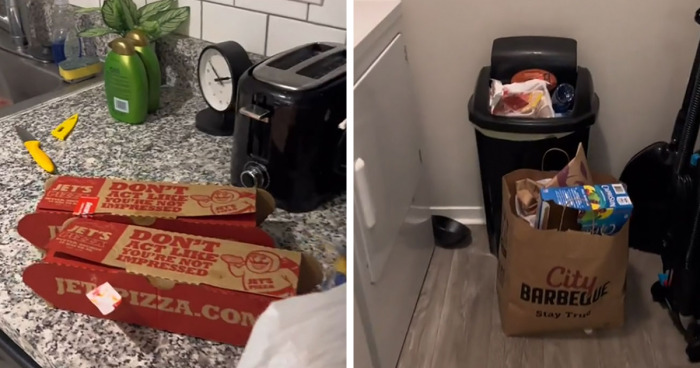
There are few modern travel debates more emotionally charged than the Airbnb cleaning-fee argument. One person sees a pile of dishes and thinks, “Wow, how rude.” Another sees a cleaning fee on the receipt and thinks, “Wow, I apparently booked a vacation rental and a part-time job.” Add a screenshot, a frustrated post, and a comment section armed with pitchfork emojis, and suddenly an ordinary checkout dispute becomes a public trial.
That is the basic tension behind stories in which an Airbnb host complains that a guest failed to clean up after themselves, only to get roasted online. The host may genuinely feel disrespected. The guest may genuinely believe they paid for professional turnover cleaning. Both can be partially right, but public opinion usually swings toward the guest when the host appears to expect hotel-level payment and roommate-level labor at the same time.
The lesson is not that guests should leave rental homes looking like a raccoon hosted a birthday party. It is that hosts, guests, and platforms need a clearer understanding of where “basic courtesy” ends and “unpaid housekeeping shift” begins.
Why the Airbnb Host Got Destroyed Online
When a host publicly complains about a guest not cleaning an apartment, people immediately ask one question: Was there a cleaning fee? That little line item changes the emotional math faster than a surprise fee changes a checkout total.
Guests generally understand that they should not destroy a property, leave spoiled food everywhere, stain carpets, smoke indoors, or abandon an Everest-sized mountain of trash. Those are not harmless vacation leftovers. They can create extra work, delays, damage, odors, pest problems, and serious headaches for cleaners and future guests.
But ordinary post-stay mess is different. Used towels, a few dishes, crumbs on the counter, bedding that needs laundering, and floors that need vacuuming are normal parts of running a short-term rental. A guest who pays a cleaning fee may reasonably assume that the fee helps cover those standard turnover tasks.
That is why online audiences often turn against a host who expects guests to scrub bathrooms, wash and fold linens, vacuum every room, mop floors, clean appliances, and still pay a cleaning fee. To many travelers, that arrangement feels less like hospitality and more like being charged admission to a chore chart.
The Cleaning Fee Creates an Expectation
A cleaning fee is not automatically evil. Professional cleaners deserve fair pay, and larger homes can require substantial work between reservations. Laundry, sanitizing high-touch surfaces, changing sheets, replenishing supplies, checking for damage, taking out trash, and preparing the home for the next arrival all take time.
The problem begins when the fee is presented as a cleaning charge but the guest is expected to do most of the cleaning anyway. Travelers do not usually object to simple exit steps such as locking the door, turning off lights, putting trash in the designated bin, or avoiding a refrigerator science experiment. They object when checkout instructions resemble an employee handbook written by someone who just discovered bullet points.
Public backlash is especially intense when the host posts photos of ordinary signs that humans stayed in a home: unmade beds, towels in a bathroom, several glasses in the sink, or a dishwasher that needs to run. Those images may feel shocking to a host under pressure to prepare the unit quickly, but commenters often see them as proof that the host confused normal turnover work with guest misconduct.
People Hate Feeling Double-Charged
Travelers have become highly sensitive to fees. They compare nightly rates, service charges, taxes, resort fees, parking costs, pet fees, and cleaning fees before deciding whether a vacation rental still makes financial sense. A low nightly rate can lose its charm when the final price arrives wearing a fake mustache and carrying a bag of extra charges.
That frustration explains why cleaning-fee disputes travel so quickly online. The argument is rarely just about a dirty plate. It is about whether a guest was asked to pay twice: once in money and again in labor.
What Airbnb Rules Say About Guest Mess and Host Cleaning
The most useful way to understand an Airbnb cleaning dispute is to separate standard cleaning from excessive cleaning. That line may sound obvious, but it gets blurry when a host is staring at a sticky countertop at 11:30 a.m. with another guest arriving at 3:00 p.m.
Guests Should Leave a Home in Reasonable Condition
Guests should treat a rental property with basic respect. That means throwing trash into appropriate receptacles, not leaving food to rot, reporting accidental damage, following house rules, and avoiding behavior that creates an unusually difficult cleanup.
A reasonable guest should not leave pet accidents untreated, stains on upholstery without warning the host, smoke odors in a nonsmoking unit, piles of garbage outside designated areas, or enough dirty cookware to supply a small cooking show. Those situations can go beyond normal turnover cleaning and create real extra costs.
Courtesy also matters. A quick rinse of dishes, gathering loose trash, and placing used towels where the host requests can make a cleaner’s job easier without turning checkout morning into a janitorial marathon. The goal is not perfection. The goal is to avoid leaving a mess that feels careless, unsafe, or excessive.
Hosts Are Still Responsible for Turnover Cleaning
Hosts, meanwhile, are responsible for providing a clean and safe place for the next guest. Fresh linens, wiped surfaces, vacuumed or swept floors, clean bathrooms, removed trash, and a generally hygienic space are not luxury upgrades. They are part of the basic product.
Hosts also need to plan for the reality that guests will use the apartment. People will sleep in beds. They will cook. They will shower. They will leave towels in bathrooms because towels have a strange habit of following people into bathrooms. That is not a scandal; it is the business model.
Good hosts build standard cleaning into their pricing strategy. They hire reliable cleaners, keep backup linens, allow enough time between reservations, and avoid relying on a departing guest to complete professional turnover work. A guest can help leave the space orderly, but the host should not design operations around the hope that every traveler secretly dreams of deep-cleaning a rental before catching a flight.
Checkout Instructions Should Be Clear and Reasonable
The best checkout instructions are short, visible before booking, and easy to complete. Guests should know in advance whether they are expected to take out trash, load the dishwasher, close windows, return keys, or place towels in a hamper.
Reasonable tasks are usually simple, fast, and connected to preventing damage or avoiding obvious problems. Turning off lights, locking doors, throwing away perishables, and placing trash in the proper bin are examples of ordinary requests.
Less reasonable tasks include stripping every bed, doing multiple loads of laundry, folding towels, vacuuming the entire home, mopping floors, cleaning bathrooms, washing windows, or performing a final inspection worthy of a luxury hotel manager with a clipboard. Those jobs belong in the turnover plan, especially when a cleaning fee is charged.
Why Social Media Sided With the Guest
Online audiences love a simple fairness test. In this case, the test is usually: “Would this expectation feel reasonable if I were the paying guest?” If the answer is no, the host is likely to get buried under comments about hotels, cleaners, and the ancient human right to leave a used towel on a bathroom floor.
The host’s tone matters, too. A host who calmly says, “The guest left unusual stains and food waste that required extra cleaning,” may receive sympathy. A host who sounds furious about a few dishes, a wrinkled bedspread, or a bag of trash may sound out of touch.
People understand that running a short-term rental is work. What they do not enjoy is hearing that the work is unbearable while being asked to pay for it and perform it. That is the contradiction that makes a host vulnerable to getting “destroyed online.”
There is also a broader cultural shift. Travelers are increasingly evaluating vacation rentals against hotels, especially for short stays. Hotels may offer less space and fewer kitchen amenities, but guests often appreciate knowing that they can leave without receiving a surprise list of laundry assignments.
The Cleaning Fee Problem Is Bigger Than One Messy Apartment
Cleaning fees became a major consumer complaint because they can make a listing look cheaper at first glance than it really is. A rental might appear affordable based on the nightly rate, then become much more expensive once service fees, taxes, and cleaning charges are added.
Airbnb has made efforts to improve price transparency and to make checkout expectations easier to review before booking. The broader travel industry has also faced pressure to disclose mandatory fees more clearly. In the United States, federal fee-transparency rules now require short-term lodging businesses to present known mandatory fees more clearly in total pricing.
That does not mean hosts cannot charge cleaning fees. It means travelers increasingly expect honesty, clarity, and a total price that does not ambush them near the finish line.
For hosts, the practical takeaway is simple: either charge a visible cleaning fee that covers normal turnover work, or build that cost into the nightly rate. Both approaches can work. The dangerous option is charging a noticeable fee while asking guests to complete a cleaning checklist long enough to require hydration breaks.
How Hosts Can Avoid Becoming the Villain of the Comment Section
1. Write a Short Checkout List
Keep checkout instructions to the essentials. Aim for a short list that protects the property and prevents obvious problems. Guests should be able to complete it in a few minutes, not spend the final morning wondering whether they need to earn a housekeeping certification.
2. Explain the Purpose of Each Request
A request feels more reasonable when guests understand why it exists. “Please place trash in the outdoor bin to prevent pests” is clearer and more persuasive than “Take out all trash or face consequences.” Small changes in wording can reduce resentment before it starts.
3. Charge Fairly and Transparently
Hosts should price cleaning according to the actual size of the property, the local cost of cleaners, laundry needs, turnover complexity, and the length of the stay. A studio apartment should not have a cleaning fee that makes guests wonder whether the cleaner arrives in a tuxedo with a string quartet.
4. Separate Normal Cleaning From Extra Damage
Hosts should treat ordinary post-stay cleaning as part of the business. Extra stains, smoke odors, pet accidents, unauthorized guests, property damage, or excessive trash may require documentation and appropriate follow-up. The distinction should be based on evidence, not irritation.
5. Do Not Shame Guests Online
Publicly posting a guest’s mess may feel satisfying for approximately seven minutes. After that, the host has to deal with the possibility that viewers will judge the situation differently. A private, factual message is usually smarter than turning a customer-service issue into a social-media bonfire.
How Guests Can Leave an Airbnb Without Creating Drama
Guests do not need to deep-clean a rental, but they should leave it in a reasonably respectful state. Read the checkout instructions before booking, not while racing to the airport. Take photos when arriving and leaving, especially if you notice preexisting stains, damage, or cleanliness concerns.
Do the small things that make sense: throw out perishables, place trash where requested, wash or load dishes if that is listed in the rules, return keys, and tell the host about accidental damage quickly. These steps protect both sides and reduce the chance of a dispute.
At the same time, guests should not feel pressured to perform unreasonable chores that were hidden until checkout. If a listing asks for extensive cleaning after charging a substantial cleaning fee, travelers can leave an honest review and use the platform’s reporting tools when appropriate.
Real-World Experiences: What Hosts and Guests Learn From Cleaning Disputes
Most Airbnb stays do not end in chaos, viral screenshots, or a debate over whether one cereal bowl counts as a biohazard. They end quietly: the guest checks out, the cleaner arrives, the towels disappear into the laundry, and everyone moves on with their lives. But the messy cases reveal useful lessons for both sides.
One common experience for hosts is discovering that “cleaner” does not mean “magician.” A cleaner can turn over a home efficiently when the work is predictable. They can replace linens, sanitize bathrooms, wipe counters, vacuum floors, and prepare the space for the next guest. But unexpected stains, extreme clutter, abandoned food, broken items, or a kitchen full of dirty cookware can turn a routine job into a time-consuming rescue mission.
Hosts who have been burned by truly careless guests often become strict because they are trying to protect their property and their cleaner’s schedule. That reaction is understandable. The mistake happens when a host responds to one nightmare stay by treating every future guest like a potential villain in a crime documentary.
Guests have their own version of this frustration. Many travelers have experienced checkout instructions that seemed harmless until they realized the list required several loads of laundry, stripped beds, a spotless kitchen, a full trash run, and a perfectly organized refrigerator. Suddenly the final morning of a vacation becomes a frantic contest between packing luggage and finding the correct recycling bin.
The most successful hosts often discover that simplifying checkout improves reviews. They ask guests to lock up, take personal belongings, dispose of obvious trash, and avoid leaving anything that could attract pests. Then they let their cleaning team handle the professional turnover. Guests feel respected, cleaners have a predictable process, and the host avoids becoming the subject of a furious travel thread.
Another lesson is that communication beats assumptions. A guest may not realize that a trash bin is located behind the building. A host may not realize that the dishwasher is broken or that the guest checked out at dawn because of an emergency flight. A quick message can turn a suspicious situation into an understandable one.
Photos also matter, but they should be used responsibly. Guests should photograph the condition of a rental when they arrive, especially if they notice damage, stains, or cleanliness problems. Hosts should document genuine excessive mess or damage before cleaning begins. Evidence helps keep disputes factual instead of emotional.
Experienced travelers also learn to compare the total cost, not just the nightly rate. A larger rental can be a great value for families or groups, especially when everyone shares the cost. For a one-night stay or a quick weekend trip, however, a high cleaning fee may make a hotel more attractive. The answer is not always “Airbnb bad” or “hotel boring.” It is simply a matter of comparing the full experience.
Finally, both hosts and guests benefit from remembering that the property is neither a hotel room nor a friend’s spare couch. It is a paid accommodation with shared expectations. Guests should not leave it filthy. Hosts should not expect guests to perform a free turnover shift. When both sides respect that balance, the checkout process becomes wonderfully uneventfulwhich, in travel, is usually the highest compliment possible.
Final Thoughts
The Airbnb host who gets blasted online for complaining about an uncleaned apartment is usually caught in a clash of expectations. The host sees extra work. The guest sees a paid cleaning fee. The internet sees a conflict and arrives with popcorn.
The fair middle ground is straightforward: guests should not leave excessive mess, damage, stains, spoiled food, or unsafe conditions behind. Hosts should not treat standard turnover cleaning as a guest obligation, especially after charging a cleaning fee. Clear rules, transparent pricing, fair expectations, and respectful communication can prevent most disputes before anyone reaches for a camera or opens a comment section.
In other words, leave the apartment reasonably tidy, charge honestly, clean professionally, and never make a vacationer feel like they accidentally enrolled in a housekeeping internship.