Too-tight cotton pants legs can turn a normal day into a lower-body negotiation. The good news: with warm water, gentle stretching, steam, and a little patience, you may be able to loosen cotton pants legs enough to make them wearable again.
Why Cotton Pants Legs Feel Tight in the First Place
Cotton is loved because it is breathable, soft, washable, and comfortable. Unfortunately, cotton can also be a tiny drama queen in the laundry room. When cotton fibers are exposed to heat, moisture, and agitation, they can contract. That is why cotton pants that fit perfectly last month may suddenly feel like they were designed for a stylish garden gnome.
The legs of cotton pants can feel tight for several reasons. They may have shrunk in the dryer, especially if dried on high heat. The fabric may have relaxed in one direction but tightened in another. The pants may also be cut narrow through the thigh, calf, or ankle. In some cases, the fabric is not pure cotton but a cotton blend with spandex, polyester, linen, or rayon, which changes how it responds to stretching.
Before you begin, check the care label. If the pants say “dry clean only,” have delicate trims, contain wool, or include structured tailoring, proceed carefully. For everyday cotton chinos, cotton joggers, denim, or casual cotton pants, the following methods are practical, affordable, and easy to try at home.
Before You Stretch: What You Need to Know
Set realistic expectations
Stretching cotton pants legs is not magic tailoring. You are not turning skinny pants into wide-leg trousers overnight. Most at-home stretching methods work best when you need a small improvement: a bit more comfort in the calves, thighs, knees, or ankle opening. Think “breathing room,” not “new wardrobe identity.”
Work slowly
Cotton fibers respond better to steady, gentle tension than aggressive pulling. Yanking on the fabric like you are starting a lawn mower can distort seams, twist legs, or create uneven areas. Gentle pressure, repeated gradually, gives better results.
Avoid high heat afterward
Once you stretch the pants, do not celebrate by throwing them into a hot dryer. High heat may undo your progress and shrink the fabric again. Air drying is your best friend here. Treat the dryer like an ex who texts “u up?”tempting, but probably not good for long-term peace.
Method 1: Stretch Cotton Pants Legs with Warm Water and Hand Pulling
This is the simplest method and often the safest first attempt. Warm water helps relax cotton fibers, making the fabric easier to reshape. This method works well for cotton pants that are slightly tight in the calves, thighs, or knees.
What you need
- A spray bottle or sink
- Lukewarm water
- A clean towel
- Flat surface
- Heavy books, jars, or cans
Step-by-step instructions
First, turn the pants inside out. This helps protect the color and finish. Lightly spray the tight leg areas with lukewarm water until the fabric is damp but not dripping. Focus on the specific zones that need more room, such as the calves, thighs, or knee area.
Lay the pants flat on a clean towel. Hold one side of the leg firmly and gently pull the opposite side outward. Use slow, even pressure. Stretch the fabric across the width if the legs are too narrow. If the pants shrank in length, gently pull from the hem downward while holding the upper leg steady.
After stretching, place heavy books or jars along the edges to hold the new shape while the fabric dries. Let the pants air dry completely. Do not use a hot dryer. If needed, repeat the process once more after the pants are dry.
Best for
This method is best for light to medium cotton pants, cotton chinos, casual trousers, and cotton-blend pants that need mild reshaping. It is also a good starting point before trying stronger methods.
Pro tip
Measure the pant leg before and after stretching. Use a measuring tape across the calf or thigh area so you know whether the method is working. Your eyes may lie. Measuring tape is annoyingly honest.
Method 2: Use Hair Conditioner or Fabric Softener to Relax the Fibers
If plain water does not do enough, try a lukewarm soak with a small amount of hair conditioner or fabric softener. The idea is simple: conditioner can make fibers more flexible, allowing you to reshape the pants while damp. This method is popular for unshrinking cotton clothes, though results vary depending on the fabric, weave, and amount of shrinkage.
What you need
- A sink, tub, or large basin
- Lukewarm water
- 1 to 2 tablespoons of gentle hair conditioner or fabric softener
- Clean towels
- Flat drying surface
- Weights such as books, jars, or cans
Step-by-step instructions
Fill a basin with lukewarm water. Add the conditioner or fabric softener and mix well. Submerge the cotton pants, especially the legs, and let them soak for about 15 to 30 minutes. Avoid using hot water because heat can encourage more shrinkage.
Remove the pants and gently squeeze out excess water. Do not twist or wring them. Wringing can distort the fabric and seams, and nobody wants pants with one leg shaped like a question mark.
Lay the pants on a towel and roll them up to remove additional moisture. Then lay them flat. While the pants are damp, gently stretch the tight leg areas by hand. Pull across the width for tight calves or thighs. Pull lengthwise if the legs became too short.
Use weights to hold the fabric in place while it dries. When dry, wash the pants again according to the care label to remove any conditioner residue, then air dry.
Best for
This method works best for cotton pants that shrank slightly after washing or drying. It may help restore some lost room in the legs, especially if the fabric is woven cotton rather than tightly structured denim.
Important warning
Do not overdo the conditioner. Too much can leave residue, attract dirt, or make the fabric feel limp. A little is enough. Your pants need a spa day, not a deep-conditioning hair commercial.
Method 3: Stretch Cotton Pants Legs with Steam and Movement
Steam is useful because it adds moisture and gentle heat without soaking the entire garment. It can relax tight areas and make cotton easier to reshape. This method is especially helpful when only one part of the pant leg feels tight, such as the calf, knee, or thigh.
What you need
- Garment steamer or steam iron
- Clean towel
- Optional: foam roller, rolled towel, or sturdy bottle
- Flat surface or hanger
Step-by-step instructions
Hang the pants or lay them flat. Apply steam to the tight areas for several seconds at a time. Keep the steamer moving so you do not overheat one spot. If using a steam iron, do not press down hard unless the care label allows ironing. Hold the iron slightly above the fabric and let the steam do the work.
Once the fabric is warm and slightly damp, gently stretch the pant leg by hand. For calves or thighs, place a rolled towel, foam roller, or smooth bottle inside the leg and let the fabric stretch around it. Leave it in place until the pants cool and dry.
You can also put the pants on while slightly damp and move around carefully. Do a few slow squats, lunges, or knee bends. This helps the fabric mold to your body. However, do not force movement if the pants feel painfully tight or seams are under stress.
Best for
This method is best for targeted stretching. It is useful for cotton denim, cotton twill, chinos, and pants that feel snug in specific spots rather than tight everywhere.
Pro tip
If the pants have spandex, be extra careful with heat. Too much heat can damage elasticity over time. Use gentle steam, not volcanic laundry energy.
Which Stretching Method Should You Choose?
If your cotton pants legs are only slightly tight, start with the warm water method. It is simple, low-risk, and requires almost no supplies. If the pants shrank after a laundry accident, try the conditioner soak. If the tightness is localized around the calves, knees, or thighs, use steam and targeted stretching.
For stubborn pants, you can combine methods. For example, use a conditioner soak, gently stretch the legs, air dry, and then use steam later for final shaping. The key is patience. Cotton can be coaxed, but it does not appreciate being bullied.
How to Stretch Specific Parts of Cotton Pants Legs
How to stretch the calves
Dampen the calf area with lukewarm water or steam. Insert a rolled towel, foam roller, or bottle into the leg. Choose something wide enough to create tension but not so wide that it strains the seam. Leave it in place until dry.
How to stretch the thighs
Thigh areas often need more room because they experience movement and friction. Dampen the upper leg area, then pull gently across the width. Wearing the pants while damp and doing slow squats may help, but stop if seams pull or the fabric feels strained.
How to stretch the knees
Knees usually need flexibility rather than width. Steam the knee area, bend the fabric gently, and stretch around a rolled towel. Avoid creating permanent knee bags by overstretching the front panel.
How to stretch the ankle opening
Dampen the hem and ankle area. Pull evenly around the opening. You can place a jar, bottle, or round container inside the ankle opening while it dries. Make sure both legs are stretched equally unless asymmetry is your fashion statement.
Common Mistakes to Avoid
Using hot water
Hot water can make cotton shrink more, especially if the fabric has not been preshrunk. Use lukewarm water instead.
Putting stretched pants in the dryer
The dryer can reverse your progress. Air dry the pants after stretching.
Pulling too hard near seams
Seams are less forgiving than fabric panels. Pulling too hard can break stitches or warp the leg shape.
Expecting permanent miracles
Stretching may not last forever. Cotton can tighten again after washing, especially if exposed to heat. Maintain the fit with gentle laundering.
Ignoring the fabric blend
Cotton-spandex pants need different care than 100% cotton pants. Stretch fibers can lose elasticity if overheated. Always check the label.
How to Keep Cotton Pants Legs from Shrinking Again
Once you have improved the fit, protect your progress. Wash cotton pants in cold or warm water, not hot. Use a gentle cycle when possible. Turn pants inside out before washing to protect color and surface texture. Avoid overloading the washer because crowded clothes experience more friction and twisting.
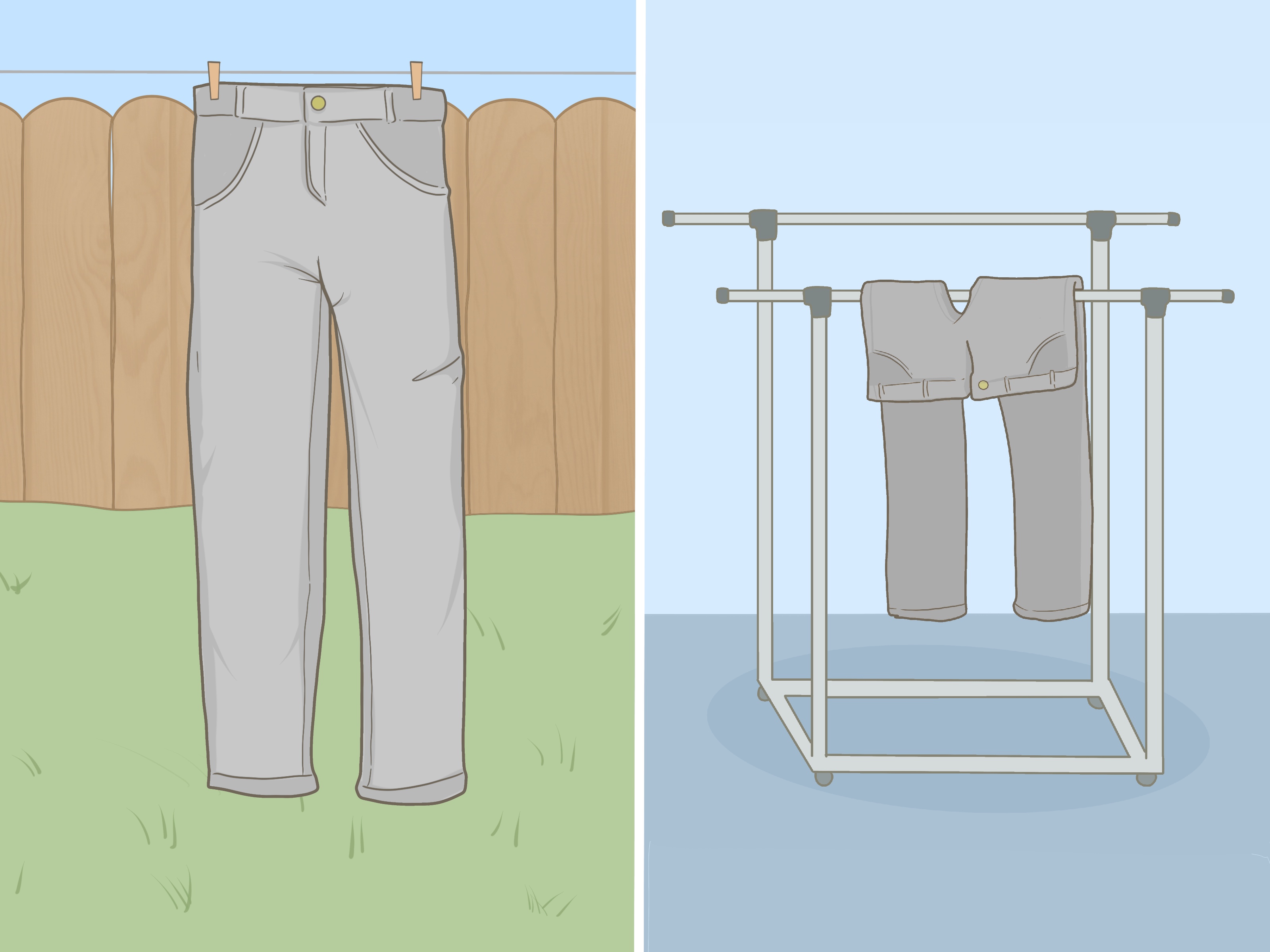
Air drying is the safest option. Lay the pants flat or hang them by the waistband. If you must use a dryer, choose low heat and remove the pants while slightly damp. Then reshape the legs by hand and let them finish drying naturally.
Also, avoid washing cotton pants after every short wear unless they are truly dirty. Overwashing can fade color, weaken fibers, and encourage shape changes. Spot clean when practical. Your pants do not need a full laundry ceremony every time you sit in a chair.
When Stretching Will Not Be Enough
Sometimes cotton pants legs are simply too small. If the seams are pulling, the fabric feels painful, or movement is restricted, stretching may not solve the issue. In those cases, a tailor may be able to let out seams if there is extra fabric allowance. If not, it may be time to donate, resell, or repurpose the pants.
Stretching also cannot fix every type of shrinkage. Severe heat damage, warped seams, twisted legs, and heavily structured fabrics may not return to their original shape. At-home methods are useful, but they have limits. Even the best laundry trick cannot rewrite garment engineering.
Real-Life Experience: What Stretching Cotton Pants Legs Actually Feels Like
Anyone who has owned cotton pants knows the emotional roller coaster. One day they fit beautifully. The next day, after one enthusiastic dryer cycle, they feel like they were tailored for a younger cousin with suspiciously narrow calves. The first reaction is usually denial. You button them, walk three steps, and tell yourself, “Maybe they just need to warm up.” They do not. You are the one warming up, mostly from panic.
In real use, the warm water method is often the easiest starting point. It feels low-risk because you are not soaking the entire garment or introducing conditioner. For pants that are only tight around the calves or ankles, spraying the fabric and stretching by hand can create a small but noticeable improvement. The key is to stretch both legs evenly. One common beginner mistake is giving the right leg a full workout and barely touching the left. The result is not disaster, but it can feel oddly lopsided when worn.
The conditioner soak is more involved, but it can be helpful after shrinkage. The experience is a little funny because you are basically giving your pants a bath treatment usually reserved for dry hair. Still, the fabric may feel more flexible afterward. The most important part is removing excess moisture without twisting. Rolling the pants in a towel works better than squeezing them aggressively. Once damp, they are easier to shape. Stretching them flat and weighting the edges with books or jars may look strange, but it helps hold the fabric in place while drying.
Steam stretching feels the most precise. It is especially useful when the pants fit everywhere except one annoying spot, like the lower leg. Using a rolled towel inside the leg can gently widen the area without soaking the whole garment. It is also less messy than a full soak. However, steam requires patience. Too much heat in one place can affect color, finishes, or stretch fibers in blends. Keep the steamer moving and test a hidden area first.
The biggest lesson from stretching cotton pants legs is that slow changes work better than dramatic ones. A little moisture, a little tension, and enough drying time can make pants more comfortable. But if the pants are two sizes too small, no household method will turn them into relaxed-fit trousers. At that point, self-respect and a good tailor are both valid options.
Another practical lesson is maintenance. After stretching, washing habits matter. Cold water, gentle cycles, and air drying help preserve the improved fit. The dryer is usually the villain in this story, wearing a warm, fluffy disguise. Keep stretched cotton pants away from high heat, and they are more likely to stay comfortable.
In the end, stretching cotton pants legs is worth trying because it costs little and may save a favorite pair. It is not guaranteed, but it is simple, safe when done gently, and surprisingly satisfying when your pants finally stop arguing with your calves.
Conclusion
Stretching cotton pants legs is possible when the tightness is mild to moderate. The three best methods are warm water and hand stretching, conditioner soaking, and steam with targeted shaping. Each method works by relaxing the cotton fibers enough to gently reshape the fabric. For best results, stretch slowly, dry naturally, and avoid high heat afterward.
The most important rule is simple: be gentle. Cotton pants can often be improved, but they should not be forced. With careful handling, you may gain enough room in the thighs, calves, knees, or ankles to make your pants comfortable again. And if not, at least you tried before sending them to the donation pile with a respectful nod and a tiny tear.
SEO Tags
Note: Results may vary depending on fabric weight, weave, garment construction, preshrinking, and care history. Always check the care label before applying water, conditioner, steam, or heat.