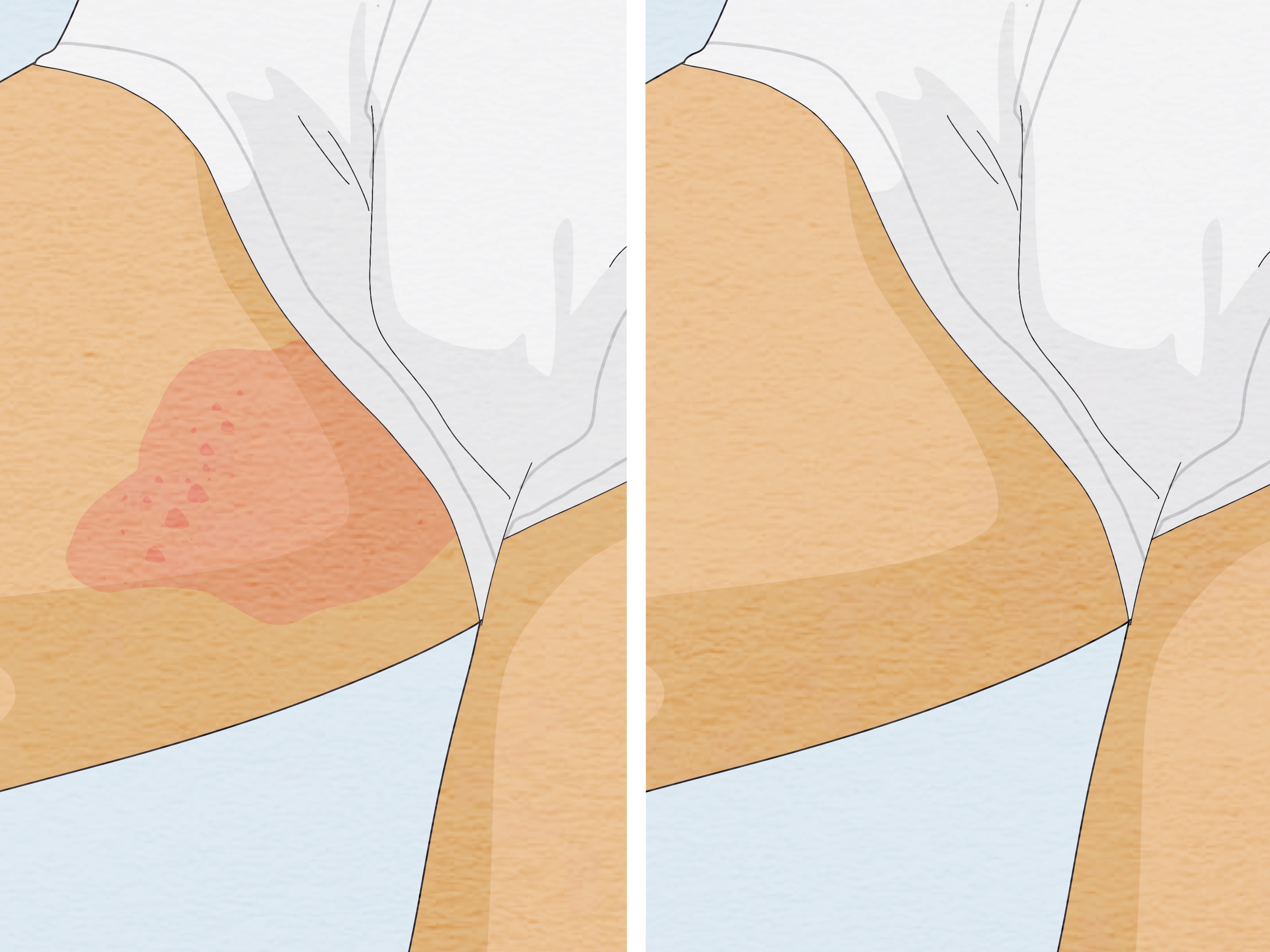
Chafing is one of those tiny skin problems that can turn a normal day into a dramatic walking performance. One minute you are strolling, running, traveling, working out, or simply existing in warm weather. The next minute, your inner thighs, groin, underarms, waistband area, or chest feel like they have entered a personal disagreement with your clothing.
The good news? Chafing is common, preventable, and usually manageable with a few smart habits. The not-so-good news? Ignoring it is like ignoring a smoke alarm because you are “pretty sure it will stop.” Friction plus moisture can quickly irritate the skin, especially in areas where skin touches skin or clothing rubs repeatedly.
This guide explains how to prevent chafing on the thighs, groin, underarms, buttocks, breasts, feet, and other high-friction zones. You will learn what causes it, what to wear, which products help, how to stay dry, when to pause activity, and when a rash deserves professional attention.
What Is Chafing?
Chafing is skin irritation caused by repeated rubbing. That rubbing may happen between two areas of skin, such as the inner thighs, or between skin and fabric, such as a waistband, sports bra, backpack strap, seam, or wet swimsuit.
At first, chafing may feel like mild stinging, warmth, or tenderness. If the rubbing continues, the skin can become red, sore, itchy, or raw. In warm, damp folds of skin, friction can also contribute to intertrigo, an inflammatory rash that often affects areas like the groin, under the breasts, under the belly, between the buttocks, and in the armpits.
Think of your skin barrier like a polite bouncer at a club. It keeps irritation out and comfort in. Friction, sweat, heat, tight clothing, and rough seams make that bouncer work overtime. Eventually, even the most professional bouncer needs a break.
Why Chafing Happens on the Thighs, Groin, and Other Areas
Chafing usually happens when three troublemakers show up together: friction, moisture, and heat. Friction is the rubbing. Moisture comes from sweat, humidity, rain, swimming, or damp clothing. Heat makes everything stickier, softer, and more irritating.
Common chafing zones include:
- Inner thighs: Common during walking, running, hiking, or hot weather.
- Groin: Often affected by sweat, tight underwear, athletic gear, or prolonged sitting.
- Underarms: Caused by arm movement, shirt seams, deodorant irritation, or sweat.
- Under the breasts or chest: Common with sports bras, sweat, and poor support.
- Buttocks and gluteal folds: Often triggered by cycling, running, or damp clothing.
- Feet and toes: Caused by socks, shoes, long walks, or sweaty feet.
- Waistline: Caused by belts, elastic bands, stiff jeans, or workout leggings.
Chafing does not mean you are dirty, unhealthy, or doing anything wrong. It means skin is rubbing against something for too long. Skin is wonderful, but it is not a car tire. It was not designed to handle endless friction without complaining.
How to Prevent Chafing Before It Starts
The best chafing treatment is prevention. Once the skin is irritated, you may need time to heal. Preventing chafing is about reducing friction, controlling moisture, choosing better clothing, and protecting vulnerable areas before activity.
1. Keep Skin Clean and Dry
Clean, dry skin is less likely to become irritated. Before exercise, travel, or a long day outside, wash areas that tend to sweat and pat them dry completely. Do not aggressively rub with a towel. Your skin is not a kitchen counter.
After showering, pay special attention to skin folds, the groin, inner thighs, underarms, under the breasts, belly folds, and feet. If you are prone to moisture buildup, let the area air-dry for a few minutes before getting dressed.
2. Choose Moisture-Wicking Clothing
Moisture-wicking fabric helps move sweat away from the skin. This can be especially helpful for workouts, hiking, cycling, summer errands, amusement park days, or any event where your body may produce enough sweat to fill a tiny emotional support pond.
Look for athletic underwear, compression shorts, leggings, socks, sports bras, and base layers made from breathable synthetic blends or merino wool. Cotton can be comfortable for casual wear, but during heavy sweating it may hold moisture against the skin, which can increase rubbing.
3. Wear Clothes That Fit Properly
Both too-tight and too-loose clothing can cause chafing. Tight clothes may trap heat and moisture. Loose clothes may bunch up, wrinkle, and rub with every step.
For thigh chafing, snug but comfortable compression shorts, bike shorts, or anti-chafing slip shorts can create a smooth barrier between the thighs. For groin chafing, breathable underwear with a supportive fit can reduce shifting and rubbing. For underarm chafing, avoid shirts with rough seams or armholes that dig into the skin.
4. Use an Anti-Chafing Balm or Stick
Anti-chafing balms, sticks, creams, and ointments create a protective layer on the skin. Popular barrier ingredients include petroleum jelly, dimethicone, zinc oxide, and similar skin-protective compounds.
Apply the product before friction begins. Good target areas include inner thighs, groin creases, underarms, under the breasts, nipples for runners, waistband lines, feet, heels, and anywhere a seam tends to attack like it has personal ambitions.
5. Try Powder Carefully for Moisture Control
Powders can help absorb moisture in areas that sweat. Cornstarch-based powders and body powders may be useful for some people. However, powder works best when used on dry skin before heavy sweating starts. Applying powder to already wet skin may create clumps, and clumps are rarely invited to the comfort party.
For the groin, choose gentle products and avoid anything heavily fragranced if your skin is sensitive. If you often get fungal rashes, ask a healthcare professional whether an antifungal powder is appropriate.
6. Change Out of Wet Clothes Quickly
Wet clothing increases friction. After swimming, sweating, getting caught in the rain, or finishing a workout, change into dry clothes as soon as possible. This is especially important for underwear, socks, sports bras, compression shorts, and leggings.
Do not sit around in damp workout gear for hours. Your skin folds are not a storage unit for yesterday’s cardio session.
7. Pay Attention to Seams, Tags, and Waistbands
Sometimes the problem is not the fabric but the construction. Thick seams, scratchy labels, stiff waistbands, rough lace, cheap elastic, and poorly placed stitching can create repeated irritation.
Before a long walk, run, race, trip, or work shift, test your clothing. Move around, squat, stretch, and walk for a few minutes. If something rubs at home, it will probably become a full villain by mile three.
How to Prevent Thigh Chafing
Thigh chafing is one of the most common types of chafing. It can affect people of all body types. It is not a “fitness problem” or a “weight problem.” It is a friction problem.
To prevent inner thigh chafing, apply an anti-chafing balm before walking, running, hiking, dancing, or spending time in hot weather. Wear compression shorts, bike shorts, athletic liners, or breathable slip shorts under dresses, skirts, uniforms, or loose shorts. Choose bottoms without bulky inner-thigh seams.
If you are going on vacation, pack at least one anti-chafing product. Travel often means more walking, more sweating, and more “I did not realize the museum was the size of a small kingdom” moments.
How to Prevent Groin Chafing
Groin chafing needs a gentle approach because the skin is sensitive and often warm. Start with breathable, clean underwear. Change underwear daily, or more often after sweating. After showers or workouts, dry the groin and inner thigh area thoroughly with a clean towel.
Avoid tight underwear, tight jeans, damp swimsuits, or athletic gear that traps moisture for long periods. If you use a barrier product, apply a thin layer only to areas where skin rubs. Do not overdo it; more product is not always better. The goal is glide, not frosting a cupcake.
If groin irritation is itchy, spreading, ring-shaped, scaly, or does not improve with basic care, it may not be simple chafing. Jock itch, yeast, dermatitis, psoriasis, and other rashes can look similar. In that case, it is smart to get medical guidance instead of guessing.
How to Prevent Chafing During Exercise
Exercise is a chafing hotspot because movement, sweat, and repetitive motion team up. Runners, cyclists, hikers, gym-goers, team athletes, and walkers can all experience it.
Before exercise:
- Apply anti-chafing balm to known problem areas.
- Wear moisture-wicking clothes.
- Choose fitted gear that does not bunch.
- Use seamless socks for long walks or runs.
- Cover small high-friction areas with soft bandages or athletic tape when appropriate.
During exercise:
- Stop if you feel burning or sharp rubbing.
- Adjust clothing before irritation gets worse.
- Reapply balm during long events if needed.
- Stay as dry as possible with breathable layers.
After exercise:
- Shower with a gentle cleanser.
- Pat skin dry.
- Change into dry, loose clothing.
- Let irritated skin rest before the next workout.
What to Do If Chafing Has Already Started
If you notice redness, stinging, or tenderness, stop the friction as soon as you can. Continuing to rub irritated skin can make recovery slower.
Wash the area gently with mild soap and water. Pat dry with a clean towel. Apply a protective ointment such as petroleum jelly or zinc oxide to reduce further irritation. Wear loose, breathable clothing while the skin heals.
Avoid scented lotions, harsh scrubs, exfoliating acids, strong deodorants, or alcohol-based products on chafed skin. This is not the time to introduce your skin to a 12-step luxury routine with ingredients named after rare flowers. Keep it boring. Boring is healing.
When to See a Doctor
Most mild chafing improves with rest, dryness, and barrier protection. However, you should contact a healthcare professional if the rash is severe, keeps coming back, spreads, becomes very painful, develops unusual drainage, has a bad odor, or does not improve after a few days of home care.
Also seek medical advice if you have diabetes, a weakened immune system, frequent fungal infections, or a rash in the groin that may be something other than friction. Some rashes need antifungal, antibacterial, or prescription anti-inflammatory treatment.
Best Everyday Habits to Stop Chafing Long-Term
Chafing prevention works best when it becomes part of your routine. You do not need a complicated system. You need a simple plan that your skin understands.
Build a chafing-prevention kit
Keep a small kit in your gym bag, backpack, car, suitcase, or bathroom. Include an anti-chafing stick, travel-size petroleum jelly, gentle wipes, a spare pair of socks, dry underwear, and a small towel. For longer events, add soft bandages or blister pads.
Know your personal hot spots
Some people always chafe on the inner thighs. Others get irritation under a sports bra, near the waistband, between toes, or around backpack straps. Once you know your hot spots, protect them before they complain.
Dress for the activity, not the fantasy
That outfit may look amazing in the mirror, but will it survive four hours of walking in July? Will those jeans behave during a humid commute? Will that new shirt still be cute after the tag saws at your neck all afternoon? Fashion matters, but comfort deserves a seat at the table.
Wash workout clothes after each use
Sweaty gear can hold salt, bacteria, odor, and irritants. Wash workout clothes, socks, underwear, and athletic supports after each use. Clean clothing helps reduce skin irritation and lowers the chance of unpleasant skin problems in warm, moist areas.
Protect skin during travel
Travel is prime chafing season. Long airport walks, sightseeing, humidity, heat, backpacks, and sitting for hours can all trigger irritation. Apply balm before leaving the hotel. Wear breathable layers. Carry a dry change of clothes when possible. Future you will be grateful, and future you is very tired of walking like a cowboy in a silent movie.
Common Mistakes That Make Chafing Worse
One common mistake is waiting until pain starts before doing anything. Anti-chafing products work best before irritation begins. Another mistake is wearing brand-new clothing for a long event. New shorts, shoes, bras, or leggings should be tested before race day, travel day, or workday.
Another problem is using harsh products on irritated skin. Strong fragrances, exfoliants, and scrubs can make chafed skin sting more. Finally, many people underestimate wet clothing. Damp fabric is one of chafing’s favorite sidekicks. Change early, change often, and do not let sweaty clothes become your second skin.
Personal Experience: What Chafing Teaches You the Hard Way
Anyone who has dealt with thigh or groin chafing knows the experience is both humbling and oddly educational. You may start the day confident, hydrated, and dressed like a functioning adult. Then, somewhere between the parking lot and your destination, your inner thighs begin sending emergency messages. At first, it is a whisper. Then it becomes a strongly worded email. Eventually, it is a full committee meeting.
The biggest lesson is that prevention beats bravery. Many people try to “push through” chafing during a walk, workout, shift, or trip. That usually backfires. Skin irritation rarely rewards stubbornness. If you feel rubbing early, stop and fix it. Adjust your shorts, apply balm, change socks, loosen a strap, or take a short break. A two-minute fix can save you two days of waddling around your house like you just lost an argument with a cactus.
Another practical lesson is that the right clothing matters more than most people think. A pair of shorts can look perfect but have one inner seam that behaves like sandpaper. A sports bra can feel supportive for ten minutes but start rubbing under the band after an hour. A backpack strap can be fine in cool weather and irritating in summer heat. The only way to know is to test your gear before a long day. Do not debut new clothing during a half marathon, theme park trip, hiking trail, beach vacation, or wedding where dancing is expected. Chafing loves special occasions.
People also learn that anti-chafing balm is not just for athletes. It is for walkers, travelers, workers, parents chasing kids, people wearing dresses, people wearing uniforms, people commuting in humid weather, and anyone whose skin has ever said, “Absolutely not.” A small stick of balm can be as important as lip balm or sunscreen. Apply it before trouble begins, especially on the inner thighs, groin creases, underarms, bra line, waistline, feet, and any area that has betrayed you before.
Experience also teaches that dry clothes are magic. After swimming or exercising, changing quickly can prevent a minor irritation from turning into a painful rash. Keeping spare underwear, socks, or shorts nearby may seem excessive until the day it saves your skin. Then it feels like genius-level planning.
Finally, recurring chafing teaches you to listen to your body without embarrassment. Chafing is common. It happens to runners, cyclists, hikers, office workers, teens, adults, people in all body sizes, and people in every climate. It is not a personal flaw. It is a skin mechanics issue. Reduce friction, control moisture, create a barrier, choose better clothing, and treat irritation early. Your skin does not need drama. It needs a little strategy, a little airflow, and occasionally, a pair of shorts that actually understands the assignment.
Conclusion
Preventing chafing on the thighs, groin, and other areas comes down to a simple formula: reduce friction, reduce moisture, protect the skin barrier, and act early. Wear breathable, moisture-wicking clothing. Choose proper fits and smooth seams. Apply anti-chafing balm before activity. Change out of wet clothes quickly. Keep skin clean and dry. If irritation appears, pause the rubbing and let the skin heal.
Chafing may be common, but it does not have to run your day. With a few smart habits, you can walk, run, travel, work, dance, hike, and live your life without your thighs filing a formal complaint.