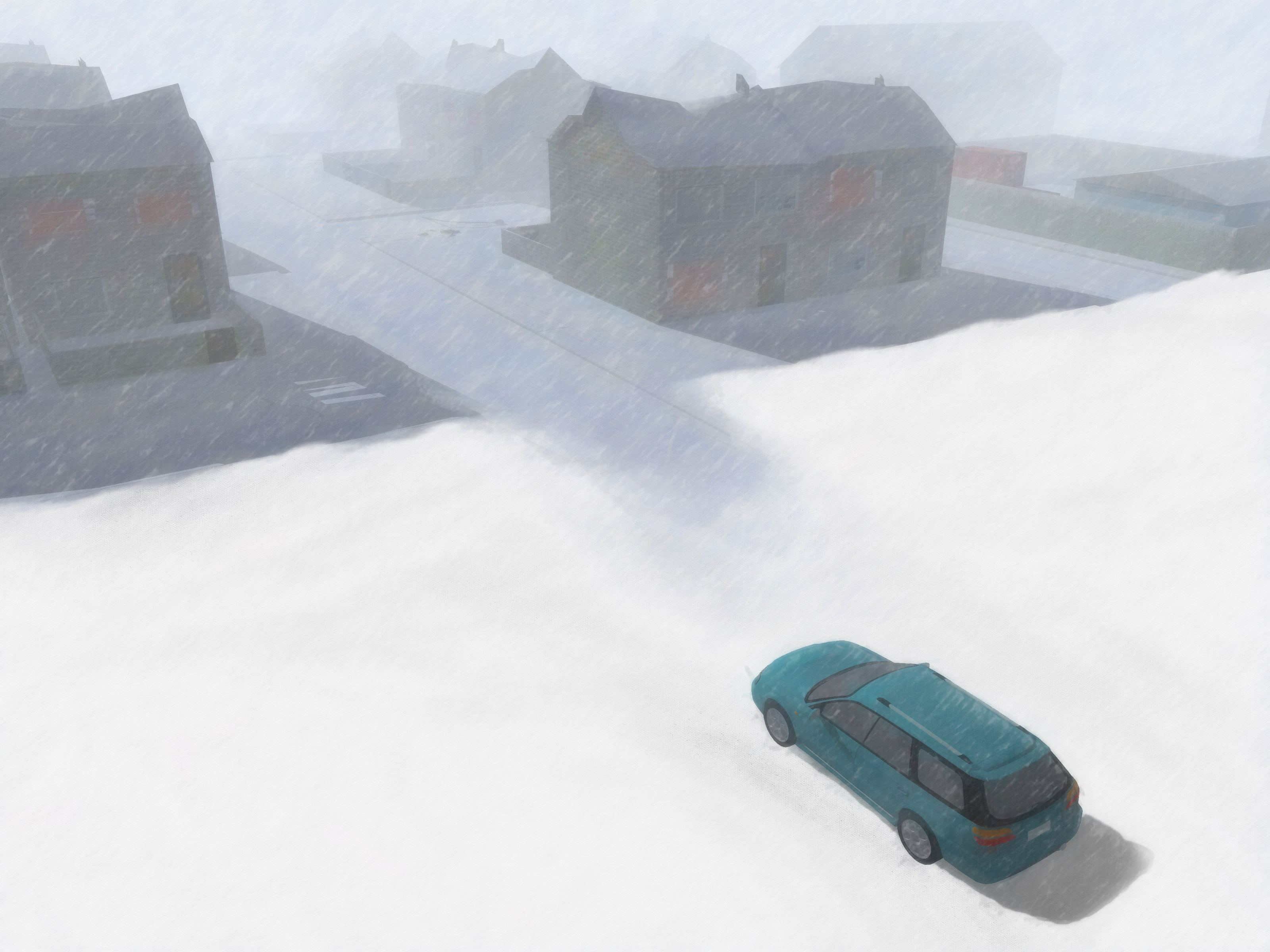
Being trapped in your car during a snowstorm is one of those situations that sounds like a movie scene until you are the person sitting behind the wheel, watching snow pile up on the hood like Mother Nature is aggressively frosting a cake. The road disappears. The wind starts throwing snow sideways. Your phone battery suddenly becomes the most important percentage in your life. And your car, which yesterday was just a way to get tacos, is now your shelter.
The good news is that a vehicle can be a surprisingly effective survival space if you use it wisely. The bad news is that panic, overexertion, carbon monoxide, poor visibility, and cold exposure can turn a stressful delay into a serious emergency. Knowing what to do before you need it is not dramatic. It is practical. It is also much easier than trying to invent a survival plan while your windshield looks like a frozen TV screen.
This guide explains how to survive being trapped in your car during a snowstorm, what to do first, how to stay warm, how to avoid carbon monoxide poisoning, how to signal for help, and what winter emergency supplies should live in your vehicle before the sky starts dumping snow like it has a personal grudge.
First Rule: Stay With Your Vehicle
If you are stuck in heavy snow, a blizzard, or whiteout conditions, the safest choice is usually to stay inside your car. Unless you can clearly see a nearby building and conditions are safe enough to reach it, do not wander off looking for help. In wind-driven snow, people can become disoriented quickly. A road, house, gas station, or familiar landmark may look close, but blowing snow can erase direction and distance in minutes.
Your car is easier for rescuers to spot than a person walking through snow. It also protects you from wind, sleet, and freezing rain. Think of it as a very uncomfortable hotel room with cup holders. Not luxurious, but better than becoming a snow-covered hiking experiment.
What to Do Immediately After You Get Stuck
1. Pull Over Safely If You Still Can
If visibility drops or the road becomes too dangerous, pull as far off the travel lane as safely possible. Avoid stopping in the middle of the road, near curves, or just over hills where other drivers may not see you. Turn on your hazard lights, but use judgment. In some low-visibility conditions, bright rear lights can confuse drivers into following your taillights off the road. Once you are stopped safely, focus on being visible without creating a collision risk.
2. Call for Help
Call 911 if you are stranded, injured, in danger, or blocking traffic. Give your location as clearly as possible. Use mile markers, exits, GPS coordinates, road signs, nearby landmarks, or the last town you passed. If you are on a highway, say which direction you were traveling. “I am on I-90 eastbound near mile marker 214” is much more useful than “I am somewhere cold and emotionally betrayed by the weather.”
After calling emergency services, text your location to a family member or friend. Text messages may go through when calls fail. Keep messages short to save battery.
3. Move Supplies Into the Passenger Area
If it is safe, move anything useful from the trunk into the main cabin before snow piles up or the trunk freezes shut. Bring in blankets, water, snacks, flashlight, medications, gloves, hats, phone charger, first aid kit, and anything reflective or brightly colored. Do this carefully and quickly. Do not spend ten minutes outside reorganizing your trunk like you are preparing for a garage sale.
How to Stay Warm Without Wasting Fuel
One of the biggest mistakes people make is running the engine continuously for heat. That wastes fuel and can increase the risk of carbon monoxide poisoning if the exhaust pipe becomes blocked. A safer approach is to run the engine and heater for about 10 minutes per hour, then turn it off. Before each heating cycle, check that the exhaust pipe is clear of snow if you can do so safely.
Crack a window slightly while the engine is running to allow fresh air into the vehicle. Yes, opening a window in a snowstorm feels completely wrong, like refrigerating soup. But ventilation matters. Carbon monoxide is odorless and colorless, and it can build up if exhaust cannot escape properly.
Layer Up Like a Sensible Onion
Put on extra clothing before you are deeply chilled. Cover your head, neck, hands, and feet. Use blankets, floor mats, seat covers, spare clothes, newspapers, or even reusable shopping bags as insulation. The goal is to trap body heat and block drafts. Loose layers work better than one tight layer because warm air gets trapped between them.
If you have passengers, sit close together to share warmth. Keep children and older adults especially well covered. If a child is in a car seat, avoid bulky coats under the harness while driving, but once the vehicle is stopped and the child is safely settled, blankets can be placed over them for warmth.
Keep Moving, But Do Not Overdo It
Move your fingers, toes, arms, and legs every so often to improve circulation. Gentle movement helps you stay warm. Overexertion does not. Do not try to shovel out a deeply buried car for a long time, push the vehicle alone, or walk through deep snow unless there is an immediate safety reason. Sweating in extreme cold can make you colder later, and heavy effort in freezing weather can be dangerous.
Carbon Monoxide: The Invisible Danger
Carbon monoxide is one of the most serious threats when someone is stranded in a vehicle during a snowstorm. If snow blocks the tailpipe, exhaust can seep into the cabin. Because carbon monoxide has no smell or color, you may not notice it until symptoms begin.
Warning signs can include headache, dizziness, weakness, nausea, confusion, sleepiness, or shortness of breath. If anyone in the car develops these symptoms while the engine is running, turn the engine off, open a window, and call for help immediately.
To reduce risk, always keep the exhaust pipe clear, run the engine only briefly, and crack a downwind window slightly while using heat. If heavy snow is falling, check the tailpipe repeatedly when it is safe to do so. A small folding shovel can be a lifesaver here. A gloved hand can work in a pinch, but a shovel is better and much less likely to make you question your life choices.
Make Your Car Visible to Rescuers
A stranded vehicle can disappear surprisingly fast in blowing snow. Make your car stand out. Tie a bright cloth, scarf, bandanna, or emergency marker to the antenna, door handle, or window. If snow has stopped falling, raise the hood to signal that you need help. At night, turn on the interior dome light when the engine is running so rescuers can see the vehicle without draining the battery constantly.
Use hazard lights when useful, but conserve battery power. Reflective triangles, road flares, or LED warning beacons can help, but only place them outside if conditions are safe. Do not stand in the road or walk behind your vehicle in low visibility. Other drivers may not see you until it is too late.
Food and Water: What Matters Most
In a short emergency, warmth and communication are usually more urgent than food. Still, snacks help maintain energy and morale. High-calorie, non-perishable foods such as granola bars, nuts, dried fruit, crackers, jerky, and peanut butter packets are good choices. Avoid foods that make you thirsty if water is limited.
Drink small amounts of water regularly. Dehydration can happen in cold weather because dry air and heavy clothing still cause fluid loss. Do not eat snow directly. It lowers body temperature and forces your body to spend energy warming it. If you must use snow for water, melt it first and, when possible, warm it slightly.
Protect Your Phone Battery Like It Is Treasure
Your phone is your lifeline, map, flashlight, radio, and emotional support rectangle. Save its battery. Lower screen brightness, close unnecessary apps, switch to low-power mode, and avoid doom-scrolling storm updates for entertainment. Text instead of calling when possible. Keep the phone close to your body because cold temperatures can drain batteries faster.
A car charger or portable power bank should be part of every winter car emergency kit. If your vehicle battery is weak, avoid charging constantly with the engine off. Charge during the short periods when you run the engine.
When Should You Leave the Car?
Leaving the car is usually a last resort in a snowstorm. You may consider leaving only if there is an immediate danger, such as fire, rising floodwater, a crash scene that is unsafe, or a clearly visible shelter very close by. Even then, you should move carefully, stay out of traffic lanes, and avoid walking into whiteout conditions.
If you decide you must leave, write a note and leave it inside the car with your name, time you left, direction you went, and destination. This can help rescuers understand where to search. But again, staying with the vehicle is usually safer.
What to Keep in a Winter Car Emergency Kit
The best survival decision happens before the storm: packing the right gear. A winter emergency kit does not need to look like a wilderness expedition catalog exploded in your trunk. It should be practical, compact, and easy to reach. Ideally, keep key items in the back seat, not only in the trunk, because trunks can freeze shut or become buried.
Essential Winter Car Supplies
- Blankets, sleeping bag, or emergency Mylar blanket
- Warm hat, gloves, socks, and extra layers
- Cell phone charger and portable power bank
- Flashlight or headlamp with extra batteries
- First aid kit and necessary medications
- Non-perishable snacks and bottled water
- Ice scraper and snow brush
- Small shovel
- Sand, kitty litter, or traction mats
- Jumper cables or a jump starter
- Reflective triangles, LED beacon, or flares
- Bright cloth or emergency flag
- Battery-powered or hand-crank radio
- Paper map, pencil, and notepad
- Whistle for signaling
Also pack special items for your passengers: baby supplies, pet food, prescription medications, glasses, mobility aids, or anything else someone in your car cannot safely go without. Survival kits are not one-size-fits-all. A family with a toddler, a dog, and a person with diabetes needs a different kit than a solo commuter with a suspicious number of granola bars.
Prepare Before You Drive in Winter Weather
The smartest way to survive being trapped in your car during a snowstorm is to avoid becoming trapped in the first place. Check the forecast before you leave. Look at road condition reports. Postpone non-essential travel when warnings are serious. Tell someone your route and expected arrival time, especially for long drives through rural areas.
Keep your gas tank at least half full in winter. For electric vehicles, keep the battery well charged and precondition the cabin while plugged in when possible. Cold weather can reduce battery performance, whether your vehicle runs on gasoline, diesel, hybrid power, or electricity.
Before winter, check tires, battery, brakes, fluids, windshield wipers, lights, defroster, and coolant. Use winter-grade windshield washer fluid. Clear all snow and ice from your windows, mirrors, roof, lights, and hood before driving. Flying snow from your roof can blind you or other drivers, which is a rude and dangerous way to share winter.
Common Mistakes That Make Things Worse
Trying to Walk for Help
This is one of the biggest mistakes. In a blizzard, distance is deceptive, and familiar areas become confusing. Staying with the vehicle gives you shelter and makes you easier to find.
Running the Engine Too Long
Continuous engine use wastes fuel and increases carbon monoxide risk. Use short heating intervals and check the exhaust pipe.
Falling Asleep Without a Plan
Fatigue is understandable, but try to stay awake or set alarms if you must rest. Cold-related problems can worsen when you are asleep. Passengers can take turns staying alert.
Ignoring Small Symptoms
Shivering, confusion, numb fingers, dizziness, and unusual sleepiness are warning signs. Treat them seriously. Add layers, warm the cabin briefly, move gently, and call for help if symptoms worsen.
Signs of Hypothermia and Frostbite
Hypothermia happens when body temperature drops too low. Warning signs include intense shivering, exhaustion, confusion, fumbling hands, slurred speech, memory problems, and drowsiness. In a stranded-car situation, confusion is especially dangerous because it can lead to poor decisions, like wandering away from the vehicle.
Frostbite usually affects fingers, toes, ears, cheeks, chin, and nose. Warning signs include numbness, pale or grayish skin, firm or waxy-feeling skin, and loss of feeling. Warm affected areas gently. Do not rub frostbitten skin with snow. That old advice belongs in the same trash bin as “just drive faster over ice.”
A Practical Snowstorm Survival Timeline
The First 5 Minutes
Stop safely. Turn on hazard lights if appropriate. Call 911 or roadside assistance. Share your location with someone you trust. Take a deep breath. Panic burns energy and rarely improves navigation.
The First 15 Minutes
Move supplies into the cabin. Put on warm layers. Tie a bright marker outside. Check the exhaust pipe. Crack a window slightly before running the engine for heat.
The First Hour
Set a rhythm: heat for about 10 minutes, then conserve fuel. Move your arms and legs. Sip water. Keep your phone warm and charged. Watch for symptoms of cold stress or carbon monoxide exposure.
After Several Hours
Stay visible. Keep snow from burying the vehicle if it is safe to clear small areas. Update emergency contacts if you have signal. Keep morale steady. Survival is often about doing simple things correctly for longer than you expected.
Real-World Experiences and Lessons From Snowstorm Stranding
People who have been stranded in winter storms often describe the same first feeling: disbelief. One moment, they are driving home, maybe thinking about dinner, school pickup, or whether they remembered to buy milk. The next moment, traffic stops, snow thickens, and the familiar road becomes a parking lot with weather issues. The biggest lesson from real winter travel emergencies is that conditions can change faster than confidence. A road that looked manageable ten minutes ago can become slick, blocked, or invisible.
A common experience is the temptation to “just get out and check.” Drivers step outside to inspect tires, push snow away, or see how far the backup goes. A quick check may be fine when conditions are calm and traffic is stopped, but in a true snowstorm, every trip outside costs heat and energy. Gloves get wet. Shoes fill with slush. Wind cuts through clothing. After a few minutes, the car suddenly feels like paradise, even if it smells faintly like old fries and panic.
Another lesson is that small supplies become big comforts. A blanket is not just a blanket; it is morale with stitching. A flashlight makes the car feel less isolated. A granola bar can calm a hungry passenger. A phone charger can turn fear into action. People often regret not packing boring items because boring items are exactly what emergencies love. Nobody wants to be the person who has three phone mounts, four lip balms, and zero gloves.
Families also learn quickly that passengers need jobs. One person watches the phone battery. One person checks the time for engine-heating intervals. One person keeps younger kids calm with stories, games, or songs. This turns panic into teamwork. Even simple routines help: sip water, wiggle toes, adjust blankets, check the window crack, look for emergency vehicles, repeat. A routine gives the brain something useful to hold onto.
Drivers stranded in rural areas often say silence is the hardest part. Snow absorbs sound. Traffic may disappear. The world outside the windows looks blank. This is when it helps to remember that staying put is an active survival choice, not “doing nothing.” You are conserving heat, preserving fuel, staying visible, and giving rescuers a fixed location. That is smart, not passive.
In urban snowstorm gridlock, the challenge can be different. You may be surrounded by other vehicles but still unable to move for hours. In that case, patience and fuel management matter. Avoid repeatedly starting, stopping, and spinning tires. Spinning wheels can dig the vehicle deeper and waste fuel. If traffic is completely stopped, focus on warmth, communication, and visibility.
One of the most practical experiences people share is the value of filling the gas tank before bad weather. A half-full tank may feel unnecessary when you are only driving across town, but snowstorms are famous for turning “twenty minutes” into “several hours and a new personality.” The same applies to electric vehicles: a well-charged battery provides more options, more heat, and more peace of mind.
The final lesson is humility. Winter does not care how good a driver you are. Ice does not respect confidence. Snow does not check your calendar. The safest drivers are not the ones who believe they can handle anything; they are the ones who prepare, slow down, delay travel when needed, and know when to stop. Survival is not about being fearless. It is about being calm, visible, warm, and stubborn enough to make good decisions until help arrives.
Conclusion: Stay Calm, Stay Warm, Stay Visible
Surviving being trapped in your car during a snowstorm comes down to a few core principles: stay with your vehicle, call for help, conserve fuel, prevent carbon monoxide poisoning, stay warm, make yourself visible, and avoid unnecessary risks. Your car is shelter. Your emergency kit is support. Your phone is communication. Your calm thinking is the steering wheel after the steering wheel stops being useful.
Winter storms can be frightening, but preparation turns fear into a plan. Pack your vehicle before the season gets ugly. Watch the forecast. Keep your tank or battery charged. Tell someone where you are going. And if snow traps you anyway, remember: you do not need to be a survival expert. You need to make steady, sensible choices and resist the urge to do something dramatic just because the weather is being dramatic enough for everyone.