A wax paper book cover sounds like something invented by a clever librarian during lunch: “I have a sandwich wrapper, a textbook, and exactly seven minutes before the bell rings. Let’s make history.” But this simple idea is more useful than it first appears. A wax paper book cover can protect a frequently used book from fingerprints, light splashes, dust, backpack chaos, and the mysterious sticky crumbs that seem to follow students, cooks, crafters, and journal lovers everywhere.
Unlike a permanent laminated cover or adhesive contact paper, wax paper is lightweight, affordable, easy to fold, and removable. That makes it especially appealing for school textbooks, notebooks, cookbooks, journals, craft manuals, borrowed books, and decorative shelf styling. It is not the same as professional archival polyester film, and it should not be treated as museum-level preservation. Still, for everyday protection, it offers a charming mix of practicality and old-school craftiness.
This guide explains what a wax paper book cover is, when to use one, how to make it, what mistakes to avoid, and how to get the cover looking neat instead of “I wrestled a lunch bag and lost.”
What Is a Wax Paper Book Cover?
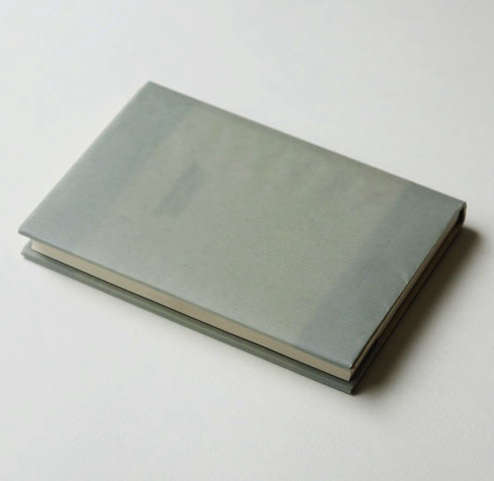
A wax paper book cover is a removable protective wrap made from waxed paper or wax-coated paper. The material has a thin waxy surface that helps resist moisture and minor stains better than ordinary paper. It can be folded around the front and back covers of a book, similar to the classic brown paper bag book cover many students used before stretchy fabric covers and plastic sleeves took over school supplies aisles.
The main keyword here is simple: wax paper book cover. Related terms include waxed paper book jacket, DIY book cover, paper book cover, textbook cover, cookbook cover, protective book wrap, and handmade book cover. These are all connected by the same goal: protecting a book without permanently changing it.
Why Use Wax Paper Instead of Regular Paper?
Regular paper can protect a book from scratches, but it absorbs moisture easily and stains quickly. Wax paper adds a slight barrier. It is not waterproof in the “drop it in a lake and write a survival memoir” sense, but it does better against light kitchen splashes, damp hands, and dusty shelves.
Wax paper also has a smooth surface, which helps it slide into a backpack without catching as much as rough kraft paper. It creases well when folded carefully, and it gives books a clean, minimalist look. If you like the quiet charm of brown paper, parchment-like textures, or simple handmade stationery, wax paper fits right in.
Best Uses for a Wax Paper Book Cover
1. School Textbooks
Textbooks live a hard life. They get shoved into bags, stacked under laptops, dropped on desks, and occasionally used as emergency umbrellas by students who made bold weather assumptions. A wax paper book cover helps reduce scuffs and keeps the original cover cleaner throughout the semester.
2. Cookbooks
Cookbooks are heroic objects. They stand next to flour explosions, tomato sauce drama, and the occasional butter incident. A wax paper book cover is useful for cookbooks because it can guard against light smudges and splatters while still being easy to replace when it gets worn.
3. Journals and Sketchbooks
A plain journal can feel more personal with a handmade cover. Wax paper gives it a soft, slightly translucent look. You can also layer decorative paper underneath wax paper for a protected custom design.
4. Decorative Bookshelves
If you want a cleaner visual style on your shelves, wax paper covers can unify books with mismatched colors. It is the bookshelf equivalent of giving everyone at a chaotic family reunion the same neutral sweater.
5. Craft and Workshop Manuals
Craft books and project guides are often used around glue, paint, thread, clay, and tools. Wax paper adds a replaceable surface that keeps the book cover from taking the full hit.
When Not to Use Wax Paper
A wax paper book cover is not ideal for rare books, antique books, valuable first editions, or fragile family documents. For important materials, use archival-quality enclosures, acid-free storage, or professional dust jacket protectors. Wax paper may contain coatings or additives that are fine for short-term everyday use but not recommended for long-term archival preservation.
Also avoid taping wax paper directly to the book. Tape can leave residue, pull up color, tear paper, or cause damage over time. The safest DIY method is to fold the cover so it stays in place using flaps rather than glue or adhesive.
Materials Needed
- Wax paper or waxed kraft paper
- The book you want to cover
- Scissors
- Ruler
- Pencil
- Bone folder, craft stick, or the dull side of a butter knife for crisp folds
- Optional: labels, stickers, washi tape, or decorative paper
Choose wax paper large enough to wrap around the book with extra space on all sides. If your wax paper roll is narrow, use it for smaller notebooks or combine it with decorative kraft paper for larger books.
How to Make a Wax Paper Book Cover
Step 1: Measure the Book
Place the closed book on the wax paper. Leave at least two inches of extra paper at the top and bottom, plus three to four inches on both left and right sides for the inside flaps. More allowance is better than less. You can always trim extra paper, but you cannot magically grow more paper unless you are a craft wizard, and those are booked months in advance.
Step 2: Cut the Paper
Cut a rectangle of wax paper based on your measurements. Keep the edges as straight as possible. A slightly uneven edge is not the end of civilization, but a clean cut makes folding much easier.
Step 3: Fold the Top and Bottom Edges
Place the book in the center of the paper. Fold the bottom edge up against the bottom of the book cover, then crease it. Repeat with the top edge. The book should sit neatly between these two horizontal folds. Remove the book and sharpen the creases with a bone folder or craft stick.
Step 4: Create the Side Flaps
Put the book back on the paper. Open the front cover and fold the left side of the wax paper over it, creating an inside flap. Close the cover gently and crease the outside edge. Repeat the same process with the back cover.
Step 5: Tuck the Covers Into the Flaps
Slide the front cover into the front flap. Then slide the back cover into the back flap. Close the book carefully and adjust the paper until it sits smoothly. The cover should be snug but not tight. If the book cover bends or refuses to close naturally, loosen the folds.
Step 6: Label and Decorate
Add a removable label to the front or spine so you can identify the book. This step is especially important if you cover several books in the same paper. Otherwise, your bookshelf turns into a guessing game called “Where Did I Put Algebra?” Nobody wins that game.
Design Ideas for a Better-Looking Cover
A plain wax paper book cover can look clean and modern, but it can also be customized. Try placing patterned paper underneath a translucent layer of wax paper. This creates a soft, protected design. You can also use kraft labels, handwritten title tags, rubber stamps, or washi tape on the outer flaps.
For a vintage style, use brown waxed paper and a black ink label. For a school-friendly style, add subject stickers or color-coded spine labels. For a cookbook, write the book title on a small label and add a tiny doodle of a spoon, whisk, or suspiciously cheerful tomato.
Wax Paper vs. Other Book Cover Materials
Wax Paper vs. Brown Paper Bag
Brown paper bags are strong, cheap, and easy to fold. Wax paper offers better resistance to small splashes and smudges. Brown paper is usually more durable for heavy textbooks, while wax paper is smoother and better for light-duty protection.
Wax Paper vs. Contact Paper
Contact paper is adhesive and more permanent. It can protect a cover, but it may damage books if removed. Wax paper is removable and safer for temporary use. For borrowed books, wax paper is the smarter choice.
Wax Paper vs. Fabric Covers
Fabric covers are reusable and stretchy, but they can slip or become bulky. Wax paper fits more closely to the book and gives a cleaner paper-jacket look. Fabric wins for long-term reuse; wax paper wins for quick customization.
Wax Paper vs. Archival Polyester Covers
Archival polyester covers are best for valuable dust jackets and long-term preservation. Wax paper is best for casual everyday use. Think of polyester as the professional security guard and wax paper as the friendly neighbor who keeps an eye on your porch.
Common Mistakes to Avoid
Using Too Little Paper
If the flaps are too short, the cover will pop off. Aim for three inches of flap on each side when possible.
Making the Cover Too Tight
Books need room to open and close. A tight cover can pull on the boards or make the book warp slightly.
Taping the Cover to the Book
If you use tape, apply it only to the wax paper itself, never to the book. Better yet, avoid tape entirely and rely on folded flaps.
Using Wax Paper on Rare Books
For rare, antique, signed, or collectible books, use archival materials instead. Wax paper is a practical craft solution, not a conservation treatment.
Forgetting to Label Covered Books
A uniform shelf looks beautiful until every book becomes anonymous. Add labels before your personal library starts acting like a secret society.
How Long Does a Wax Paper Book Cover Last?
The lifespan depends on use. On a lightly handled notebook, it may last for months. On a school textbook that travels daily, it may last a few weeks before creases, tears, or worn corners appear. The good news is that wax paper is inexpensive and easy to replace.
Check the corners and spine area regularly. These spots get the most wear. If the cover becomes torn, sticky, dirty, or wrinkled beyond repair, make a new one. A fresh cover takes only a few minutes once you know the folding method.
Care Tips for Covered Books
Even with a cover, books still need basic care. Keep food and drinks away when possible. Store books upright, not leaning at dramatic angles like tired tourists. Avoid damp areas, direct sunlight, and overloaded shelves. Remove books by gripping both sides near the middle instead of pulling from the top of the spine.
If the wax paper cover gets dusty, wipe it gently with a dry soft cloth. Do not soak it. Wax paper resists moisture better than ordinary paper, but it is not built for scrubbing.
Is a Wax Paper Book Cover Eco-Friendly?
Wax paper can be a low-waste option when used thoughtfully. It requires no adhesive, can extend the life of a book cover, and can be replaced without buying plastic sleeves. However, wax paper is not always recyclable because of its coating. If sustainability is your priority, consider reusing brown paper bags, kraft packing paper, or durable fabric covers.
The best eco-friendly habit is not simply choosing one material over another. It is using what you already have, avoiding unnecessary plastic, and helping books last longer. A protected book stays useful, readable, and shareable.
Creative Variations
Layered Wax Paper Cover
Place a sheet of decorative paper under a clear or semi-translucent wax paper layer. Fold both layers together around the book. This gives you style and surface protection in one wrap.
Waxed Kraft Paper Cover
Waxed kraft paper is thicker than typical kitchen wax paper. It works well for journals, planners, and books that need a sturdier handmade jacket.
Recipe Book Splash Guard
For a cookbook, make a removable wax paper cover and add a larger front flap. When cooking, the flap can help shield the front cover from flour or sauce. It will not stop culinary disasters, but it may reduce evidence.
Minimalist Library Look
Cover several books with the same wax paper and label the spines neatly. This creates a calm shelf display without permanently altering the books.
Experience Section: What It Feels Like to Use a Wax Paper Book Cover
The first time you make a wax paper book cover, the process feels almost too simple. You spread the paper, place the book down, fold a few edges, and suddenly the book looks intentional. It is the same satisfying feeling as organizing a desk drawer or putting fresh sheets on a bed. Nothing about your life has technically changed, but somehow you are now a person with systems.
One of the best experiences is using a wax paper cover on a cookbook. A cookbook in the kitchen is brave. It sits near boiling pots, sticky spoons, and counters that were “definitely clean” until the cocoa powder staged a rebellion. A wax paper cover gives you a little peace of mind. You can open the book while making pancakes, wipe your hands, and not panic every time a tiny splash lands nearby. The cover may wrinkle or pick up marks, but that is the point. It takes the mess so the book does not have to.
For schoolbooks, the experience is practical in a different way. A wax paper textbook cover makes a book feel more personal without breaking school rules or damaging borrowed property. Students can add labels, stickers, or subject names without writing on the actual cover. The smooth surface slides easily into a backpack, and if the cover gets destroyed by the end of the quarter, replacing it is cheap. There is something comforting about a cover that does not pretend to be immortal. It shows up, does its job, and retires with honor.
Wax paper covers are also surprisingly pleasant for journals. The texture is quiet and tactile. It softens the look of a notebook and makes it feel handmade. If you place a pressed paper design, a drawing, or patterned sheet underneath, the wax paper mutes it slightly, like looking through frosted glass. The result feels personal but not loud. It is great for people who want their journal to look special without covering it in glitter, rhinestones, or motivational quotes that yell at you before breakfast.
Of course, the experience is not perfect. Wax paper can tear at corners, especially on books that are handled constantly. Thin kitchen wax paper may wrinkle quickly. If your folds are too tight, the book may not close properly. And if you forget to label several covered books, you may find yourself opening five identical beige rectangles before locating the one you need. That is not organization; that is a paper-based escape room.
Still, the charm of a wax paper book cover is that it is forgiving. You do not need expensive tools. You do not need advanced crafting skills. You can make one in less time than it takes to find your missing scissors, although finding the scissors is always the true final boss of any craft project. The cover is removable, replaceable, and customizable. It protects without making a big production of itself.
In everyday use, a wax paper book cover works best when you treat it as temporary protection rather than permanent armor. It is perfect for active books: the cookbook you use weekly, the planner that travels in your bag, the textbook that endures locker life, or the craft manual that sits beside glue and paper scraps. It adds a layer of care, and sometimes that small layer is exactly what keeps a book looking loved instead of defeated.
Conclusion
A wax paper book cover is a smart, simple, and budget-friendly way to protect everyday books. It will not replace archival book jackets for rare editions, and it will not make a textbook indestructible. But it can reduce scuffs, soften light splashes, personalize plain covers, and give well-used books a cleaner appearance.
The best version is removable, gently folded, properly labeled, and loose enough for the book to open naturally. Use it for cookbooks, schoolbooks, journals, planners, and decorative shelf styling. Avoid it for valuable or fragile books that need archival storage. With the right expectations, a wax paper book cover is one of those humble DIY tricks that feels almost too easyuntil you start using it and wonder why you did not cover everything sooner.